
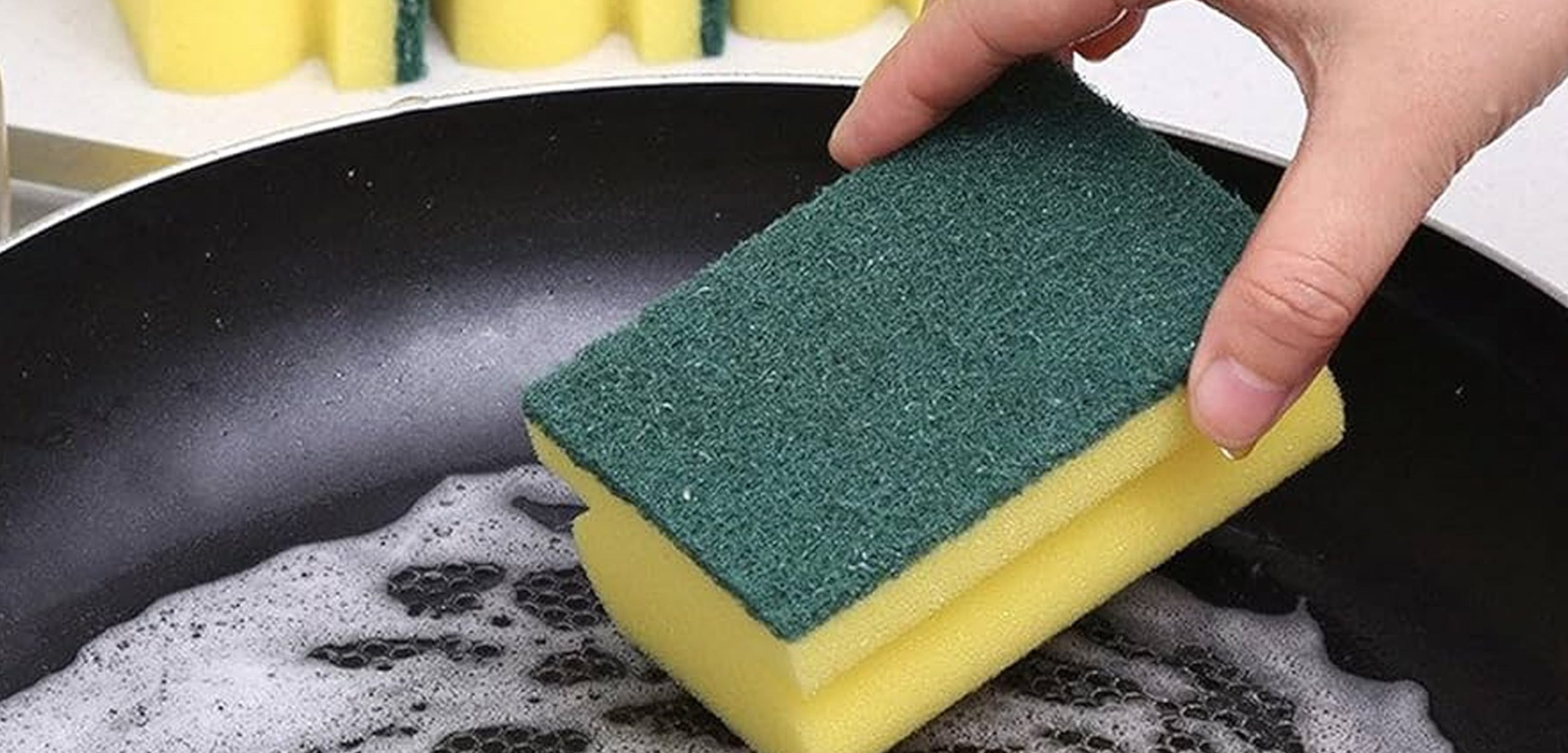
Have you ever wondered what’s really inside your kitchen sponge? You use it every day to clean your dishes, wipe your counters, and tackle spills—but is it made from a real sponge, or something else entirely?
Knowing the answer can change the way you think about your kitchen hygiene and even help you choose the best sponge for your home. Keep reading to discover the surprising truth behind kitchen sponges and why it matters for you and your family’s health.

Credit: oksponge.en.made-in-china.com
Origins Of Kitchen Sponges
Understanding the origins of kitchen sponges can change the way you choose and use them. These everyday tools come from varied materials and have evolved through centuries of kitchen history. Knowing where they come from helps you pick the right sponge for your cleaning needs.
Natural Vs Synthetic Materials
Natural kitchen sponges come from the skeletons of sea creatures called sponges. They are soft, absorbent, and biodegradable, making them eco-friendly choices. However, they can be costly and less durable than synthetic options.
Synthetic sponges are made from materials like cellulose, polyester, or plastic foam. They are cheap, widely available, and come in many shapes and sizes. But synthetic sponges can trap bacteria easily and don’t break down naturally in the environment.
Have you ever thought about what your sponge is made of? Choosing natural over synthetic or vice versa depends on what matters most to you—cost, durability, or environmental impact.
Historical Use Of Sponges In Kitchens
People have used natural sponges for cleaning since ancient times, especially in Mediterranean cultures. Back then, sponges were prized for their softness and ability to absorb water, making kitchen chores easier.
Over time, synthetic sponges appeared in the 20th century, revolutionizing kitchen cleaning. These new sponges were cheaper to produce and replaced many natural sponges in households worldwide.
Thinking about how kitchen sponges evolved might make you appreciate the convenience they offer today. Have you noticed any difference in how your sponge performs compared to older types you’ve used?

Credit: www.taste.com.au
Composition Of Modern Kitchen Sponges
Modern kitchen sponges differ greatly from natural sea sponges. They are mostly made from man-made materials. These materials are designed to clean efficiently and last longer. The composition ensures sponges are lightweight, durable, and easy to use. Understanding what kitchen sponges contain helps explain their cleaning power.
Common Synthetic Fibers Used
Most kitchen sponges use synthetic fibers. These include:
- Polyurethane foam
- Polyester
- Nylon
- Cellulose blends
Polyurethane foam is soft and absorbent. Polyester and nylon add strength and scrubbing ability. Cellulose blends are semi-natural and help with water absorption. These fibers combine to make sponges effective for different cleaning tasks.
Properties That Make Sponges Effective
Kitchen sponges have special properties. They absorb water quickly. Their porous structure traps dirt and grease. They resist tearing and wear. The rougher side scrubs tough stains. The softer side cleans delicate surfaces. These traits make kitchen sponges reliable tools in daily cleaning.
Natural Sea Sponges Explained
When you hear the word "sponge," you might picture that trusty cleaning tool sitting by your kitchen sink. But did you know that some sponges are actually natural organisms harvested from the sea? These natural sea sponges have been used for centuries, offering a sustainable and eco-friendly alternative to synthetic versions. Let's dive into the fascinating world of natural sea sponges and discover what makes them unique.
Harvesting And Sustainability
Natural sea sponges are carefully harvested from the ocean floors, mainly in the Mediterranean Sea and the Caribbean. Harvesters use traditional methods to ensure that the sponges regenerate, allowing for sustainable growth. By cutting the sponge instead of uprooting it, the base remains intact, leading to regrowth in as little as five years.
This sustainable harvesting process not only supports marine ecosystems but also provides livelihoods for communities relying on this age-old practice. When you choose natural sea sponges, you're supporting a cycle that respects and preserves marine life. Have you ever considered the environmental impact of your kitchen tools?
Differences From Synthetic Sponges
Unlike synthetic sponges made from plastic polymers, natural sea sponges are biodegradable, reducing waste in landfills. They are known for their durability, often lasting longer than their synthetic counterparts, which means fewer replacements and less environmental strain.
Natural sea sponges are also naturally resistant to bacteria, making them a healthier choice for cleaning. They offer a softer texture and a more absorbent nature, perfect for delicate surfaces. Next time you're shopping for cleaning supplies, think about the benefits of choosing natural over synthetic. Would you make the switch for the sake of our planet?
Health Concerns With Kitchen Sponges
Kitchen sponges are common tools in every home. They clean dishes, surfaces, and sometimes even fruits and vegetables. Yet, many people do not realize the health risks tied to these sponges. Sponges can hold millions of bacteria, which may cause illness. Understanding these health concerns helps keep your kitchen safe and clean.
Bacteria Growth And Risks
Sponges provide a moist and warm environment, perfect for bacteria growth. Food particles caught in the sponge feed these germs. Common harmful bacteria include Salmonella, E. coli, and Staphylococcus. These can cause food poisoning and infections. Using a dirty sponge can spread bacteria to dishes and surfaces. This increases the risk of illness in your household.
Proper Cleaning And Maintenance Tips
Keeping sponges clean reduces health risks. Follow these simple tips:
- Rinse thoroughly after each use.
- Squeeze out excess water to dry faster.
- Disinfect sponges regularly with hot water or bleach.
- Microwave a damp sponge for 1-2 minutes to kill germs.
- Replace sponges every 1-2 weeks or sooner if they smell bad.
These steps help control bacteria growth. A clean sponge keeps your kitchen safer and more hygienic.
Choosing The Right Sponge
Choosing the right sponge for your kitchen affects cleanliness and environmental impact. Not all sponges are made from natural materials. Some are synthetic, while others come from sea sponges. Picking the right one depends on your needs, budget, and values.
Eco-friendly Alternatives
Natural sea sponges come from the ocean and are biodegradable. They break down faster and reduce waste. Plant-based sponges, like those made from cellulose, also decompose easily.
Look for sponges labeled compostable or biodegradable. These options avoid plastic and chemical use. Bamboo sponges are another green choice. They resist bacteria and last longer.
Eco-friendly sponges help protect water and soil. They reduce plastic pollution in landfills and oceans.
Durability And Cost Considerations
Synthetic sponges often last longer than natural ones. They resist tearing and hold up to heavy scrubbing. These sponges cost less upfront but may need frequent replacing.
Natural sponges tend to be pricier but break down naturally. They can wear out faster with tough use. Consider how often you clean and what surfaces you scrub.
Choosing a sponge that balances durability and price saves money over time. Think about what fits your cleaning style and budget best.

Credit: www.amazon.ca
Frequently Asked Questions
Are Kitchen Sponges Made From Natural Materials?
Most kitchen sponges are synthetic, made from cellulose or plastic. Real natural sponges come from sea animals but are rare and costly in kitchens.
How Do Real Sponges Differ From Synthetic Ones?
Real sponges are porous sea creatures, soft and biodegradable. Synthetic sponges are man-made, durable, and often contain antibacterial agents.
Can Kitchen Sponges Harbor Bacteria?
Yes, kitchen sponges can hold millions of bacteria due to moisture and food particles. Regular cleaning or replacing is essential for hygiene.
Are Natural Sponges Better For Cleaning?
Natural sponges are eco-friendly and gentle but less durable. Synthetic sponges last longer and often clean more effectively in kitchens.
Conclusion
Kitchen sponges are mostly synthetic, not natural sea sponges. They clean well but can hold bacteria if not changed often. Knowing the difference helps you choose the right sponge for your needs. Use sponges wisely and replace them regularly to keep your kitchen safe.
Simple care keeps your sponge fresh and your dishes clean. Now you understand what kitchen sponges really are.