

Your kitchen tile floor sees a lot of action every day. From spills to crumbs, it can quickly lose its shine and feel grimy underfoot.
But cleaning it doesn’t have to be a chore you dread. What if you could make your floor look spotless and fresh with just a few simple steps? In this guide, you’ll discover easy, effective ways to mop your kitchen tile floor so it stays clean longer and looks great.
Keep reading—you’ll be amazed at how quickly your kitchen can feel brighter and more inviting.
Preparing Your Kitchen Floor
Preparing your kitchen floor before mopping sets the stage for a spotless finish. Skipping this step can lead to streaks, missed spots, or even damage to your tiles. Taking a few minutes to get your floor ready will save you time and effort during cleaning.
Clear The Area
Start by removing all items from the floor—chairs, rugs, pet bowls, and any small objects. Clutter can block your path and trap dirt, making it hard to mop thoroughly. Clearing the space gives you full access and prevents accidents while cleaning.
Sweep Or Vacuum
Next, sweep or vacuum the floor to pick up loose dirt, crumbs, and dust. Avoid mopping over debris because it can scratch the tile surface or create muddy streaks. Pay close attention to corners and under cabinets where dirt tends to gather unnoticed.
Choose The Right Mop
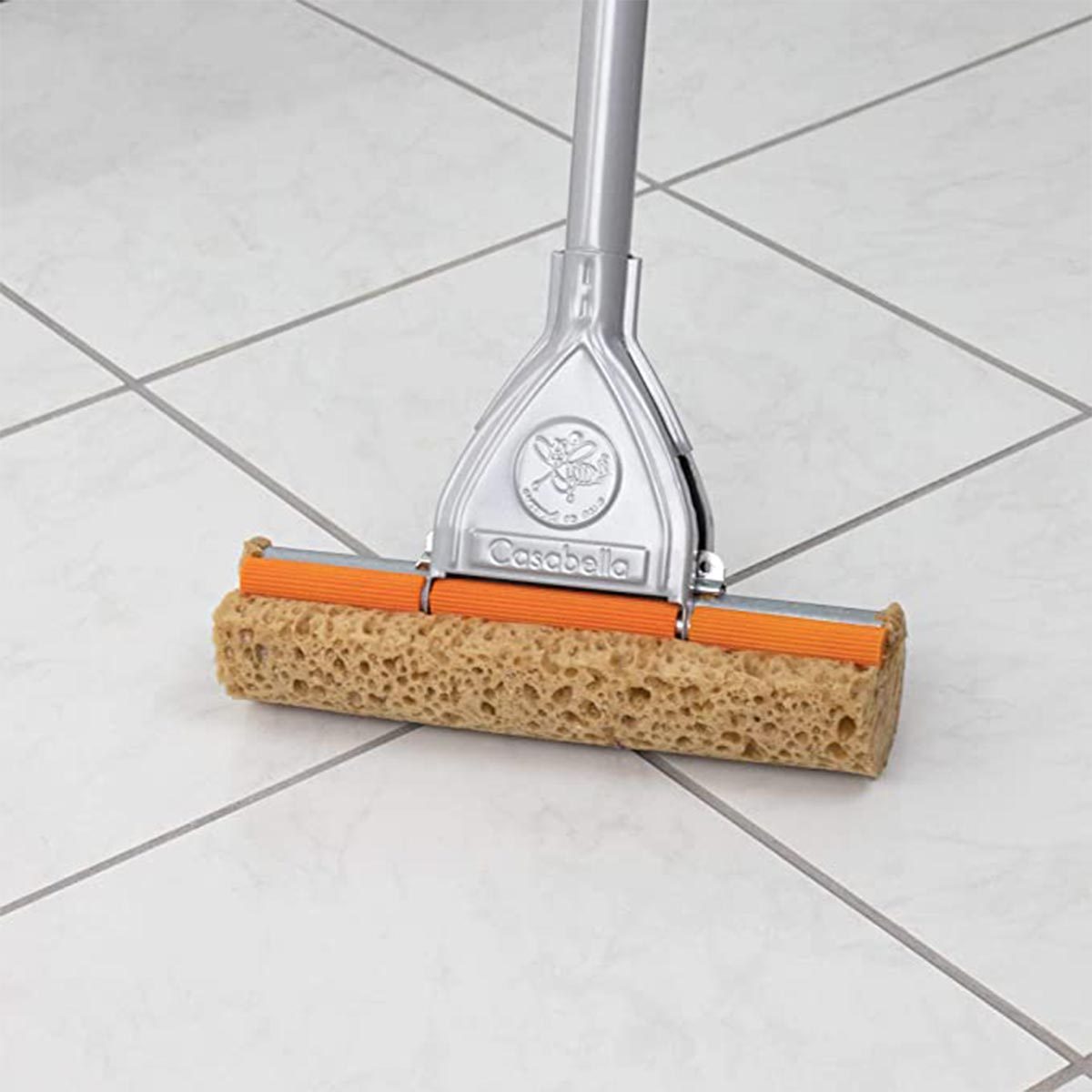
Choosing the right mop affects how clean your tiles will look after mopping. Microfiber mops are great for trapping dirt and are gentle on tile surfaces. Avoid using overly abrasive or string mops that might leave fibers behind or damage grout lines.
:max_bytes(150000):strip_icc()/SPR-should-you-mop-with-hot-or-cold-water-11785902-8034a4fa718143caa9fb087a9d1cf7f7.jpg)
Credit: www.thespruce.com
Selecting Cleaning Solutions
Choosing the right cleaning solution is key to keeping your kitchen tile floor spotless without causing damage. The product you use affects not only the cleanliness but also the longevity of your tiles. Let’s look at the options available and what you should watch out for.
Homemade Vs Store-bought Cleaners
Homemade cleaners often save money and reduce exposure to harsh chemicals. Simple mixtures like vinegar and water or baking soda paste can tackle dirt effectively. However, vinegar’s acidity can dull some types of tile if used too frequently, so test it on a small area first.
Store-bought cleaners usually come with targeted formulas designed specifically for tile floors. They often include ingredients that break down grease and stains quickly. But not all commercial products are safe—some contain bleach or ammonia, which can harm grout or tile finishes.
Have you ever tried mixing your own cleaner and noticed a difference in shine or residue? Your experience can guide whether you stick to homemade recipes or switch to a commercial product.
Safe Ingredients For Tile Floors
- pH-neutral cleaners:These maintain the tile’s finish and prevent etching.
- Water:The safest and simplest base for any cleaner.
- Gentle detergents:Look for mild dish soap without added bleach or fragrance.
- Baking soda:Acts as a mild abrasive to lift dirt without scratching.
- Vinegar (used sparingly):Great for cutting grease but avoid on natural stone tiles like marble.
Always avoid acidic or alkaline ingredients that can degrade grout or tile surfaces. Do you know what type of tile you have? Identifying your tile material helps in selecting the safest cleaner.
Mopping Techniques
Mopping your kitchen tile floor might seem straightforward, but mastering the right techniques can make a huge difference in the cleanliness and longevity of your tiles. The way you mop affects not only how spotless your floor looks but also how well it holds up over time. Let’s dive into some practical mopping techniques that help you get the best results without damaging your tiles.
Wet Mopping Basics
Start with a clean mop and a bucket filled with warm water and a gentle tile cleaner. Avoid harsh chemicals that can eat away at your grout or tile finish. Dip your mop into the solution, then wring it out so it's damp but not dripping wet.
Move the mop steadily across the floor, focusing on one section at a time. This keeps the cleaning solution from drying too quickly and leaving streaks. Pay attention to corners and edges where dirt tends to build up.
Using Circular Motions
Instead of pushing the mop back and forth, try using small circular motions. This technique lifts dirt more effectively and prevents spreading it around. It also helps to dislodge any stuck-on grime between the tiles.
Imagine scrubbing a stubborn spot on your tile—circular motions give you better control and pressure. This approach can save time and effort, making your mopping session more productive.
Avoiding Excess Water
Too much water is a common mistake that can damage your tile floor. Excess moisture seeps into grout lines, leading to mold and weakening the grout over time. Always wring out your mop thoroughly before applying it to the floor.
After mopping, open windows or turn on a fan to help the floor dry faster. Have you noticed how some floors take longer to dry and feel sticky afterward? That’s usually because too much water was used during cleaning.

Credit: www.youtube.com
Tackling Stubborn Stains
Stubborn stains on kitchen tile floors need firm scrubbing with a gentle cleaner. Use a mop with warm water and mild detergent to lift dirt easily. Rinse well to avoid residue and keep tiles looking fresh.
Tackling stubborn stains on your kitchen tile floor can feel like an uphill battle. But with the right techniques, you can restore your tiles to their former glory. Whether it's that persistent grease splatter or a mystery spot that just won't budge, addressing these challenges doesn't have to be daunting.
Spot Cleaning Tips
When faced with a stubborn stain, your first step is to zero in on the problem area. Grab a microfiber cloth or sponge and some warm water. Gently rub the stain to see if it lifts with minimal effort. If the stain persists, consider using a mild dish soap. Add a few drops to a damp cloth and scrub the spot in circular motions. This technique often works wonders for grease and food spills. Remember, patience is key. If the stain doesn't disappear immediately, try letting the soap sit for a few minutes before wiping it away. Have you ever noticed how a little extra time can make a big difference?
Using Baking Soda And Vinegar
Baking soda and vinegar are your dynamic duo in the fight against tough stains. Start by sprinkling a generous amount of baking soda directly onto the stain. Next, pour a small amount of vinegar over the baking soda. You'll notice a fizzy reaction—this is the magic happening! Let the mixture sit for about 10-15 minutes. During this time, it works to lift and break down the stain. Afterward, scrub the area with a brush or sponge. Rinse with clean water and dry the spot with a towel. The result? A cleaner, fresher-looking floor. Have you tried this method before, and did it work as well for you as it has for others? Using these simple yet effective techniques can turn the daunting task of tackling stubborn stains into a manageable chore. With persistence and the right approach, your kitchen floor can look spotless again.
Drying And Finishing Touches
After mopping your kitchen tile floor, drying and finishing touches are crucial. Proper drying prevents water spots and slip hazards. It also helps the floor look clean and shiny. Taking time to finish well keeps your tiles in good shape longer. Let’s explore the best ways to dry and maintain your floor’s shine.
Air Dry Vs Towel Dry
Air drying lets water evaporate naturally. This method is easy and does not require extra effort. It works best in warm, dry areas with good airflow.
Towel drying speeds up the process. Use a clean, dry microfiber towel to wipe the floor. This removes leftover water and prevents streaks or water marks. Towel drying is ideal for busy kitchens or humid places.
- Air drying is simple but slower.
- Towel drying is fast and thorough.
- Choose based on your environment and time.
Maintaining Shine Over Time
Keeping your tiles shiny takes regular care. Mop with a mild cleaner suited for tile floors. Avoid harsh chemicals that dull the shine.
Polish tiles occasionally with a tile-safe polish. This restores brightness and adds a protective layer. Use soft cloths to buff the surface gently.
- Clean spills immediately to avoid stains.
- Use mats to reduce dirt and wear.
- Routine cleaning keeps the shine fresh.
Credit: www.familyhandyman.com
Preventive Care For Kitchen Tiles
Taking care of your kitchen tiles goes beyond just mopping; it’s about preventing dirt and damage before they happen. Preventive care helps keep your tiles looking fresh and extends their life. Let’s look at simple ways you can protect your kitchen floors every day.
Regular Cleaning Schedule
Keeping a regular cleaning routine is one of the best ways to maintain your kitchen tiles. Dirt and spills can quickly build up, making your floor look dull and harder to clean later.
Try to sweep or vacuum your kitchen floor daily to remove loose dirt and crumbs. Follow up with a damp mop using a mild cleaner at least twice a week. This simple habit prevents grime from settling into the grout and tile surface.
Ask yourself: how often do you really clean your floors? Even a quick daily sweep can save you hours of scrubbing later.
Protective Mats And Rugs
Placing mats or rugs in key areas of your kitchen can reduce wear and tear on your tiles. Think about spots where you stand often, like in front of the sink or stove.
Use mats with a non-slip backing to avoid accidents. They catch spills, crumbs, and water, stopping damage before it reaches your tiles.
Choose mats that are easy to wash and dry. Changing them regularly keeps your kitchen looking neat and reduces dirt buildup underfoot.
Frequently Asked Questions
How Often Should I Mop Kitchen Tile Floors?
Mop kitchen tile floors at least once a week. Frequent mopping prevents dirt buildup and keeps tiles shiny. High-traffic kitchens may need mopping twice weekly for better cleanliness and hygiene.
What Is The Best Cleaner For Kitchen Tile Floors?
Use a mild detergent or pH-neutral cleaner for kitchen tile floors. Avoid harsh chemicals that damage grout or tile finish. Warm water mixed with vinegar is also an effective, natural cleaning solution.
Can I Use Steam Mops On Kitchen Tile Floors?
Yes, steam mops are safe for sealed kitchen tile floors. They sanitize and remove grime without chemicals. Avoid using steam mops on unsealed or porous tiles to prevent water damage.
Should I Sweep Before Mopping Kitchen Tiles?
Always sweep or vacuum kitchen tile floors before mopping. Removing loose dirt and debris prevents scratches and ensures the mop cleans effectively. This step improves overall floor cleanliness.
Conclusion
Keeping your kitchen tile floor clean is simple with the right steps. Use a good mop and cleaner made for tiles. Clean regularly to avoid dirt buildup and stains. Dry the floor well to stop slips and water damage. Small efforts bring big results for a shiny, fresh kitchen floor.
Stay consistent and enjoy a clean, safe space every day.