
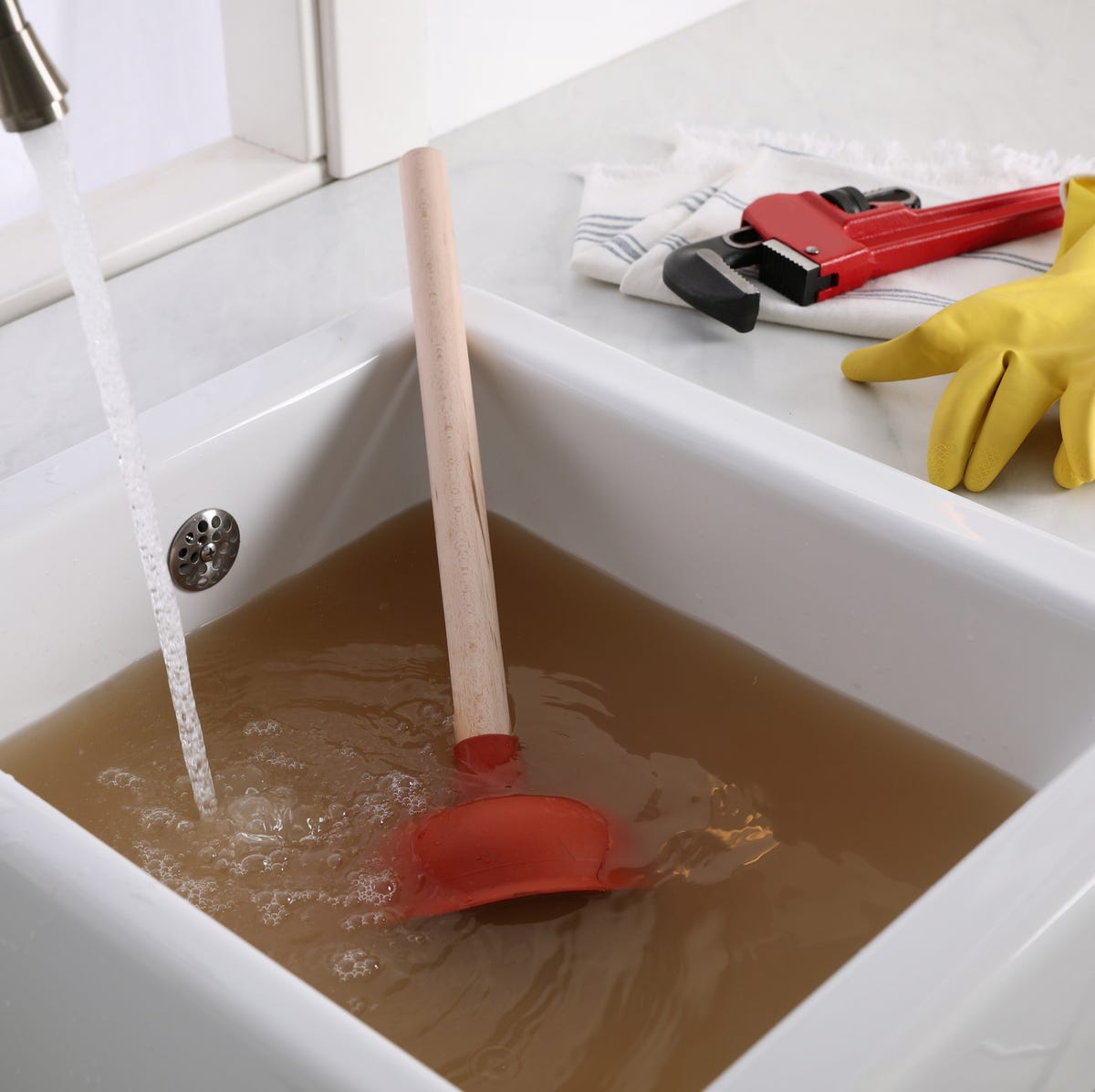
Is your kitchen sink clogged and causing frustration? You might be wondering, "Can I use a plunger on a kitchen sink?"
The good news is, you don't have to call a plumber right away. With the right approach, a simple plunger could be the quick fix you need to clear that blockage. You'll discover how to use a plunger effectively on your kitchen sink, what to watch out for, and when it’s time to seek professional help.
Keep reading to save time, avoid mess, and get your sink draining smoothly again.
Credit: shopping.yahoo.com
When To Use A Plunger
Knowing when to use a plunger on a kitchen sink saves time and effort. Not every clog needs a plunger. Some blockages clear with simple cleaning or running hot water. A plunger works best on clogs caused by minor blockages. It helps push the clog through the pipes. Using a plunger at the right moment avoids damage to your sink and pipes.
Identifying Kitchen Sink Clogs
Clogs happen when food scraps, grease, or soap build up. Water drains slowly or pools in the sink. Strange noises like gurgling may come from the drain. Smells from the drain can signal a clog. Sometimes water backs up into the sink. These signs show a blockage in the pipes. The clog might be near the drain or further inside the pipe.
Signs A Plunger Can Help
The sink fills with water but drains slowly. Water does not drain at all but is not overflowing. The clog feels soft and not stuck by solid objects. No strong chemical or mechanical blockage is suspected. You have checked the sink trap and it is clear. The plunger can push the clog forward or break it up. Avoid plungers if the sink is cracked or leaking.
Choosing The Right Plunger
Choosing the right plunger can make all the difference when you're dealing with a clogged kitchen sink. Not every plunger is designed for the same type of drain, and using the wrong one might just make the problem worse. Understanding the types of plungers available helps you pick the best tool for your sink and get things flowing smoothly again.
Types Of Plungers
There are mainly two types of plungers you’ll find in stores:
- Flat-bottom plungers:These have a simple rubber cup with a flat edge, designed mostly for sinks and flat surfaces.
- Flange plungers:These have an extra rubber flap (flange) that extends from the cup, perfect for toilets and pipes with curved openings.
Flat-bottom plungers work well on kitchen sinks because they create a tight seal on flat surfaces. Flange plungers, while great for toilets, might not fit well on a sink drain and can lose suction.
Best Plunger For Kitchen Sinks
For your kitchen sink, a flat-bottom or cup plunger is usually the best choice. It fits snugly over the drain opening and allows you to generate the pressure needed to clear blockages.
If your sink has a garbage disposal, avoid plungers with a flange or those designed only for toilets — they won’t seal properly. Instead, look for a sturdy cup plunger with a wooden or plastic handle for better grip.
Think about the size of your sink drain too. A plunger that’s too large or too small will fail to create the necessary suction. Have you checked your plunger’s fit before plunging? A quick test by pressing it against the drain can save you time and frustration.
Preparing Your Sink For Plunging
Clear the sink of dishes and food debris before plunging. Plug the overflow hole with a wet cloth to create a tight seal. Fill the sink with enough water to cover the plunger’s cup for better suction.
Preparing your kitchen sink for plunging is crucial. A proper setup ensures effective plunging. Start by organizing the sink area. This helps in achieving a tight seal and effective pressure. Let’s dive into the steps needed for a successful plunging experience.
Clearing The Sink Area
Remove all dishes and utensils from the sink. Clear the surrounding countertop too. This prevents any obstruction during plunging. It also ensures a clean workspace. Wipe down any spills or debris. This keeps the area hygienic and ready for action.
Sealing The Overflow Drain
The overflow drain can hinder plunging success. Use a wet cloth to seal it tightly. This helps maintain pressure inside the sink. A secure seal boosts plunging efficiency. Ensure no air escapes for best results.

Credit: www.drano.com
Plunging Techniques That Work
Knowing how to use a plunger correctly can save you from a messy and costly kitchen sink clog. The right technique improves your chances of clearing the blockage quickly and efficiently. Let’s look at two crucial aspects: proper plunger placement and effective pumping motions.
Proper Plunger Placement
Positioning the plunger correctly is key. Place the rubber cup directly over the drain opening to create a tight seal. Without a good seal, you lose the pressure needed to dislodge the clog.
If your sink has a built-in strainer or stopper, remove it first. Make sure there’s enough water in the sink to cover the plunger’s cup; this helps maintain suction. Have you checked if your plunger fits your kitchen sink drain properly? Using the wrong size can reduce effectiveness.
Effective Pumping Motions
Once sealed, use steady and controlled pumping actions. Push down and pull up firmly but avoid lifting the plunger completely off the drain. This maintains the pressure and suction cycle needed to break up clogs.
Start with about 10 to 15 pumps and then quickly pull the plunger away to see if water drains. If not, repeat the process after a short pause. Do you notice any change after the first few pumps? Sometimes, gradual effort is more effective than forceful pushing.
When To Avoid Using A Plunger
Using a plunger on a kitchen sink is common for minor clogs. Yet, some situations call for caution. Knowing when to avoid plunging helps protect your plumbing and home.
Signs Of Severe Blockages
Strong odors coming from the drain suggest deep clogs. Water that drains very slowly or not at all signals a major blockage. Gurgling sounds in other drains show pressure buildup. Multiple sinks or appliances backing up at once mean a serious issue. These signs mean a plunger might not clear the problem.
Potential Damage Risks
Using a plunger on fragile pipes can cause leaks or cracks. Old or corroded plumbing is especially vulnerable to pressure. If your sink has a garbage disposal, plunging might harm its parts. Excessive force can push the clog deeper into the pipes. Avoid plunging if you see water leaks or hear unusual noises during use.

Credit: www.reddit.com
Alternative Methods For Kitchen Sink Clogs
Kitchen sink clogs can be stubborn and annoying. A plunger might not always solve the problem. There are several alternative methods to try before calling a plumber. These options can save time and money while keeping your sink running smoothly.
Using Baking Soda And Vinegar
Baking soda and vinegar create a natural cleaning reaction. Pour half a cup of baking soda down the drain. Follow with half a cup of vinegar. Let the mixture sit for 15 to 30 minutes. Then, flush with hot water. This helps break down grease and minor blockages. It is safe for pipes and the environment.
Chemical Drain Cleaners
Chemical drain cleaners can clear tough clogs quickly. Use products designed specifically for kitchen sinks. Follow the instructions carefully on the label. Avoid mixing different chemicals as this can cause dangerous reactions. Wear gloves and keep the area ventilated. Use chemical cleaners sparingly to protect your pipes.
Calling A Professional
Sometimes clogs need expert attention. A professional plumber has tools and knowledge to fix deep blockages. They can diagnose issues beyond simple clogs. Calling a professional prevents damage and saves time. It is the safest option for persistent or severe problems.
Maintaining A Clog-free Kitchen Sink
Maintaining a clog-free kitchen sink keeps your daily chores smooth and stress-free. A clean sink prevents water backup and bad smells. Small habits and regular cleaning can stop clogs before they start. Simple steps protect your pipes and save you repair costs.
Regular Cleaning Tips
- Flush the drain with hot water weekly to clear grease.
- Use a mixture of baking soda and vinegar monthly to break down buildup.
- Remove food scraps from the sink after washing dishes.
- Clean the sink strainer to catch debris and prevent blockages.
- Wipe down the sink surface to avoid mold and mildew growth.
Preventive Habits
- Avoid pouring grease or oil down the drain.
- Use a drain strainer to catch food particles.
- Dispose of coffee grounds and egg shells in the trash, not the sink.
- Run cold water while using the garbage disposal to keep it clear.
- Check pipes regularly for leaks or slow drainage signs.
Frequently Asked Questions
Can I Use A Plunger On A Kitchen Sink Clog?
Yes, a plunger is effective for minor kitchen sink clogs. Ensure there is enough water to cover the plunger cup. Use firm, consistent plunges to dislodge the blockage quickly and safely.
What Type Of Plunger Works Best For Kitchen Sinks?
A cup plunger with a flat bottom works best for kitchen sinks. Avoid flange plungers designed for toilets. The cup plunger creates a tight seal around the drain, allowing better pressure to clear clogs.
How Do I Prepare My Kitchen Sink Before Plunging?
Remove any standing water or dishes before plunging. Ensure the sink drain is partially filled with water. Block the overflow hole or second basin opening to maintain pressure while plunging.
When Should I Avoid Using A Plunger On A Kitchen Sink?
Avoid plunging if the clog is caused by grease buildup or solid objects. In such cases, use a drain snake or call a plumber to prevent damage or worsening the clog.
Conclusion
Using a plunger on a kitchen sink can often clear simple clogs. Make sure to seal the drain well before plunging. Avoid using too much force to prevent damage. If the clog stays, it might need a different tool or a plumber’s help.
Regular cleaning helps keep your sink draining smoothly. A plunger is a handy, easy tool for many sink problems. Try it first and see if it works for you.