
Have you ever wondered what happens to your kitchen sponge after it’s worn out? You use it every day to clean your dishes and countertops, but when it’s time to toss it, do you know if it can be recycled?
Your kitchen sponge might seem like just another piece of trash, but understanding whether it’s recyclable can make a big difference for your home and the planet. Keep reading to discover the surprising facts about kitchen sponges and learn how you can make smarter choices that help reduce waste.
This simple knowledge could change the way you handle your cleaning routine forever.

Credit: www.regn.co.uk
Kitchen Sponge Materials
Understanding what kitchen sponges are made of helps you decide if they can be recycled or not. The materials influence not only their cleaning power but also their environmental impact. Let’s look at the types of sponges you probably use every day and some greener alternatives available now.
Common Sponge Types
Most kitchen sponges are made from synthetic materials like polyurethane foam or polyester. These materials are durable and absorbent, which makes cleaning easier. However, they are not biodegradable and usually cannot be recycled through regular curbside programs.
Synthetic sponges often contain abrasive surfaces made from nylon or plastic fibers to help scrub tough stains. While effective, these materials break down into microplastics over time, which can harm the environment. Have you ever wondered where your old sponge ends up after you throw it away?
Biodegradable Options
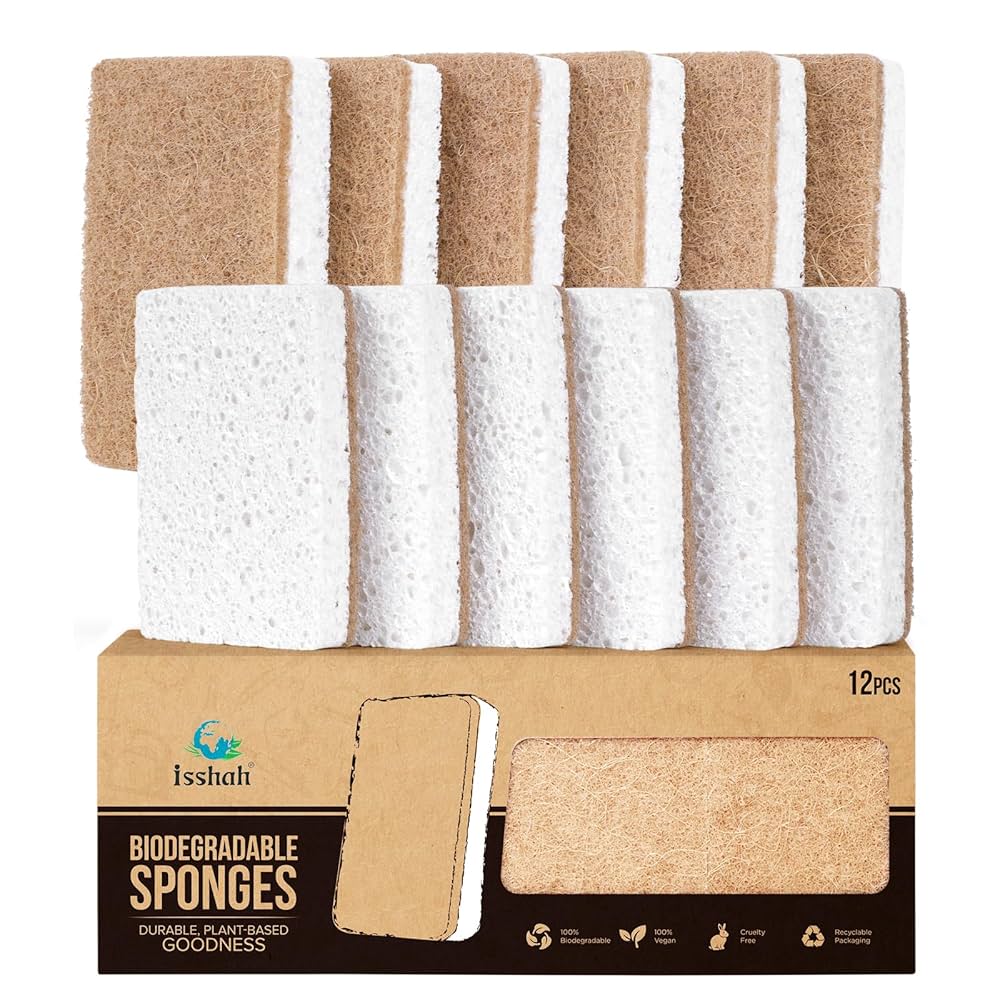
Biodegradable kitchen sponges are made from natural materials such as cellulose, cotton, or coconut fibers. These options break down naturally and are better for composting if you want to reduce waste. You can even find sponges infused with antimicrobial agents derived from plants, which help keep them fresh longer.
Switching to biodegradable sponges can be a small change with a big impact. They work well for everyday cleaning and give you peace of mind about your environmental footprint. Could this be the practical switch your kitchen needs?

Credit: www.amazon.com
Recycling Challenges
Recycling kitchen sponges presents several challenges that make the process difficult. These challenges affect whether sponges can be accepted by recycling programs and how they are processed. Understanding these obstacles helps explain why many sponges end up in landfills.
Material Contamination
Kitchen sponges often contain food particles and grease. These residues can contaminate recycling streams. Contaminated materials require extra cleaning, which is costly and time-consuming. Many recycling centers reject sponges due to this contamination risk. The mixed materials inside sponges make them hard to separate and recycle.
Lack Of Facilities
Few recycling facilities accept kitchen sponges. Sponges are made from synthetic fibers and plastics that need special processing. Most local recycling programs do not have the equipment to handle them. Without proper facilities, sponges cannot be recycled effectively. This lack of infrastructure limits recycling options for consumers.
Eco-friendly Disposal Methods
Eco-friendly disposal methods help reduce waste and protect the environment. Choosing the right way to dispose of kitchen sponges matters. Many kitchen sponges are made from synthetic materials that do not break down easily. This makes recycling them difficult in most places.
There are better options than just throwing sponges in the trash. Some natural sponges and alternatives offer more eco-friendly disposal choices. These methods help lower landfill waste and support sustainability.
Composting Natural Sponges
Natural sponges come from sea plants or natural fibers. They break down more quickly than synthetic sponges. Composting these sponges is an excellent way to dispose of them.
- Cut the sponge into small pieces.
- Place pieces in your compost bin.
- Mix well with other organic waste like food scraps and leaves.
- Avoid composting sponges with chemicals or synthetic parts.
Composting returns nutrients to the soil and reduces waste. This method is safe and natural for most garden compost systems.
Trash Alternatives
Not all sponges can be composted or recycled. Some options reduce waste and avoid landfills.
- Repurpose old sponges as cleaning rags for non-food areas.
- Use them for craft projects or gardening tasks.
- Choose biodegradable or plant-based sponges to ease disposal.
- Look for local programs that accept sponge recycling or reuse.
These alternatives extend the life of sponges and limit trash output. Small actions can make a big difference in waste management.
Credit: theseepcompany.com
Sustainable Sponge Choices
Choosing the right kitchen sponge impacts the environment. Many traditional sponges are made from synthetic materials. These do not break down easily and add to landfill waste. Sustainable sponge choices offer a better way. They reduce pollution and last longer. These options help save resources and keep kitchens green.
Reusable Cloth Alternatives
Reusable cloths replace disposable sponges well. They dry quickly, reducing bacteria growth. Cloths made from cotton or microfiber work best. Wash them often to keep clean. They last for months and cut waste. Small changes like this help the planet a lot.
Plant-based Sponges
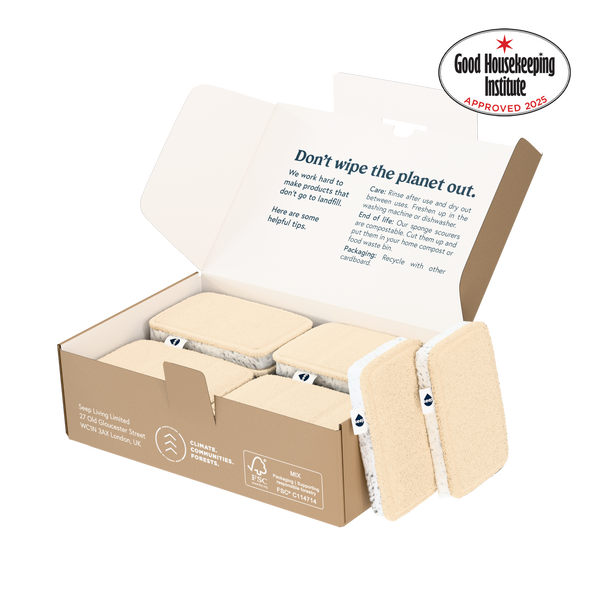
Plant-based sponges come from natural materials like cellulose or seaweed. These sponges break down faster than plastic ones. They are biodegradable and compostable. Some have scrubbing layers made from coconut fibers. They clean dishes effectively without harsh chemicals. Using plant-based sponges lowers plastic pollution significantly.
Extending Sponge Life
Kitchen sponges are essential tools in many households. Yet, their lifespan is often short. By extending their life, you can save money and reduce waste. Here, we explore ways to care for your sponges effectively. This not only helps the environment but also keeps your kitchen clean.
Proper Cleaning Tips
Cleaning your sponge regularly is crucial. Boil sponges in hot water for 5 minutes. This kills germs and bacteria. Alternatively, place them in the microwave for 2 minutes. Ensure the sponge is damp before microwaving. Another method is soaking them in vinegar overnight. This removes odors and disinfects. Choose a method that suits your routine.
Storage Best Practices
Proper storage can extend sponge life. Keep sponges in a dry place. Avoid leaving them in a wet sink. Use a rack to allow air circulation. This prevents mold and bacteria growth. Replace sponges every month for hygiene. Monitor their condition regularly to decide when to discard.
Diy Eco Sponges
DIY eco sponges offer a green alternative to store-bought kitchen sponges. They reduce waste and use natural materials. These sponges are safe for the environment and your home. Making your own sponge helps cut down on plastic use. It also lets you customize the sponge to your needs.
Materials Needed
- Natural cellulose sponge or cotton fabric
- Organic cotton yarn or hemp twine
- Scissors
- Needle (for sewing)
- Essential oils (optional for scent)
- Baking soda (optional for extra cleaning)
Simple Crafting Steps
- Cut the fabric or cellulose sponge to a hand-friendly size.
- If using fabric, fold and sew edges to prevent fraying.
- Add a few drops of essential oil for a fresh scent.
- Wrap yarn or twine around the sponge for better grip.
- Mix baking soda with a bit of water to create a paste.
- Apply paste on sponge surface for extra scrubbing power.
- Let the sponge dry completely before use.
Frequently Asked Questions
Are Kitchen Sponges Recyclable Through Regular Recycling?
Most kitchen sponges are not recyclable in regular curbside programs. They contain mixed materials that complicate recycling processes. Specialized recycling programs are needed to handle them safely and effectively.
How Can I Recycle Kitchen Sponges Responsibly?
You can recycle kitchen sponges through specific programs like TerraCycle. These initiatives collect used sponges and recycle them properly. Check local options or mail-in programs for sponge recycling.
Can Biodegradable Sponges Reduce Waste?
Yes, biodegradable sponges break down naturally and reduce landfill waste. They are made from natural materials like cellulose, which composts easily. Switching to biodegradable options supports eco-friendly kitchen habits.
What Are Alternatives To Disposable Kitchen Sponges?
Alternatives include reusable cloths, silicone scrubbers, and bamboo brushes. These options last longer and can be cleaned thoroughly. Using them helps minimize sponge waste and environmental impact.
Conclusion
Kitchen sponges are mostly not recyclable through regular programs. They often contain mixed materials that are hard to separate. Some brands offer special recycling options for their sponges. Compostable or biodegradable sponges are better for the environment. Try to replace sponges less often by cleaning them well.
Proper disposal helps reduce waste and pollution. Small changes in daily habits make a big difference. Choose eco-friendly options when possible to protect nature. Keep your kitchen clean and green at the same time.