
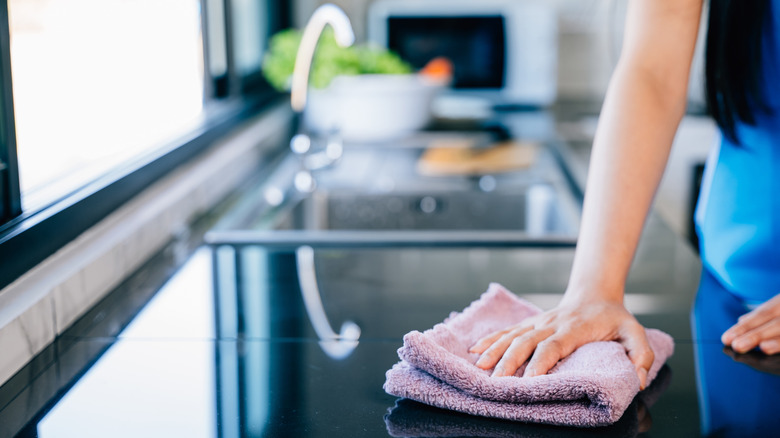
Your kitchen cloth works hard every day, soaking up spills and wiping away messes. But how often do you stop to clean it properly?
If you’re like most people, you might just toss it in the laundry without a second thought. The truth is, a dirty kitchen cloth can harbor germs and odors that spread around your kitchen. You deserve a clean, fresh cloth that keeps your space safe and hygienic.
Keep reading to discover simple, effective ways to clean your kitchen cloth so it stays fresh and ready for every task.

Credit: us.e-cloth.com
Choosing The Right Kitchen Cloth
Choosing the right kitchen cloth can make a big difference in maintaining cleanliness and hygiene in your kitchen. It’s not just about grabbing any cloth lying around; the type and material of the cloth affect how well it cleans and how long it lasts. Let’s look at what options you have and how to pick the best one for your needs.
Types Of Kitchen Cloths
There are several types of kitchen cloths available, each designed for specific tasks:
- Dishcloths:Used mainly for washing dishes and wiping counters. They are usually lightweight and absorbent.
- Tea Towels:Often made from linen or cotton, ideal for drying dishes and hands.
- Microfiber Cloths:Great for streak-free cleaning and absorbing spills quickly.
- Scrubbing Cloths:Thicker and sometimes textured, perfect for tougher cleaning jobs.
Choosing the right type depends on what tasks you need the cloth to handle most often.
Materials And Their Benefits
Materials affect durability, absorbency, and ease of cleaning. Cotton is popular because it’s soft, durable, and easy to wash. Linen dries quickly and resists bacteria better than cotton.
Microfiber is excellent for picking up dirt and grime without chemicals. It’s lightweight and dries fast but can be less durable over time. Bamboo fiber cloths offer natural antibacterial properties and are eco-friendly, though they may cost more.
Think about what matters most to you: absorbency, quick drying, or natural antibacterial features.
Replacing Old Towels
Old kitchen cloths can harbor bacteria and lose their effectiveness. If your cloth smells even after washing or has a worn texture, it’s time to replace it. Using old, stained towels can spread germs instead of cleaning.
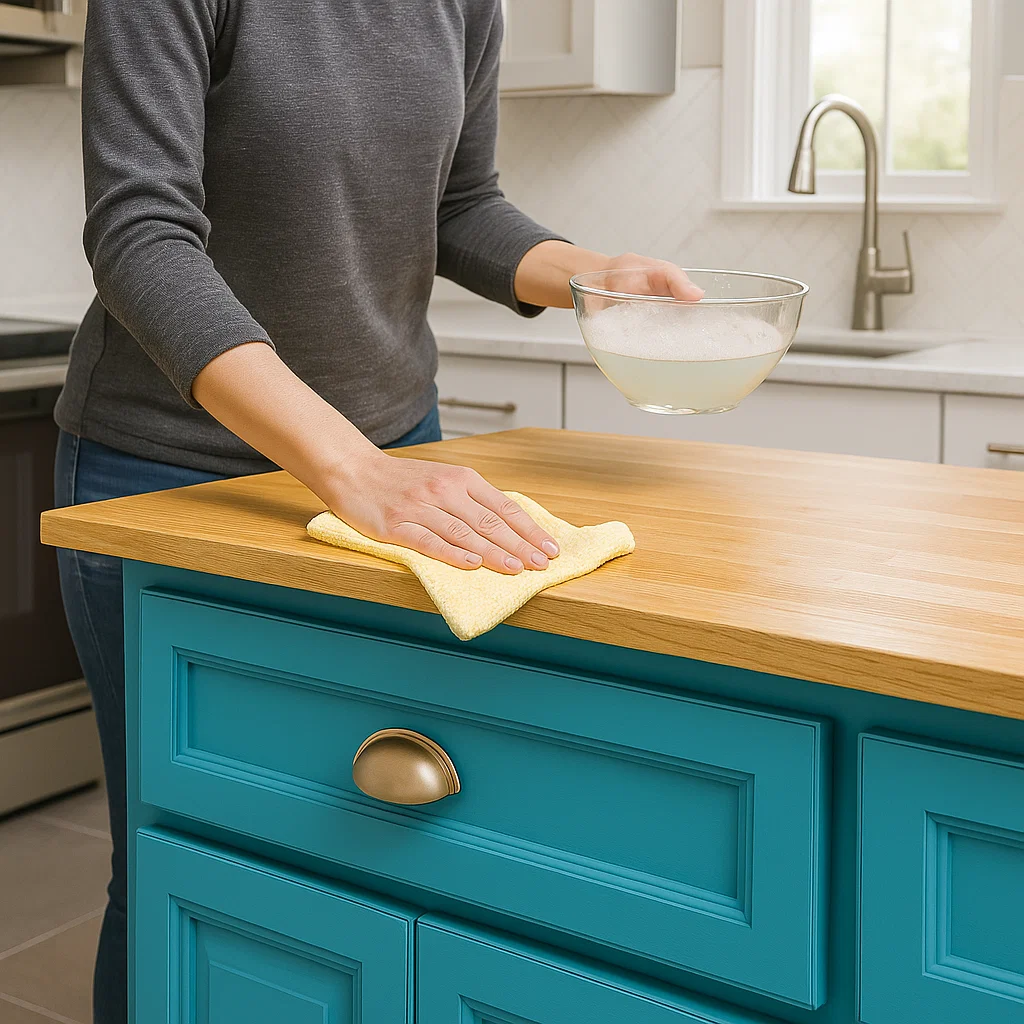
Keep a rotation system: use a cloth for a few days, then wash it thoroughly and replace it with a fresh one. This simple habit helps keep your kitchen cleaner and your cloths working their best.
Ask yourself—how often do you really replace your kitchen cloths? Could a new schedule improve your kitchen hygiene?
Credit: www.aosom.com
Prepping Cloths For Cleaning
Getting your kitchen cloths ready before washing can make a big difference in how clean and fresh they come out. Proper prepping saves you time and effort later, and it helps keep the fabric in good shape. Let’s look at how you can set up your cloths for the best cleaning results.
Sorting By Color And Fabric
Sorting your kitchen cloths is an important first step. Separate them by color to avoid any dye transfer—keep whites, darks, and bright colors apart. This simple habit prevents those annoying stains that don’t come out easily.
Fabric type also matters. Thicker cloths like terry towels need different care than delicate microfiber or cotton blends. Washing similar fabrics together helps maintain their texture and durability. Have you noticed how some cloths feel rougher after washing with heavier items?
Removing Stains Before Wash
Stains on kitchen cloths can be stubborn if you skip pretreatment. It’s best to tackle spills and spots as soon as possible. Applying a bit of dish soap or a stain remover directly on the stained area loosens grime before washing.
For greasy stains, sprinkle some baking soda or use a small amount of vinegar before washing. Let it sit for 10-15 minutes to break down the oils. Have you tried this trick? It works wonders and saves you from rewashing.
Washing Methods
Soaking kitchen cloths in hot water with detergent helps remove dirt and stains effectively. Regular washing in warm water kills germs and keeps cloths fresh. Air drying in sunlight boosts cleanliness by reducing bacteria.
Cleaning kitchen cloths effectively is essential for maintaining a hygienic cooking environment. Different washing methods can be employed to ensure your cloths are spotless and bacteria-free. Whether you prefer using a machine or washing by hand, understanding the best techniques is crucial.
Machine Washing Tips
Using a washing machine is a convenient way to clean kitchen cloths. Always opt for a hot water cycle to effectively kill germs and bacteria. Add a cup of white vinegar to the rinse cycle for an extra cleaning boost and to remove any lingering odors. Pre-treating stains can make a significant difference. Apply a small amount of liquid detergent directly onto stains before tossing the cloths into the machine. Remember to avoid overloading the washer to ensure each cloth gets thoroughly cleaned.
Hand Washing Techniques
Hand washing is perfect for delicate cloths or quick cleaning. Fill a basin with warm water and add a few drops of dish soap. Scrub the cloths gently, focusing on stained areas. Rinsing is key. Ensure all soap is washed away to prevent residue build-up. Wring out excess water and hang the cloths to dry in a sunny spot to naturally disinfect.
Using Hot Water Effectively
Hot water is your ally in killing bacteria and removing tough stains. Ensure the water temperature is at least 60°C (140°F) for optimal results. This is especially important for cloths used to wipe raw meat surfaces. Be cautious with colored fabrics. High temperatures can cause fading, so it's wise to separate whites from colored cloths. If you're worried about fabric shrinkage, a quick rinse in cold water afterwards can help maintain the cloth's shape. Are you using hot water to its full potential in your cleaning routine? Adjusting a few degrees might just be the secret to fresher, cleaner kitchen cloths.
Choosing The Right Detergents And Additives
Choosing the right detergents and additives plays a key role in cleaning kitchen cloths effectively. The right products remove stains, odors, and bacteria without damaging the fabric. Some detergents work better on grease, while others focus on disinfecting. Picking the best option protects your cloths and keeps your kitchen hygienic.
Best Detergents For Kitchen Cloths
Choose detergents designed to cut through grease and food stains. Look for ones that mention stain removal and odor control on the label. Powder detergents often clean better on tough stains. Liquid detergents dissolve fast and work well in cold water. Avoid detergents with bleach if your cloths have bright colors. Use the right amount to avoid residue buildup on the fabric.
Natural Cleaning Alternatives
Natural cleaners offer a gentle yet effective way to clean kitchen cloths. Soap nuts and castile soap are plant-based options that clean well. Lemon juice helps brighten cloths and remove stains. These alternatives reduce exposure to harsh chemicals. They also work well for sensitive skin and eco-friendly households. Use them regularly to keep cloths fresh and soft.
Disinfecting With Vinegar And Baking Soda
White vinegar kills bacteria and removes odors from kitchen cloths. Baking soda helps lift dirt and soften fabric. Mix vinegar with water as a rinse to disinfect. Sprinkle baking soda on cloths before washing to boost cleaning power. Both are affordable and safe for most fabrics. Use these additives often to keep cloths sanitary and smelling clean.
Drying And Storing Kitchen Cloths
Drying and storing kitchen cloths properly keeps them fresh and long-lasting. Damp cloths breed bacteria and bad smells quickly. Proper drying stops mildew growth and maintains cloth quality. Correct storage prevents dirt and dust from settling on clean cloths.
Air Drying Vs. Machine Drying
Air drying kitchen cloths is gentle and saves energy. It helps maintain fabric softness and avoids shrinking. Hang cloths in a well-ventilated area. Avoid folding or piling them while wet.
Machine drying is faster and convenient. Use a low heat setting to protect the cloth fibers. Overdrying can cause damage and reduce cloth life.
Preventing Odors And Mildew
Dry cloths thoroughly before storing. Even slight dampness causes mildew and odors. Spread cloths out or use a drying rack for better airflow. Wash cloths regularly to remove bacteria. Avoid leaving cloths balled up or in a damp sink.
Proper Storage Tips
- Store cloths in a dry, clean drawer or cupboard.
- Keep cloths folded neatly or rolled to save space.
- Use breathable containers or baskets to avoid moisture buildup.
- Separate clean and used cloths to avoid cross-contamination.
- Replace cloths that smell or look worn out.
Maintaining Freshness Between Washes
Keeping your kitchen cloth fresh between washes can save you time and keep your kitchen hygienic. It’s easy to let cloths sit and develop odors, but with the right habits, you can maintain cleanliness daily. Let’s look at practical ways to keep your kitchen cloth smelling fresh and ready for use.
Daily Care Habits
After each use, rinse your kitchen cloth thoroughly with hot water to remove food particles and grease. Wring it out completely to avoid moisture buildup, which encourages bacteria growth. Hang the cloth in a well-ventilated spot where it can dry quickly—avoid folding or leaving it in a damp pile.
Consider dedicating a separate cloth for different tasks like wiping counters, drying dishes, and handling spills. This reduces cross-contamination and helps each cloth stay fresher longer. You might be surprised how much fresher a cloth feels when used for just one purpose.
Quick Refresh Methods
Need to freshen your cloth without a full wash? Spritz it with a mixture of water and a few drops of lemon juice or white vinegar. These natural ingredients help neutralize odors and kill some bacteria.
Another quick trick is to dampen the cloth and microwave it for about 30 seconds. This heats the cloth enough to reduce germs and refresh the fabric. Just be sure the cloth doesn’t contain any metal and is microwave-safe.
Do you ever try tossing your cloth in the dishwasher for a quick clean? It’s a great alternative if you run one regularly, especially on the top rack where it gets hot and steamed.
When To Replace Kitchen Cloths
Even with good care, kitchen cloths don’t last forever. If you notice persistent odors, discoloration, or fabric thinning despite washing, it’s time to replace them. Using worn-out cloths can spread bacteria instead of cleaning effectively.
Pay attention to how your cloth feels—if it’s rough or stiff after washing, it may have lost its absorbency. Fresh cloths not only clean better but also make your kitchen tasks more pleasant. How often do you replace your kitchen cloths? Making a habit of checking their condition can keep your kitchen healthier.
:max_bytes(150000):strip_icc()/9ThingsYouShouldCleaninYourKitchenEveryWeek-28c9ca430069452181b75b201c65d16e.jpg)
Credit: www.eatingwell.com
Frequently Asked Questions
How Often Should I Wash Kitchen Cloths?
Wash kitchen cloths after every use or at least daily. Frequent washing prevents bacteria buildup and bad odors. Use hot water and detergent for effective cleaning.
Can I Use Bleach To Clean Kitchen Cloths?
Yes, bleach can disinfect kitchen cloths. Use diluted bleach carefully to avoid fabric damage. It kills germs and removes tough stains effectively.
What Is The Best Way To Dry Kitchen Cloths?
Air drying in sunlight is best for kitchen cloths. Sunlight naturally disinfects and removes odors. Avoid damp environments to prevent mildew growth.
How Do I Remove Stubborn Stains From Kitchen Cloths?
Pre-soak cloths in warm water with baking soda or vinegar. Gently scrub stains before washing. This method lifts stains without harsh chemicals.
Conclusion
Keeping your kitchen cloth clean helps stop germs from spreading. Wash it regularly with hot water and soap. Dry it fully before using again. Avoid using the same cloth for too long. Change cloths often to keep your kitchen fresh.
Clean cloths make cooking safer and more pleasant. Small steps lead to a healthier home. Take care of your kitchen cloths daily. It pays off in cleanliness and safety.