
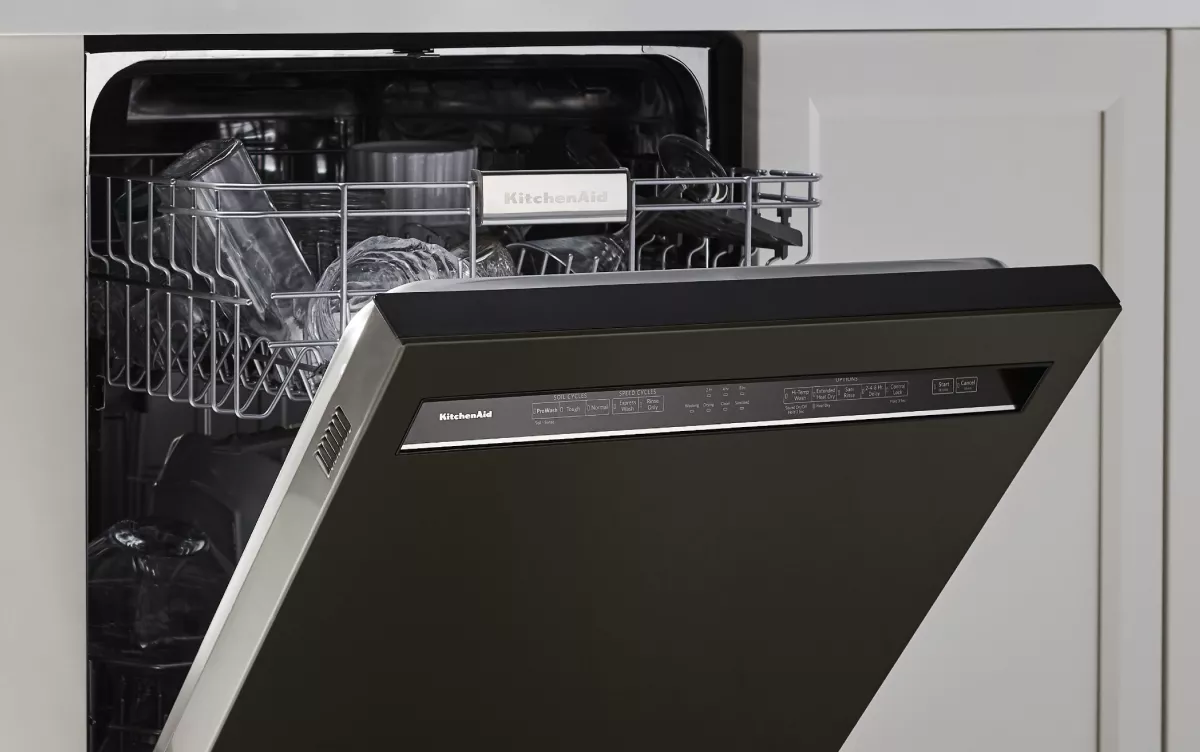
Are you ready to make dishwashing easier and more efficient? Your KitchenAid dishwasher is designed to save you time and effort, but only if you know how to use it properly.
In this guide, you’ll discover simple steps and insider tips to get the best clean every time. Whether you're new to your dishwasher or want to improve its performance, this article will help you unlock its full potential. Keep reading to transform your kitchen routine and enjoy spotless dishes with less hassle.
Getting Started With Your Kitchen Aid Dishwasher
Getting started with your Kitchen Aid dishwasher is easier than you might think. Understanding how to load dishes, pick the right detergent, and select the best wash cycle can save you time and improve cleaning results. Let’s dive into these essential steps so your dishwasher works at its best every time.
Loading Dishes Efficiently
Properly loading your dishwasher can make a big difference in how clean your dishes come out. Place larger items like pots and pans on the bottom rack, angled downwards to let water reach all surfaces.
Keep plates and bowls separated to avoid blocking water spray. Glasses and cups should go on the top rack, facing down to prevent water pooling. Avoid overcrowding—can you fit everything without stacking? If not, spread out the load for better results.
Choosing The Right Detergent
Kitchen Aid dishwashers perform best with detergent designed for automatic dishwashers. Powder, gel, or pods all work, but pods often give a consistent dose without mess.
Check if your water is hard or soft—hard water may need detergent with a water softener. Also, avoid using regular dish soap; it creates too many suds and can cause leaks. Have you noticed residue or spots after a cycle? That might be a sign to switch detergents or adjust the amount used.
Selecting The Best Wash Cycle
Your dishwasher offers several wash cycles tailored to different needs. Use “Normal” for everyday loads with typical food residue.
For heavily soiled pots or casserole dishes, the “Heavy” or “Pots & Pans” cycle uses more water and higher temperatures to tackle tough grime. Quick wash cycles save time but work best on lightly soiled dishes. Which cycle matches your load today? Choosing the right one ensures efficient cleaning without wasting energy or water.
Optimizing Dishwasher Performance
Optimizing your Kitchen Aid dishwasher's performance can make a significant difference in how clean and fresh your dishes come out. Small adjustments and thoughtful use of features can save you time, energy, and even money. Have you ever wondered if your dishwasher is truly working at its best? Let’s dive into ways to get the most out of your appliance.
Adjusting Racks For Different Items
Your Kitchen Aid dishwasher racks are designed to be flexible. Adjusting them to fit different types of dishes can improve water flow and cleaning efficiency. For taller items like pots or cutting boards, try lowering the top rack or folding down tines to create more space.
Plates and bowls fit best when placed upright and evenly spaced. Avoid overcrowding, which can block water jets. I once struggled with stubborn stains on my baking sheets until I realized that adjusting the bottom rack gave them better coverage.
Using The Extra Features
Kitchen Aid dishwashers often come with handy extra features like the ProScrub® option or a heated dry cycle. Using these selectively can boost cleaning power without wasting resources.
- ProScrub®:Ideal for heavily soiled pots and pans, it targets tough grime with extra scrubbing action.
- Heated Dry:Helps prevent water spots and speeds up drying, especially useful if you don’t want to hand dry afterwards.
- Sanitize Cycle:Great for baby bottles or cutting boards to kill bacteria.
Think about the type of load you have—do you really need these features every time? Using them only when necessary saves energy and extends your dishwasher’s life.
Maintaining Proper Water Temperature
The temperature of your water supply directly affects how well your dishwasher cleans. Kitchen Aid recommends water temperature between 120°F and 140°F for optimal performance.
Too cold, and detergent won’t dissolve properly; too hot, and you risk damaging plastic items. You can check your water heater settings at home or run the hot water in your sink until it’s really hot before starting the dishwasher.
Have you noticed your dishes aren’t as clean as they should be? Adjusting your water temperature might be the simple fix you need.
Troubleshooting Common Issues
Common dishwasher problems often include poor cleaning and drainage issues. Checking filters, spray arms, and door seals helps solve many of these quickly. Resetting the machine can fix minor errors without calling for repairs.
Troubleshooting common issues with your Kitchen Aid dishwasher can save you time and frustration. Whether you're dealing with residue on your dishes, drainage problems, or strange noises, understanding how to tackle these problems effectively can make a significant difference in your dishwashing experience. These solutions can help ensure your dishwasher runs smoothly and efficiently.
Dealing With Residue And Spots
Finding residue or spots on your dishes can be frustrating after running a full cycle. To address this, consider checking the detergent you're using. Sometimes, switching to a different brand or type, such as a gel or powder, can yield better results. Ensure your rinse aid dispenser is filled, as this helps prevent water spots. Regularly cleaning the filter and checking the spray arms for blockages can also improve cleaning performance. Have you noticed if your water temperature is too low? Adjusting your water heater to the recommended 120°F can enhance cleaning effectiveness.
Fixing Drainage Problems
If water is pooling at the bottom of your dishwasher, it might be a drainage issue. Inspect the drain hose for any kinks or obstructions, as these can prevent water from leaving the appliance. A simple adjustment or cleaning might be all it takes. Check the dishwasher’s filter for debris, as a clogged filter can also hinder proper drainage. Have you ever tried running a cleaning cycle with a dishwasher cleaner? This can help clear any buildup that might be causing blockages.
Handling Unusual Noises
Unusual noises from your dishwasher can be alarming, but they often have simple explanations. First, check that no utensils or dishes are obstructing the spray arms, as this is a common cause of rattling sounds. Ensuring that your dishwasher is level can also prevent excessive noise during operation. Inspect the pump and motor for any visible issues, as these components can sometimes be the source of the noise. Is there a buzzing sound? It might be worth looking into the water inlet valve, as it could be malfunctioning or clogged. Taking the time to troubleshoot these common issues can help you maintain your Kitchen Aid dishwasher in peak condition. Remember, routine maintenance and timely solutions can extend the lifespan of your appliance and keep your kitchen running smoothly.

Credit: www.youtube.com
Cleaning And Maintaining Your Dishwasher
Keeping your Kitchen Aid dishwasher clean and well-maintained ensures it runs efficiently and lasts longer. Dirt, food particles, and mineral buildup can reduce its performance and cause unpleasant odors. Taking time regularly to care for your dishwasher helps you avoid costly repairs and keeps your dishes sparkling.
Regular Filter Cleaning
The filter traps food debris to prevent it from recirculating during a wash cycle. Over time, this filter can clog, reducing water flow and cleaning power. You should remove and rinse the filter under warm water every one to two weeks to clear away trapped particles.
Use a soft brush to gently scrub the mesh screen if it looks greasy or sticky. A clean filter improves drainage and helps your dishwasher run smoothly. Have you checked your filter recently? It might be hiding a lot more buildup than you realize.
Descaling And Removing Odors
Hard water minerals can build up inside your dishwasher, causing white spots on dishes and reducing efficiency. Descaling the machine every few months prevents this buildup. You can use a dishwasher-safe descaler or run an empty cycle with a cup of white vinegar placed on the top rack.
Vinegar also helps neutralize odors that develop from trapped food and moisture. Make sure to wipe down the door seals and inside walls with a damp cloth after descaling. This simple step can refresh your dishwasher’s scent and keep it smelling clean.
Inspecting And Replacing Parts
Regularly check parts like spray arms, door gaskets, and racks for wear or damage. Spray arms should spin freely without clogs; remove any debris blocking the holes to maintain water pressure. Worn gaskets can cause leaks, so replace them promptly to avoid water damage.
Look at the racks for rust or broken tines that could scratch your dishes. Replacing these parts might seem minor, but it makes a big difference in how well your dishwasher functions. When was the last time you gave your dishwasher a close inspection?
Energy Saving And Eco-friendly Tips
Saving energy and protecting the environment are important when using your Kitchen Aid dishwasher. Small changes in how you operate it can reduce electricity and water use. These tips help you save money and lessen your home's impact on nature.
Running Full Loads Only
Run the dishwasher only when it is full. This saves energy by using the machine efficiently. Washing small loads wastes water and power. Wait until you have enough dishes to fill the racks. This simple habit cuts down on the number of cycles needed.
Using Eco Cycles
Choose eco or energy-saving cycles on your dishwasher. These settings use lower temperatures and less water. The cycle may take longer but uses less electricity overall. It cleans dishes well without excess energy. Look for the eco button or setting in the user manual.
Reducing Water Consumption
Use the dishwasher’s water-saving features to reduce water use. Avoid pre-rinsing dishes under running water before loading them. Scrape off food scraps instead. This helps the dishwasher clean efficiently without extra water. Also, check for any leaks and fix them quickly to save water.

Credit: www.kitchenaid.com

Credit: www.kitchenaid.com
Frequently Asked Questions
How Do I Start My Kitchen Aid Dishwasher?
To start your Kitchen Aid dishwasher, load dishes properly. Add detergent, close the door, and select a wash cycle. Press the start button to begin cleaning.
What Detergent Works Best In Kitchen Aid Dishwashers?
Use high-quality, dishwasher-specific detergent for the best results. Avoid regular dish soap to prevent excessive suds and damage to the machine.
How Do I Clean My Kitchen Aid Dishwasher Filter?
Remove the bottom rack, locate the filter, and twist it out. Rinse the filter under running water to clear debris, then reinstall it securely.
Can I Run A Kitchen Aid Dishwasher Without Detergent?
Running without detergent is not recommended. Detergent breaks down food particles and removes grease, ensuring clean dishes and preventing buildup inside the dishwasher.
Conclusion
Using your Kitchen Aid dishwasher is simple and saves time. Load dishes carefully for the best cleaning results. Choose the right cycle based on your needs. Regularly check and clean the filter to keep it running well. Always use the recommended detergent for safety and performance.
Small steps lead to clean dishes every time. Enjoy the convenience and ease this dishwasher brings to your kitchen. Keep these tips in mind and your dishwasher will serve you well.