
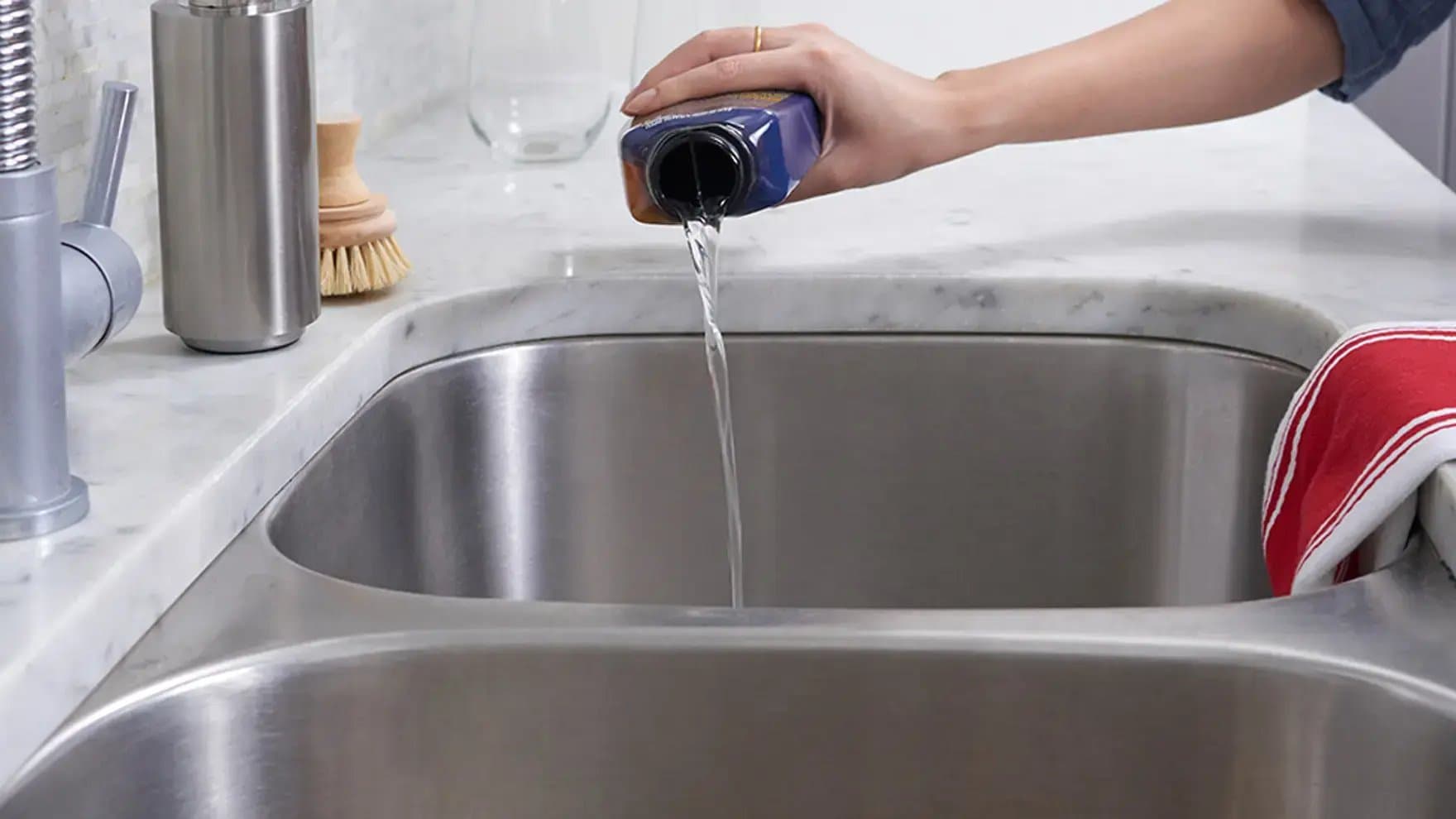
Have you ever faced a clogged kitchen sink and wondered if using drain cleaner is the right fix? You’re not alone.
When water starts to pool and slow down, your first thought might be to grab that bottle of drain cleaner under the sink. But is it safe? Will it actually solve the problem or make things worse? Understanding how drain cleaners work and when to use them can save you time, money, and frustration.
Keep reading to find out everything you need to know before pouring that liquid down your kitchen drain.

Credit: katieskottage.com
How Drain Cleaners Work
Understanding how drain cleaners work can help you decide whether to use them in your kitchen sink. These products rely on chemical reactions to break down clogs and clear your pipes. Knowing the science behind them also helps you use them safely and effectively.
Chemical Reactions Involved
Drain cleaners often contain strong chemicals that react with the materials causing the blockage. Many use alkalis like sodium hydroxide, which generate heat when mixed with water. This heat helps dissolve grease, hair, and other organic matter clogging your drain.
Acid-based cleaners work differently. They burn through clogs by breaking down proteins and fats via acid-base reactions. However, these can be harsh on your pipes if used too frequently or incorrectly.
Have you ever wondered why some drain cleaners fizz or bubble when poured down? That’s a sign of a chemical reaction in action, releasing gases and breaking up the blockage.
Types Of Drain Cleaners
- Caustic Cleaners:These contain strong bases like lye or sodium hydroxide. They generate heat and saponify fats, turning them into soap and water, which flushes the clog away.
- Oxidizing Cleaners:Using chemicals like bleach or peroxides, these add oxygen to the clog, breaking down organic material through oxidation.
- Acidic Cleaners:Often containing sulfuric or hydrochloric acid, they dissolve tough clogs by chemically burning them away.
- Enzymatic Cleaners:These rely on natural enzymes and bacteria to eat away organic waste over time, making them gentler but slower acting.
Each type has its strengths and weaknesses. Which one fits your clog situation depends on the material causing the blockage and your plumbing system’s tolerance to harsh chemicals.
Suitability For Kitchen Sinks
Drain cleaners are a common choice for fixing slow kitchen sinks. Knowing if these chemicals suit your kitchen sink helps avoid damage. Some cleaners work well, while others might harm pipes or fixtures.
Understanding the type of clog and your plumbing materials guides safe use of drain cleaners. This section explains common kitchen sink clogs and materials in plumbing systems.
Common Kitchen Sink Clogs
Grease buildup is the top cause of kitchen sink clogs. Leftover oils from cooking cool and harden inside pipes. Food scraps also collect and block water flow.
Soap residue can stick to pipe walls, mixing with grease and debris. Hair and small objects sometimes get trapped, worsening the clog. These blockages slow drainage and cause bad smells.
Materials In Kitchen Plumbing
Kitchen plumbing pipes usually come in different materials. Common ones include:
- PVC (plastic) - lightweight and resistant to many chemicals
- Metal pipes - such as copper or galvanized steel
- Cast iron - found in older homes, very strong but can rust
Some drain cleaners contain harsh chemicals that damage metal pipes. Others can melt or weaken plastic pipes. Knowing your pipe type helps choose safe cleaning options.
Using the wrong cleaner may cause leaks or pipe bursts. Always check product labels for compatibility with your plumbing material.
Risks Of Using Drain Cleaners
Pouring drain cleaner down a kitchen sink can damage pipes and harm the environment. Chemicals may cause leaks or blockages, leading to costly repairs. Always use safer alternatives or call a plumber for persistent clogs.
Dealing with a clogged kitchen sink can be frustrating, and reaching for a drain cleaner might seem like a quick fix. However, before you pour that solution down your sink, it's crucial to understand the potential risks involved. While these cleaners promise to dissolve blockages, they can also create significant problems that you might not be prepared for.
Potential Damage To Pipes
Drain cleaners often contain harsh chemicals designed to break down clogs. Unfortunately, these same chemicals can eat away at your pipes. Over time, this can lead to leaks or even bursts, especially if your plumbing is older or made from weaker materials like PVC or aluminum. Imagine the inconvenience and cost of replacing sections of your plumbing simply because of a quick fix gone wrong.
Health And Safety Hazards
Using chemical drain cleaners involves handling hazardous substances. These chemicals can cause burns if they come into contact with your skin, and the fumes can be harmful if inhaled. Have you ever noticed that sharp, eye-watering smell when you open a bottle? That's a sign of how potent these substances are. Always think about the risks to you and your family's health. While drain cleaners might promise quick results, weighing these risks against the benefits is essential. Is it really worth compromising your pipes and health for a temporary solution? Consider safer alternatives or consult a professional plumber for lasting results.
:max_bytes(150000):strip_icc()/SPR-why-you-should-never-use-baking-soda-and-vinegar-to-unclog-a-drain-8778242-04-b8b62e09cdf346b2b518932e28287d15-2e295bf98be3404fb37ab5c4db04e5fd.jpg)
Credit: www.thespruce.com
Safe Alternatives To Drain Cleaners
Using harsh chemical drain cleaners can damage your pipes and harm the environment. Luckily, there are safer alternatives that work effectively without the risks. These options can save your kitchen sink from clogs while protecting your plumbing and health.
Natural Remedies
Simple ingredients from your kitchen can clear minor clogs gently. Try pouring a cup of baking soda followed by a cup of white vinegar down the drain. Let it fizz for 15-20 minutes, then flush with hot water.
This combo breaks down grease and debris without harsh chemicals. Another tip: boiling water alone can often dissolve soap scum and grease buildup if you pour it slowly in stages.
Have you ever thought about using salt and baking soda together? Mixing half a cup of each, pouring it down the drain, and then flushing with hot water can help scrub away buildup naturally.
Mechanical Methods
Sometimes the best fix is a hands-on approach. A plunger can create pressure to dislodge blockages quickly and without chemicals. Make sure to cover the overflow hole with a wet cloth for better suction.
For tougher clogs, a drain snake or auger works wonders. These tools let you reach deep into pipes to physically remove obstructions. You don’t need to be a plumber; just feed the snake carefully and twist to break up or pull out the clog.
Have you tried removing the trap under your sink? Often, clogs gather there and can be cleared by unscrewing and cleaning it out. This approach is simple and doesn’t require special tools.
Tips For Using Drain Cleaners Safely
Using drain cleaners might seem like a quick fix when your kitchen sink clogs. However, handling these chemicals without care can cause damage to your pipes or even harm your health. Knowing how to use them safely helps you avoid accidents and keeps your plumbing intact.
Choosing The Right Product
Not all drain cleaners are made equal. Some are designed for slow clogs, while others target tough blockages caused by grease or hair. Look for a product that specifically states it’s safe for kitchen sinks and your type of plumbing.
Consider environmentally friendly options if you want to reduce chemical exposure. If you’ve had bad experiences with harsh cleaners before, you might want to try enzyme-based products that work gently over time.
Following Instructions
Read the label carefully before pouring any cleaner down the drain. Using too much can cause bubbling or even damage your pipes, while too little might not clear the clog. Timing is also important—some products require you to wait before flushing with water.
Wear gloves and eye protection to avoid splashes. Ventilate your kitchen by opening windows or turning on fans. Have you ever ignored these steps and ended up coughing or with irritated skin? These precautions really do make a difference.
When To Avoid Use
Drain cleaners are not always the answer. If your sink is completely clogged or clogged repeatedly, the problem might be deeper in your plumbing system. Using chemicals repeatedly can weaken pipes and lead to costly repairs.
Avoid drain cleaners if you have older, fragile pipes or if you’ve recently tried mechanical methods like a plunger or drain snake. Instead, call a professional plumber to assess the situation before causing more damage.

Credit: www3.drano.com
Preventing Kitchen Sink Clogs
Preventing kitchen sink clogs helps avoid costly plumbing repairs. Keeping your sink clear improves water flow and hygiene. Small habits make a big difference in clog prevention.
Proper Waste Disposal
Do not pour grease or oil down the sink. These substances harden and block pipes. Dispose of food scraps in the trash, not the drain. Use a strainer to catch debris before it goes down. Avoid flushing coffee grounds or eggshells, which cause buildup.
Regular Maintenance
Run hot water after each use to clear the drain. Use baking soda and vinegar monthly to clean pipes naturally. Check for slow draining and act quickly to fix it. Avoid using harsh chemical drain cleaners often. Regularly inspect and clean the sink trap to remove trapped debris.
Frequently Asked Questions
Can Drain Cleaner Damage Kitchen Sink Pipes?
Yes, harsh drain cleaners can corrode or weaken pipes over time. Use them sparingly and choose products safe for your pipe material.
How Often Should I Use Drain Cleaner In Kitchen Sink?
Use drain cleaner only when necessary, ideally no more than once every few months. Frequent use can harm pipes and plumbing.
Are Chemical Drain Cleaners Safe For Kitchen Sinks?
Chemical drain cleaners are effective but can be harsh. Always follow instructions and consider safer alternatives for routine clogs.
What Are Safer Alternatives To Drain Cleaners?
Try boiling water, baking soda with vinegar, or a plunger first. These methods are gentle and often clear minor clogs.
Conclusion
Using drain cleaner in your kitchen sink can cause damage. Some cleaners are too strong for pipes and seals. Mechanical methods like plungers or snakes work safer. Always read product labels before use for safety. Regular maintenance helps avoid tough clogs later.
Call a plumber if problems persist or worsen. Protect your pipes and home with smart choices. Simple care keeps your sink draining smoothly every day.