

Are you tired of spending extra time cleaning your KitchenAid attachments after every use? You’re not alone.
Knowing whether these attachments are dishwasher safe can save you a lot of hassle and keep your kitchen routine smooth. Imagine finishing your cooking and simply placing your attachments in the dishwasher without a second thought. Sounds great, right? You’ll discover exactly which KitchenAid attachments you can safely wash in the dishwasher—and which ones you should handle with care.
Keep reading to make your kitchen cleanup faster and easier than ever before!
Kitchenaid Attachments Overview
KitchenAid attachments make your stand mixer even more useful. They help prepare food faster and with less effort. These tools are easy to attach and remove. They fit perfectly with your mixer for smooth operation.
Knowing the types and materials of attachments helps in proper care. It also answers questions about cleaning and dishwasher safety. Let’s explore the common types and materials used in KitchenAid attachments.
Common Types Of Attachments
- Flat Beater – for mixing batters and doughs
- Wire Whip – for whipping cream and egg whites
- Dough Hook – for kneading bread dough
- Food Grinder – to grind meats and vegetables
- Pasta Roller – for rolling and cutting pasta dough
- Vegetable Spiralizer – to create spiral cuts from vegetables
- Ice Cream Maker – for homemade frozen desserts
Materials Used In Attachments
- Stainless Steel – strong and rust-resistant
- Aluminum – lightweight and durable
- Plastic – used in some parts for flexibility
- Silicone – found in seals or grips for better handling

Credit: www.amazon.ca
Dishwasher Safety Basics
Understanding dishwasher safety basics helps protect your Kitchen Aid attachments. Proper care keeps them working longer and prevents damage. Knowing which parts are dishwasher safe saves time and effort.
General Dishwasher Guidelines
- Check the manufacturer's instructions before washing any attachments.
- Place small parts securely to avoid loss or damage during the wash cycle.
- Use the top rack for delicate pieces to reduce heat exposure.
- Avoid harsh detergents that can wear down the attachment’s finish.
- Allow parts to dry completely before reassembling or storing them.
Factors Affecting Durability
Material type plays a key role in dishwasher safety. Metal parts usually tolerate dishwasher heat well. Plastic components can warp or crack if exposed to high temperatures.
Repeated dishwasher cycles may weaken some attachments. Heat and water pressure can cause seals to break. Sharp blades need gentle cleaning to maintain their edge.
Proper loading and care extend the lifespan of your attachments. Avoid overcrowding the dishwasher to prevent scratches and damage. Regularly inspect parts for wear and replace if necessary.
Attachment-specific Care
Kitchen Aid attachments often require special care to keep them in good shape. Many parts are dishwasher safe, but some need hand washing to avoid damage. Always check the manual for specific cleaning instructions.
Attachment-Specific Care KitchenAid attachments need special care for long-lasting performance. Understanding how to clean each type can prevent damage. This guide helps you maintain them safely.
Mixing Bowls And Blades
Mixing bowls are usually dishwasher safe. Always check the manual to be sure. Blades need extra attention. Wash them by hand to prevent dulling. Use warm, soapy water and a soft brush. This will keep them sharp and effective.
Pasta And Meat Grinder Attachments
Pasta attachments often have metal parts. Avoid dishwashers as they can cause rust. Clean them with a damp cloth. Meat grinder parts need careful cleaning. Disassemble and wash each piece by hand. Dry immediately to avoid moisture damage.
Juicers And Slicers
Juicers often have multiple components. Some may be dishwasher safe, others not. Check labels before washing. Slicers usually have sharp edges. Handle with care and wash by hand. Use a soft cloth to dry them completely. This prevents rust and keeps them performing well.

Credit: www.reddit.com
Manufacturer's Cleaning Recommendations
Following the manufacturer's cleaning recommendations is key to keeping KitchenAid attachments in top shape. Proper care ensures the attachments last longer and work efficiently. KitchenAid provides clear instructions on how to clean each part safely.
Official Kitchenaid Guidelines
KitchenAid advises hand washing most attachments with warm, soapy water. Use a soft cloth or sponge to avoid scratches. Some attachments may be dishwasher safe, but only on the top rack. Check the user manual for each accessory before placing it in the dishwasher.
Dry attachments thoroughly after washing to prevent rust or damage. Avoid using harsh chemicals or abrasive pads. These can wear down the attachment's finish and functionality.
Warnings And Precautions
- Do not soak attachments with electrical parts.
- Avoid putting plastic or metal parts in the dishwasher unless specified.
- Keep sharp blades away from dishwasher racks to prevent dulling.
- Do not use high heat drying cycles; they can warp plastic parts.
- Always disconnect attachments from the mixer before cleaning.
Following these precautions helps maintain your attachments' quality and safety. Ignoring them may void warranties or cause permanent damage.
Best Practices For Cleaning Attachments
Keeping your Kitchen Aid attachments clean is key to maintaining their performance and longevity. Proper cleaning not only ensures food safety but also keeps your attachments looking and working like new. Let’s look at some best practices that make cleaning easy and effective.
Hand Washing Tips
Many Kitchen Aid attachments are best cleaned by hand to avoid damage. Use warm, soapy water and a soft sponge or cloth to gently remove food residue.
Pay attention to crevices and small parts where food can get stuck. Avoid abrasive scrubbers that can scratch surfaces or dull finishes.
Rinse thoroughly to remove all soap, then check for any stubborn spots. If needed, soak the attachment briefly in warm water to loosen dried-on food.
Using Dishwasher Safely
Check your attachment's manual to confirm if it is dishwasher safe. Some parts can handle the dishwasher, but others may warp or discolor.
If you use the dishwasher, place attachments on the top rack to reduce heat exposure. Avoid overcrowding to allow water to reach all surfaces.
Use a gentle cycle and mild detergent to protect the material. Have you noticed that some attachments lose their shine after multiple dishwasher cycles? That’s why careful placement matters.
Drying And Storage
After washing, dry attachments completely to prevent rust or mold growth. Use a clean towel or air dry on a rack.
Store your attachments in a dry, organized space. Consider using a dedicated container or drawer liner to keep parts separated and avoid scratches.
Have you ever found attachments with stuck-together parts? Keeping them dry and separated helps you avoid that hassle.
Troubleshooting Common Issues
Troubleshooting common issues with KitchenAid attachments helps keep them working well. Some problems may arise from regular use or cleaning habits. Knowing how to fix these issues extends the life of your attachments. This section covers the most frequent concerns and simple solutions.
Rust And Corrosion
Rust appears when moisture stays on metal parts too long. Dishwasher use can cause this if attachments are not dried properly. Avoid leaving attachments in the dishwasher overnight. Dry each part immediately after washing to prevent rust.
Use a soft cloth to wipe down metal areas. Light rust can be removed with a paste of baking soda and water. Rub gently, then rinse and dry. Store attachments in a dry place to reduce corrosion risk.
Dull Blades And Parts
Blades may lose their sharpness after frequent use. Dull blades affect performance and may damage food texture. Sharpen blades carefully with a sharpening stone or take them to a professional. Avoid using harsh tools that can chip or bend the blades.
Regular cleaning prevents residue buildup that can dull blades. Clean blades by hand with warm, soapy water and a soft brush. Never put blades in the dishwasher if the manufacturer advises against it.
Attachment Damage
Attachments may crack or break from improper use or cleaning. Avoid forcing parts into place or using them for tasks they are not designed for. Check attachments regularly for cracks or loose parts.
Clean attachments gently and avoid abrasive scrubbers. Store parts in their original boxes or a padded container. Replace damaged attachments promptly to prevent further harm to the mixer or food.
Extending Attachment Lifespan
Extending the lifespan of your Kitchen Aid attachments helps save money and keeps them working well. Taking care of each part prevents damage and maintains performance. Simple habits make a big difference in how long your attachments last.
Regular Maintenance
Check attachments for food buildup after every use. Remove stuck bits carefully with a soft brush or cloth. Avoid using sharp tools that can scratch or damage surfaces. Keep moving parts lightly oiled if the manual suggests it. Store attachments in a dry, clean place to avoid rust and wear.
Proper Cleaning Frequency
Clean attachments soon after use to stop food from hardening. Washing them regularly keeps germs away and prevents stains. Some parts can go in the dishwasher, but check the manual first. Hand wash delicate pieces to protect finishes and seals. Dry all attachments completely before storing to avoid moisture damage.
Credit: www.amazon.ca
Frequently Asked Questions
Are All Kitchenaid Attachments Dishwasher Safe?
Not all KitchenAid attachments are dishwasher safe. Some parts, like metal attachments, can be cleaned in the dishwasher. However, others with electrical components or delicate materials should be hand washed to prevent damage and maintain performance.
How To Clean Kitchenaid Attachments Safely?
Clean KitchenAid attachments by hand washing with warm, soapy water. Use a soft brush for hard-to-reach areas. Avoid soaking electrical parts. Dry thoroughly before storage. Refer to the user manual for specific cleaning instructions to ensure longevity.
Can Dishwasher Damage Kitchenaid Attachment Parts?
Yes, dishwashers can damage some KitchenAid attachment parts. High heat and strong detergents may cause warping or rust. Always check the product manual to confirm if dishwasher cleaning is safe for each attachment.
Which Kitchenaid Attachments Are Dishwasher Safe?
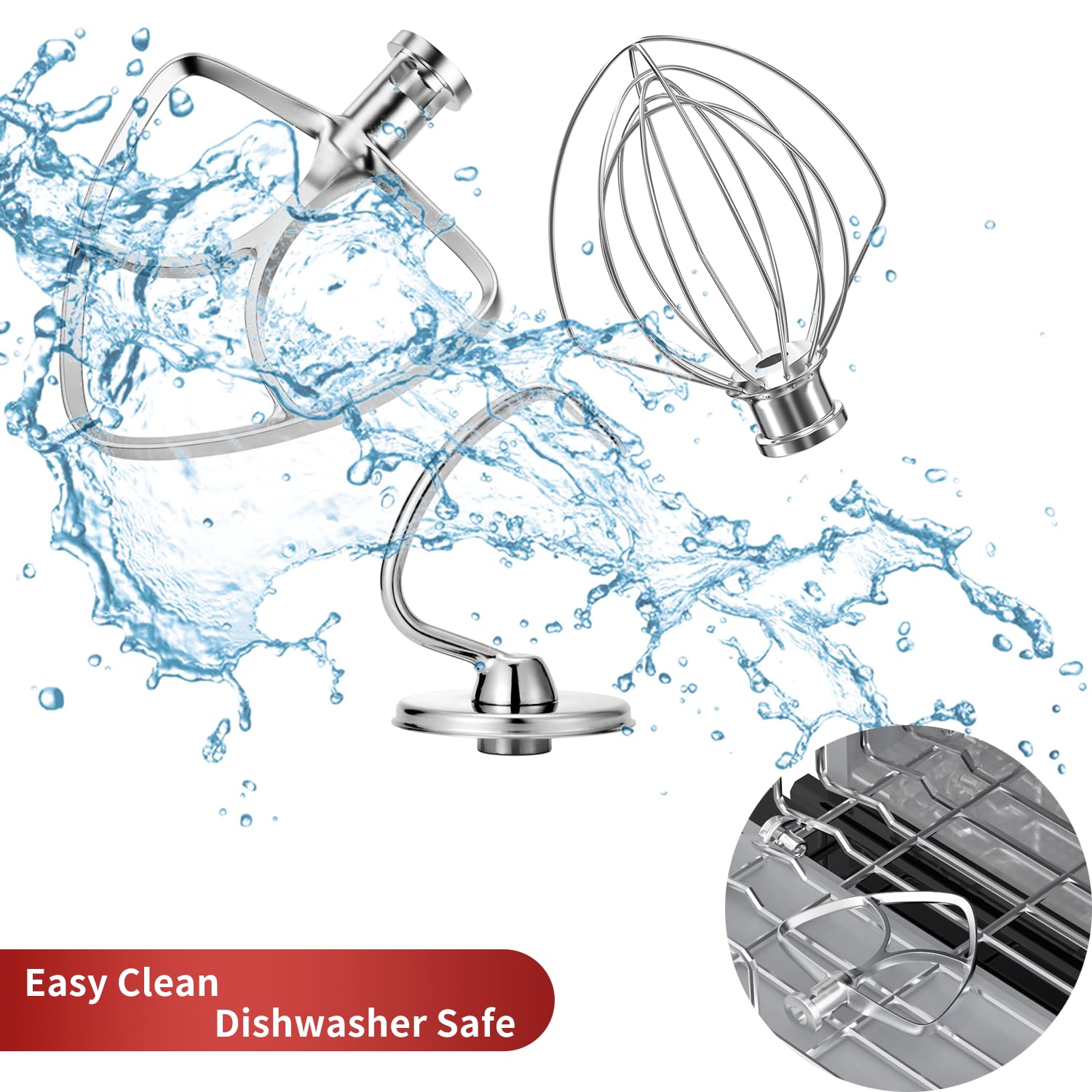
Common dishwasher-safe KitchenAid attachments include metal beaters, dough hooks, and flat beaters. Plastic or electrical components usually require hand washing. Verify each attachment’s care label to avoid damage during cleaning.
Conclusion
Kitchen Aid attachments often come with clear care instructions. Many parts are dishwasher safe, but some need hand washing. Always check the manual before cleaning. Proper care keeps attachments working well longer. Avoid harsh detergents to protect the materials. Regular cleaning helps maintain hygiene and performance.
Knowing which parts can go in the dishwasher saves time. Taking a few extra minutes to clean correctly makes a difference. Keep your Kitchen Aid attachments clean for best results every time. Simple care steps ensure your tools stay ready for cooking.