

Are you wondering if you can feed your chickens kitchen scraps? It’s a common question for anyone raising backyard hens.
You want to make sure your feathered friends stay healthy while also cutting down on food waste. But not all scraps are safe for chickens, and giving them the wrong foods can cause more harm than good. Keep reading to discover which kitchen leftovers are perfect for your chickens and which ones you should avoid.
Your hens will thank you for it!

Credit: grubblyfarms.com
Benefits Of Feeding Kitchen Scraps
Feeding your chickens kitchen scraps offers more than just a way to clear your leftovers. It can improve their health, save you money, and help reduce waste around your home. Understanding these benefits can make you more confident about adding scraps to your chickens’ diet.
Nutritional Boost For Chickens
Kitchen scraps provide a variety of nutrients that commercial feed alone might miss. Vegetables like carrots and leafy greens add vitamins A and K, while fruits like apples give natural sugars for energy. Offering a mix of scraps can keep your chickens happier and more active.
One time, I noticed my hens were more lively after introducing fresh vegetable peelings. They seemed to enjoy the change and even laid brighter, healthier eggs. Have you seen your chickens perk up after trying new foods?
Reducing Food Waste
Throwing away food scraps adds up fast and contributes to landfill waste. Feeding these scraps to your chickens turns what would be garbage into valuable nutrition. It’s a simple way to make your kitchen more eco-friendly every day.
Think about the amount of vegetable peelings, stale bread, or leftover rice you usually toss. Instead of wasting, you can feed these to your flock, turning scraps into a resource. How much waste could you eliminate this week by doing this?
Cost Savings
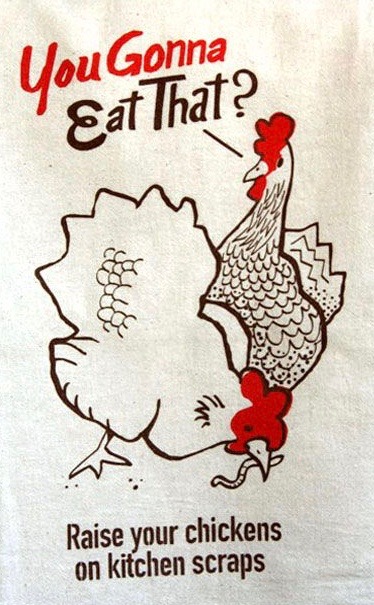
Buying commercial feed can get expensive, especially if you have many chickens. Using kitchen scraps reduces how much feed you need to buy without sacrificing their diet quality. This means more money stays in your pocket.
I saved nearly 20% on feed costs last year just by consistently feeding my hens leftovers like cooked pasta and vegetable bits. If you feed your chickens smartly, you’ll find your budget stretches further. What could you do with the extra savings?
Credit: bitchinchickens.com
Safe Kitchen Scraps For Chickens
Feeding kitchen scraps to chickens can be a great way to reduce waste and provide extra nutrients. Choosing safe scraps ensures your chickens stay healthy and happy. Not all scraps suit chickens, so knowing what to offer matters. Here are some safe kitchen scraps to share with your flock.
Fruits And Vegetables
Many fruits and vegetables make excellent treats for chickens. These foods offer vitamins and moisture. Safe options include:
- Apples (remove seeds)
- Carrots
- Peas
- Squash
- Berries
- Leafy greens like spinach and lettuce
Avoid citrus fruits and raw potatoes, which can upset their digestion. Chop large pieces to make eating easier.
Grains And Bread
Chickens enjoy grains and bread, but moderation is key. Safe grains include:
- Cooked rice
- Oats
- Corn
- Whole wheat bread in small amounts
Bread should never be moldy or stale. Fresh bread in small portions is fine. Avoid processed foods with high salt or sugar content.
Cooked Vs. Raw Foods
Cooked foods are often easier for chickens to digest. Cooked rice, pasta, and vegetables are safe. Raw foods like fruits and some vegetables are also good. Avoid raw beans and raw potato peels, as they can be toxic. Always observe your chickens after feeding new scraps. This helps spot any reactions early.
Scraps To Avoid
Certain kitchen scraps like onions, garlic, and citrus can harm chickens. Avoid feeding spoiled or moldy food to keep them healthy. Always check what scraps are safe before offering.
Feeding your chickens kitchen scraps can be a fantastic way to reduce waste and provide them with a varied diet. However, not all scraps are safe for your flock. Understanding which kitchen leftovers to avoid can protect your chickens from potential health issues. Consider the following crucial categories of scraps to keep out of your chicken's reach.
Toxic Foods For Chickens
Certain foods are toxic to chickens and should always be kept away from your coop. Avocado, especially its pit and skin, contains persin, which is harmful to chickens. Chocolate and caffeine, much like for dogs, are also a big no-no for your feathered friends. Another surprising culprit is raw beans. They contain a toxin called lectin, which can be deadly. Ever tried giving chickens raw potatoes or green potato skins? It's best to steer clear due to the presence of solanine, a toxic compound.
Spoiled Or Moldy Items
While chickens might seem like nature's garbage disposals, feeding them spoiled or moldy food is risky. Mold can produce harmful toxins that affect their health. It's always better to err on the side of caution and dispose of anything questionable. If you wouldn't eat it, your chickens shouldn't either. I once learned this the hard way when I accidentally fed them moldy bread, and it led to some unhappy clucks and upset tummies.
High-salt And Sugary Foods
Chickens don't handle excess salt or sugar well. Foods high in these can lead to serious health issues, including kidney problems. It's easy to forget how much salt or sugar might be in processed foods. Consider your leftovers carefully. That salty pizza crust or sugary cake might be tempting to toss in, but it's not worth the risk. Always prioritize their health over convenience. Have you ever wondered if the scraps you're feeding are truly beneficial? Keep these guidelines in mind, and you'll be on your way to a safe and happy flock.
Feeding Tips For Kitchen Scraps
Feeding your chickens kitchen scraps can be a great way to reduce waste and offer them tasty treats. However, it’s important to handle this carefully to keep your flock healthy and happy. The following tips will help you feed scraps wisely without upsetting their diet or digestion.
Portion Control
Even though chickens love treats, too many scraps can lead to nutritional imbalance. Keep kitchen scraps to about 10-15% of their daily diet to avoid overfeeding. Overindulgence might cause your chickens to skip their balanced commercial feed, which provides essential nutrients.
Try giving small amounts first and observe how they react. If your chickens seem uninterested in their regular feed, reduce the scraps. Portion control helps maintain their health and prevents obesity.
Introducing New Foods Gradually
Sudden changes in diet can upset your chickens’ digestive systems. Introduce new kitchen scraps slowly over several days to let their bodies adjust. For example, start with a small piece of cooked vegetable or fruit before increasing the quantity.
Watch for any signs of digestive distress like diarrhea or lethargy. If you notice problems, pause and reintroduce the scraps at a slower pace. This gradual approach helps avoid health issues and makes your chickens more willing to try new foods.
Balancing With Commercial Feed
Kitchen scraps should complement, not replace, your chickens’ commercial feed. Commercial feed is designed to provide all the vitamins, minerals, and proteins your flock needs. Scraps add variety and enrichment but don’t meet these full nutritional requirements.
Always ensure your chickens have constant access to clean water and their regular feed. If you notice reduced feed intake after offering scraps, cut back on treats to maintain a balanced diet. This balance keeps your chickens strong and productive over time.
Storage And Preparation
Feeding kitchen scraps to your chickens can be a great way to reduce waste and provide them with varied nutrition. However, how you store and prepare these scraps plays a big role in keeping your flock healthy and happy. Let’s break down what you need to know to handle kitchen scraps safely and effectively.
Proper Scrap Storage
Store kitchen scraps in a sealed container to keep pests and flies away. A cool place, like a fridge or shaded spot, helps slow down spoilage. Avoid leaving scraps out for too long—freshness matters to prevent your chickens from getting sick.
I once learned this the hard way when my chickens got upset stomachs after I fed them old, smelly scraps. Now, I keep everything in airtight bins and only feed what I know is fresh.
Chopping And Cooking
Chop scraps into small, manageable pieces to make eating easier for your chickens. This also helps prevent choking and ensures they can enjoy more of what you offer. Cooking some scraps like potatoes or squash can make them safer and more digestible.
Raw potato peels contain toxins, but cooking breaks these down. Have you checked if a certain scrap needs cooking before feeding it? Knowing this can save your chickens from harm.
Avoiding Cross-contamination
Use separate utensils and cutting boards for chicken scraps and your own food to avoid spreading bacteria. Always wash your hands thoroughly after handling scraps. This habit protects both your flock and your family from potential illnesses.
Think about this: If you wouldn’t eat it raw, should your chickens? Keeping things clean is the simplest way to keep your birds safe.
Signs Of Health Issues
Feeding kitchen scraps to chickens can be a great way to reduce waste and provide variety in their diet. Yet, not all scraps are safe. Monitoring your chickens for signs of health issues is vital. Early detection helps keep your flock strong and productive.
Monitoring Chicken Behavior
Watch for changes in activity levels. Healthy chickens are alert and active. A sudden drop in energy or reluctance to move may signal illness. Pay attention to eating habits. Chickens that stop eating or eat less might be unwell. Notice changes in social behavior too. Isolated or quiet birds might need attention.
Common Digestive Problems
Digestive upset is common after eating bad scraps. Look for diarrhea or unusual droppings. A bloated belly or gas can also mean trouble. Chickens may show signs of discomfort like stretching or hunching. Sometimes they may vomit or regurgitate. These signs suggest a problem with their diet or health.
When To Consult A Vet
Seek veterinary advice if symptoms last more than two days. Sudden weakness or difficulty breathing requires urgent help. Persistent diarrhea or bloody droppings also need professional care. Don’t delay if multiple birds show illness signs. A vet can diagnose and treat serious conditions quickly.
Credit: bloominghealthfarms.com
Frequently Asked Questions
Can Chickens Safely Eat All Kitchen Scraps?
No, chickens can eat many scraps but avoid onions, garlic, chocolate, and raw beans. These are toxic to them.
How Do Kitchen Scraps Benefit Backyard Chickens?
Kitchen scraps add variety and nutrients to their diet. They provide extra vitamins and reduce food waste effectively.
What Kitchen Scraps Should Be Avoided For Chickens?
Avoid salty, sugary, and processed foods. Also, stay clear of moldy or spoiled scraps to prevent health issues.
How Often Can I Feed Chickens Kitchen Scraps?
Feed scraps in moderation, about 10-20% of their diet. Too many scraps can upset their digestion.
Conclusion
Feeding kitchen scraps can be a good way to save money. Chickens enjoy many types of leftovers like vegetables and grains. Avoid giving them spoiled or toxic foods for safety. Always offer scraps in small amounts alongside their regular feed.
This keeps chickens healthy and happy. Remember, variety helps provide balanced nutrition. Pay attention to what your chickens like and avoid harmful items. Feeding scraps can reduce waste and support your flock. Simple care makes a big difference in chicken health.