
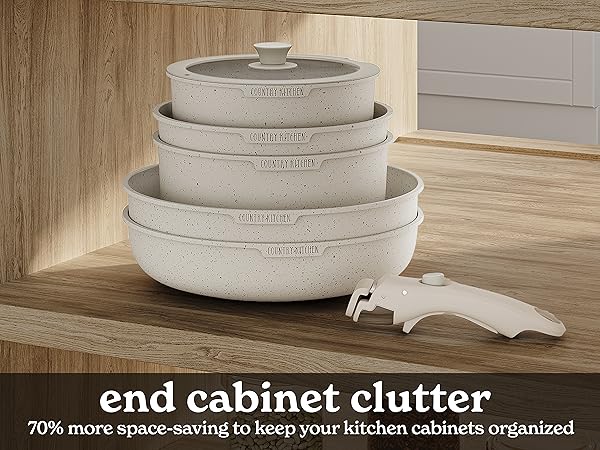
Are you wondering if your Country Kitchen cookware can go straight from stovetop to oven? Knowing whether your favorite pots and pans are oven safe is key to cooking with confidence and avoiding costly mistakes.
You don’t want to risk damaging your cookware or ruining a meal because of uncertainty. You’ll discover everything you need to know about the oven safety of Country Kitchen cookware. By the end, you’ll be ready to use your kitchen tools like a pro—no guesswork involved.
Keep reading to protect your investment and make the most out of your cooking experience.

Credit: www.amazon.com
Country Kitchen Cookware Materials
Understanding the materials used in Country Kitchen cookware is essential before deciding if it is oven safe. Different materials respond to heat in unique ways, affecting both cooking performance and safety. Knowing what your cookware is made of helps you avoid damage and ensures better results in the kitchen.
Common Materials Used
Country Kitchen cookware often features a variety of materials, each with its own benefits and limitations.
- Stainless Steel:Durable and resistant to rust, stainless steel is a popular choice for many cookware lines.
- Aluminum:Known for excellent heat conduction, aluminum helps cook food evenly.
- Non-stick Coatings:These coatings make cleaning easier but can be sensitive to high oven temperatures.
- Ceramic:Offers a natural non-stick surface and can typically handle moderate oven heat.
- Cast Iron:Heavy and durable, cast iron is excellent for oven use but requires proper care.
Impact On Oven Safety
Each material has its own oven safety limits you need to consider.
- Stainless Steel:Usually safe up to 500°F (260°C), making it versatile for most baking and roasting needs.
- Aluminum:Often safe for oven use but check if it’s coated or anodized, as some finishes can degrade at high heat.
- Non-stick Coatings:These often have lower heat limits, typically around 350°F (175°C). Exceeding this can cause the coating to break down and release harmful fumes.
- Ceramic:Generally oven safe up to 450°F (230°C), but sudden temperature changes might cause cracking.
- Cast Iron:Exceptionally oven safe, withstanding temperatures well above 500°F (260°C), perfect for searing and baking.
Have you ever noticed your non-stick pan’s coating peeling after using it in the oven? That’s a clear sign of material limitations. Always check the manufacturer’s guidelines to match your cookware material with your oven’s temperature needs. This simple step can save you money and frustration.
Temperature Limits For Oven Use
Understanding the temperature limits for oven use is crucial when working with Country Kitchen cookware. Using the cookware within its heat tolerance ensures your meals cook evenly and your pots and pans last longer. Let’s take a closer look at what these limits are and why they matter to you.
Maximum Heat Tolerance
Country Kitchen cookware typically has a maximum oven-safe temperature of around 350°F to 400°F. This range covers most baking and roasting needs in a home kitchen. However, always check the specific product details because some pieces may have lower limits due to handles or lids made from different materials.
For example, a cast iron skillet from the line might handle up to 400°F, but a non-stick coated pan may only be safe up to 350°F. Exceeding these temperatures can cause damage that is often irreversible.
Effects Of Exceeding Limits
What happens if you push your cookware beyond its heat tolerance? The non-stick coating can start to break down, releasing harmful fumes and losing its effectiveness. Handles or lids made of plastic or wood might warp, melt, or crack, making the cookware unsafe to use.
Have you ever noticed discoloration or a strange smell after overheating your pans? These are signs the material is breaking down. To avoid ruining your cookware and risking your health, it’s best to stick to the recommended temperature limits and use an oven thermometer if your oven’s accuracy is questionable.
Oven Safe Features To Look For
When choosing country kitchen cookware, oven safety is vital. Knowing which features ensure safety can help you select the best cookware. Focus on key elements that offer durability and reliability. Let’s explore two important features: handles and lids, and non-toxic coatings.
Handles And Lids
Handles must withstand high temperatures without warping. Look for stainless steel or silicone handles. They resist heat and stay cool. Lids should fit snugly to lock in moisture. Tempered glass lids are ideal. They allow you to watch cooking progress without lifting.
Non-toxic Coatings
Non-toxic coatings provide a healthy cooking surface. Choose cookware with PFOA-free and PTFE-free coatings. These materials prevent harmful chemicals from leaching into food. Ceramic coatings are a great option. They offer a smooth surface and easy food release.

Credit: www.amazon.com
Tips For Safe Oven Use
Using Country Kitchen cookware in the oven can enhance your cooking experience, but it requires some care to keep your pots and pans in perfect condition. Understanding how to handle your cookware safely with heat can prevent damage and extend its life. Let’s look at some practical tips that help you avoid common mistakes when using your Country Kitchen cookware in the oven.
Preheating Guidelines
Always preheat your oven before placing your Country Kitchen cookware inside. Putting cold cookware into a hot oven can cause uneven heating and warping. If you want to preheat the cookware itself, do it gradually alongside the oven temperature to avoid stress on the material.
Also, avoid placing empty cookware in a hot oven as this can overheat and damage the surface. Instead, add your ingredients first or let the cookware warm up slowly. Have you noticed how quickly some pans warp when you rush the heating process? Taking it slow really helps.
Avoiding Thermal Shock
Thermal shock happens when your cookware faces sudden temperature changes, like moving from the oven straight to a cold countertop or running cold water over a hot pan. This can cause cracking or warping, especially with ceramic or glass components of Country Kitchen sets.
To prevent this, always let your cookware cool down gradually. Use oven mitts to move your pots onto a heat-resistant surface and wait before cleaning or rinsing. Have you ever seen a pan crack after a quick cold rinse? It’s a costly mistake that’s easy to avoid with patience.
Remember, maintaining a steady temperature for your cookware is key. Treat your Country Kitchen cookware gently, and it will reward you with years of reliable use.
Common Misconceptions About Oven Safety
Many people assume that all cookware labeled as "oven safe" can handle any temperature or oven condition. This is not always true. Misunderstandings about what makes cookware truly oven safe can lead to damaged pots, ruined meals, or even safety hazards.
Metal Vs. Non-metal Cookware
Metal cookware, such as stainless steel or cast iron, is typically safe in the oven. These materials handle high heat well without warping or releasing toxins. But non-metal parts, like plastic handles or rubber grips, often can't withstand oven temperatures.
Think about your Country Kitchen cookware. If it has metal handles and no non-metal parts, it’s probably safe for the oven. However, if there are any plastic or silicone components, you need to check their heat tolerance carefully. Have you ever put a pan in the oven only to find the handle melted? That’s a clear sign of misunderstanding these materials.
Dishwasher And Oven Compatibility
Many assume that if cookware is dishwasher safe, it must be oven safe too. This isn’t true. Dishwasher-safe coatings may not tolerate the direct, intense heat inside an oven.
Country Kitchen cookware might be designed to handle dishwasher cycles, but that doesn’t guarantee it can survive oven heat. Always check the manufacturer’s guidelines to avoid surprises. Have you noticed any discoloration or damage after using your cookware in the oven? This could be due to confusion between dishwasher and oven safety.

Credit: www.amazon.com
Care And Maintenance After Oven Use
Taking care of your Country Kitchen cookware after oven use is essential to keep it performing well and looking great. Proper care not only extends the life of your pots and pans but also ensures your food tastes fresh every time you cook. Paying attention to cleaning and storage can prevent damage and save you money in the long run.
Cleaning Techniques
After using your Country Kitchen cookware in the oven, let it cool down before cleaning to avoid warping. Use warm water and a mild dish soap to gently remove food residue. Avoid abrasive scrubbers that can scratch the surface; instead, opt for a soft sponge or cloth.
If stubborn stains or burnt-on food persist, soak the cookware in warm soapy water for 15-20 minutes before scrubbing lightly. Never use harsh chemicals or steel wool, as these can damage the cookware’s finish. Have you noticed how gentle cleaning keeps your pots looking almost new even after months of use?
Storage Recommendations
Store your Country Kitchen cookware in a dry place to prevent rust and corrosion. If you stack your pots and pans, place a soft cloth or paper towel between them to avoid scratches. Hanging cookware on hooks can save space and keep them accessible.
Make sure lids are stored separately or placed upside down on pots to maintain their shape. Consider organizing your kitchen so that frequently used pieces are easy to reach—this reduces wear and tear from constant handling. How do you currently store your cookware, and could a small change improve its longevity?
Frequently Asked Questions
Is Country Kitchen Cookware Safe For Oven Use?
Yes, most Country Kitchen cookware is oven safe. Check the product label for maximum temperature limits before use. Avoid sudden temperature changes to prevent damage.
What Is The Maximum Oven Temperature For Country Kitchen Cookware?
Country Kitchen cookware typically withstands oven temperatures up to 400°F (204°C). Always verify your specific cookware model’s temperature rating to ensure safe use.
Can I Use Country Kitchen Cookware Under A Broiler?
No, Country Kitchen cookware is generally not recommended for broiler use. High direct heat can damage the cookware’s surface and reduce its lifespan.
Are Country Kitchen Cookware Handles Oven Safe?
Handles on Country Kitchen cookware are usually oven safe but only up to a certain temperature. Refer to the manufacturer’s guidelines for exact temperature limits.
Conclusion
Country Kitchen cookware can handle oven heat safely. Check the product details for maximum temperature limits. Use oven mitts to avoid burns when handling hot dishes. Avoid sudden temperature changes to keep cookware in good shape. This cookware suits many oven recipes well.
Remember to follow care instructions for long-lasting use. Safe cooking and happy meals await with Country Kitchen cookware.