
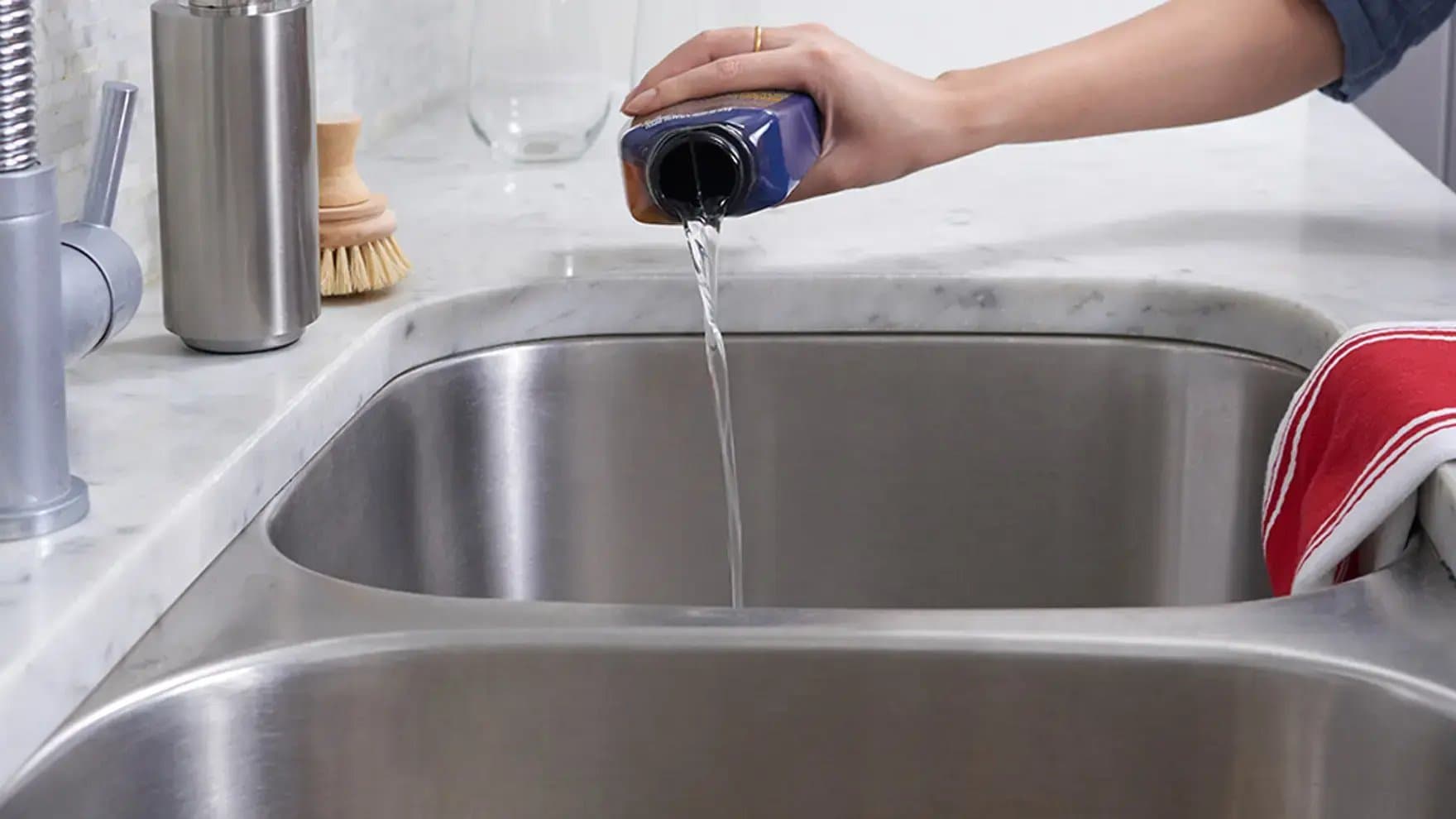
Is your kitchen sink clogged, and you’re wondering how your dishwasher might be part of the problem—or even the solution? A blocked sink can stop your daily routine in its tracks, leaving you frustrated and unsure of what to do next.
But don’t worry—you’re about to discover simple, effective ways to unclog your kitchen sink using your dishwasher. By following a few easy steps, you can save time, avoid costly repairs, and get your sink draining smoothly again. Keep reading to learn exactly how to tackle this common issue with tools you already have at home.

Credit: www.youtube.com
Common Causes Of Sink Clogs
Understanding the common causes of kitchen sink clogs can save you time and frustration. Many blockages happen because of everyday kitchen activities that you might not even notice. Identifying these causes helps you prevent future issues and tackle current clogs more effectively.
Food Particles And Grease
Food scraps often slip through the sink drain and build up over time. Small pieces like rice, coffee grounds, or vegetable peels can accumulate and slow down water flow. Grease is even trickier; it looks liquid when hot but solidifies as it cools, sticking to your pipes and trapping other debris.
Have you ever poured leftover cooking oil down the sink? That habit can create stubborn clogs that grow with every meal you prepare. Avoiding grease buildup is key to keeping your drain clear.
Dishwasher Drain Blockages
Your dishwasher shares a drain connection with the kitchen sink, so blockages here can affect both appliances. Food particles trapped in the dishwasher filter or drain hose can cause water to back up into the sink. Over time, soap scum and mineral deposits may also clog the dishwasher’s drainage system.
If you notice water pooling in your sink after running the dishwasher, check the drain hose for kinks or obstructions. Regularly cleaning the dishwasher’s filter can prevent these blockages and keep both your sink and dishwasher draining smoothly.
Pipe And Trap Issues
The P-trap, located under your sink, is designed to catch debris and prevent sewer gases from entering your home. However, it can become a common spot for clogs due to trapped food particles, grease, and soap residue. Corrosion or damage to pipes can also cause slow drainage or leaks.
Have you ever removed the P-trap to clean it out? It’s a simple task that often clears stubborn blockages quickly. Regularly inspecting and cleaning this area can save you from more serious plumbing problems later.
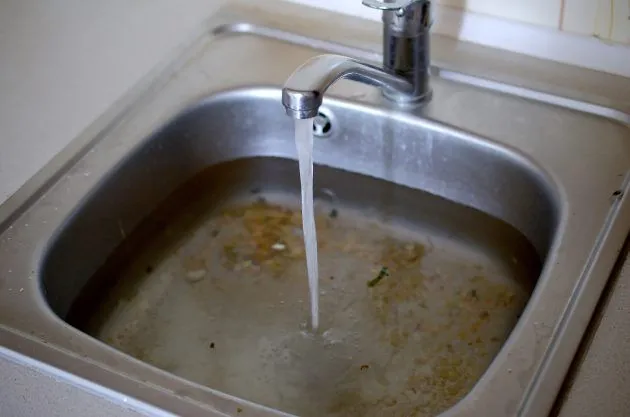
Credit: www.allamericanpha.com
Tools And Materials Needed
Clearing a clogged kitchen sink connected to a dishwasher requires the right tools and materials. Having these ready makes the job easier and faster. Use safe and effective items to avoid damage and mess.
Gathering tools before starting helps you work with confidence. Some items are basic plumbing tools, while others include natural or commercial cleaning agents. Each has its purpose in fixing the clog.
Basic Plumbing Tools
- Plunger – creates suction to loosen clogs
- Pipe wrench – for tightening or loosening pipes
- Drain snake – reaches deep blockages in pipes
- Screwdriver – removes drain covers or clamps
- Bucket – catches water when disconnecting pipes
- Gloves – protects hands from dirt and chemicals
- Towels or rags – cleans spills and dries surfaces
Natural Cleaning Agents
- Baking soda – breaks down grease and grime
- White vinegar – dissolves mineral buildup
- Hot water – flushes out loosened debris
- Lemon juice – adds fresh scent and mild acidity
Commercial Drain Cleaners
- Enzyme-based cleaners – use bacteria to digest clogs
- Caustic cleaners – dissolve grease and hair (use carefully)
- Foaming drain cleaners – expand to reach blockages
- Drain gels – cling to pipes for longer effect
Using Dishwasher To Clear Sink Clogs
Running your dishwasher with hot water can help loosen and clear minor kitchen sink clogs. The water pressure pushes debris through the drain, easing blockages effectively. This simple trick saves time and avoids harsh chemicals.
Using your dishwasher to help clear a clogged kitchen sink might not be the first solution that comes to mind, but it can be surprisingly effective. This method leverages the power of your dishwasher's drainage system to potentially push through stubborn blockages. Let's dive into how this process works and some important precautions to consider.
How Dishwasher Drain Connects To Sink
Most dishwashers are connected to the kitchen sink’s plumbing system. This setup allows the dishwasher to discharge water through the same pipes, usually via a hose connected to the garbage disposal or directly to the sink drain. Understanding this connection is crucial. It means that when you run your dishwasher, the water is flushed through these shared pipes. This action can sometimes help dislodge minor clogs in the sink.
Running Dishwasher To Push Through Blockages
Before you start, ensure that your sink is not completely blocked. If water stands in the sink, this method might not work effectively. Run the dishwasher on a hot cycle. The combination of water pressure and heat can assist in breaking down and flushing out minor clogs. If successful, you might notice the sink draining better after the cycle. This can be a simple yet effective remedy for less severe blockages.
Precautions When Using Dishwasher
Always ensure that your dishwasher and sink drains are not entirely blocked. Running the dishwasher with a fully clogged sink can cause backflow and flooding. Consider checking the dishwasher filter and the garbage disposal for any debris or obstructions before starting the cycle. Be mindful of water usage. If this method doesn’t work, you might need to try more traditional approaches like a plunger or plumbing snake. Would you have ever thought your dishwasher could double as a tool for unclogging your sink? Next time your sink starts to drain sluggishly, you might just have a new trick up your sleeve.
Diy Methods To Unclog Sink
Unclogging your kitchen sink when your dishwasher is backing up can feel frustrating. However, you can try several simple DIY methods that don’t require calling a plumber. These techniques use everyday household items and tools, making the process straightforward and budget-friendly.
Boiling Water And Baking Soda
This method uses the power of heat and natural cleaning agents to clear minor clogs. Start by pouring a cup of baking soda directly into the clogged drain. Follow this by slowly pouring boiling water down the drain to dissolve grease and soap scum.
The combination helps break down buildup without harsh chemicals. If your sink is still slow, repeat the process once or twice. It’s a gentle yet effective way to keep your pipes clear.
Vinegar And Baking Soda Reaction
Mixing vinegar with baking soda creates a fizzy chemical reaction that can loosen stubborn blockages. Pour half a cup of baking soda into the drain, then add half a cup of vinegar. Cover the drain with a plug or cloth to keep the reaction concentrated.
After about 15 minutes, flush the drain with hot water. This method works well on organic debris and minor grease clogs. Have you tried this fizzing reaction before? It might surprise you how well it works!
Manual Removal With Plunger Or Snake
Sometimes, the clog is too solid for chemical reactions and needs physical removal. Use a plunger to create suction and pressure that dislodges the blockage. Make sure to block any overflow openings to get the best seal.
If the plunger doesn’t do the trick, a drain snake can reach deeper to pull out or break up the clog. Insert the snake carefully, turning it as you push further into the drain. This hands-on approach often clears tougher blockages that liquids can’t touch.
Preventing Future Clogs
Preventing future clogs in your kitchen sink and dishwasher keeps your kitchen running smoothly. Simple habits can stop blockages before they start. Consistent care lowers plumbing problems and repair costs. Here’s how to maintain a clog-free kitchen sink and dishwasher.
Proper Waste Disposal
Throw food scraps in the trash or compost bin. Avoid putting grease, coffee grounds, or fibrous foods down the drain. Use a sink strainer to catch debris. Empty the strainer regularly. This stops solid waste from building up inside pipes.
Regular Maintenance Tips
- Run hot water through the sink after each dishwasher cycle.
- Clean the sink drain and garbage disposal weekly.
- Use a mixture of baking soda and vinegar monthly to clear minor buildup.
- Check dishwasher filters and clean them as needed.
Avoiding Harmful Substances
Do not pour oil or grease down the drain. Avoid harsh chemicals that can damage pipes. Skip using bleach or strong drain cleaners regularly. These substances can weaken plumbing and cause leaks. Choose gentle, eco-friendly cleaners instead for safe upkeep.
When To Call A Professional
Knowing when to call a professional can save time and prevent damage. Some clogs need expert tools and skills. Ignoring serious blockages can lead to costly repairs. This section explains key signs and risks.
Signs Of Serious Blockages
- Water drains very slowly or not at all
- Gurgling sounds from the sink or dishwasher
- Water backing up into the dishwasher
- Foul odors that persist after cleaning
- Multiple drains in the house are clogged
These signs suggest the blockage is deep in the pipes or sewer line.
Potential Damage Risks
- Water leaks causing cabinet or floor damage
- Mold growth from trapped moisture
- Corroded pipes due to prolonged blockage
- Damage to the dishwasher’s drainage system
- Unpleasant smells spreading through the kitchen
Delaying professional help can increase repair costs and health risks.
Finding Reliable Plumbers
- Check reviews and ratings online
- Ask for recommendations from friends or family
- Confirm the plumber is licensed and insured
- Request an estimate before work begins
- Ensure they offer a warranty on their service
Choosing a skilled plumber ensures the problem is fixed right the first time.

Credit: www.youtube.com
Frequently Asked Questions
How Does A Dishwasher Cause Kitchen Sink Clogs?
Dishwashers drain into the kitchen sink drain pipe. Food particles or grease can build up, causing blockages. Over time, debris accumulates, slowing drainage and leading to clogs.
Can Vinegar And Baking Soda Unclog Sink And Dishwasher?
Yes, vinegar and baking soda create a natural cleaning reaction. Pour baking soda, then vinegar into the drain. Wait 15 minutes and flush with hot water to clear minor clogs.
How To Safely Disconnect Dishwasher For Unclogging?
Turn off power and water supply before disconnecting. Use pliers to remove the drain hose gently. Disconnecting allows you to clean blockages in the hose and sink drain.
What Tools Help Unclog Kitchen Sink Connected To Dishwasher?
Plunger, drain snake, and bucket are essential tools. Use a plunger to loosen clogs. A drain snake reaches deeper blockages. A bucket catches water during cleaning.
Conclusion
Unclogging your kitchen sink with the dishwasher is simple and effective. Start by checking the dishwasher drain and hose for blockages. Use a plunger or a drain snake to clear tough clogs. Regular cleaning helps keep drains flowing smoothly. Remember to avoid pouring grease or food scraps down the sink.
These small steps save time and prevent bigger problems later. Keep your kitchen sink and dishwasher working well with easy care. Clean drains mean less hassle and more time for you.