
If you’ve just installed a new dishwasher or need to fix your old one, connecting the drain to your kitchen sink might seem tricky. But don’t worry—you can do it yourself with the right steps.
Knowing how to connect your dishwasher drain to your sink not only saves you money but also prevents leaks and keeps your kitchen running smoothly. Keep reading, and you’ll learn simple, clear instructions that anyone can follow, even if you’re not a plumbing expert.
Your dishwasher will be up and draining properly in no time!
Tools And Materials Needed
Before you begin connecting your dishwasher drain to the kitchen sink, gathering the right tools and materials will make the process smoother and prevent unnecessary trips to the store. Having everything within reach helps you stay focused and reduces the chance of errors.
Think about what you already have in your toolbox. Often, basic household tools cover much of what’s needed, but some specific parts are essential to ensure a proper seal and safe drainage.
Essential Tools For The Job
- Adjustable wrench:Perfect for tightening hose clamps and connections without damaging fittings.
- Screwdriver set:Both flathead and Phillips screwdrivers are handy for securing clamps and brackets.
- Pliers:Useful for gripping and bending metal parts or removing stubborn hose clamps.
- Utility knife or scissors:To cut the drain hose to the right length cleanly.
- Bucket or bowl:To catch any water spills while disconnecting or connecting hoses.
Materials You’ll Need
- Dishwasher drain hose:Usually comes with the dishwasher, but check its condition before installation.
- Hose clamps:Metal clamps that secure the hose to the sink drain or garbage disposal.
- Dishwasher tailpiece or adapter:Connects the dishwasher drain hose to the kitchen sink drain or garbage disposal.
- Plumber’s tape (Teflon tape):Helps seal threaded connections and prevent leaks.
- Pipe sealant or plumber’s putty:Optional, for extra leak protection around connections.
- Zip ties or brackets:To neatly secure the hose and prevent kinks or tangles.
Why Having The Right Supplies Matters
Attempting this task without the right tools can lead to leaks or a poor connection that causes drainage issues later. I once tried connecting my dishwasher drain hose without hose clamps, thinking the tight fit was enough. It led to water dripping under the sink and a frustrating cleanup.
Proper tools and materials not only save you time but also give you confidence that your dishwasher will drain efficiently and safely. What’s the one tool or material you think is most often overlooked in this kind of home project?
Locate The Drain Connection Point
Finding the right drain connection point is essential before hooking up your dishwasher drain to the kitchen sink. This step ensures proper water flow and prevents leaks or backups. Knowing exactly where to connect saves you time and frustration during installation.
Identify The Sink Drain Tailpiece
The sink drain tailpiece is the vertical pipe directly beneath your kitchen sink drain. It usually connects the sink drain to the P-trap and is the most common place to attach the dishwasher drain hose. Look for a small, capped-off nipple or a side inlet on this pipe, which is designed for dishwasher connections.
Check For A Dishwasher Drain Inlet On The Garbage Disposal
If you have a garbage disposal, the dishwasher drain often connects to an inlet on its side. This inlet is typically a small, removable plug that you must knock out to attach the hose. It’s important to verify this spot since it differs from setups without a disposal.
Use A Flashlight To Inspect Tight Spaces
Kitchen sink cabinets can be dark and cramped, making it hard to spot the drain connection point. A flashlight can help you see hidden fittings or side ports clearly. Shine light around the pipes, especially near the P-trap and disposal unit, to find the best connection point.
Look For A Hose Clamp Or Connector
Some drain connection points already have a hose clamp or connector attached. This makes it easier to secure your dishwasher drain hose. If you don’t see one, you’ll need to add a hose clamp to keep the connection tight and leak-free.
Ask Yourself: Is The Connection Point Easily Accessible?
Before attaching the hose, consider how accessible the drain connection point is. Can you easily reach it to tighten clamps or check for leaks later? Choosing a connection point that’s hard to reach might cause problems during maintenance.
Turn Off Water And Power Supply
Before connecting your dishwasher drain to the kitchen sink, turn off the water and power supply. This step is crucial for safety and to avoid water damage. It prevents accidents and ensures smooth installation.
Turning off the water stops leaks during the connection process. Power off the dishwasher to avoid electrical shocks. Both actions protect you and your home.
Locate The Water Shut-off Valve
Find the water shut-off valve under the kitchen sink. It usually looks like a small handle or knob. Turn it clockwise to close the valve completely. This stops water flow to the dishwasher.
Switch Off The Dishwasher Power
Unplug the dishwasher from the power outlet. If the outlet is hardwired, turn off the circuit breaker in your home's electrical panel. Confirm the power is off before proceeding.
Check For Water Flow
Open the kitchen faucet to check if water stops flowing. This confirms the water supply to the dishwasher is off. If water still flows, recheck the shut-off valve.

Credit: www.reddit.com
Remove Old Drain Hose
Remove old drain hose to ensure a proper fit for your dishwasher connection. Begin by loosening the clamp. Gently pull the hose away from the sink drain, ensuring no debris clogs the system.
Removing the old drain hose from your dishwasher might seem daunting, but it can be a straightforward task if approached methodically. Imagine the satisfaction of knowing you've done it yourself! Before you start, make sure you have all the necessary tools and a clear understanding of the process. Ensure safety first. Switch off the power to your dishwasher from the circuit breaker. Turn off the water supply to avoid any unexpected spills.
Locate The Drain Hose
Find the drain hose connection, usually located at the back of the dishwasher. It connects to either the sink drain or a garbage disposal. A flashlight might be handy to see everything clearly.
Detach The Hose From The Sink
Once located, loosen the clamp that holds the drain hose to the sink connection. A screwdriver will usually do the trick. Gently pull the hose away from the connection point.
Remove The Hose From The Dishwasher
Check the dishwasher for any additional clamps securing the hose. Carefully detach them and pull the hose free from the appliance. Be ready with a bucket or towel to catch any residual water.
Inspect And Clean The Area
With the old hose removed, take a moment to inspect the connection points. Clean any debris or buildup that might affect the new hose installation. This step ensures a secure and leak-free connection later. Taking the time to remove the old drain hose properly sets the stage for a successful new installation. Are you ready to tackle this project with confidence?
Attach Dishwasher Drain Hose To Drain Tailpiece
Attaching the dishwasher drain hose to the drain tailpiece is a key step in connecting your dishwasher to your kitchen sink. This connection allows wastewater to flow out properly, preventing leaks and clogs. A secure and correct attachment ensures your dishwasher works efficiently and keeps your kitchen clean.
Choose The Right Drain Tailpiece
Select a drain tailpiece that fits your sink drain pipe size. Most dishwashers use a 3/4-inch or 1-inch tailpiece with a side inlet. Check if the tailpiece has a built-in dishwasher inlet port. If not, you may need a dishwasher branch tailpiece. Use a tailpiece made of durable material like metal or heavy-duty plastic. This prevents damage from water pressure and heat. Ensure the tailpiece is easy to access for installation and maintenance.
Secure Hose With Clamp
Push the dishwasher drain hose firmly onto the tailpiece inlet. The hose should fit snugly to avoid leaks. Use a stainless steel or plastic clamp to hold the hose in place. Tighten the clamp securely but do not overtighten to avoid damaging the hose. A worm gear clamp works well for this purpose. Check the connection for any gaps or loose areas. After securing, run water to test for leaks and tighten the clamp if needed.
Install Air Gap (if Required)
Installing an air gap is important in some homes to keep your dishwasher working safely. It stops dirty water from flowing back into the dishwasher. Not all kitchens need one, but many local codes require it. This small device fits on your sink or countertop and connects the dishwasher drain hose to the sink drain.
Benefits Of Air Gap
- Prevents dirty water from flowing back into the dishwasher
- Protects your dishwasher from contamination
- Meets local plumbing codes and standards
- Reduces bad smells from the drain
- Keeps your kitchen water supply clean and safe
How To Install Air Gap
Choose a spot on the sink or countertop near the dishwasher. Drill a hole if one is not available. Insert the air gap into the hole and secure it with the supplied hardware.
Connect the dishwasher drain hose to the air gap’s inlet port. Attach a hose from the air gap’s outlet port to the sink drain or garbage disposal.
Use clamps to secure both hoses tightly. Check all connections for leaks. Run the dishwasher to test the setup. Water should flow freely without backing up.
Connect To Garbage Disposal (if Applicable)
Connecting your dishwasher drain to the garbage disposal is a common setup in many kitchens. This connection helps waste water from the dishwasher flow smoothly into the disposal unit. Before attaching the hose, some preparation is necessary to ensure a secure and leak-free fit.
Remove Knockout Plug
The garbage disposal inlet often has a plastic plug called a knockout plug. This plug blocks the dishwasher drain opening. Use a screwdriver and hammer to carefully knock out the plug. Place a rag inside the inlet to catch the plug pieces. Remove the rag and plug pieces after knocking them out. This step creates an opening for the dishwasher drain hose.
Attach Hose To Disposal Inlet
Once the knockout plug is removed, connect the dishwasher drain hose to the disposal inlet. Slide the hose onto the inlet pipe firmly. Secure the hose using a hose clamp. Tighten the clamp with a screwdriver to prevent leaks. Check the connection for a tight fit before finishing. This connection directs dishwasher waste water into the garbage disposal.
Check For Leaks
After connecting your dishwasher drain to the kitchen sink, checking for leaks is crucial. Even a small drip can cause water damage or mold growth over time. Catching leaks early saves you from costly repairs and keeps your kitchen safe.
Run Dishwasher Test Cycle
Start by running a full dishwasher cycle with the drain connected. Watch closely as the dishwasher drains out water through the hose. Pay attention to any unusual sounds or water pooling under the sink.
It’s helpful to have a flashlight handy to spot any hidden leaks in dark areas. If you notice water dripping or puddles forming, turn off the dishwasher immediately. Letting leaks go unnoticed can lead to bigger problems.
Inspect Connections
After the test cycle, check every connection point along the drain hose. Look at where the hose connects to the dishwasher and the sink drain or garbage disposal. Tighten any loose clamps or fittings you find.
Use a dry paper towel to wipe around each joint—wet spots usually mean a leak. Don’t forget to inspect the hose itself for cracks or holes. Even a small puncture can cause water to escape.
Have you ever missed a tiny leak only to find a puddle days later? That experience taught me to be extra thorough. Taking a few extra minutes now can prevent a lot of frustration down the road.
Troubleshooting Common Issues
Troubleshooting common issues when connecting your dishwasher drain to the kitchen sink can save you time and prevent costly repairs. Identifying problems early ensures your dishwasher works efficiently and avoids water damage. Let’s look at some typical challenges and how you can fix them.
Drainage Problems
If your dishwasher isn’t draining properly, the first thing to check is the drain hose. Make sure it isn’t kinked or clogged with food debris. Even a small blockage can stop water from flowing out smoothly.
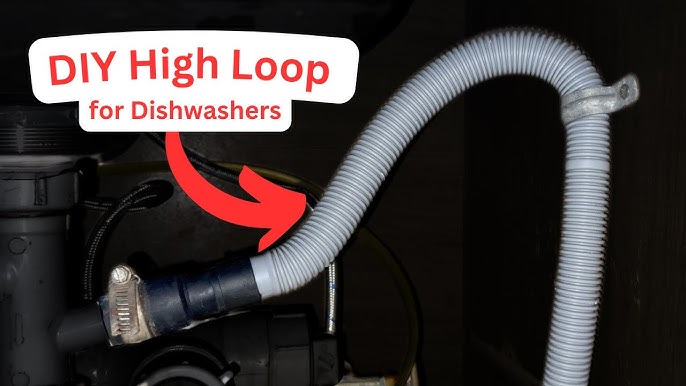
Another cause might be the air gap or high loop. These parts prevent dirty water from flowing back into your dishwasher. If they’re installed incorrectly or blocked, drainage will suffer.
Have you checked your garbage disposal connection? Sometimes, the dishwasher drain hose needs to be connected to a specific inlet on the disposal. If this connection is loose or missing a plug, drainage issues will occur.
Leaks And Drips
Leaks around the drain connection often result from loose fittings or damaged hoses. Tighten all clamps and check for cracks in the hose material. A worn-out hose might need replacing to stop drips.
Look closely at the sink drain connection as well. If the dishwasher drain hose isn’t securely attached or the seal is broken, water can escape during a wash cycle.
Have you noticed water pooling under your sink after running the dishwasher? This is a clear sign to inspect every connection point. Sometimes, simply repositioning the hose or replacing a worn gasket can fix the problem.

Credit: www.youtube.com

Credit: www.reddit.com
Frequently Asked Questions
How Do I Connect Dishwasher Drain To Kitchen Sink?
To connect the dishwasher drain, attach the drain hose to the sink’s drain tailpiece or garbage disposal inlet. Use a hose clamp for a secure fit. Ensure the hose has a high loop or air gap to prevent backflow and maintain proper drainage.
What Tools Are Needed To Connect Dishwasher Drain?
You will need a screwdriver, pliers, a hose clamp, and possibly a wrench. A utility knife can help cut the drain hose. Make sure to have plumber’s tape for sealing connections and a bucket to catch water during installation.
Can I Connect Dishwasher Drain To Garbage Disposal?
Yes, you can connect the dishwasher drain hose to the garbage disposal inlet. Remove the knockout plug inside the inlet first. Secure the hose with a clamp and maintain a high loop to avoid drain water flowing back into the dishwasher.
Why Is A High Loop Needed On Dishwasher Drain Hose?
A high loop prevents dirty water from flowing back into the dishwasher. It creates an air gap that blocks backflow. This is essential for hygiene and to keep your dishwasher functioning properly by ensuring efficient drainage.
Conclusion
Connecting your dishwasher drain to the kitchen sink is a simple task. Follow the steps carefully and take your time. Use the right tools and parts for a secure fit. Check for leaks after installation to avoid water damage. Proper connection helps your dishwasher work well and keeps your kitchen clean.
With basic skills, you can do this yourself and save money. Don’t rush—doing it right matters most. Your dishwasher will drain smoothly and keep your kitchen running. Easy and effective.