
If you own a KitchenAid mixer, you probably wonder how to keep your bowl clean without damaging it. You might ask yourself, “Can my KitchenAid bowl go in the dishwasher?” It’s a simple question, but the answer can save you time, effort, and frustration.
You’ll discover the best way to care for your KitchenAid bowl, so it stays in great shape and works perfectly every time. Keep reading to find out what you need to know before tossing your bowl into the dishwasher.

Credit: www.amazon.com
Kitchen Aid Bowl Materials
Understanding the materials used in Kitchen Aid bowls is key to knowing how to care for them properly. Different materials react differently to heat, detergents, and dishwasher conditions. Knowing what your bowl is made of helps you decide if it’s safe to put it in the dishwasher or if hand washing is better.
Types Of Kitchen Aid Bowls
Kitchen Aid offers bowls made from several materials:
- Stainless Steel:The most common type, known for its durability and sleek look.
- Glass:Transparent and stylish, allowing you to see your ingredients while mixing.
- Ceramic:Heavier and often decorated, adding a classic touch to your kitchen.
Each type has its own care needs, which directly affects whether it can be washed in a dishwasher.
Material Durability
Stainless steel bowls handle dishwasher cleaning well because they resist rust and corrosion. They keep their shine even after many washes.
Glass bowls are generally dishwasher safe but can chip or crack if exposed to sudden temperature changes. You might want to place them on the top rack to avoid damage.
Ceramic bowls are more delicate and often not recommended for dishwashers. The harsh environment can cause fading or cracks over time.
Have you noticed any changes in your bowl’s finish after dishwashing? Paying attention to these details can save you from replacing your bowl prematurely.

Credit: www.amazon.com
Dishwasher Safety For Kitchen Aid Bowls
Keeping your Kitchen Aid bowl clean is essential, but you might wonder if tossing it in the dishwasher is safe. Understanding dishwasher safety for these bowls can save you from unexpected damage and maintain their performance over time. Let's look at what the manufacturer says and the risks you might face when using a dishwasher.
Manufacturer's Recommendations
Kitchen Aid usually advises hand washing their bowls to keep them in the best condition. Their stainless steel bowls can often handle a dishwasher, but it’s best to check your specific model’s user guide. Some Kitchen Aid bowls come with coatings or finishes that might not be dishwasher safe.
If the manufacturer marks the bowl as dishwasher safe, place it on the top rack to avoid exposure to intense heat. Avoid using harsh detergents or high-temperature settings, which can wear down the bowl’s surface over time. Have you ever noticed your bowl’s shine fading after multiple dishwasher cycles? That could be why.
Potential Risks In Dishwasher
Dishwashers expose bowls to hot water, strong detergents, and rough handling during the cleaning cycle. This can lead to:
- Fading or discoloration of the bowl’s finish
- Dents or scratches from contact with other dishes
- Loosening of any rubber or silicone parts attached to the bowl
Repeated dishwasher use might also cause the bowl to develop a dull look or even rust spots if moisture stays trapped. Have you ever found water spots or residue that won’t come off? That’s another common issue with dishwasher cleaning.
So, if you want your Kitchen Aid bowl to last and look great, consider washing it by hand, especially if it has delicate finishes. You can still use your dishwasher for other sturdy kitchen items while giving your bowl the gentle care it deserves.
Best Cleaning Methods
Cleaning your KitchenAid bowl can extend its lifespan. Proper cleaning methods ensure it remains in top condition. Whether using hands or a dishwasher, knowing the best approach is key. Let's explore the most effective ways to clean your KitchenAid bowl.
Hand Washing Tips
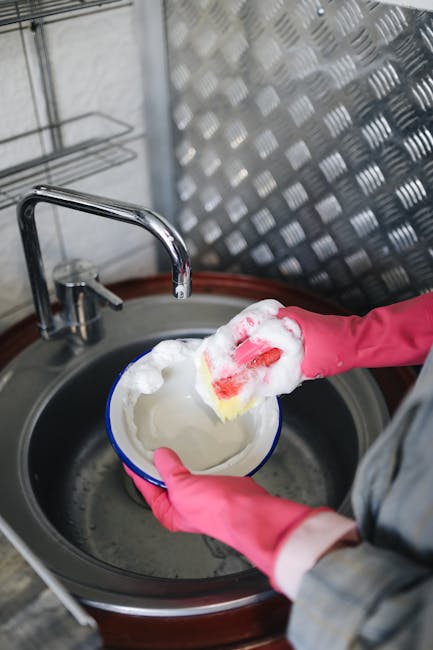
Hand washing offers a gentle cleaning method. Use warm water with mild dish soap. Avoid abrasive sponges to prevent scratches. Rinse thoroughly to remove soap residue. Dry with a soft cloth to avoid water spots.
Using Dishwasher Safely
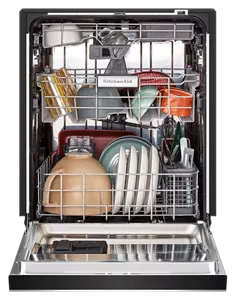
Check if your KitchenAid bowl is dishwasher-safe. Place it on the top rack to avoid damage. Use a gentle cycle to protect the bowl's surface. Avoid high heat settings. This prevents warping or discoloration.
Credit: www.kitchenaid.com
Common Mistakes To Avoid
Knowing what to avoid is just as important as knowing what to do when cleaning your Kitchen Aid bowl in the dishwasher. Small mistakes can cause damage or reduce the lifespan of your bowl. Let’s take a closer look at common errors that people often overlook but can easily fix.
Harsh Detergents
Not all dishwasher detergents are safe for Kitchen Aid bowls. Using harsh detergents with strong chemicals can dull the finish or cause discoloration over time.
Look for mild, non-abrasive detergents labeled safe for stainless steel or plastic, depending on your bowl type. Avoid powdered detergents that contain bleach or phosphates, as these can be too aggressive.
Have you ever noticed your bowl looking dull after a few washes? That might be due to detergent choice. Switching to a gentler product can make a big difference.
Incorrect Dishwasher Settings
Using the wrong dishwasher cycle can harm your Kitchen Aid bowl. High heat or long wash cycles can warp plastic bowls or weaken seals on stainless steel ones.
Choose gentle or normal cycles with moderate temperature settings to protect your bowl’s integrity. Avoid the "sanitize" or "heavy duty" settings unless absolutely necessary.
Think about how much heat your bowl can handle. Would you expose your favorite cooking pot to boiling water every day? Treat your Kitchen Aid bowl with the same care in the dishwasher to keep it looking and working like new.
Maintaining Bowl Longevity
Maintaining the longevity of your Kitchen Aid bowl ensures it stays functional and looking good. Proper care avoids damage and keeps the bowl ready for every use. Simple habits in cleaning and storage make a big difference. Follow these tips to keep your bowl in top condition for years.
Regular Cleaning Routine
Clean your Kitchen Aid bowl after each use. Wash with warm, soapy water using a soft cloth or sponge. Avoid harsh scrubbers that can scratch the surface. Rinse thoroughly to remove all soap residue. Dry the bowl completely with a soft towel to prevent water spots.
Though some Kitchen Aid bowls are dishwasher safe, hand washing extends their life. Heat and detergents in dishwashers can dull the finish over time. Regular gentle cleaning keeps the bowl shiny and prevents wear.
Storage Tips
Store your Kitchen Aid bowl in a dry, cool place. Avoid stacking heavy items on top to prevent dents or cracks. Use a soft cloth or paper towel between stacked bowls for protection. Keep the bowl away from direct sunlight to avoid discoloration.
Proper storage helps maintain the bowl’s shape and finish. It also prevents dust and dirt buildup. Organized storage makes the bowl easy to find and ready for use at any time.
Frequently Asked Questions
Can Kitchen Aid Bowl Be Cleaned In A Dishwasher?
Yes, most Kitchen Aid bowls are dishwasher safe. Always check the manufacturer's instructions to confirm. Place the bowl securely on the top rack to avoid damage during the wash cycle.
Is It Safe To Use Dishwasher For Kitchen Aid Stainless Steel Bowl?
Kitchen Aid stainless steel bowls are generally dishwasher safe. Avoid harsh detergents to maintain the bowl's finish. Hand washing is recommended for prolonged durability and to prevent scratches.
How To Prevent Damage When Washing Kitchen Aid Bowl In Dishwasher?
Place the bowl on the top rack away from heavy utensils. Use a gentle dishwasher cycle and mild detergent. Avoid overcrowding to prevent scratches and maintain the bowl’s appearance.
Can Dishwasher Harm The Finish Of Kitchen Aid Bowls?
Dishwasher heat and strong detergents can dull or damage the bowl’s finish over time. Hand washing with mild soap preserves the bowl’s shine and extends its lifespan.
Conclusion
KitchenAid bowls usually handle dishwasher cleaning well. Still, check your specific bowl’s care guide first. Some materials may not suit dishwasher heat. Hand washing can keep your bowl in better shape. Avoid harsh scrubbing to prevent scratches or damage. Proper care helps your bowl last longer.
Clean your KitchenAid bowl regularly to keep it fresh. Simple steps protect your kitchen tool and save money. You can enjoy cooking without worrying about cleaning troubles. A little care goes a long way.