

Are you tired of washing dishes by hand and ready to upgrade your kitchen with a dishwasher? Fitting a dishwasher into your kitchen might seem tricky, but it doesn’t have to be.
With the right steps and a little planning, you can easily find the perfect spot and install your new appliance without stress. In this guide, you’ll discover simple tips and clear instructions to help you fit a dishwasher smoothly into your kitchen space.
Keep reading to transform your kitchen and make dishwashing a breeze!

Credit: www.espares.co.uk
Choosing The Right Dishwasher
Choosing the right dishwasher is key for a smooth kitchen fit. The right choice saves space, energy, and effort. It also matches your kitchen’s style and your daily needs. Focus on size, type, and utility connections before buying.
Measure Your Space
Start by measuring the area for your dishwasher. Measure width, height, and depth. Check for nearby cabinets or appliances that may limit space. Leave extra room for door opening and ventilation. Accurate measurements prevent fitting problems later.
Select Dishwasher Type
Decide the dishwasher type that suits your kitchen and lifestyle. Choose from built-in, countertop, portable, or drawer models. Built-in dishwashers are common for permanent installation. Countertop models fit small kitchens. Portable dishwashers offer flexibility. Drawer dishwashers are good for small loads.
Check Power And Water Supply
Ensure your kitchen has proper power and water supply. Most dishwashers need a 120V power outlet nearby. Check for a water line connection under the sink. Confirm a drain line is available for wastewater. Proper supply lines avoid installation delays and extra costs.
Gathering Tools And Materials
Before you begin fitting a dishwasher in your kitchen, gathering the right tools and materials is key to a smooth installation. Having everything prepared helps you avoid frustrating delays and unexpected trips to the hardware store. It also ensures you can handle any small challenges that pop up during the process without interruption.
Essential Tools List
- Tape Measure:Accurate measurements are crucial for fitting your dishwasher into the designated space.
- Screwdrivers:Both flathead and Phillips screwdrivers will be needed to remove panels and secure screws.
- Adjustable Wrench:This tool helps you tighten water supply lines and drain connections.
- Level:Ensuring your dishwasher is perfectly level prevents leaks and improves performance.
- Drill with Bits:Sometimes you need to drill mounting holes or adjust cabinetry for fit.
- Pliers:Useful for gripping and bending wires or small pipes.
- Bucket and Towels:Water spills happen; be prepared to catch and clean them up quickly.
Additional Supplies Needed
- Dishwasher Installation Kit:This usually contains the water supply line, drain hose, and mounting brackets.
- Plumber’s Tape (Teflon Tape):Use this to create watertight seals on threaded pipe connections.
- Wire Nuts:If your dishwasher needs to be hardwired, wire nuts will secure your electrical connections safely.
- Silicone Sealant:Applying a thin bead around the dishwasher edges can prevent water leaks.
- Extension Cord or Power Cord:Check if your dishwasher’s power cord reaches the outlet; if not, an extension or replacement cord may be necessary.
Have you checked if your kitchen setup requires any special parts or tools? Sometimes, older homes need adapters or extra fittings. Preparing for these possibilities saves you from last-minute surprises.
Preparing The Installation Area
Clear the space where the dishwasher will go. Measure the area to ensure the appliance fits properly. Check for nearby water and electrical connections before starting.
Preparing your kitchen for a new dishwasher installation can feel like an exciting yet daunting task. The key to a smooth installation is organizing your space and ensuring everything is ready for the new addition. With a little planning, you can set up the perfect spot for your dishwasher and make the process hassle-free.
Clear The Space
Start by removing any obstacles from the designated area. This includes clearing out old appliances, furniture, or any other items that might be in the way. You want a clean, uncluttered area that allows you to move freely and work efficiently. Consider the dimensions of your new dishwasher. Make sure there's enough room not just for the machine but also for you to comfortably access it. Measure twice to avoid any surprises.
Ensure Proper Ventilation
Adequate ventilation is crucial for the optimal performance of your dishwasher. Ensure there is enough space for air to circulate around the machine. This helps prevent overheating and prolongs the life of your appliance. Is there enough airflow in your kitchen? If not, you might need to consider rearranging some elements or adding additional ventilation options.
Check Plumbing And Electrical Connections
Make sure your plumbing and electrical connections are in good condition before installing your dishwasher. Check for any leaks or damages in the pipes. A small leak now can turn into a bigger problem later. Ensure your electrical outlets are in proper working order. Dishwashers require a dedicated circuit, so confirm that your setup meets this requirement. If you're not sure, consulting a professional might be a wise choice. In my experience, taking a few extra minutes to double-check these connections can save hours of frustration later. Are you ready to tackle this project? With the right preparation, your new dishwasher will be up and running in no time!
Credit: www.maytag.com
Installing The Dishwasher
Installing the dishwasher is a vital part of fitting it into your kitchen. It requires careful placement and secure connections. Proper installation ensures the dishwasher works safely and efficiently.
Position The Dishwasher
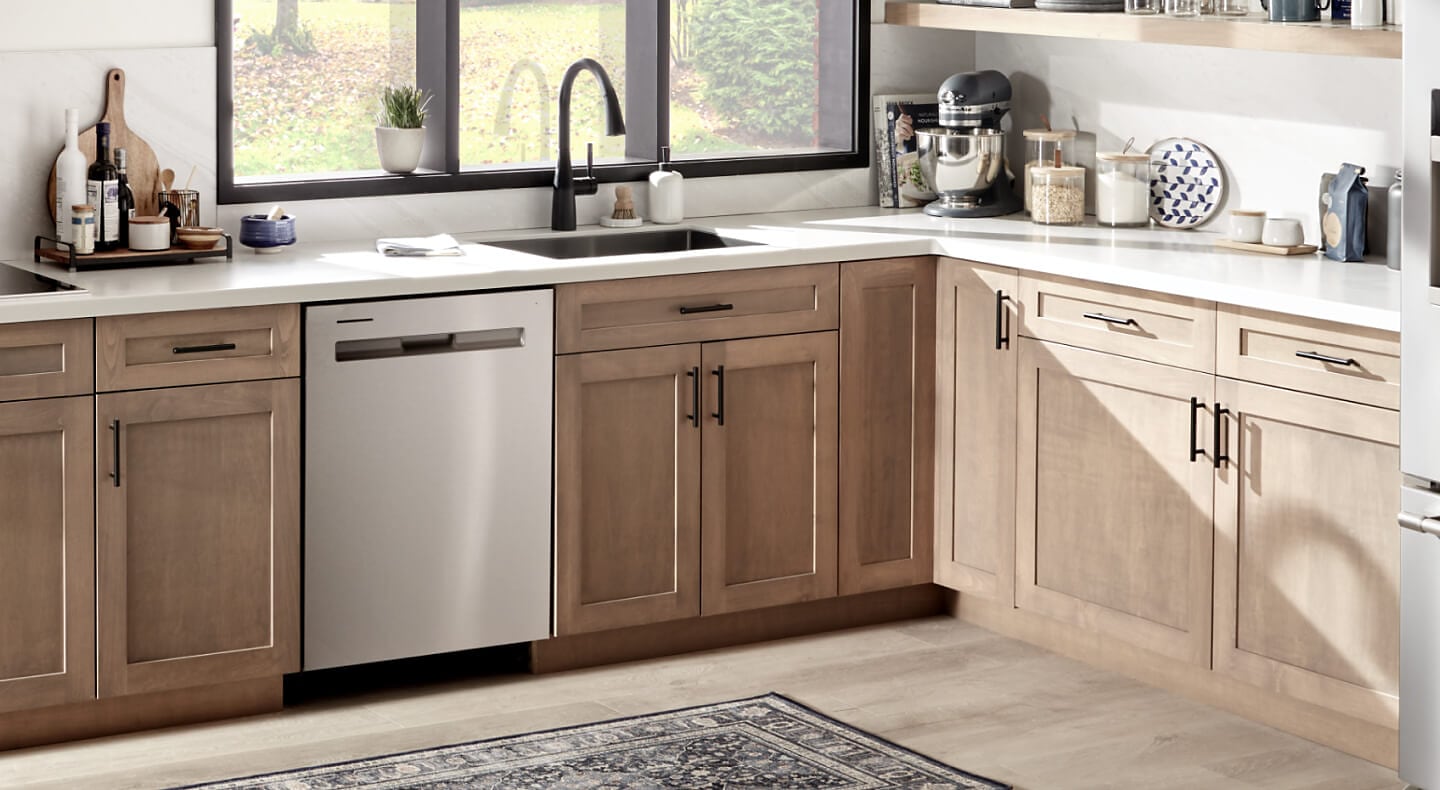
Slide the dishwasher into the cabinet space. Make sure it fits snugly without forcing it. Keep the front edge aligned with the counter. Check for level using a spirit level tool. Adjust the feet if needed to balance it.
Connect Water Supply
Locate the water inlet valve on the dishwasher. Attach the water supply line tightly to avoid leaks. Use plumber’s tape on threaded connections. Turn on the water and check for drips. Tighten connections if any water appears.
Attach Drain Hose
Connect the drain hose to the dishwasher’s drain outlet. Secure the hose with a clamp to prevent leaks. Attach the other end to the sink drain or garbage disposal. Make sure the hose has a high loop to stop backflow.
Connect Electrical Wiring
Turn off power at the circuit breaker before wiring. Open the dishwasher’s electrical panel. Connect the wires matching colors: black to black, white to white, and green to ground. Use wire nuts to secure connections. Close the panel and restore power.
Secure The Unit
Fasten the dishwasher to the countertop or cabinet sides. Use mounting brackets and screws supplied with the unit. This prevents movement during operation. Double-check that the dishwasher is stable and level. Adjust screws or brackets if necessary.
Testing The Installation
Testing the installation of your dishwasher ensures it works properly and safely. This step helps catch issues early before regular use. Check the appliance’s functions and connections carefully. Confirm everything is secure and operating as expected. This process saves time and prevents damage.
Run A Test Cycle
Start by running a short wash cycle without dishes. Listen for unusual noises or vibrations. Watch the dishwasher to ensure it fills with water and drains correctly. This test checks the basic operation and water flow. It also helps confirm the dishwasher is level and stable.
Check For Leaks
Look under and around the dishwasher for water leaks. Inspect the water inlet and drain hoses carefully. Use a dry cloth to detect moisture on fittings and connections. Leaks can cause damage to your floor and cabinets. Fix any leaks immediately to avoid bigger problems.
Verify Electrical Safety
Ensure the dishwasher’s power cord is plugged into a grounded outlet. Check that the electrical connection is tight and secure. Avoid using extension cords as they pose fire risks. Test the dishwasher’s power switch and controls for proper response. Electrical safety prevents hazards and keeps your kitchen safe.
Troubleshooting Common Issues
Installing a dishwasher can be straightforward but issues may arise. Troubleshooting helps fix common problems quickly. Understanding these issues saves time and avoids damage.
Many problems relate to water flow, drainage, or electrical systems. Identifying the cause leads to the right solution. Here are common issues and simple ways to handle them.
Water Not Filling
The dishwasher may not fill with water due to a few reasons:
- Check if the water supply valve is fully open.
- Inspect the inlet hose for kinks or blockages.
- Examine the water inlet valve for damage or clogs.
- Ensure the float switch inside the dishwasher moves freely.
Fixing these points often restores proper water flow quickly.
Drainage Problems
Drainage issues cause water to pool inside the dishwasher. Common causes include:
- Clogged drain hose or air gap.
- Blocked garbage disposal connection.
- Faulty drain pump or filter.
- Improper hose installation causing backflow.
Clear blockages and check pump function to improve drainage.
Electrical Malfunctions
Electrical issues can stop the dishwasher from starting or running properly. Check for:
- Loose or damaged power connections.
- Blown fuses or tripped circuit breakers.
- Faulty door latch preventing operation.
- Malfunctioning control panel or timer.
Safety first: disconnect power before inspecting electrical parts.
Maintenance Tips For Longevity
Proper maintenance extends your dishwasher’s life and keeps it working well. Simple habits prevent buildup and damage. Clean parts regularly and check connections to avoid leaks and clogs. Follow these tips to keep your dishwasher in top shape for years.
Regular Cleaning
Wipe the door edges and seals often to stop mold and dirt. Run an empty cycle with dishwasher cleaner monthly. This removes grease and food particles inside. Clean spray arms by rinsing them under warm water to clear blockages. These steps keep water flowing and dishes spotless.
Filter Care
Remove the filter and rinse it under running water weekly. Use a soft brush to scrub away stuck bits. A clean filter stops food debris from clogging drains and pumps. Check the filter fits well after cleaning to avoid leaks.
Inspecting Hoses And Connections
Look at water hoses for cracks or wear every few months. Tighten loose connections to prevent water leaks. Replace damaged hoses immediately to avoid floods. Check the drain hose is clear and not bent. Good hose condition ensures proper water flow.
Credit: www.maytag.com
Frequently Asked Questions
How Do I Measure Space For A Dishwasher In Kitchen?
Measure the width, height, and depth of the available space. Ensure at least 24 inches wide and 24 inches deep for standard dishwashers. Leave room for plumbing and electrical connections. Accurate measurement prevents fitting issues and ensures smooth installation.
What Tools Are Needed To Fit A Dishwasher?
Basic tools include a screwdriver, drill, adjustable wrench, tape measure, and level. You may also need pliers and a utility knife. These tools help secure the dishwasher and connect plumbing and electrical lines safely.
How To Connect Dishwasher To Plumbing And Electrical?
Attach the dishwasher drain hose to the sink drain or garbage disposal. Connect the water supply line to the hot water valve. Plug the dishwasher into a grounded electrical outlet or hardwire it safely. Follow manufacturer instructions for precise connections.
Can I Fit A Dishwasher Without Professional Help?
Yes, if you have basic plumbing and electrical skills. Carefully follow the installation manual and safety guidelines. However, consider hiring a professional for complex setups or if unsure about wiring and plumbing.
Conclusion
Fitting a dishwasher in your kitchen saves time and effort. Measure the space carefully before buying the unit. Choose a model that fits your kitchen style and size. Connect water and power sources safely and correctly. Test the dishwasher to ensure it works well.
A well-placed dishwasher makes cleaning easier every day. Small changes can make a big difference in your kitchen. Enjoy a cleaner kitchen with less hassle.