
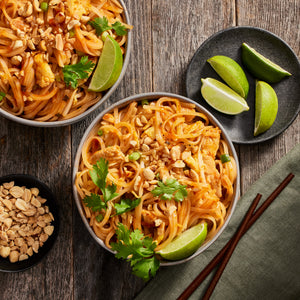
If you’ve ever tried Thai food, you know how delicious those soft, chewy rice noodles can be. But cooking Thai Kitchen rice noodles just right can feel tricky if you don’t know the simple steps.
You want noodles that are perfectly tender—not mushy or sticky. Imagine serving a dish where your noodles soak up every flavor beautifully. In this post, you’ll discover easy tips that make cooking these noodles quick and foolproof. By the end, you’ll feel confident creating authentic Thai meals that impress every time.
Ready to master your rice noodles? Let’s dive in!
Choosing The Right Rice Noodles
Choosing the right rice noodles can make or break your Thai dish. Different recipes call for different noodle types, so knowing which one to use is essential. Picking the wrong noodle might change the texture or even the flavor of your meal.
Types Of Thai Rice Noodles
Thai cuisine offers a variety of rice noodles, each with its own unique texture and use. Here are some common types you should know:
- Sen Lek:Thin, flat noodles often used in Pad Thai and stir-fries.
- Sen Yai:Wide, flat noodles perfect for dishes like Pad See Ew.
- Vermicelli (Sen Mee):Very thin noodles usually served in soups or cold salads.
- Glass Noodles (Woon Sen):Translucent noodles made from mung bean starch, great for soups and spring rolls.
Choosing the right type depends on the dish you want to prepare and the texture you prefer. Have you ever tried cooking with wide rice noodles? They give a chewy bite that’s hard to beat.
Where To Buy Quality Noodles
Finding quality rice noodles can be tricky if you don’t know where to look. Asian grocery stores often have a wide selection at reasonable prices. You’ll find fresh noodles there, which cook faster and taste better than dried ones.
If you don’t have an Asian market nearby, check online retailers specializing in Asian ingredients. Read reviews to ensure freshness and authenticity before buying. Have you noticed how fresh noodles can change the whole cooking experience?
Also, consider trying local farmers’ markets or specialty stores. Sometimes small vendors carry artisanal rice noodles that add a unique touch to your dishes. Don’t hesitate to ask for recommendations or cooking tips—they often know the best products.

Credit: www.hungryhuy.com
Preparing Rice Noodles For Cooking
Preparing rice noodles correctly is essential for an authentic Thai dish. Proper preparation ensures the noodles cook evenly and stay tender. Rice noodles are delicate and need gentle handling before cooking.
Soaking softens the noodles, making them pliable. Skipping this step can cause uneven cooking or breakage. Pay attention to soaking time and water temperature for the best results.
Soaking Techniques
Use cold or room temperature water to soak rice noodles. Hot water can make noodles too soft and mushy. Place noodles in a large bowl and cover with water.
Let them soak for 20 to 30 minutes. Thinner noodles need less time, about 10 to 15 minutes. Stir gently to separate stuck noodles. Drain the water completely before cooking.
Avoiding Common Mistakes
- Do not soak noodles too long; they become soggy and break easily.
- Avoid using boiling water unless the recipe says so; it cooks noodles too fast.
- Do not rinse noodles after soaking; it washes away starch that helps sauce stick.
- Drain noodles well; excess water can dilute your dish’s flavors.
- Handle noodles gently to prevent tearing or clumping.
Cooking Methods For Rice Noodles
Cooking Thai kitchen rice noodles can be an exciting culinary adventure. Whether you're new to Thai cuisine or an experienced cook, mastering the cooking methods for these noodles is essential. You'll find that these methods can enhance both the texture and flavor of your dishes.
Boiling Tips
Boiling rice noodles might sound simple, but timing is everything. Start by bringing a pot of water to a boil. Add the noodles and immediately turn off the heat to prevent overcooking.
Let them soak for 5-7 minutes, depending on their thickness. Stir occasionally to ensure they don't stick together. Have you ever tried a bite of your noodles to check their doneness? If not, give it a try. It’s the best way to gauge their readiness.
After soaking, drain the noodles and rinse them under cold water. This stops the cooking process and removes excess starch. Tossing them with a bit of oil can help prevent sticking.
Stir-frying Tips
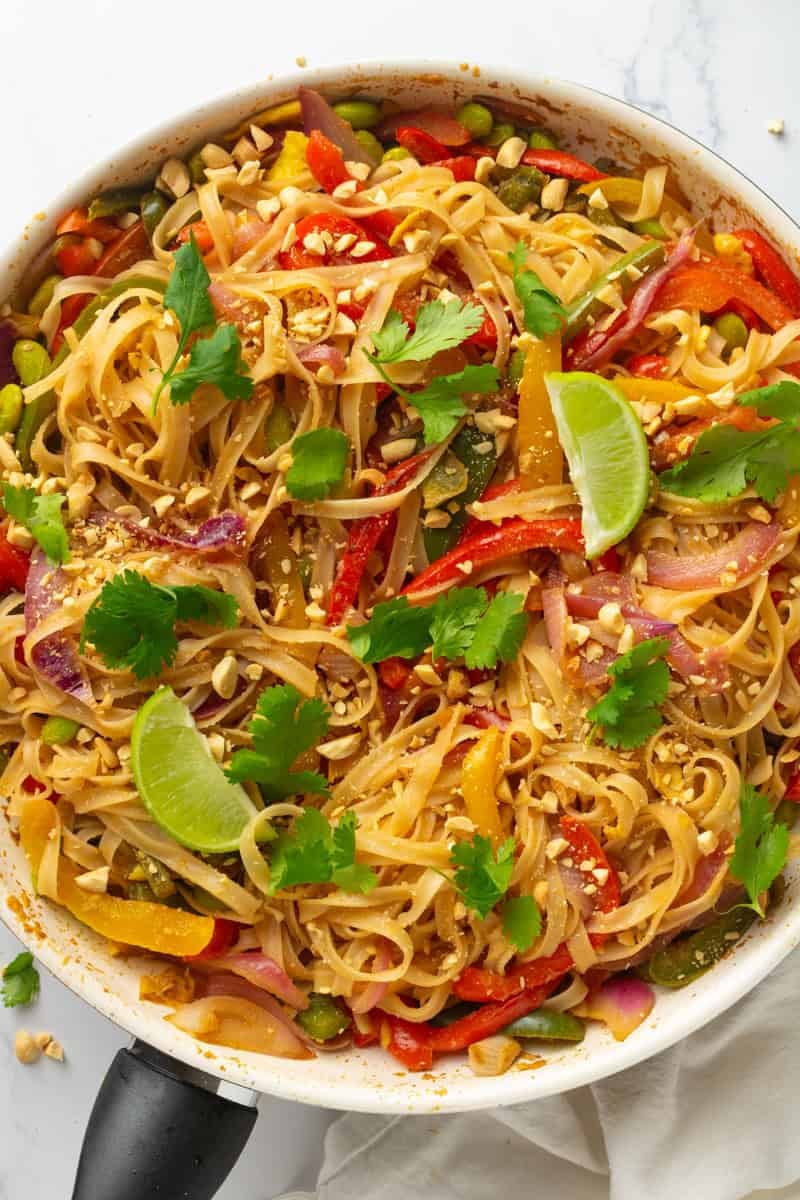
Stir-frying rice noodles can transform them into a deliciously savory dish. It’s crucial to prepare your ingredients before you start. Once your noodles are boiled and ready, heat some oil in a pan over medium-high heat.
Add your choice of protein and vegetables. Push them to the side of the pan and add the noodles. Stir-fry everything together for a few minutes.
Ensure the noodles are well-coated with sauce and evenly heated. Are you looking for that perfect balance of flavors? Consider adding a mix of soy sauce, fish sauce, and lime juice for an authentic Thai taste.
Remember, practice makes perfect. Each time you cook, you'll refine your technique and discover new ways to enjoy Thai rice noodles.

Credit: www.amazon.com
Enhancing Flavor And Texture
Enhancing the flavor and texture of Thai kitchen rice noodles transforms a simple dish into a memorable meal. The right additions bring depth and balance to the noodles. Focus on liquids and fresh ingredients to create layers of taste and pleasing textures.
Using Broth And Sauces
Cooking rice noodles in broth adds rich flavor from the start. Use chicken, vegetable, or beef broth instead of plain water. Let noodles soak or simmer briefly to absorb taste.
After cooking, toss noodles with sauces for extra flavor and gloss. Popular options include:
- Soy sauce for salty notes
- Fish sauce for umami depth
- Tamarind paste for tanginess
- Oyster sauce for sweetness and body
- Chili sauce for mild heat
Mix sauces gently to coat noodles evenly without breaking them. This method highlights the noodles’ texture and boosts flavor.
Adding Fresh Ingredients
Fresh ingredients give texture contrast and brightness to rice noodles. Add crisp vegetables like bean sprouts, shredded carrots, or sliced bell peppers. Fresh herbs such as cilantro, Thai basil, and mint add aroma and freshness.
Include crunchy nuts like peanuts or cashews for a satisfying bite. A squeeze of lime juice brightens the dish and balances richness. These elements lift the noodles, making each bite exciting and flavorful.
Storing And Reheating Tips
Storing and reheating Thai kitchen rice noodles properly keeps their texture and flavor fresh. Knowing the right methods prevents noodles from becoming mushy or sticky. This guide helps you save leftovers with ease.
Proper Storage Methods
Cool the noodles to room temperature before storing. Warm noodles trap steam and cause sogginess. Use an airtight container to keep moisture out. Refrigerate noodles within two hours of cooking. Rice noodles last 3 to 4 days in the fridge.
- Sprinkle a little oil on the noodles to prevent sticking.
- Separate portions to reheat only what you need.
- Label containers with the date for freshness tracking.
Reheating Without Losing Texture
Reheat noodles gently to keep their chewiness. Avoid microwaving directly without moisture; it dries out noodles. Use a pan with a small amount of water or broth. Heat on low, stirring often until warm. Steaming is another gentle option for reheating.
- Add a splash of water before reheating to restore moisture.
- Stir frequently to heat evenly.
- Do not overheat to prevent mushy noodles.
Credit: pinchmegood.com
Frequently Asked Questions
How Long Should I Soak Thai Rice Noodles?
Soak Thai rice noodles in warm water for 30 to 45 minutes. This softens them for cooking. Avoid soaking too long to prevent mushiness.
Can I Cook Thai Rice Noodles Without Boiling?
Yes, soak noodles until tender, then briefly stir-fry. Boiling is not mandatory and can make noodles too soft.
What’s The Best Way To Prevent Sticky Rice Noodles?
Rinse noodles with cold water after soaking. Toss with a little oil to keep them separate and prevent sticking.
How Do I Know When Thai Rice Noodles Are Cooked?
Noodles are done when tender but still firm. They should be soft yet slightly chewy, not mushy or hard.
Conclusion
Cooking Thai kitchen rice noodles can be simple and fun. Follow the steps carefully to get soft, tasty noodles. Use fresh ingredients to add real flavor to your dish. Practice a few times to improve your skills. Enjoy your homemade Thai noodles with your favorite sauces and toppings.
Share your delicious meal with family or friends. Cooking at home brings joy and saves money. Try different recipes to find what you like best. Keep experimenting and have fun in your kitchen!