

Have you ever wondered what makes your kitchen oven such an essential part of cooking? Whether you're baking a cake, roasting vegetables, or reheating leftovers, your oven plays a key role in turning simple ingredients into delicious meals.
But what exactly is a kitchen oven, and how does it work to bring flavor and warmth to your food? By understanding this everyday appliance better, you can unlock new cooking possibilities and make your time in the kitchen more enjoyable.
Keep reading to discover everything you need to know about your kitchen oven and how it can transform your cooking experience.

Credit: www.consumerreports.org
Types Of Kitchen Ovens
Choosing the right kitchen oven can change how you cook and the results you get. Different types of ovens offer unique features that suit various cooking styles and kitchen spaces. Understanding these options helps you pick an oven that fits your needs and makes cooking easier and more enjoyable.
Conventional Ovens
Conventional ovens use heating elements at the top and bottom to cook food evenly. They are great for baking and roasting because they provide consistent heat. If you enjoy traditional baking, like bread or casseroles, this oven type might be your best friend.
Convection Ovens
Convection ovens add a fan to circulate hot air around your food. This helps cook meals faster and more evenly, which can save you time. You might notice your cookies come out crispier or your roast juicier with this oven.
Microwave Ovens
Microwave ovens heat food quickly using electromagnetic waves. They're perfect for reheating leftovers or cooking simple meals fast. But did you know some microwaves also have grilling and baking features? That makes them more versatile than you might think.
Toaster Ovens
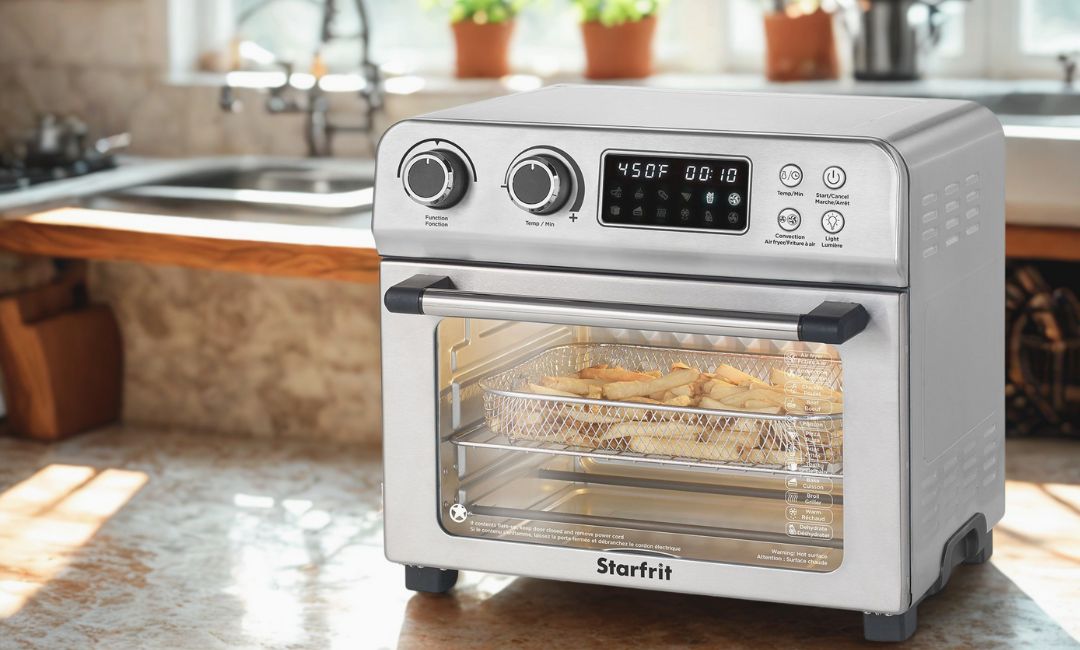
Toaster ovens are compact and great for small kitchens or quick tasks like toasting bread or baking a small pizza. They use less energy than full-sized ovens and heat up fast. If you often cook for one or two people, this could be the ideal choice.
Wall Ovens
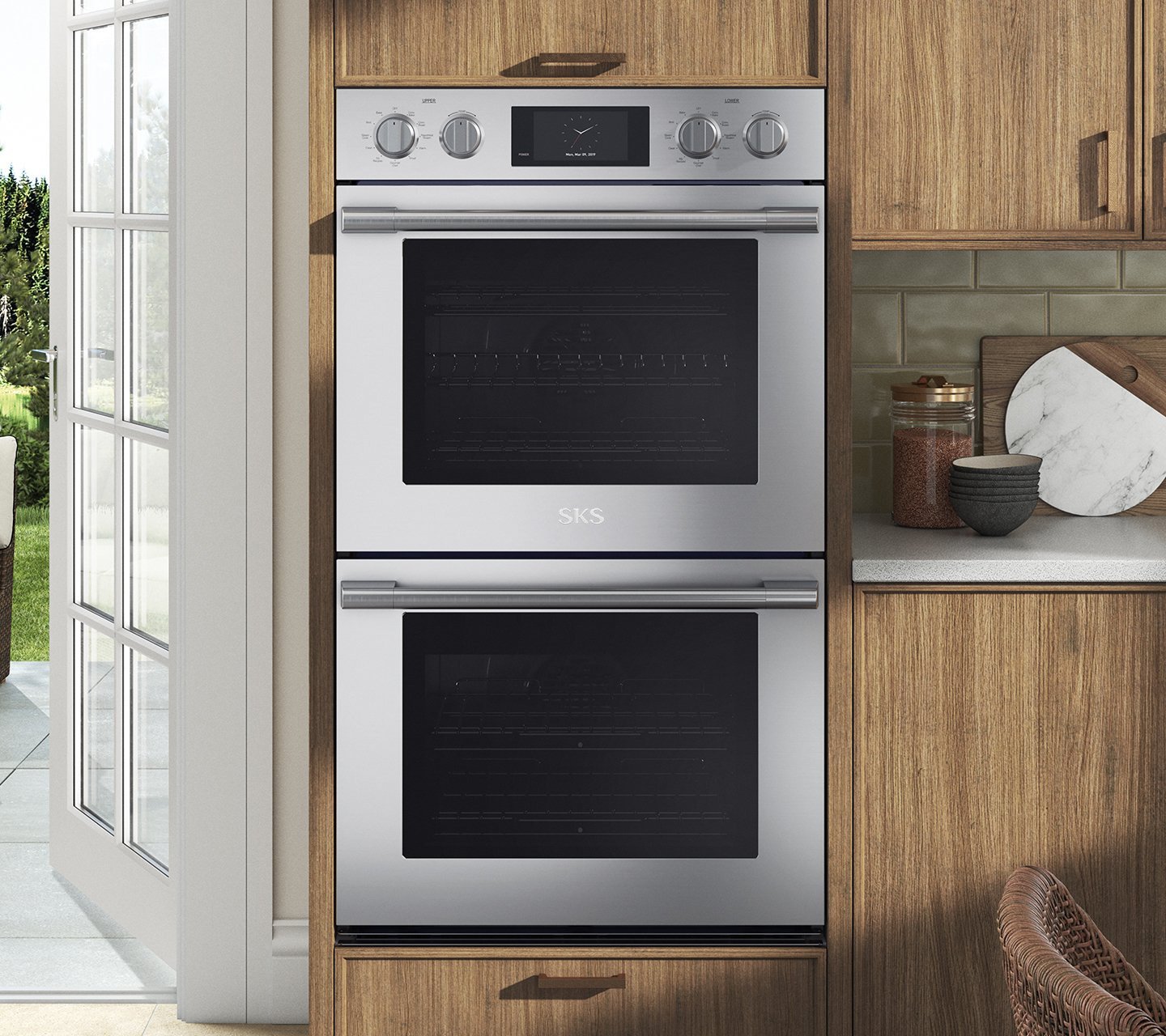
Wall ovens are built into your kitchen walls, saving floor space and giving a sleek look. They come in single or double oven options, allowing you to cook multiple dishes at different temperatures. Have you considered how much counter space you could free up with one?
Key Features Of Kitchen Ovens
Understanding the key features of kitchen ovens can help you choose the right model for your cooking needs. Each feature plays a vital role in how you prepare meals, save time, and manage energy use. Let’s break down the essential aspects to consider before making your decision.
Temperature Control
Precise temperature control is crucial for consistent cooking results. Many ovens now offer digital thermostats that allow you to set exact temperatures rather than relying on approximate dials. Have you noticed how baking a cake turns out better when you can maintain a steady temperature?
Cooking Modes
Different cooking modes expand what your oven can do. Options like bake, broil, roast, and convection help you tailor the heat and airflow to specific dishes. Do you often find yourself wishing your oven could handle more than just basic baking?
Self-cleaning Options
Cleaning an oven can be a tedious chore. Self-cleaning ovens use high heat or steam to burn off food residue, saving you time and effort. Imagine coming home after a busy day and having your oven ready to use without scrubbing it first.
Size And Capacity
The size of the oven affects the amount and type of food you can cook. Compact ovens work well for small kitchens and simple meals, while larger models suit families or those who entertain often. Have you considered how much space you really need for your cooking habits?
Energy Efficiency
Energy-efficient ovens reduce electricity bills and environmental impact. Look for models with good insulation and energy-saving settings. Wouldn’t it be great to cook your favorite meals while also cutting down on energy waste?
Benefits Of Using A Kitchen Oven
A kitchen oven helps cook food evenly and saves time. It allows baking, roasting, and grilling all in one appliance. Using an oven makes meal preparation easier and more efficient.
The kitchen oven is more than just a tool for baking cakes or roasting chicken. It's a culinary powerhouse that can elevate your cooking experience to new heights. From perfectly crispy pizzas to tender roasts, the benefits of using a kitchen oven are numerous and can transform everyday meals into gourmet delights.
Even Cooking Results
One of the greatest advantages of a kitchen oven is its ability to provide even cooking results. Unlike stovetops that may cook food unevenly due to hotspots, ovens distribute heat consistently. This means your lasagna will be perfectly browned on top and cooked thoroughly in the middle. Have you ever tried baking cookies and ended up with some burnt and others undercooked? An oven can solve that problem, ensuring each cookie is baked to perfection.
Versatility In Recipes
The versatility of a kitchen oven is unparalleled. Whether you're baking bread, roasting vegetables, or grilling fish, the oven can handle it all. You can even try your hand at making homemade pizzas with that perfectly crisp crust. Feeling adventurous? How about a soufflé or a batch of macarons? The possibilities are endless, making your culinary adventures both exciting and limitless.
Time-saving Functions
In our fast-paced world, time is of the essence. Kitchen ovens come equipped with features like timers and pre-set functions that help you manage your cooking time efficiently. Instead of standing over a stove, you can pop your dish in the oven and let it cook while you attend to other tasks. Imagine preparing a full course meal without the constant supervision — that's the time-saving magic of a kitchen oven.
Enhanced Flavor And Texture
When you cook in an oven, flavors meld beautifully, and textures are enhanced in a way that's hard to achieve with other cooking methods. A slow-roasted chicken, for example, will have a crispy skin and juicy interior, bursting with flavor. Have you noticed how baked goods like muffins and cakes have a delightful texture? That's the oven working its magic, creating layers of taste and texture in every bite.
Improved Kitchen Safety
Safety is a crucial aspect of any cooking endeavor. Ovens are generally safer than open flames on a stovetop, reducing the risk of accidental burns. Plus, modern ovens come with features like auto shut-off and child locks, offering peace of mind. If you've ever had a pot boil over on the stove, you'll appreciate the controlled environment an oven provides. It's a safer and more reliable way to cook your favorite dishes.
Choosing The Right Oven For Your Needs
Choosing the right kitchen oven can transform your cooking experience. It’s not just about picking a model that looks good; it’s about matching the oven to your lifestyle, kitchen space, and cooking style. Thinking through your needs carefully helps you avoid regrets and get an oven that truly serves you well.
Assessing Cooking Habits
Consider how often you cook and what types of dishes you prepare. Are you baking bread weekly, roasting meats, or mainly reheating leftovers? If baking is your passion, a convection oven with even heat distribution might be a better fit.
Think about the size of your meals. Do you cook for a family or just yourself? This influences the oven capacity you need. An oven too small or too large can affect cooking times and energy use.
Space And Installation Considerations
Measure your kitchen space carefully before choosing an oven. Will it be a built-in model or a freestanding unit? Built-in ovens save counter space but require professional installation.
Also, consider the oven door style—drop-down doors need clearance space, while side-opening doors might suit tighter kitchens better. Check if your kitchen’s electrical system supports the oven’s power needs.
Budget And Brand Options
Set a realistic budget but don’t sacrifice quality for cost. Reliable brands often offer better warranties and customer support. Sometimes spending a bit more upfront saves money on repairs later.
Look for brands with positive reviews and good service networks. Compare features and prices across brands to find a balance between cost and functionality that suits your wallet.
Energy Consumption
Energy efficiency matters not just for the environment but also for your electricity bill. Ovens with Energy Star ratings use less power without compromising performance.
Consider ovens with features like convection cooking, which reduces cooking times and energy use. Ask yourself: Would a gas oven be more economical than electric in your area?
Maintenance And Durability
Ovens need regular cleaning and occasional repairs. Choose models with easy-to-clean interiors like self-cleaning or catalytic liners to save time.
Durability matters if you want an oven that lasts. Stainless steel finishes resist stains and rust, while solid knobs and hinges reduce wear. Ask if replacement parts are readily available for the model you like.
Tips For Oven Maintenance
Keeping your kitchen oven in top shape is easier than you might think. Proper maintenance not only extends the life of your oven but also ensures your food cooks evenly every time. Let’s dive into practical tips that you can start applying today to keep your oven clean, efficient, and safe.
Regular Cleaning Practices
Grease and food spills build up quickly inside an oven, affecting its performance. Clean your oven regularly by wiping down spills as soon as it cools. Use a mixture of baking soda and water to scrub stubborn stains gently—avoid harsh chemicals that could damage surfaces.
Don’t forget to clean the oven racks separately. Soaking them in warm, soapy water makes scrubbing easier and keeps your oven smelling fresh. How often do you clean your oven racks? Making it a habit can save you from tougher cleaning sessions later.
Checking Seals And Components
The oven door seal is crucial for maintaining temperature. Over time, seals can wear out or get damaged, causing heat loss and uneven cooking. Inspect the gasket regularly and replace it if you notice cracks or tears.
Also, check other components like knobs, heating elements, and the interior light. A loose knob or faulty heating element can affect how your oven works. Small fixes here can prevent bigger problems down the line.
Avoiding Common Mistakes
Many people make the mistake of using abrasive tools that scratch the oven’s interior. Avoid steel wool or metal scrubbers; instead, opt for soft sponges and cloths. Using the wrong cleaning products can also leave residues that affect your food’s taste.
Another common error is overcrowding the oven, which blocks air circulation and causes uneven cooking. Make sure to leave enough space between dishes and avoid stacking racks unless your oven manual says it’s okay.
When To Call A Professional
Not all oven problems are DIY-friendly. If you notice unusual noises, persistent smells, or inconsistent heating despite your maintenance efforts, it might be time to get expert help. Trying to fix electrical or gas components yourself can be dangerous.
Scheduling a professional inspection annually can catch issues early and keep your oven running smoothly. Have you ever ignored a small oven issue only for it to turn into a costly repair? Don’t wait—some problems need expert hands.
Credit: signaturekitchensuite.com
Credit: www.starfrit.com
Frequently Asked Questions
What Is A Kitchen Oven Used For?
A kitchen oven is used to bake, roast, and broil food. It provides consistent heat, ensuring even cooking. Ovens are essential for preparing various dishes, from cakes to casseroles. They offer precise temperature control for perfect results every time.
How Does A Kitchen Oven Work?
A kitchen oven works by heating air inside its chamber. This hot air cooks food evenly from all sides. Most ovens use electricity or gas as a heat source. The temperature can be adjusted to suit different recipes and cooking methods.
What Are Common Types Of Kitchen Ovens?
Common kitchen ovens include conventional, convection, and microwave ovens. Conventional ovens use heating elements for radiant heat. Convection ovens add a fan for even heat distribution. Microwave ovens cook food quickly using electromagnetic waves. Each type suits different cooking needs.
How To Choose The Right Kitchen Oven?
Choose a kitchen oven based on cooking habits and kitchen size. Consider oven capacity, fuel type, and features like self-cleaning. Energy efficiency and budget also matter. Select an oven that fits your cooking style and space requirements.
Conclusion
A kitchen oven helps cook food evenly and quickly. It comes in many types, like gas and electric. Ovens make baking, roasting, and grilling simple tasks. Choosing the right oven depends on your cooking needs. Understanding how ovens work improves your kitchen skills.
A good oven saves time and energy. Try different recipes to enjoy your oven fully. Cooking at home becomes easier and more fun with an oven. This tool is a helpful part of any kitchen.