
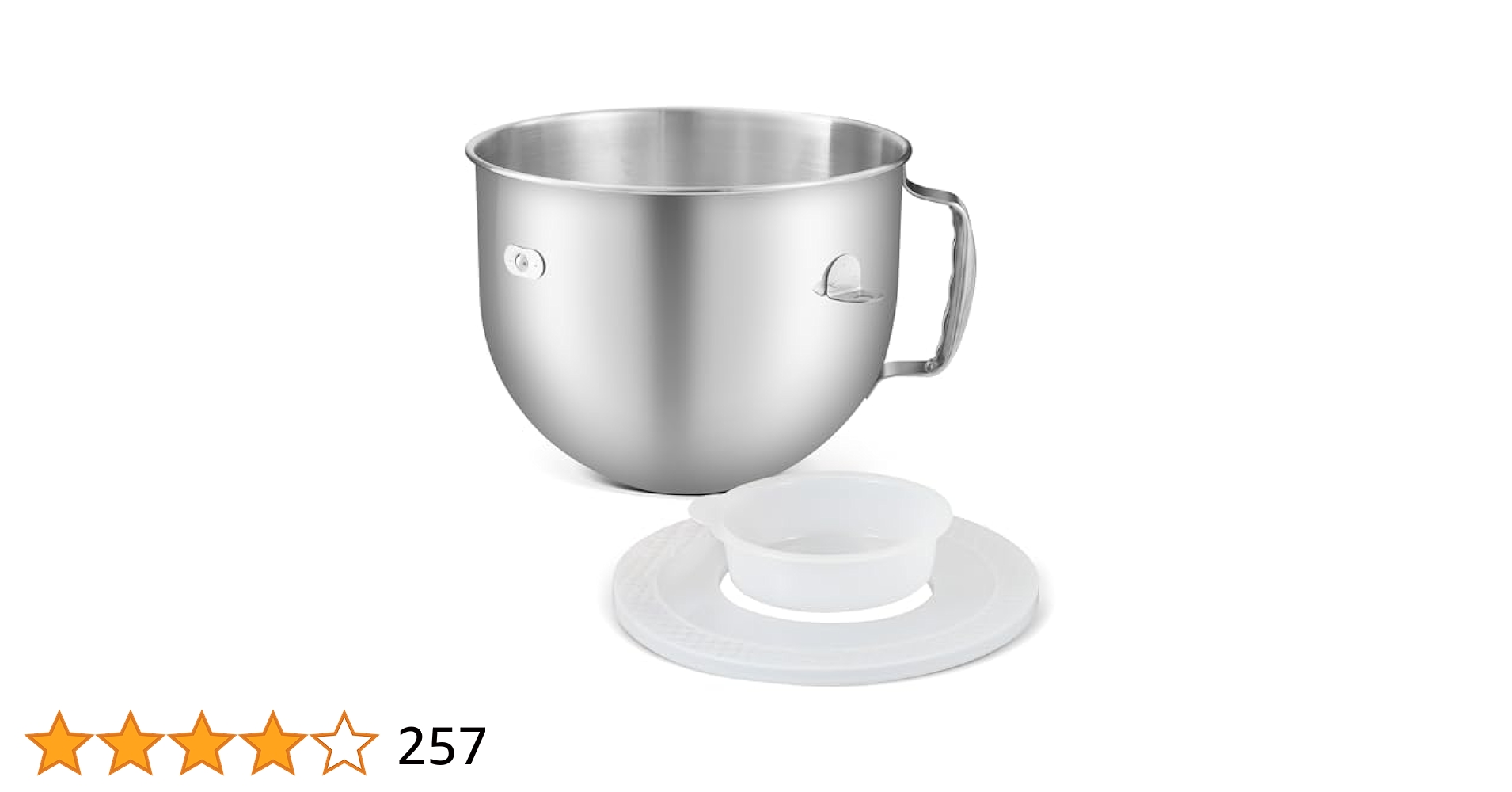
If you love cooking or baking, you probably rely on your KitchenAid stainless steel bowl every day. But have you ever wondered if it’s safe to toss it in the dishwasher?
You want to save time and effort, but also keep your bowl looking new and working perfectly. You’ll discover the simple truth about cleaning your KitchenAid stainless steel bowl. Keep reading to learn how to care for it the right way—and avoid costly mistakes that could damage your favorite kitchen tool.
Credit: www.kitchenaid.com
Kitchen Aid Stainless Steel Bowl Basics
The Kitchen Aid stainless steel bowl is a staple in many kitchens, known for its durability and versatility. Understanding its basic features can help you decide how to care for it and maximize its use. Let’s dive into what makes this bowl special and how it fits into your cooking routine.
Material Features
The bowl is made from high-quality stainless steel, which resists rust and corrosion. This material is non-reactive, so it won’t affect the taste or color of your food. Its sturdy construction means it can handle heavy mixing without bending or denting.
Stainless steel also stays cool to the touch, making it ideal for tasks that require temperature control, like whipping cream or chilling dough. Plus, the polished surface makes cleaning easier, whether you wash it by hand or in the dishwasher.
Common Uses
You’ll find this bowl perfect for mixing ingredients for cakes, cookies, and bread. It works well with both electric mixers and manual whisking. Many people also use it for marinating meats or tossing salads because it’s easy to clean afterward.
Have you ever struggled with bowls that slip while you whisk? The Kitchen Aid stainless steel bowl offers a solid base that stays steady during use. Think about your kitchen tasks—could this bowl simplify your prep and clean-up?
Credit: www.kitchenaid.com
Dishwasher Safety For Stainless Steel Bowls
Understanding dishwasher safety for your Kitchen Aid stainless steel bowl is key to maintaining its shine and functionality. Not all stainless steel bowls are created equal, and your approach to cleaning can either extend the life of your bowl or cause unexpected damage. Let's look closely at what manufacturers say and the risks you should consider before tossing your bowl into the dishwasher.
Manufacturer Guidelines
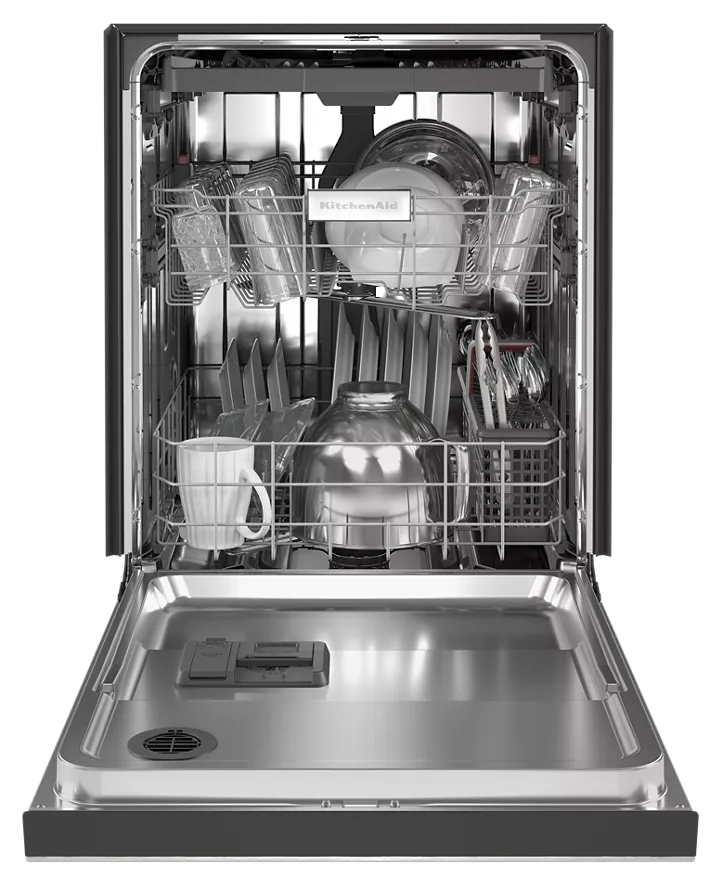
Kitchen Aid generally designs their stainless steel bowls to be dishwasher safe. However, the label might come with specific instructions about placement inside the dishwasher.
- Place the bowl in the top rack to avoid excessive heat exposure.
- Avoid using harsh detergents that can dull the finish over time.
- Check for any warnings about prolonged dishwasher cycles, which might affect the bowl's surface.
Have you ever noticed a difference in how your bowl looks after multiple dishwasher cycles? This is often related to following or ignoring these guidelines.
Potential Risks
Even if a bowl is labeled dishwasher safe, some risks remain. High heat and aggressive detergents can cause discoloration or tiny dents.
- Hard water spots may form, making the bowl look dull and requiring extra polishing.
- Repeated dishwasher cycles can weaken the steel's protective layer, leading to rust spots.
- Mixing stainless steel with other metals in the dishwasher can cause chemical reactions that damage the bowl.
Think about how often you clean your bowl in the dishwasher. Is it worth risking wear for convenience? Sometimes, hand washing with mild soap preserves the bowl’s life better.
Cleaning Tips For Stainless Steel Bowls
KitchenAid stainless steel bowls are generally dishwasher safe, but check the manufacturer's instructions first. Avoid harsh detergents to keep the finish shiny and avoid spots. Hand washing can help maintain their appearance longer.
Cleaning stainless steel bowls, like those from KitchenAid, requires some knowledge to maintain their shine and functionality. These bowls are a staple in many kitchens due to their durability and aesthetic appeal. But how do you ensure they stay pristine over time? Here are some effective cleaning tips that balance efficiency with care, whether you prefer hand washing or using the dishwasher.
Hand Washing Techniques
Hand washing is a gentle approach that can extend the life of your stainless steel bowl. Start by filling the bowl with warm water and a few drops of mild dish soap. Use a soft sponge or cloth to scrub the surface gently, paying special attention to any stubborn spots or residue. Rinse thoroughly with warm water to remove any soap traces. If you encounter tough stains, try a paste made from baking soda and water. Rub it on the stain gently, then rinse away. Finally, dry the bowl immediately with a soft towel to prevent water spots.
Dishwasher Best Practices
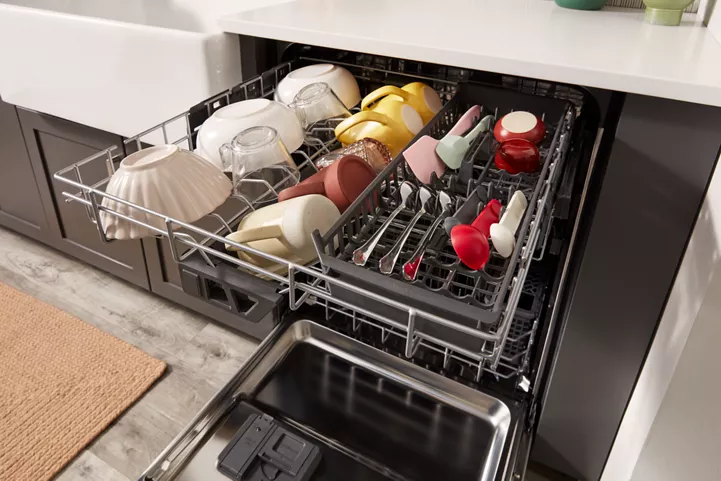
If you prefer the convenience of a dishwasher, your stainless steel bowl can handle it. Place the bowl securely in the dishwasher, ensuring it doesn’t touch other items that could scratch its surface. Use a mild detergent designed for stainless steel to avoid any potential damage. Choose the gentle or eco-friendly cycle to reduce the heat exposure and prolong the bowl's sheen. Once the cycle is complete, remove the bowl promptly and dry it with a soft cloth to prevent any water spots from forming. Have you ever considered the impact of your dishwasher settings on your kitchenware? Adjusting these small details can make a big difference in maintaining your tools.
Credit: www.kitchenaid.com
Avoiding Damage And Stains
Keeping your Kitchen Aid stainless steel bowl spotless and damage-free can be a challenge, especially if you’re not sure how to care for it properly. Avoiding stains and damage isn’t just about cleaning—it’s about understanding what causes these issues and how to tackle them effectively. Let’s look at some practical ways to protect your bowl and keep it shining like new.
Preventing Rust
Rust can form if the stainless steel bowl is exposed to moisture for long periods. Always dry your bowl thoroughly after washing, whether by hand or in the dishwasher.
Leaving the bowl wet or stacking it with wet items increases the risk of rust spots. Consider wiping it with a soft cloth immediately after the wash cycle ends.
Also, avoid using harsh steel wool or abrasive cleaners that can scratch the surface, making it easier for rust to develop. Instead, opt for gentle sponges or cloths.
Removing Tough Stains
Sometimes, food residue or discoloration won’t come off with regular washing. To tackle tough stains, create a paste using baking soda and water.
Apply the paste to the stained area and let it sit for 15-20 minutes before scrubbing gently with a soft sponge. You’ll often find the stain lifts right away without harsh chemicals.
If stains persist, soak the bowl in warm soapy water mixed with a splash of white vinegar for about 30 minutes. This combination helps break down stubborn residue without damaging the bowl’s finish.
Alternatives To Dishwasher Cleaning
Sometimes, putting your Kitchen Aid stainless steel bowl in the dishwasher isn’t the best choice. You might worry about water spots or dullness over time. Luckily, there are easy and effective ways to clean your bowl without a dishwasher, keeping it shiny and safe.
Natural Cleaning Solutions
Using natural ingredients can make cleaning your stainless steel bowl simple and safe. A mix of baking soda and water creates a gentle scrub that removes stains without scratching the surface. Just sprinkle baking soda, add a little water to form a paste, and rub gently with a soft cloth.
Vinegar is another powerful cleaner. It helps remove mineral deposits and restores shine. Try wiping the bowl with a cloth dipped in vinegar, then rinse with warm water. This method is quick and doesn’t rely on harsh chemicals.
Have you ever tried lemon juice to clean your kitchen tools? It’s great for cutting through grease and leaving a fresh scent. Rub half a lemon over the bowl, let it sit for a few minutes, then wash as usual.
Maintenance Routines
Regular care can prevent buildup and keep your bowl looking new longer. After each use, rinse the bowl promptly to avoid food sticking and staining. Dry it immediately with a soft towel to stop water spots from forming.
Occasionally, give your bowl a deep clean by soaking it in warm soapy water for 15-20 minutes. This loosens any stubborn residue and makes scrubbing easier. Avoid steel wool or abrasive pads—they can scratch the surface and dull the finish.
Do you schedule time for routine cleaning or just clean when the bowl looks dirty? Setting a simple maintenance habit can save you hours of tough scrubbing later. Your bowl will thank you with lasting shine and durability.
Frequently Asked Questions
Can Kitchen Aid Stainless Steel Bowls Go In The Dishwasher?
Yes, Kitchen Aid stainless steel bowls are dishwasher safe. They withstand dishwasher heat and detergents without damage. However, hand washing can prolong their shine and quality.
Will Dishwasher Harm Kitchen Aid Bowl’s Finish?
Dishwashers generally do not harm the stainless steel finish. But harsh detergents or high heat might dull the shine over time. Gentle cycles or hand washing are best for maintaining appearance.
How To Clean Kitchen Aid Stainless Steel Bowl Effectively?
Use warm soapy water and a soft sponge for regular cleaning. Avoid abrasive scrubbers to prevent scratches. For tough stains, a baking soda paste can safely remove residue.
Can Dishwasher Cause Rust On Kitchen Aid Bowls?
Properly maintained stainless steel bowls resist rust. Dishwashers rarely cause rust unless the bowl has scratches or exposed metal. Dry bowls immediately after washing to prevent water spots and rust.
Conclusion
KitchenAid stainless steel bowls are safe to clean in dishwashers. They hold up well to heat and water pressure. Still, hand washing can keep them shiny longer. Avoid harsh detergents to protect the finish. Regular cleaning helps prevent stains and odors.
Taking care of your bowl keeps it looking new. Easy to clean and durable—perfect for any kitchen. Use these tips to maintain your KitchenAid bowl every day. Simple steps make a big difference.