
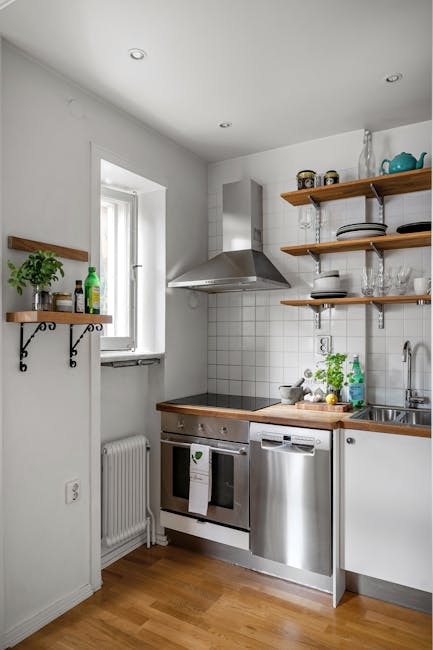
Are you wondering how to place your dishwasher in the kitchen for the best results? Where you put your dishwasher can make a big difference in your daily routine.
Imagine saving time and effort every time you load and unload dishes. You’ll discover simple steps and smart tips to help you find the perfect spot for your dishwasher. By the end, you’ll know exactly how to make your kitchen work better for you.
Keep reading to transform your kitchen into a more efficient and enjoyable space!

Credit: www.youtube.com
Choosing The Right Spot
Choosing the right spot for your dishwasher is more than just picking an empty corner. It affects how smoothly your kitchen flows and how easy your daily chores become. Think about how you use your kitchen and what will make loading and unloading dishes as simple as possible.
Near The Sink
Placing your dishwasher near the sink makes sense because that's where you rinse dishes before loading them. It cuts down the distance you carry wet dishes, reducing spills and mess. Imagine grabbing a plate, rinsing it, and sliding it straight into the dishwasher without crossing the whole kitchen.
This setup also helps keep your countertop clutter-free. You won’t have to stack dirty dishes in random places, which keeps your kitchen looking tidy and organized.
Close To Plumbing
Your dishwasher needs a water supply and a drain. Positioning it near existing plumbing lines saves money and hassle during installation. Running new pipes across your kitchen can get expensive and complicated fast.
Think about the long-term, too. Keeping the dishwasher close to plumbing reduces the chance of leaks and water damage because the connections are shorter and simpler. It’s a smart move that protects your kitchen and your wallet.
Accessible Electrical Outlets
Your dishwasher requires power, so check where your electrical outlets are. Placing it near an outlet designed for heavy appliances means you won’t need to add extra wiring. This keeps installation easier and safer.
Have you ever struggled with cords stretched across the floor? Avoid that by choosing a spot where the plug fits naturally. This small detail can save you from potential hazards and keep your kitchen looking neat.
Credit: www.maytag.ca
Measuring Your Space
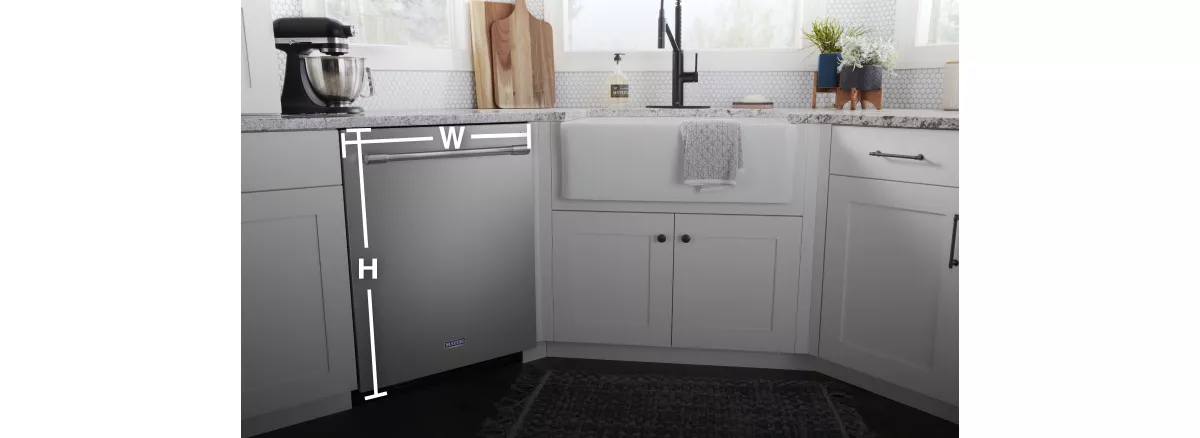
Measuring your kitchen space before placing a dishwasher is crucial to avoid costly mistakes and ensure a perfect fit. Accurate measurements help you understand the available area and identify any adjustments needed. Taking the time to measure carefully can save you from frustration during installation.
Standard Dishwasher Dimensions
Most dishwashers have a standard width of 24 inches, a height of 34 inches, and a depth of 24 inches. However, compact models can be as narrow as 18 inches wide. Knowing these typical dimensions helps you narrow down your choices quickly and prevents surprises.
Have you checked if your kitchen layout can accommodate these sizes without forcing changes to cabinetry or plumbing?
Checking Cabinet Clearance
Measure the width of the cabinet opening where the dishwasher will go. Ensure there's at least a half-inch of clearance on each side for easy installation and ventilation. Don’t forget to check the height under the counter to confirm the dishwasher will fit snugly.
Also, consider the thickness of the countertop and the baseboard height. These small details can affect whether the dishwasher sits flush with your cabinets or sticks out awkwardly.
Allowing For Door Swing
Dishwasher doors need space to open fully, usually swinging out about 24 inches. Measure the area in front of the dishwasher to ensure the door won’t hit an island, cabinet, or wall. Think about how you’ll load and unload dishes—will the door’s position make it easy or difficult?
Remember, a door that can’t open fully will limit your dishwasher's usability and might cause damage over time. Is there enough room in your kitchen to comfortably open the dishwasher without obstruction?
Built-in Vs Portable Dishwashers
Choosing between built-in and portable dishwashers depends on kitchen space and convenience. Built-in models fit under counters for a seamless look, while portable ones offer flexibility and easy movement. Placement near the sink ensures better water connection and efficient use.
When planning the layout of your kitchen, one crucial decision is whether to opt for a built-in or portable dishwasher. Each type has its own set of advantages and considerations. Understanding these differences can help you make an informed choice that best suits your needs and lifestyle.
Pros And Cons Of Built-in Models
Built-in dishwashers are a popular choice for many homeowners. They seamlessly integrate with your kitchen cabinetry, providing a sleek and cohesive look. This design not only enhances the aesthetics but also saves valuable countertop space. However, built-in models come with their own set of challenges. They require a permanent installation, meaning you need to have the necessary plumbing and electrical connections in place. If you're renting or planning to move soon, this could be a significant drawback.
When To Choose Portable Options
Portable dishwashers offer flexibility that built-in models simply can't match. If you’re living in a rental or a smaller space, these dishwashers can be a game-changer. They don’t require permanent installation, which means you can take them with you wherever you go. But portability comes with trade-offs. These models are usually smaller, so they might not handle the same volume as a built-in model. Consider how often you entertain or how many people are in your household when making your choice.
Space Requirements For Each Type
Space is a crucial factor when deciding between built-in and portable dishwashers. Built-in models typically require a 24-inch wide space under your counter. You'll also need to ensure there’s access to plumbing and electrical outlets. On the other hand, portable dishwashers usually have a more compact design. They can be stored in a closet or rolled into a corner when not in use. But keep in mind, you’ll need sufficient space to maneuver them and access to a water source when in operation. Choosing between a built-in and a portable dishwasher ultimately depends on your lifestyle and kitchen layout. What are your priorities when it comes to kitchen appliances? Your answer could guide you toward the perfect dishwasher for your home.
Creative Placement Ideas
Creative placement of a dishwasher can enhance both kitchen function and style. Think beyond standard spots. Explore options that save space and boost accessibility. Clever positioning can transform your cooking area into a smooth, efficient zone.
Under The Counter
Placing the dishwasher under the counter is classic and practical. It keeps the appliance hidden yet easy to reach. This spot blends the dishwasher with other cabinets for a clean look. It also makes loading and unloading simple, as it sits at a comfortable height.
In Kitchen Islands
Installing a dishwasher in the kitchen island adds modern flair. It frees up wall space and makes the island more useful. This placement allows easy access from multiple sides. It fits well in open-plan kitchens and keeps the workflow smooth.
Corner Installations
Corner spots often go unused, but they suit dishwashers well. This setup maximizes kitchen space, especially in small areas. Corner installations require careful measurement but offer great storage benefits. It keeps the dishwasher out of the main traffic path, reducing kitchen clutter.
Maximizing Small Kitchens
Small kitchens present a unique challenge when fitting in essential appliances like dishwashers. You want to keep your space functional without feeling cramped or cluttered. Clever placement and choosing the right type of dishwasher can make a huge difference in maintaining both style and efficiency.
Compact Dishwasher Models
Compact dishwashers are designed specifically for tight spaces. They typically measure around 18 inches wide, compared to the standard 24 inches. Choosing a compact model allows you to fit a dishwasher under smaller counters or in narrow gaps.
These models often come with adjustable racks and smart loading options, so you don’t have to sacrifice capacity for size. Have you considered how a smaller dishwasher could free up counter space or even give you room for additional storage?
Stacked Appliance Solutions
Stacking your dishwasher with another appliance, like a washer or dryer, can save valuable floor space. This setup works best in kitchens that share space with laundry areas or where vertical stacking is possible.
You’ll need to ensure proper installation for plumbing and electrical connections, but the payoff is significant. Imagine having a dishwasher right above or below your washing machine, both tucked neatly away without taking up extra room.
Using Vertical Space
Don’t overlook vertical space when placing your dishwasher. Installing shelves or cabinets above the dishwasher can keep cleaning supplies and kitchen essentials within easy reach.
Wall-mounted dishwashers or drawer-style models can also help you use vertical space efficiently. Could rethinking your kitchen’s height give you the extra room you need for a dishwasher without crowding your counters?
Credit: www.maytag.com
Installation Essentials
Installing a dishwasher requires careful attention to key details. These ensure the appliance works safely and efficiently. Proper setup helps avoid leaks, electrical hazards, and poor performance. Focus on ventilation, water connections, and electrical safety. Each element plays a vital role in the dishwasher’s operation and longevity.
Proper Ventilation
Good ventilation prevents moisture buildup in your kitchen. It stops mold and mildew around the dishwasher area. Leave space around the dishwasher for air to flow freely. Avoid placing the dishwasher too close to walls or cabinets. Check the manufacturer’s guidelines for recommended clearances. Use vents or fans if the kitchen lacks natural airflow.
Water Supply Connections
Secure and leak-free water supply is essential. Connect the dishwasher to a cold water line with a shut-off valve. Use flexible braided hoses to reduce the risk of kinks or breaks. Tighten all fittings but do not overtighten to avoid damage. Test connections for leaks before pushing the dishwasher into place. Ensure the drain hose is properly installed to prevent water backup.
Electrical Safety Tips
Dishwashers require a dedicated electrical circuit for safe operation. Use a grounded outlet that matches the dishwasher’s power requirements. Avoid using extension cords or adapters. Turn off power at the breaker before starting installation. Follow local electrical codes and guidelines carefully. If unsure, hire a licensed electrician to handle wiring tasks.
Maintaining Accessibility
Maintaining accessibility is key to making your dishwasher a seamless part of your kitchen routine. You want to reach in and out without any hassle, ensuring every dish finds its place quickly. Think about how often you use your dishwasher daily and how a well-placed unit can save time and frustration.
Easy Loading And Unloading
Position your dishwasher where you can easily open the door without bumping into cabinets or appliances. Keep the space in front clear so you can pull out racks fully and access every corner inside.
Consider placing it near your sink or countertop to transfer dishes smoothly. This setup reduces the number of steps and prevents water drips on the floor. Have you noticed how much easier chores feel when everything is within arm’s reach?
Avoiding Obstructions
Check for any doors, drawers, or appliances that might block the dishwasher’s door when open. Even a small obstruction can slow you down or cause damage over time.
Make sure there’s enough clearance for safe and comfortable movement around the dishwasher. Avoid tight corners or narrow walkways that force you to twist or squeeze while handling dishes.
Child Safety Considerations
If you have kids, think about keeping the dishwasher out of their immediate reach or installing child locks. Hot water and sharp utensils inside can pose serious risks.
You might want to choose a model with a control panel that locks or hides buttons to prevent accidental starts. How do you balance accessibility for adults with safety for little hands in your kitchen?
Integrating With Kitchen Design
Integrating your dishwasher seamlessly into your kitchen design is essential for a cohesive and polished look. It’s not just about functionality; the dishwasher should complement your kitchen’s style and feel like it belongs. Thoughtful integration can elevate the entire space, making it both practical and visually appealing.
Matching Cabinet Fronts
One of the easiest ways to blend your dishwasher into the kitchen is by matching its front panel with your cabinets. Many manufacturers offer models with customizable fronts, allowing you to attach the same cabinet door as your surrounding units.
This creates a unified look and prevents the dishwasher from standing out as a separate appliance. If your cabinets have a unique finish or handle style, replicating that detail on the dishwasher front can make a surprising difference. Have you ever noticed how some kitchens hide appliances completely? That’s the power of matching fronts.
Coordinating With Appliances
Consider the finishes and colors of your other appliances when choosing your dishwasher. Stainless steel is popular, but if your fridge and oven are matte black or white, your dishwasher should complement those tones.
Consistency in appliance finishes avoids visual clutter and maintains harmony. You might find that a fingerprint-resistant surface is a practical choice if your kitchen sees heavy use. Think about what you use daily and how the dishwasher’s appearance will fit into that routine.
Maintaining Aesthetic Flow
Maintaining a smooth aesthetic flow means placing your dishwasher where it supports the kitchen’s layout without interrupting movement or sightlines. Positioning it near the sink and cabinets where you store dishes ensures convenience and smooth workflow.
Also, consider how the dishwasher door opens and whether it blocks pathways or cabinets. The goal is to keep the kitchen feeling open and organized. Ask yourself: does this placement make the kitchen feel balanced, or does it create awkward gaps and interruptions?
Frequently Asked Questions
How Do I Choose The Best Spot For My Dishwasher?
Select a location near the sink and existing plumbing. Ensure there's enough space for door clearance and ventilation. Avoid placing it too far from water and drainage connections to save installation costs and improve efficiency.
What Tools Are Needed To Install A Dishwasher?
You'll need a screwdriver, adjustable wrench, drill, level, and plumbing tape. Also, have a power source nearby. These tools help secure the dishwasher and connect water and electrical lines safely.
Can I Place A Dishwasher Under The Kitchen Counter?
Yes, most dishwashers are designed to fit under kitchen counters. Ensure the cabinet opening matches dishwasher dimensions. This placement offers convenience and keeps your kitchen organized and tidy.
How Far Should A Dishwasher Be From The Sink?
Ideally, place the dishwasher within 3 to 6 feet of the sink. This minimizes plumbing complexity and makes loading dishes easier. Closer proximity improves efficiency and reduces installation costs.
Conclusion
Placing a dishwasher in your kitchen needs careful planning. Choose a spot near the sink and power source. Measure space to ensure the dishwasher fits well. Keep enough room to open the door easily. Think about plumbing and electrical connections before installation.
Proper placement saves time and makes kitchen work smooth. A well-placed dishwasher helps keep your kitchen tidy. Take your time to plan and set it right. Your kitchen will work better and look nice too. Simple steps lead to a practical and neat kitchen space.