
Are you tired of spending endless time washing dishes by hand? You might be wondering, “Can I fit a dishwasher in my kitchen?” Whether your kitchen is small or just a bit crowded, adding a dishwasher could save you hours every week.
But before you make a move, it’s important to know if your space can handle it. You’ll discover simple ways to measure your kitchen, explore different dishwasher sizes, and find smart solutions to fit one in—even if you think there’s no room.
Keep reading to unlock the secrets of making your kitchen work better for you.

Credit: www.espares.co.uk
Assessing Your Kitchen Space
Before buying a dishwasher, you need to carefully assess your kitchen space. Knowing exactly where and how a dishwasher can fit will save you time, money, and frustration. This part of your kitchen upgrade is about precision and creativity.
Measuring Available Areas
Start by measuring the spaces where a dishwasher could go. Use a tape measure to check the width, height, and depth of potential spots. Don’t forget to account for doors, drawers, and nearby appliances that might limit space.
Write down your measurements clearly. Double-check them to avoid surprises later. Think about the minimum size dishwashers you’re willing to accept and compare these with your measurements.
Identifying Potential Spots
Look around your kitchen for areas that can host a dishwasher. Common spots include next to the sink or under the counter. These spots often have easier access to plumbing, making installation simpler.
Could a cabinet be removed or repurposed? Sometimes, a small change can create the perfect dishwasher space. Don’t overlook less obvious areas like corners or even beneath a raised counter section.
Considering Kitchen Layout
How does your kitchen flow? The dishwasher should fit without interrupting your cooking or cleaning routine. Placing it near the sink or trash bin can make unloading easier.
Think about door swings and walking paths. Will the dishwasher door block access to other cabinets or appliances? Ask yourself if adding a dishwasher will improve or complicate your kitchen workflow.

Credit: www.reddit.com
Choosing The Right Dishwasher Size
Choosing the right dishwasher size is key for a smooth kitchen fit. The size affects how well it fits and how much it holds. Measure your space carefully before deciding. Consider your household needs and kitchen layout. A well-sized dishwasher saves space and works efficiently.
Standard Vs Compact Models
Standard dishwashers are usually 24 inches wide. They fit most kitchens and hold many dishes. Compact models are about 18 inches wide. They suit smaller kitchens or fewer dishes. Compact dishwashers use less water and energy. Choose based on your kitchen space and dishwashing needs.
Slimline Options
Slimline dishwashers are narrow but tall. They fit tight spaces where width is limited. Slimline models often have a capacity between compact and standard sizes. They work well in apartments or narrow kitchens. Check if your kitchen layout allows for their height.
Drawer Dishwashers
Drawer dishwashers come in single or double drawers. Each drawer works independently. This offers flexibility for small loads. Drawer dishwashers fit under counters with less height. They save space and energy by washing smaller loads. Ideal for small families or couples.
Space-saving Installation Ideas
Fitting a dishwasher into a small kitchen can feel like solving a complex puzzle. But with some creative space-saving installation ideas, it's entirely possible. Let's explore some practical ways to add this time-saving appliance to your kitchen without feeling cramped.
Integrated Dishwashers
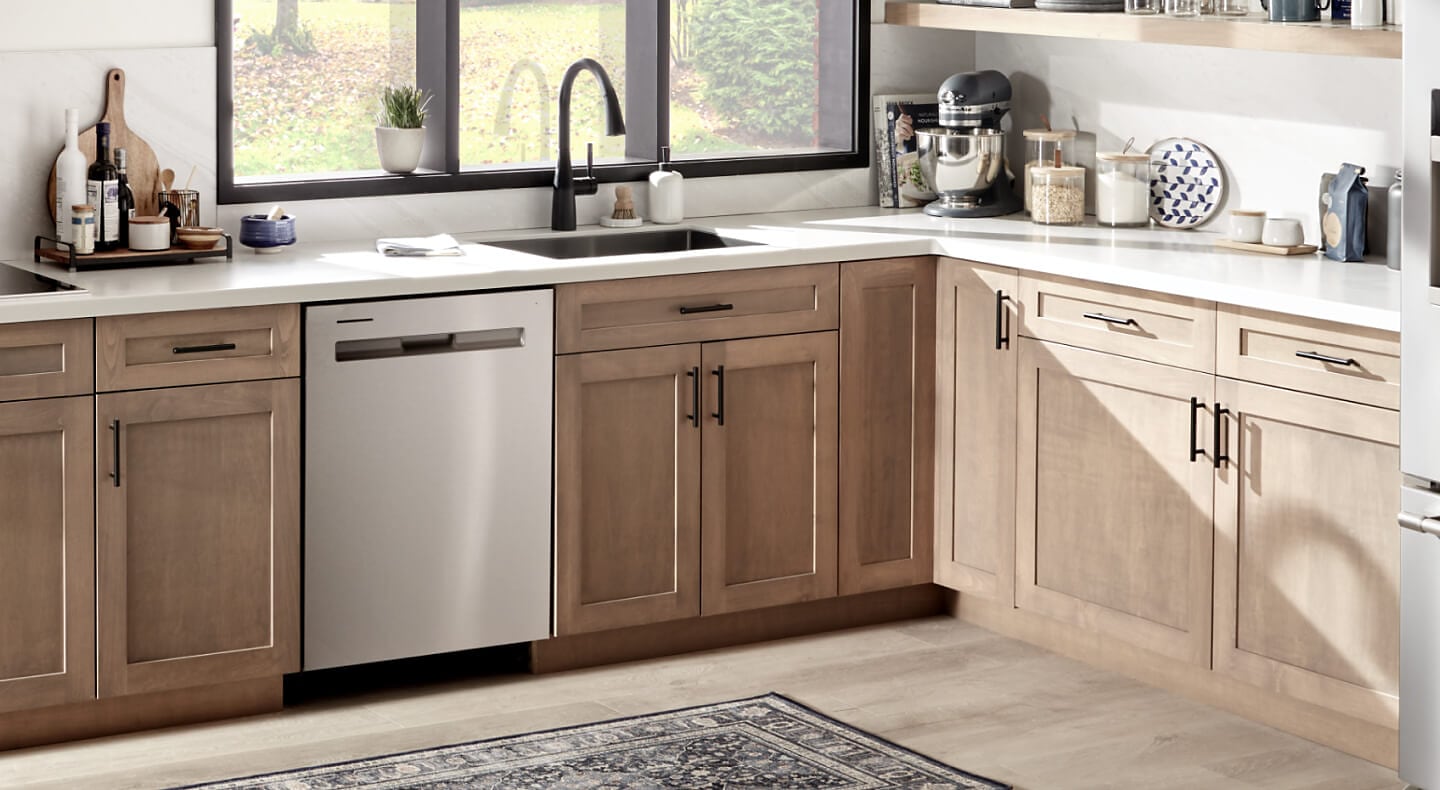
Integrated dishwashers are designed to blend seamlessly with your kitchen cabinetry. They offer a sleek look by hiding the appliance behind a cabinet door. This option is perfect if you're redesigning your kitchen or adding new cabinets.
Consider how often you use your dishwasher when planning its location. You might place it near your sink for easy access to plumbing. If you've ever felt frustrated by mismatched appliances, this could be the solution you've been looking for.
Countertop Models
Countertop dishwashers are ideal for small kitchens with limited floor space. These compact units sit on your counter and connect to your faucet. They offer the convenience of a dishwasher without taking up much room.
Think about your daily routine and how often you run your dishwasher. If you typically have smaller loads, a countertop model could be both space-efficient and practical. Could this be the missing piece in your kitchen efficiency puzzle?
Portable Dishwashers
Portable dishwashers provide flexibility if you're renting or have a kitchen with limited space. These units come with wheels, allowing you to move them as needed. Simply connect them to your sink when in use and store them when they're not.
Reflect on your lifestyle and kitchen usage. Do you need an appliance that adapts to changing needs? A portable dishwasher might be the answer, offering both functionality and freedom in a compact design.
With these space-saving options, fitting a dishwasher in your kitchen is not only possible but can be tailored to your specific needs. Which option could transform your kitchen into a more efficient space?
Credit: www.maytag.com
Optimizing Kitchen Storage
Optimizing kitchen storage is key when you’re thinking about fitting a dishwasher into your kitchen. Space can feel tight, but smart storage solutions often free up more room than you expect. Adjusting how you use your cabinets, making the most of vertical space, and choosing multi-functional furniture can transform your kitchen's layout.
Adjusting Cabinets
Look closely at your existing cabinets. Can you remove a few shelves or replace bulky cabinet doors with sliding ones? Sometimes, simply resizing or rearranging cabinets creates enough space for a dishwasher without a major renovation.
Think about swapping lower cabinets for drawers that are easier to organize and take up less space. You might also consider installing a shallow cabinet next to the sink to house dishwasher plumbing, making installation smoother and storage more efficient.
Using Vertical Space
Vertical space is often overlooked but can be a real game-changer. Installing tall cabinets or open shelves above counters allows you to store items up high, freeing up lower cabinet space for your new dishwasher.
Try hanging pots, pans, or utensils on wall-mounted racks or magnetic strips. This keeps counters clear and maximizes every inch of your kitchen’s height, giving you more room to work with.
Multi-functional Furniture
Consider furniture that does double duty. A kitchen island with built-in storage or a bench with hidden compartments can provide extra space without crowding your kitchen.
Using multi-functional pieces helps you keep essentials close while freeing up cabinet space for appliances like a dishwasher. Have you thought about how a fold-down table or rolling cart could add flexibility to your kitchen layout?
Plumbing And Electrical Considerations
Adding a dishwasher can transform your kitchen routine, but you need to think carefully about plumbing and electrical needs first. These elements aren't just about fitting the machine physically; they ensure your dishwasher runs safely and efficiently. Let's look into what you should check and prepare before installation.
Locating Water And Power Sources
Your dishwasher must connect to both water and power. Check under your kitchen sink where water lines and drains are usually available. If you spot a cold water supply and a drainpipe, that’s a good start.
For electricity, dishwashers typically require a dedicated circuit with a grounded outlet. See if there’s an accessible power point near the installation spot. If not, you might need an electrician to add one.
Ask yourself: Is the water source easy to tap into without major plumbing work? Does the power supply meet the dishwasher's voltage and amperage needs? These questions help you avoid surprises later.
Hiring Professionals
Even if you’re handy, plumbing and electrical work can be tricky and risky. A licensed plumber can connect your dishwasher to water and drainage safely, preventing leaks and water damage. Similarly, a qualified electrician ensures your appliance gets the right power without overloading your circuits.
Think about the peace of mind you gain by hiring experts. They bring tools and know-how that speed up the job and meet safety standards. Have you ever tried fixing plumbing or wiring yourself and ended up with more problems? This is where professionals can save you from costly mistakes.
Ensuring Compliance
Your dishwasher installation must follow local building codes and regulations. These rules cover everything from pipe sizes to electrical connections and grounding requirements. Compliance isn’t just legal—it protects your home and family.
Before you start, check if you need permits or inspections. Sometimes, skipping this step can lead to fines or trouble when selling your home later. Are you prepared to meet these requirements or get help from someone who is?
Being thorough about plumbing and electrical needs helps you avoid headaches and keeps your kitchen upgrade smooth and safe. What’s the first step you’ll take to check your kitchen’s readiness?
Budgeting For Your Dishwasher
Budgeting for your dishwasher is a crucial step before making the purchase. It helps you understand not just the upfront costs but also the ongoing expenses and potential savings. Knowing the financial details ensures you pick the right model that fits both your kitchen and your wallet.
Cost Of Units
Dishwasher prices vary widely based on brand, features, and size. Basic models start around $300, while premium versions with smart technology and quiet operation can exceed $1,000. Think about what features you truly need—do you want adjustable racks, energy-efficient modes, or a stainless steel interior?
Choosing a mid-range dishwasher often balances cost and quality well. For example, a model priced at $500 usually offers essential features with good reliability. Have you checked if your preferred unit fits the space and style of your kitchen?
Installation Expenses
Installation costs can sometimes surprise buyers. If you have existing plumbing and electrical hookups, expect to pay $100 to $300 for professional installation. But if your kitchen needs modifications like new water lines or electrical work, costs can rise sharply.
DIY installation is possible if you have basic tools and skills, which can save money. However, improper installation might cause leaks or damage, costing more in the long run. Are you comfortable handling the setup, or would hiring a pro give you peace of mind?
Long-term Savings
Think beyond the initial price tag—dishwashers can save you money over time. Energy-efficient models reduce electricity and water bills, sometimes cutting utility costs by up to 20%. This adds up, especially if you run your dishwasher daily.
Also, consider how much time you save by not washing dishes manually. That extra time can be valuable for work or relaxation. Does investing a bit more upfront for efficiency and durability make sense to you?
Maintaining Your Dishwasher
Maintaining your dishwasher ensures it works well and lasts longer. Regular care stops problems and keeps dishes clean. Simple steps can prevent damage and save money on repairs.
Regular Cleaning Tips
Clean the filter to remove food bits. Wipe door seals to stop mold and leaks. Run a cleaning cycle with vinegar or a dishwasher cleaner. Check spray arms for clogs and clear any blockages.
Troubleshooting Common Issues
Listen for strange noises that may signal a problem. Check if water drains properly after each cycle. Look for leaks under and around the machine. Reset the dishwasher by turning off power for a few minutes.
Extending Appliance Life
- Use the dishwasher only with full loads.
- Choose the right detergent and use the recommended amount.
- Avoid overloading to keep water flowing well.
- Inspect hoses and connections for wear.
- Schedule professional checkups every few years.
Frequently Asked Questions
How Do I Measure Space For A Dishwasher?
Measure the width, height, and depth of your available kitchen space. Standard dishwashers require about 24 inches wide, 24 inches deep, and 34 inches high. Ensure there is enough clearance for door opening and ventilation.
What Kitchen Layouts Suit Dishwasher Installation?
Dishwashers fit best in kitchens with L-shaped, U-shaped, or galley layouts. These layouts allow easy plumbing and electrical connections near the sink, simplifying installation and maximizing efficiency.
Can I Install A Dishwasher Without Plumbing Access?
No, a dishwasher needs water supply and drainage connections. If plumbing is not nearby, consider professional plumbing adjustments before installation to avoid leaks or malfunction.
Will A Compact Dishwasher Fit Smaller Kitchens?
Yes, compact dishwashers typically measure 18 inches wide. They save space and are ideal for small kitchens or apartments while maintaining cleaning efficiency.
Conclusion
Fitting a dishwasher in your kitchen is possible with the right planning. Measure your space carefully before buying. Consider the size and type that suits your kitchen best. Think about plumbing and electrical needs early on. Small kitchens can still fit compact dishwashers.
Proper installation saves time and avoids problems later. A dishwasher can make daily chores easier and faster. Take your time to choose the best option for your home. This simple addition can improve your kitchen’s function and comfort.