
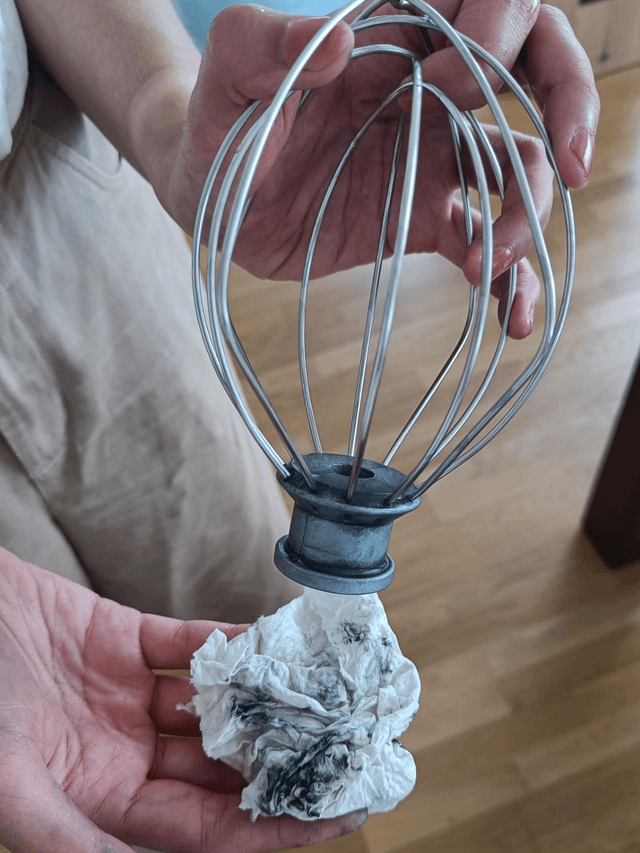
Are you wondering if you can put your KitchenAid attachments in the dishwasher? You’re not alone.
Cleaning these handy tools can be tricky, and you want to make sure you don’t damage them. Imagine saving time and effort by simply tossing them in the dishwasher—but is it safe? Keep reading to find out exactly which attachments can handle the heat and water, and which ones need a gentler touch.
Your KitchenAid will thank you!
Dishwasher Safety For Attachments
Knowing the dishwasher safety of KitchenAid attachments helps protect your tools. Proper care keeps them working well for a long time. Some attachments handle dishwasher cleaning better than others. Learning which materials and parts can go in the dishwasher prevents damage and saves time.
Materials That Withstand Dishwashers
Many KitchenAid attachments use durable materials designed to resist heat and water. Stainless steel parts usually handle dishwasher cycles well. Plastic pieces made from high-quality, heat-resistant plastic also survive dishwasher cleaning.
Soft rubber or silicone parts may wear out faster in a dishwasher. Metal parts with paint or coatings can chip or fade. Checking the user manual tells you which materials are dishwasher safe. When unsure, washing by hand is safer.
Common Attachments And Their Durability
- Flat Beater:Mostly stainless steel and dishwasher safe.
- Dough Hook:Made from metal, usually safe for dishwashers.
- Wire Whip:Stainless steel wires are dishwasher safe but check the base.
- Food Grinder:Metal parts often dishwasher safe; plastic parts may not be.
- Pasta Roller and Cutter:Metal parts can go in dishwasher; dry immediately to avoid rust.
- Shredder and Slicer:Blades usually dishwasher safe but handle carefully to avoid dulling.
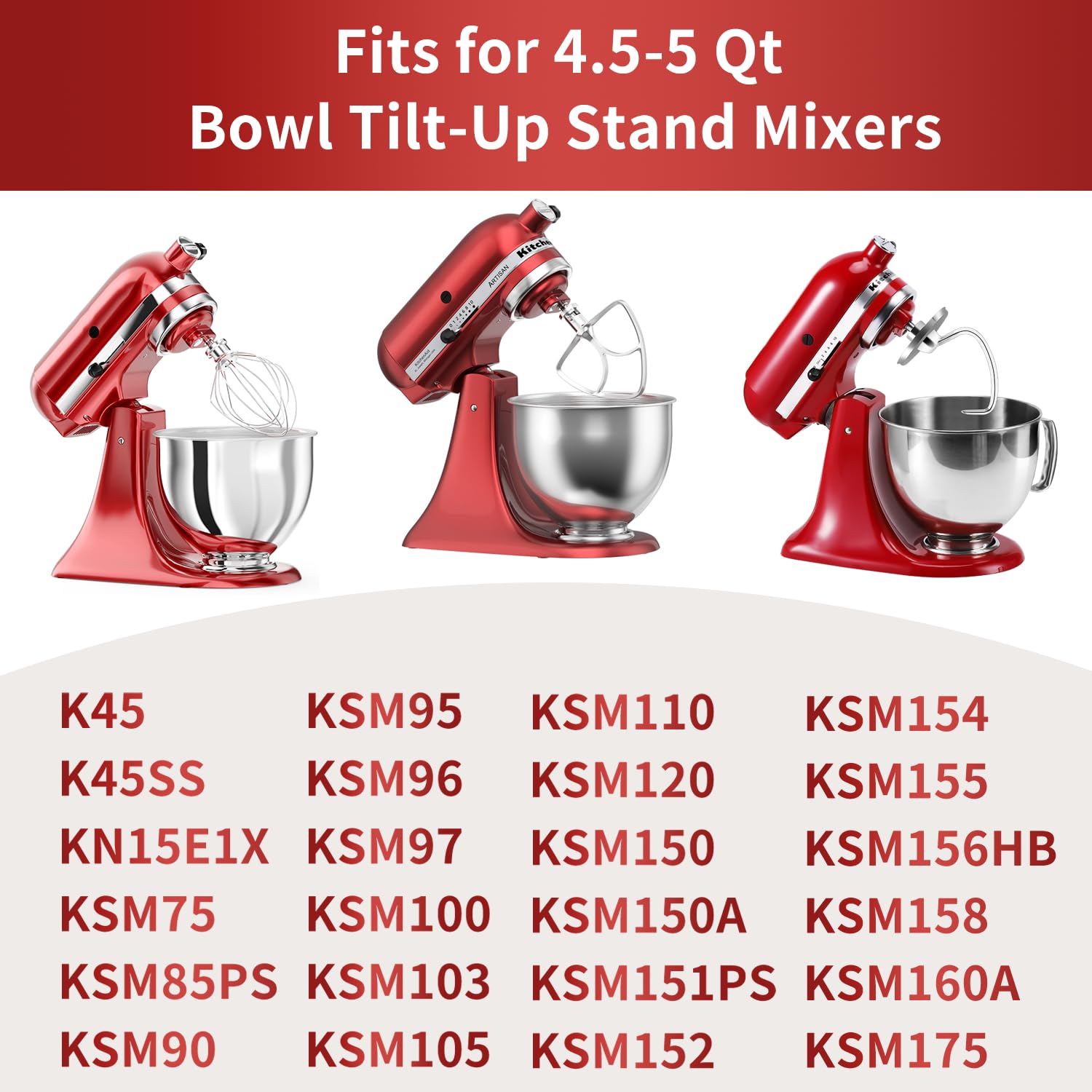
Credit: www.amazon.com
Attachments To Avoid In Dishwasher
Knowing which KitchenAid attachments to avoid putting in the dishwasher can save you from costly damage. Some parts may look dishwasher-safe but actually suffer from heat, water pressure, or detergent exposure. Protect your investment by understanding what should always be hand washed.
Delicate Components
Attachments made with delicate materials like thin plastic, rubber seals, or fine metal blades often do not hold up well in the dishwasher. High heat and harsh detergents can warp plastic or degrade rubber, leading to leaks or poor performance.
Think about the dough hook or the wire whip. While sturdy, the metal parts can dull or rust if exposed to dishwasher conditions repeatedly. You might save time initially, but replacing these costly parts later won’t be worth it.
Electrical Parts
Any attachment that contains electrical elements must never go in the dishwasher. Water and electronics do not mix well, and the risk of short circuits or permanent damage is very high.
Attachments like the food processor bowl with a built-in motor or the blender base should always be cleaned by hand. Wiping these parts carefully with a damp cloth keeps them safe and functioning longer.
Cleaning Attachments By Hand
KitchenAid attachments often need gentle cleaning by hand to keep them safe. Dishwashers can damage some parts or reduce their lifespan. Use warm water and mild soap for best results.
Cleaning your KitchenAid attachments by hand can be a rewarding experience, ensuring they last longer and perform at their best. While it may seem tedious, hand washing allows you to care for each piece individually, preventing damage that might occur in a dishwasher. Plus, you get to inspect each attachment closely for any signs of wear or tear, making sure everything is in top-notch condition.
Best Cleaning Methods
Cleaning by hand doesn't have to be a chore. Start by rinsing your attachments immediately after use to prevent food residue from hardening. Use a soft sponge or cloth to gently scrub the surfaces, focusing on crevices where food can hide. Avoid using abrasive scrubbers that can scratch the attachments. Instead, opt for a nylon brush to reach those tricky spots. A little extra time spent here can save you from the hassle of dealing with stubborn stains later.
Recommended Cleaning Solutions
You might wonder what cleaning solutions work best for KitchenAid attachments. Simple dish soap and warm water are often enough for most cleaning tasks. They effectively cut through grease without leaving harmful residues. For tougher stains, consider using a mixture of baking soda and water as a gentle abrasive. Vinegar can also be a great natural solution to dissolve mineral deposits. Just remember to rinse thoroughly to avoid any lingering smell or taste. Have you ever found yourself struggling with cleaning stubborn residues? Sometimes, a small investment in a good-quality dish soap can make all the difference. Finding the right cleaning method and solution can turn a mundane task into a quick and efficient routine.

Credit: www.amazon.com
Manufacturer’s Guidelines
Manufacturer’s guidelines provide essential information about caring for your KitchenAid attachments, especially when it comes to cleaning. Ignoring these recommendations can lead to damage or void your warranty. Knowing exactly what the manufacturer advises helps you maintain your attachments’ performance and longevity.
Kitchenaid’s Official Recommendations
KitchenAid clearly states that most of their attachments are not dishwasher safe. The main concern is that dishwasher heat and harsh detergents can warp plastic parts or dull metal components.
For example, their pasta roller and slicer attachments should be hand washed only. You can rinse them with warm, soapy water and dry immediately to avoid rust or corrosion.
However, some smaller attachments, like certain dough hooks or beaters, may be dishwasher safe on the top rack. Always check the specific attachment’s manual before tossing it in the dishwasher.
Warranty And Care Instructions
KitchenAid’s warranty often depends on following care instructions exactly. Using the dishwasher on parts that aren’t recommended for it can void your warranty, leaving you without coverage if something breaks.
The company advises storing attachments dry and cleaning them promptly after use to prevent buildup and damage. Taking these steps ensures your attachments stay in top condition longer.
Have you ever lost a warranty claim because of improper cleaning? It’s a costly lesson that highlights why sticking to manufacturer guidelines matters.
Tips For Maintaining Attachments
Maintaining your Kitchen Aid attachments properly can extend their life and keep them working smoothly. Simple care steps prevent damage and save you from costly replacements. Let's look at practical tips that fit easily into your routine.
Storage Advice
Store your attachments in a clean, dry place to avoid rust and damage. Use the original box or a dedicated container with compartments to keep parts separated and prevent scratches.
Consider labeling your storage containers for quick access. Have you ever wasted time digging through drawers trying to find the right attachment? Proper storage solves this hassle and keeps your kitchen organized.
Regular Maintenance Routines
After each use, wash attachments promptly with warm, soapy water to remove food residue. Avoid putting all attachments in the dishwasher unless the manufacturer specifically states they are dishwasher safe.
Dry each piece thoroughly before storing to prevent rust and mold. Inspect attachments regularly for wear or damage—catching issues early can prevent bigger problems later. How often do you check your tools for wear? Making this a habit can keep your attachments in top shape longer.

Credit: www.amazon.ca
Frequently Asked Questions
Can Kitchenaid Attachments Go In The Dishwasher?
Most KitchenAid attachments are dishwasher safe, but always check the manual first. Some parts may require hand washing to prevent damage.
Which Kitchenaid Attachments Should Not Be Dishwasher Cleaned?
Attachments with motors or electrical parts must never go in the dishwasher. Also, wooden or delicate metal parts may degrade if machine washed.
How To Properly Clean Kitchenaid Attachments?
Detach all removable parts and rinse them under warm water. Use mild soap and a soft brush for thorough cleaning. Dry completely before storing.
Does Dishwasher Cleaning Damage Kitchenaid Attachments?
Dishwasher heat and detergents can cause discoloration or warping over time. Hand washing extends the lifespan and maintains attachment quality better.
Conclusion
KitchenAid attachments need careful cleaning to last longer. Some parts can go in the dishwasher, but others should be washed by hand. Always check the manual before cleaning. Avoid harsh detergents and high heat to protect your tools. Keeping attachments clean helps them work better every time.
Treat them gently and they will serve you well. Simple care makes a big difference. Remember, safe cleaning keeps your KitchenAid attachments in great shape.