
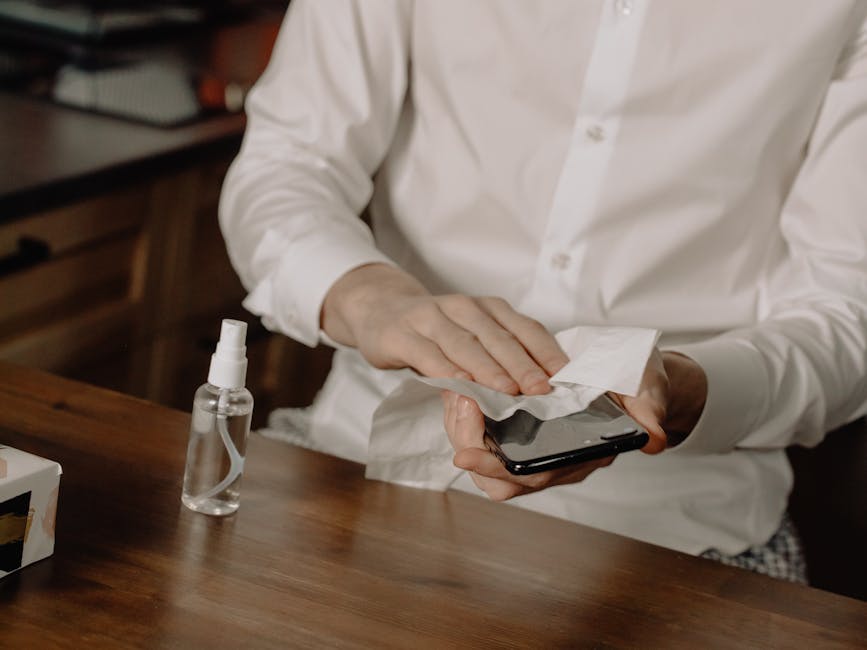
Your kitchen is the heart of your home, where meals are made and memories are shared. But did you know that your kitchen surfaces can hide harmful germs and bacteria?
Keeping them clean isn’t enough—you need to sanitize them properly to protect your health and your family’s. You’ll discover simple, effective steps to sanitize your kitchen surfaces quickly and safely. By the end, you’ll feel confident knowing your kitchen is not just clean, but truly safe.
Let’s get started!
Why Sanitize Kitchen Surfaces
Sanitizing kitchen surfaces keeps your cooking space safe and clean. Germs and bacteria hide easily on counters, cutting boards, and sinks. Regular sanitizing stops these harmful microbes from spreading. It protects your family from foodborne illnesses and keeps your kitchen fresh.
Common Kitchen Germs
Many germs live in kitchens, even if they look clean. Some common ones include:
- Salmonella:Found in raw meat and eggs. Causes stomach pain and fever.
- E. coli:Comes from contaminated food or water. Can cause severe diarrhea.
- Staphylococcus aureus:Lives on skin and in noses. Creates toxins that cause food poisoning.
- Norovirus:Spreads through contaminated surfaces. Leads to vomiting and diarrhea.
These germs multiply quickly on unclean surfaces. Sanitizing kills them and lowers infection risk.
Risks Of Unclean Surfaces
Dirty kitchen surfaces can cause serious health problems. Germs can transfer to food and cause illness. Cross-contamination happens when raw food germs spread to cooked food.
Unclean surfaces also attract pests like ants and cockroaches. These pests carry more bacteria and worsen contamination.
Ignoring surface hygiene can lead to:
- Food poisoning outbreaks
- Allergic reactions
- Longer illness recovery times
Sanitizing reduces these risks and creates a safer kitchen environment for everyone.
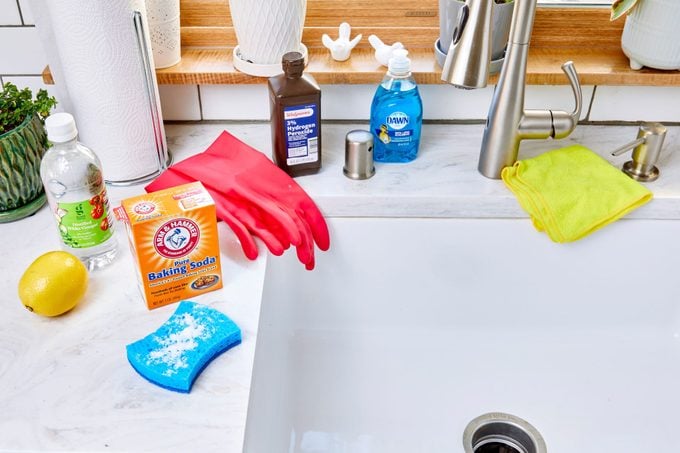
Credit: www.rd.com
Types Of Kitchen Surfaces
Sanitizing your kitchen surfaces properly depends a lot on the type of surface you are dealing with. Different materials need different cleaning approaches to avoid damage and ensure they are truly clean. Knowing what each surface is made of helps you choose the right sanitizer and method.
Countertops
Countertops can be made from granite, laminate, quartz, or wood, and each reacts differently to cleaning products. For instance, granite needs a gentle, pH-neutral cleaner to avoid dulling the finish. Laminate can handle mild bleach solutions but avoid harsh abrasives that can scratch the surface.
Have you noticed how some cleaners leave streaks or spots? That often means the product isn’t suitable for your countertop material. Test a small area first to see the effect before cleaning the entire surface.
Cutting Boards
Wooden and plastic cutting boards are common, but they require different care to prevent bacteria buildup. Wood can absorb moisture, so it’s best to use hot soapy water followed by a vinegar rinse to sanitize without drying it out. Plastic boards can handle stronger sanitizers like diluted bleach but must be rinsed thoroughly afterward.
Think about your last meal prep—did you notice any lingering smells or stains on your cutting board? That’s a sign it might need more thorough sanitizing or even replacement.
Sink And Faucet
The sink and faucet are hotspots for germs because of constant water exposure and food residue. Stainless steel sinks benefit from baking soda scrubs followed by a vinegar rinse to disinfect and remove odors. Faucets can be wiped with disinfecting wipes or sprayed with an alcohol-based cleaner to kill bacteria effectively.
Do you clean your faucet handles as often as the sink basin? Those handles can harbor just as many germs, especially if you touch them with dirty hands.
Appliance Handles
Handles on refrigerators, microwaves, and ovens get touched frequently and can carry lots of germs. Use a disinfecting wipe or a cloth with a mild sanitizer to clean them daily. Avoid soaking handles with liquid to prevent damage to the appliance’s electrical parts.
Next time you grab an appliance handle, pause for a moment—how often do you sanitize that spot? Regular attention here can reduce the risk of spreading bacteria across your kitchen.
Essential Cleaning Supplies
Essential cleaning supplies include disinfectant sprays, clean cloths, and gloves to protect hands. Regularly wiping kitchen surfaces helps remove germs and keeps the area safe for food preparation.
Keeping your kitchen surfaces germ-free is essential for a healthy home. Having the right cleaning supplies can make this task easier and more effective. Let’s dive into the essential items you need to keep your kitchen sparkling clean.
Disinfectants And Sanitizers
Choosing the right disinfectants and sanitizers is crucial. Opt for those approved by health agencies to ensure effectiveness. Products containing bleach or alcohol are great for eliminating germs and bacteria. Some people prefer natural alternatives like vinegar or hydrogen peroxide. These are excellent options if you want to avoid harsh chemicals. Always check the labels for instructions on usage and safety precautions.
Cleaning Cloths And Sponges
Your choice of cleaning cloths and sponges can impact how well you clean. Microfiber cloths are highly recommended because they capture dirt and bacteria efficiently. They are also reusable and environmentally friendly. Sponges are versatile, but they can harbor germs if not cleaned properly. Consider using sponges with antimicrobial protection or ensure regular sanitization. Replace them frequently to maintain hygiene.
Protective Gear
Wearing protective gear can safeguard your health while cleaning. Gloves are essential to protect your skin from harsh chemicals. They also prevent cross-contamination when switching between tasks. Masks might be necessary if you are sensitive to fumes from cleaning products. Don’t forget to wear an apron to protect your clothes from spills and splashes. Prioritizing safety can make your cleaning process worry-free. Do you have a favorite cleaning supply that you swear by? Share your thoughts and tips in the comments!
Step-by-step Sanitizing Process
Sanitizing kitchen surfaces is vital for a clean and safe cooking space. A clear process helps kill germs and keeps bacteria away. Follow these steps to sanitize your kitchen surfaces effectively.
Preparing The Area
Clear all items from the surface. This includes dishes, utensils, and food containers. Make sure the area is dry and well-lit. Use gloves to protect your hands. Gather cleaning supplies and sanitizer before you start.
Removing Debris And Dirt
Wipe the surface with a damp cloth or sponge. Remove crumbs, spills, and visible dirt. Use warm, soapy water to clean stubborn spots. Rinse the cloth frequently to avoid spreading germs. Dry the surface before applying sanitizer.
Applying Sanitizer Correctly
Choose a food-safe sanitizer suitable for kitchen use. Spray or apply sanitizer evenly on the surface. Cover all areas, including corners and edges. Avoid using too much liquid to prevent residue. Follow the product instructions for best results.
Allowing Proper Contact Time
Let the sanitizer sit on the surface for the recommended time. This time kills germs effectively. Do not wipe or rinse before the time ends. Usually, 1 to 5 minutes is enough. Check the label for exact contact time.
Rinsing And Drying
After contact time, rinse the surface with clean water if needed. Use a clean cloth to remove excess sanitizer. Allow the surface to air dry or use a dry towel. Ensure the area is completely dry before placing items back.
Natural Sanitizing Alternatives
Natural sanitizing alternatives offer safe and effective ways to clean kitchen surfaces. They use simple ingredients found at home. These options reduce chemicals and still keep your kitchen hygienic.
Using natural products helps maintain a fresh, chemical-free kitchen environment. These alternatives work well on countertops, cutting boards, and appliances. They also help remove dirt, grease, and harmful bacteria.
Vinegar And Baking Soda
White vinegar is a natural disinfectant with antibacterial properties. Mix equal parts of vinegar and water in a spray bottle. Spray the solution on surfaces and let it sit for a few minutes. Wipe clean with a damp cloth.
Baking soda acts as a gentle abrasive and deodorizer. Sprinkle baking soda on stubborn stains or greasy spots. Scrub with a damp sponge or cloth. Rinse thoroughly with water for a clean surface.
Combining vinegar and baking soda creates a fizzing action that helps lift grime. Use this mix on tough stains but avoid using on natural stone surfaces like granite.
Essential Oils
Essential oils add natural antibacterial and antifungal benefits. Tea tree, lavender, and lemon oils are popular choices. Add 10-15 drops of essential oil to a cup of water or vinegar solution.
Spray the mixture on kitchen surfaces for a fresh scent and extra cleaning power. Essential oils can kill bacteria and prevent mold growth. Always test on a small area first to avoid damage.
Hydrogen Peroxide
Hydrogen peroxide is an effective natural sanitizer. Use a 3% solution available at most stores. Spray directly on kitchen surfaces and let it sit for several minutes.
It kills bacteria, viruses, and mold without harsh chemicals. Wipe the surface with a clean cloth after application. Store hydrogen peroxide in a dark bottle to keep it stable.

Credit: vuniversity.in
Tips For Maintaining A Germ-free Kitchen
Keeping your kitchen germ-free is essential to protect your health and the health of those you cook for. Small, consistent habits make a big difference in preventing the spread of bacteria and viruses on your kitchen surfaces. Let’s explore practical tips that you can easily apply to maintain a clean and safe cooking environment every day.
Regular Cleaning Schedule
Set specific times each day for cleaning your kitchen surfaces. Wiping down countertops, cutting boards, and sinks after food prep stops germs from building up. Don’t forget to clean high-touch areas like cabinet handles and faucet knobs regularly.
Using a disinfectant spray or wipes that kill bacteria and viruses is key. Remember, a quick daily wipe is more effective than a deep clean once a week. What’s your current cleaning routine? Could a few extra minutes make your kitchen safer?
Proper Food Handling
Wash your hands thoroughly before and after handling food, especially raw meat, poultry, or seafood. Use separate utensils and plates for raw and cooked foods to avoid spreading bacteria. Always rinse fruits and vegetables under running water before cutting or eating them.
Temperature control matters too. Keep your refrigerator below 40°F (4°C) and cook foods to the right internal temperatures to kill harmful germs. Have you checked your fridge’s temperature lately? It’s a simple step that protects your meals.
Avoiding Cross-contamination
Cross-contamination happens when bacteria move from one surface or food to another. Use different cutting boards for raw meat and fresh produce. Color-coded boards can help you keep this straight without much effort.
Clean knives and utensils immediately after use to prevent germs from spreading. Also, avoid placing cooked food back on plates that held raw ingredients. What small changes can you make today to stop cross-contamination in your kitchen?
Common Sanitizing Mistakes To Avoid
Sanitizing kitchen surfaces is essential for keeping your cooking space safe and hygienic. Yet, many people unknowingly make mistakes that reduce the effectiveness of their cleaning efforts. Avoiding these common errors can make a big difference in protecting your family from harmful bacteria.
Using Wrong Products
Not all cleaning products are designed for sanitizing kitchen surfaces. Using regular soap or household cleaners without disinfecting properties can leave harmful germs behind. You need products labeled as disinfectants or sanitizers, such as bleach solutions or alcohol-based sprays, to kill bacteria effectively.
Think about the last time you grabbed a random spray bottle. Did it clearly say it kills viruses and bacteria? If not, your effort might be wasted, no matter how thoroughly you wipe.
Skipping Contact Time
Many people spray or apply a sanitizer and immediately wipe it off. This short contact time doesn’t allow the product to work properly. Most sanitizers need to stay wet on the surface for several minutes to kill germs effectively.
Check the label instructions carefully. If a product says it needs 5 minutes to disinfect, rushing this step means you’re not truly sanitizing.
Overlooking High-touch Areas
Focusing only on countertops and ignoring spots like cabinet handles, light switches, and faucet knobs leaves your kitchen vulnerable. These high-touch areas harbor plenty of germs because you touch them often.
Next time you sanitize, include these hidden hotspots. Have you checked your fridge door handle today? Ignoring these areas means missing key points where bacteria spread easily.

Credit: www.bestonlinecabinets.com
Frequently Asked Questions
How Often Should I Sanitize Kitchen Surfaces?
Sanitize kitchen surfaces daily to prevent bacteria buildup. Focus on high-touch areas like countertops, sinks, and cutting boards. Regular cleaning reduces the risk of foodborne illnesses and keeps your kitchen safe and hygienic.
What Is The Best Sanitizer For Kitchen Surfaces?
Use a bleach solution or commercial kitchen sanitizer. Ensure it’s food-safe and EPA-approved for effective germ killing. Always follow the product instructions for safe and efficient sanitizing.
Can Vinegar Effectively Sanitize Kitchen Surfaces?
Vinegar has mild antibacterial properties but is not a strong sanitizer. For better protection, use EPA-approved sanitizers or bleach solutions. Vinegar is best for cleaning but not for thorough sanitizing.
Should I Sanitize Kitchen Surfaces Before Or After Cooking?
Sanitize before cooking to start with a clean surface and after cooking to remove bacteria. This practice ensures food safety and prevents cross-contamination.
Conclusion
Sanitizing kitchen surfaces keeps your home safe and clean. Use the right cleaners to kill germs quickly. Always clean before you sanitize for best results. Regularly wipe counters, cutting boards, and sinks. Never mix cleaning products to avoid harmful fumes.
Dry surfaces well to stop bacteria growth. A clean kitchen helps prevent foodborne illnesses. Simple steps make a big difference every day. Stay consistent and keep your family healthy.