

When you step into the kitchen, your safety and cleanliness should always come first. Knowing the right safety and sanitation procedures can protect you from accidents and keep your food fresh and healthy.
Imagine avoiding burns, cuts, or food poisoning just by following a few simple steps. You’ll discover easy-to-follow tips that make your kitchen a safer and cleaner place. Keep reading to find out how small changes in your routine can make a big difference for you and everyone you cook for.
Credit: www.iga.com
Kitchen Safety Basics
Kitchen safety is the foundation of a healthy cooking environment. It prevents accidents and food contamination. Understanding basic safety rules helps protect everyone in the kitchen. Small habits make a big difference in safety and hygiene.
Personal Hygiene
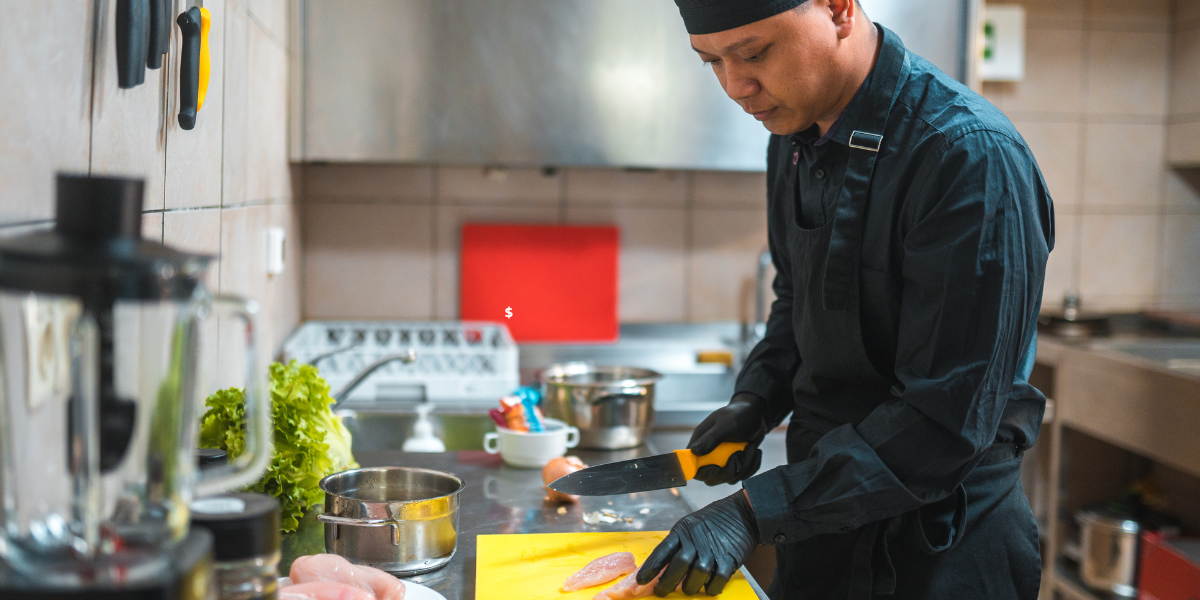
Clean hands reduce the risk of spreading germs. Wash hands with soap before cooking and after touching raw food. Keep nails short and free from dirt. Avoid touching your face or hair while cooking. Use gloves if you have cuts or wounds on your hands. Always cover sneezes and coughs with a tissue or elbow.
Proper Attire
Wear clothes that fit well and cover your body. Avoid loose sleeves that can catch fire or get caught in machines. Use a clean apron to protect your clothes and food from germs. Tie back long hair or wear a hairnet. Remove jewelry that can fall into food or get caught in equipment. Wear closed-toe, non-slip shoes to prevent slips and injuries.
Safe Handling Of Equipment
Use kitchen tools and machines carefully. Read instructions before using new equipment. Keep knives sharp to cut safely and avoid slips. Always cut away from your body. Unplug electrical devices before cleaning or fixing them. Store sharp tools in a safe place, out of children’s reach. Never leave cooking appliances unattended. Use oven mitts to handle hot pots and pans.
Preventing Cross-contamination
Cross-contamination is one of the biggest risks in any kitchen. It happens when harmful bacteria or allergens transfer from one food item or surface to another. Avoiding this requires careful habits and clear organization in your kitchen to keep food safe and healthy.
Separate Cutting Boards
Using different cutting boards for raw meat, vegetables, and ready-to-eat foods is essential. This simple step stops bacteria from raw meat touching foods you won’t cook again.
Color-coded boards make it easier to remember which one to use. For example, red for meat, green for veggies, and yellow for poultry. Have you checked if your kitchen has these distinctions? If not, it’s a quick fix that could prevent serious illness.
Cleaning And Sanitizing Surfaces
Cleaning removes dirt and food scraps, but sanitizing kills the bacteria left behind. Make sure you wipe down counters, knives, and utensils after each use, especially after handling raw foods.
Use hot, soapy water first, then a sanitizing solution like diluted bleach or commercial kitchen sanitizer. How often do you clean your kitchen surfaces during meal prep? Increasing the frequency can drastically reduce contamination risks.
Safe Food Storage
Proper storage keeps bacteria from spreading between foods. Always keep raw meats sealed and stored below ready-to-eat foods in the fridge to avoid drips.
Label leftovers with dates and use airtight containers to keep food fresh and uncontaminated. Have you organized your fridge to make sure nothing touches or leaks onto other items? This small habit protects your entire meal.
Food Handling Tips
Proper food handling in the kitchen ensures safety and hygiene. Knowing the right methods prevents foodborne illnesses. Follow these food handling tips to keep your kitchen safe.
Cooking Temperatures
Cooking food to the right temperature kills harmful bacteria. Use a food thermometer for accuracy. Here are some safe cooking temperatures:
- Poultry: 165°F (74°C)
- Ground meats: 160°F (71°C)
- Beef, pork, lamb: 145°F (63°C) with a rest time of 3 minutes
- Fish: 145°F (63°C)
Ensure meats reach these temperatures before serving.
Thawing And Cooling
Thaw foods safely to avoid bacteria growth. Do not leave food at room temperature. Use these methods instead:
- Refrigerator: Thaw food in the fridge overnight.
- Cold water: Submerge food in cold water, change water every 30 minutes.
- Microwave: Use the defrost setting for quick thawing.
Cool leftovers quickly to prevent spoilage. Store them in shallow containers in the fridge.
Avoiding Spoiled Ingredients
Check ingredients for freshness before use. Look for signs of spoilage like unusual smells, colors, or textures. Discard expired items immediately. Keep your pantry and fridge organized. Rotate stock regularly to use older items first. This practice minimizes waste and keeps meals safe.

Credit: www.amazon.com
Sanitation Procedures
Sanitation procedures keep kitchens safe and clean. They stop germs and bacteria from spreading. A clean kitchen helps protect food and health. It also keeps the cooking area neat and ready for use.
Cleaning Schedules
Regular cleaning prevents dirt buildup. It is best to set a cleaning schedule. Daily tasks include wiping counters and washing dishes. Weekly tasks can cover deeper cleaning, like floors and refrigerators. Scheduling helps keep the kitchen spotless and safe.
Use Of Sanitizers
Sanitizers kill harmful germs on surfaces. Use food-safe sanitizers on cutting boards and utensils. Spray or wipe surfaces after cleaning. Follow instructions to ensure the sanitizer works well. Proper use lowers the risk of food contamination.
Waste Disposal
Proper waste disposal keeps the kitchen hygienic. Use covered bins to stop pests. Empty bins regularly to avoid smells and bacteria. Separate organic and non-organic waste for easy handling. Good waste management supports a clean kitchen environment.
Emergency Preparedness
Emergencies can happen anytime in the kitchen, turning a busy cooking session into a dangerous situation. Being prepared for these moments is not just about having tools handy, but also knowing how to act quickly and calmly. Your readiness can prevent injuries, minimize damage, and keep everyone safe.
Fire Safety Measures
Fires in the kitchen often start from grease, faulty appliances, or unattended cooking. Keep a fire extinguisher rated for kitchen use within easy reach, and check it regularly to ensure it works. Never use water to put out a grease fire; instead, smother it with a lid or baking soda.
Practice stopping, dropping, and rolling if clothes catch fire. Make sure your smoke detectors are working and test them monthly. Have a clear evacuation plan so everyone knows where to go if the fire spreads.
First Aid In The Kitchen
Minor burns, cuts, and slips happen often in the kitchen. Keep a well-stocked first aid kit nearby, including burn creams, bandages, and antiseptic wipes. Knowing basic first aid steps can make a big difference in how quickly someone recovers.
If you cut yourself, rinse the wound immediately and apply pressure to stop bleeding. For burns, cool the area with running water for at least 10 minutes before covering it with a clean, dry cloth. When was the last time you refreshed your first aid knowledge?
Handling Chemical Spills
Kitchens use various cleaning chemicals that can be hazardous if spilled or mixed improperly. Always read labels and store chemicals in clearly marked containers away from food. In case of a spill, ventilate the area and clean it up immediately using protective gloves.
Avoid mixing chemicals like bleach and ammonia, which create toxic fumes. If a spill causes skin or eye contact, rinse the area with plenty of water and seek medical help if irritation continues. How confident are you in managing a chemical spill safely in your kitchen?

Credit: alsaedco.com
Maintaining Equipment
Maintaining kitchen equipment is key to a safe and clean cooking space. Proper care helps prevent accidents and ensures food stays safe. Well-maintained tools and machines work better and last longer. This section covers how to keep equipment in top shape through inspections, storage, and timely repairs.
Regular Inspections
Check all equipment daily before use. Look for signs of wear, damage, or dirt build-up. Spotting problems early stops bigger issues. Inspect electrical cords, blades, and seals carefully. Clean parts that touch food to avoid contamination. Keep a checklist to track inspection dates and findings.
Proper Storage
Store equipment in clean, dry places. Avoid stacking heavy items on fragile ones. Use hooks or shelves to keep tools off the floor. Cover machines to protect from dust and pests. Label storage areas to organize items clearly. Proper storage keeps equipment safe and ready for use.
Repair And Replacement
Fix damaged equipment quickly to avoid hazards. Use qualified technicians for repairs. Replace parts that wear out often, like gaskets and filters. If a machine breaks beyond repair, replace it immediately. Do not use faulty equipment as it risks safety and food quality.
Frequently Asked Questions
What Are Basic Kitchen Safety Procedures?
Basic kitchen safety includes proper knife handling, avoiding cross-contamination, and using heat-resistant gloves. Always keep floors dry and clean to prevent slips. Store hazardous materials safely and ensure fire extinguishers are accessible.
How To Maintain Sanitation In Kitchen Areas?
Maintain sanitation by regularly cleaning surfaces with disinfectants. Wash hands thoroughly before handling food. Use separate cutting boards for raw meat and vegetables. Dispose of waste promptly to avoid pests and odors.
Why Is Food Temperature Control Important?
Food temperature control prevents bacterial growth that causes foodborne illnesses. Cook food to recommended temperatures and refrigerate leftovers promptly. Use a food thermometer to ensure safety and maintain freshness.
What Personal Hygiene Practices Are Essential In Kitchens?
Kitchen staff should wash hands frequently with soap and water. Wear clean clothing and hair restraints like caps. Avoid touching face or hair while preparing food. Cover cuts and wounds with waterproof bandages.
Conclusion
Safe and clean kitchens protect everyone’s health. Follow simple steps to keep food fresh and germs away. Wash hands often and clean surfaces well. Store food at the right temperatures to stop bacteria growth. Use separate tools for raw and cooked foods.
Regular cleaning prevents accidents and illness. Small actions make a big difference in safety. Keep these habits daily for a healthy kitchen space. Safe kitchens mean happy cooks and happy eaters.