
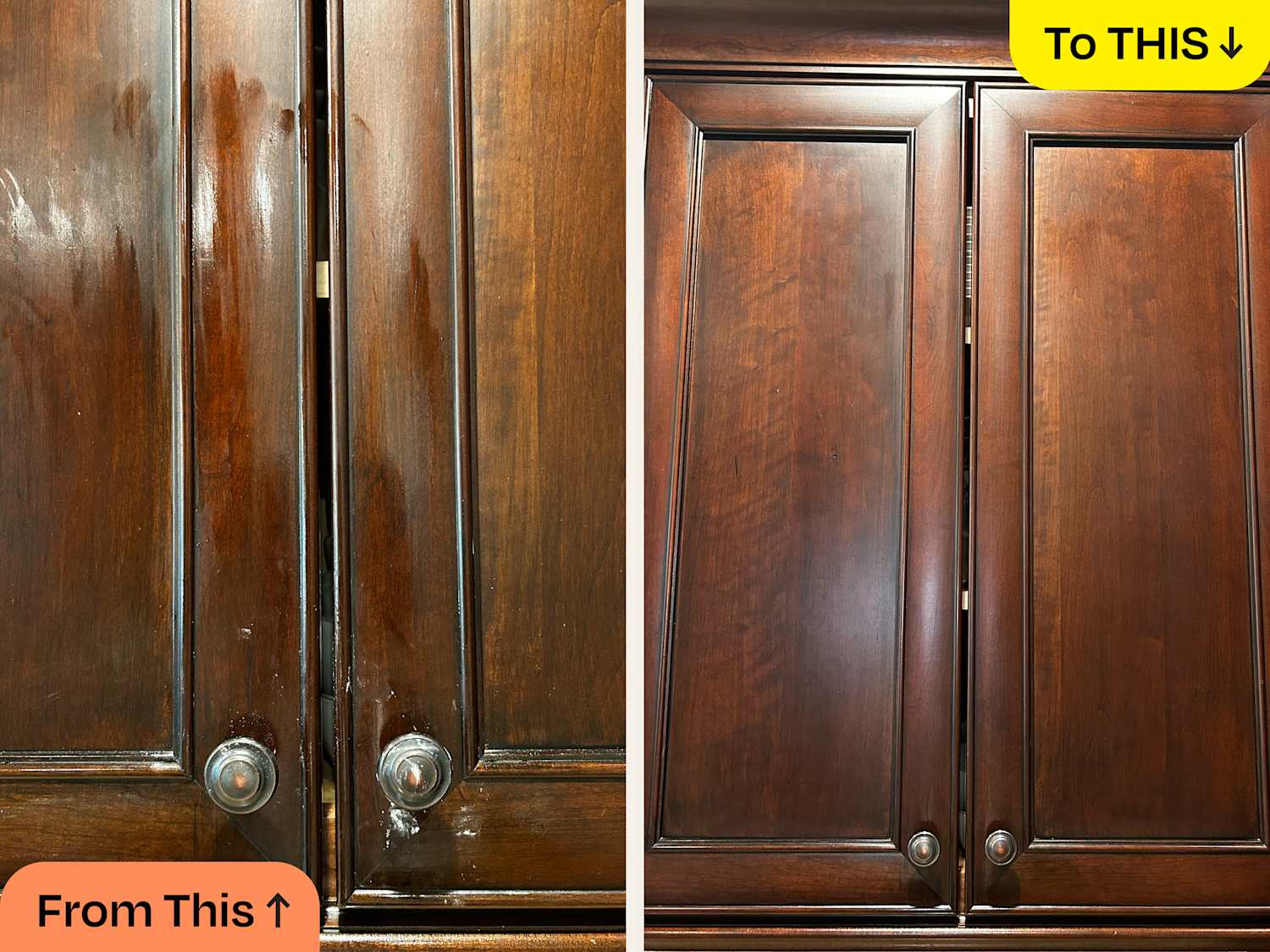
Your kitchen cabinets hold more than just dishes and spices—they can also harbor germs and bacteria that affect your family’s health. Knowing how to sanitize kitchen cabinets properly helps you create a safer, cleaner space where you prepare meals daily.
In this guide, you’ll discover simple, effective steps to keep your cabinets spotless and germ-free without wasting time or harsh chemicals. Ready to transform your kitchen into a healthier zone? Let’s dive in and make your cabinets shine like new.
Why Sanitize Kitchen Cabinets
Keeping your kitchen cabinets sanitized is more important than you might think. These surfaces come into contact with hands, utensils, and food items throughout the day, creating a hotspot for germs. Understanding why you should sanitize them can motivate you to add this simple habit to your cleaning routine.
Common Germs And Bacteria
Your kitchen cabinets can harbor various germs and bacteria, including:
- Salmonella:Often found on raw meat, it can spread to surfaces if not cleaned properly.
- E. coli:This bacteria can cling to cabinet handles and cause food poisoning.
- Staphylococcus aureus:Commonly found on skin, it can transfer from your hands to cabinets.
These microbes thrive in warm, moist environments and can survive on surfaces for hours or even days. Have you ever thought about how often you touch your cabinet handles with unwashed hands?
Benefits Of A Clean Kitchen
Sanitizing your kitchen cabinets reduces the risk of cross-contamination and foodborne illnesses. It also helps keep your kitchen smelling fresh and looking spotless.
When your cabinets are clean, you create a safer space for preparing meals and storing food. You might notice that your cooking feels more enjoyable and less stressful when you’re confident in your kitchen’s hygiene.
Are you ready to protect your family’s health by making cabinet sanitization a regular habit?
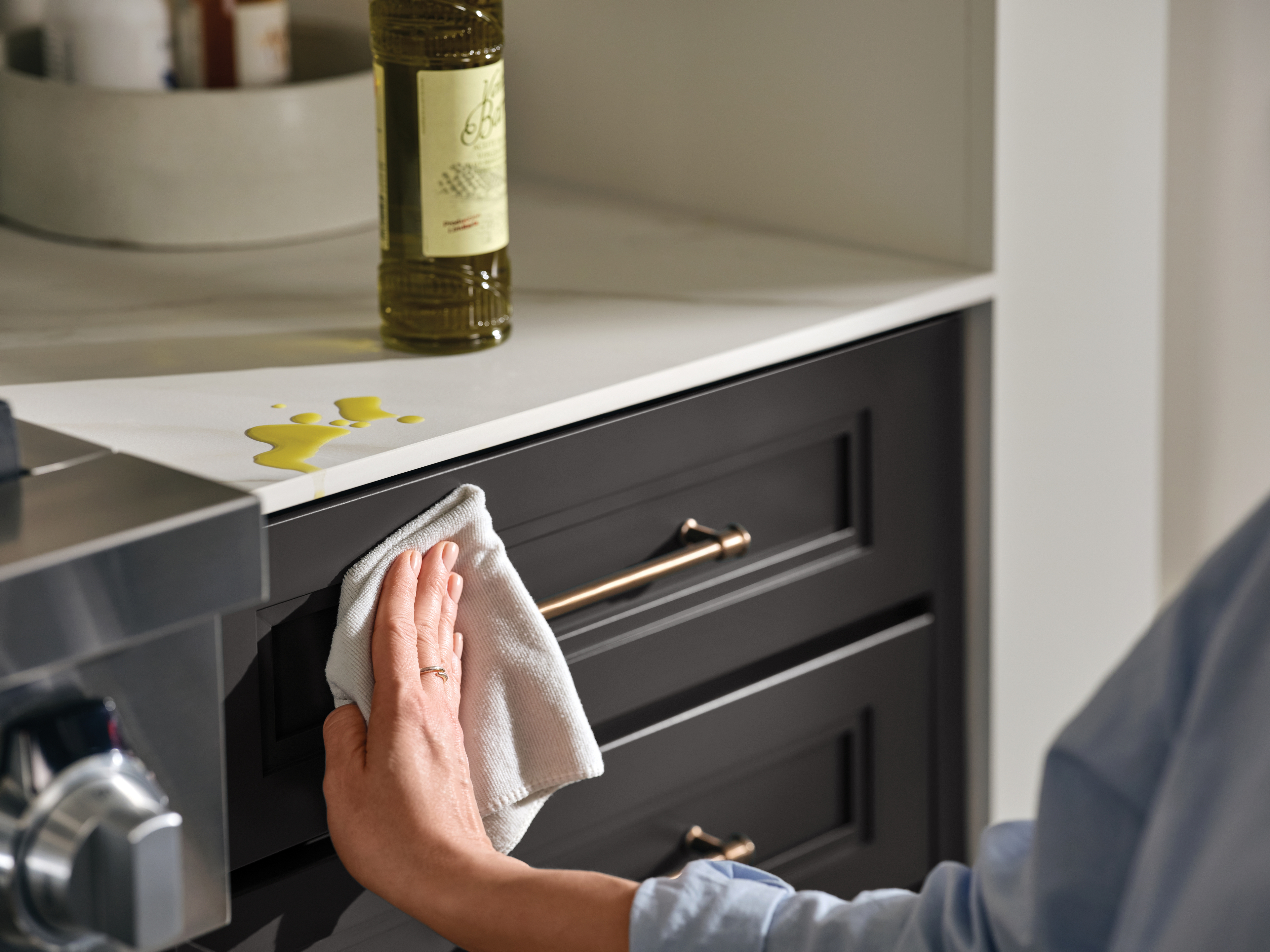
Credit: www.kraftmaid.com
Gathering Cleaning Supplies
Before you start sanitizing your kitchen cabinets, gathering the right cleaning supplies is crucial. Having everything ready saves time and ensures a thorough job. It also helps you avoid interruptions that might lead to missed spots or ineffective cleaning.
Essential Cleaning Products
Choose cleaning products that are tough on germs but safe for your cabinet surfaces. A mild dish soap combined with warm water works well for regular cleaning. For deeper sanitizing, look for disinfectant sprays or wipes that are safe for wood or laminate.
White vinegar is a natural alternative that kills many bacteria and won't damage finishes if used correctly. Avoid harsh chemicals like bleach unless your cabinets are sealed and can withstand strong cleaners. Always test a small hidden area first to ensure no discoloration occurs.
- Dish soap
- Disinfectant spray or wipes
- White vinegar
- Microfiber cloths
- Warm water
Tools For Effective Cleaning
Having the right tools makes sanitizing easier and more effective. Soft microfiber cloths are perfect for wiping down surfaces without scratching them. A small soft-bristled brush helps reach corners and crevices where dirt and germs hide.
Consider using a spray bottle to mix your cleaning solution for even application. Rubber gloves protect your hands from drying out and keep germs away. A step stool can help you reach the top shelves safely and comfortably.
- Microfiber cloths
- Soft-bristled brush
- Spray bottle
- Rubber gloves
- Step stool
Have you noticed areas in your kitchen cabinets that are harder to clean? Preparing the right supplies lets you tackle those spots efficiently without missing a beat.
Preparing Cabinets For Cleaning
Sanitizing kitchen cabinets starts with careful preparation. A clean cabinet ensures hygiene and longevity. Begin by organizing the space for effective cleaning.
Emptying Cabinet Contents
Start by removing all items from the cabinets. Place them on a clean surface. This makes cleaning easier and prevents damage to your belongings.
Check expiration dates on food items. Discard anything that has expired or gone bad. Group similar items together to organize them later.
Removing Dust And Debris
Use a soft brush or vacuum to remove dust and crumbs. Pay attention to corners and crevices where debris collects.
For stubborn dirt, use a damp cloth. Avoid soaking wood cabinets to prevent damage. Ensure all surfaces are dust-free before proceeding with deeper cleaning.
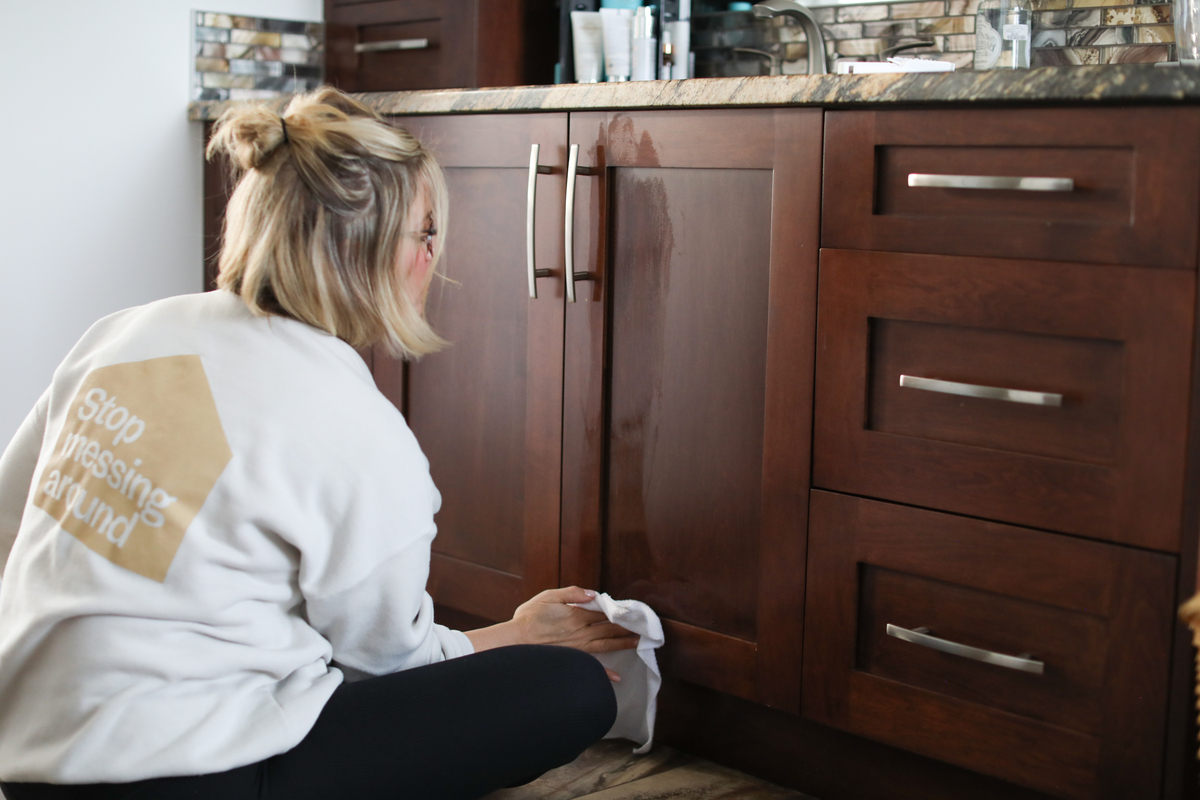
Credit: www.housework.com
Step-by-step Cleaning Process
Cleaning and sanitizing your kitchen cabinets properly can make a big difference in maintaining a healthy and fresh kitchen environment. The process is straightforward, but attention to detail is key. Let’s walk through a simple and effective way to sanitize your cabinets that you can easily repeat whenever needed.
Choosing The Right Cleaning Solution
Start by picking a cleaning solution that is both effective and safe for your cabinet surfaces. A mild dish soap mixed with warm water often works well on most finishes. Avoid harsh chemicals that could damage wood or paint.
If you want extra disinfecting power, add a small amount of white vinegar or a few drops of tea tree oil to the solution. These natural ingredients kill germs without leaving harmful residues. Have you ever noticed how some store-bought cleaners leave a sticky film? Choosing your own gentle mix prevents that buildup.
Wiping Down Cabinet Surfaces
Use a soft cloth or sponge dipped in your cleaning solution to wipe down all cabinet surfaces. Focus on areas that are touched frequently, like around handles and edges. Don’t rush—cleaning thoroughly ensures no hidden dirt or bacteria remain.
After wiping, rinse the cloth in clean water and go over the surfaces again to remove any soap residue. Dry the cabinets with a microfiber towel to prevent streaks and water damage. What’s your current routine for cabinet care? This easy step could improve it significantly.
Cleaning Handles And Hinges
Handles and hinges are magnets for grime and germs. Use a cotton swab or an old toothbrush dipped in your cleaning solution to reach tight spots. This small effort makes a big difference in overall kitchen hygiene.
For stubborn dirt, let the cleaning solution sit on handles for a minute before scrubbing. Dry them thoroughly afterward to avoid rust or corrosion. Have you checked your cabinet hardware lately? A little extra care here can extend their life and keep your kitchen looking sharp.
Sanitizing Techniques
Sanitizing kitchen cabinets removes germs and keeps your space healthy. It also protects your family from harmful bacteria. Choosing the right technique helps maintain cabinet surfaces without damage. Some methods use natural ingredients, while others rely on chemical disinfectants. Understanding how to apply these techniques ensures safe and effective cleaning.
Natural Sanitizers To Use
Natural sanitizers are gentle and eco-friendly. They clean without harsh chemicals. Common options include:
- White vinegar:Kills many bacteria and mold. Mix with water for a safe spray.
- Lemon juice:Has natural antibacterial properties and a fresh scent.
- Baking soda:Works well as a mild abrasive to remove stains and odors.
- Tea tree oil:A strong natural disinfectant. Use a few drops in water.
Test these on a small cabinet area first. This prevents any damage or discoloration.
Using Disinfectants Safely
Disinfectants kill germs quickly but need careful use. Follow these tips:
- Read product labels for instructions and warnings.
- Wear gloves to protect your skin from chemicals.
- Ensure good ventilation by opening windows or turning on fans.
- Apply disinfectants with a soft cloth to avoid surface damage.
- Do not mix different cleaning products together.
- Allow disinfectant to sit for the recommended time before wiping.
These steps help keep your cabinets clean and safe for daily use.
Drying And Polishing Cabinets
After thoroughly sanitizing your kitchen cabinets, the next crucial step is drying and polishing. This phase not only ensures that your cabinets remain free from moisture damage but also brings out their natural beauty. Proper care during drying and polishing can extend the life of your cabinets and keep them looking fresh for longer.
Proper Drying Methods
Leaving your cabinets damp can lead to warping, peeling, or mold growth. Use a clean, dry microfiber cloth to gently wipe down all surfaces. This fabric absorbs moisture well and won’t scratch delicate finishes.
Make sure to open cabinet doors and drawers to allow air to circulate inside. If your kitchen is humid, consider using a fan to speed up drying. Avoid using heat sources like hair dryers, which can damage wood or veneer.
Adding Shine And Protection
Polishing your cabinets is more than just about shine—it adds a protective layer that repels dust and stains. Use a polish suitable for your cabinet material, whether wood, laminate, or painted surfaces.
Apply polish sparingly with a soft cloth, following the grain of the wood if applicable. Buff gently until you see a subtle glow. Have you noticed how a well-polished cabinet instantly brightens the whole kitchen?
For an extra touch, consider natural options like a small amount of olive oil mixed with lemon juice. It’s a simple way to nourish wood and keep it looking vibrant without harsh chemicals. What’s your favorite method to keep your cabinets shining?
Maintaining Clean Cabinets
Maintaining clean kitchen cabinets keeps your kitchen fresh and hygienic. Dirt and grease can build up quickly on cabinet surfaces. Regular care stops stains and damage. Clean cabinets also improve the kitchen’s look and feel.
Regular Cleaning Schedule
Set a routine to clean your cabinets every week. Use a soft cloth and mild cleaner to wipe surfaces. Focus on handles and edges where dirt gathers. Monthly deep cleaning with a gentle disinfectant helps remove germs. This habit prevents grime from hardening and becoming tough to remove.
Tips To Prevent Dirt Buildup
- Wipe spills immediately to avoid stains.
- Use cabinet liners to protect shelves.
- Keep kitchen vents clean to reduce dust.
- Avoid harsh chemicals that can damage finishes.
- Regularly check for sticky spots and clean them quickly.

Credit: www.express.co.uk
Frequently Asked Questions
How Often Should I Sanitize Kitchen Cabinets?
Sanitize kitchen cabinets at least once a month. Frequent cleaning prevents germ buildup and maintains hygiene. Increase frequency if cabinets are near cooking or food prep areas.
What Is The Best Sanitizer For Kitchen Cabinets?
Use a mild, non-toxic sanitizer like diluted vinegar or a gentle dish soap solution. Avoid harsh chemicals that can damage cabinet surfaces or finishes.
Can I Use Bleach To Sanitize Kitchen Cabinets?
Bleach can sanitize but may damage finishes or discolor cabinets. Use diluted bleach sparingly and test on a small area first to avoid damage.
How Do I Sanitize Wooden Kitchen Cabinets Safely?
Use a mild soap and water mixture or vinegar solution. Avoid excess moisture and harsh chemicals to protect wood surfaces and finishes.
Conclusion
Sanitizing kitchen cabinets keeps your space clean and safe. Regular cleaning removes germs and food residue. Use gentle cleaners to protect cabinet surfaces. Wipe cabinets with a soft cloth to avoid damage. Clean handles and edges where dirt hides. A clean kitchen feels fresh and inviting.
Small steps make a big difference in hygiene. Start today and keep your kitchen healthy. Simple habits lead to lasting cleanliness and comfort.