
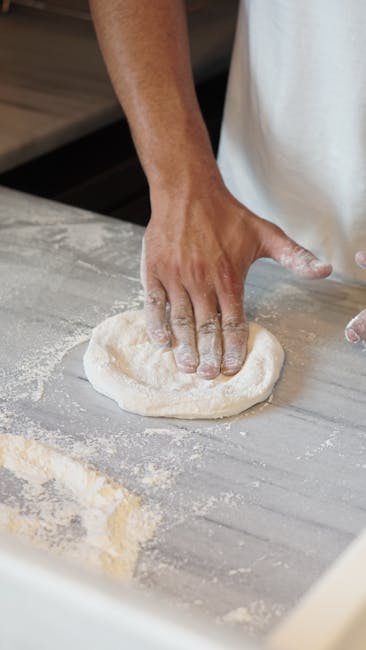
Imagine stepping into a space where the warm scent of freshly baked bread wraps around you like a comforting hug. Your Baker’s Kitchen is more than just a place—it’s where creativity meets comfort, and every ingredient tells a story.
Whether you’re a beginner or someone who loves baking, this kitchen is your sanctuary. You’ll discover simple tips and tricks to make your baking experience easier and more enjoyable. Ready to turn your kitchen into a haven for delicious treats?
Let’s dive in and unlock the secrets that will make your baking truly unforgettable.

Credit: www.hgtv.com
Essential Baking Tools
Baking requires more than just following recipes. The right tools make a big difference. Essential baking tools help you prepare, measure, mix, and bake with ease. Having these tools ready can boost your confidence and improve your results. Let's explore the key tools every baker needs in their kitchen.
Must-have Equipment
- Measuring cups and spoons for accurate ingredient amounts
- Mixing bowls in various sizes for easy preparation
- Whisk and spatula for mixing and folding ingredients
- Baking pans like cake tins, loaf pans, and cookie sheets
- Oven thermometer to ensure correct baking temperature
- Cooling racks to allow baked goods to cool evenly
- Rolling pin for shaping dough
- Electric mixer or hand whisk for faster mixing
Choosing Quality Ingredients
The best tools cannot replace fresh and quality ingredients. Always pick ingredients with good freshness and proper labeling. Use real butter or high-quality oils for better flavor. Fresh eggs and quality flour improve texture and taste. Avoid expired or low-grade ingredients that affect the final product. Simple choices here lead to better baking outcomes.
Organizing Your Workspace
Keep your baking space clean and organized. Arrange tools and ingredients within easy reach. Use clear containers for storing flour, sugar, and other staples. Label shelves or drawers to find items quickly. A tidy workspace reduces mistakes and saves time. Prepare all ingredients before starting to bake for smooth workflow.
Classic Bread Recipes
Classic bread recipes form the heart of every baker’s kitchen. These timeless loaves bring comfort and familiarity, yet each offers a unique texture and flavor that can elevate your baking skills. Whether you’re just starting out or looking to refine your craft, mastering these breads will deepen your appreciation for the art of baking.
Simple White Loaf
The simple white loaf is a staple that never fails to impress. It uses just a few basic ingredients: flour, water, yeast, salt, and a touch of sugar. This bread is soft inside with a light, golden crust—perfect for sandwiches or toast.
One trick I learned early on is to give your dough enough time to rise slowly. This develops better flavor and a tender crumb. Have you noticed how patience in baking changes the whole outcome?
Rustic Sourdough
Rustic sourdough is a bit more challenging but incredibly rewarding. It relies on a natural starter instead of commercial yeast, giving the bread its signature tangy taste. The crust becomes thick and crunchy while the inside stays chewy with large, irregular holes.
Don’t rush the fermentation. Let your starter bubble and grow until it’s lively, then your dough will respond beautifully. Sourdough teaches you to work with nature’s timing—how often do you get that chance in cooking?
Whole Wheat Variations
Whole wheat bread brings a nutty flavor and extra nutrients to your table. Because whole wheat flour absorbs more water, you need to adjust hydration carefully. This bread can be dense if not handled right, but a few tips make it light and satisfying.
- Add a bit of honey or molasses to balance the earthy taste.
- Mix whole wheat with white flour for a softer texture.
- Use warm water and give the dough ample time to rise for better gluten development.
Have you ever tried baking whole wheat bread that’s both hearty and soft? It’s all about balancing ingredients and timing—skills you build with each loaf.
Decadent Cakes And Cupcakes
The world of decadent cakes and cupcakes at A Baker’s Kitchen is a celebration of rich flavors and irresistible textures. Each bite promises a delightful experience, crafted with care and creativity. Whether you prefer the classic charm of chocolate or the subtle elegance of vanilla, there’s something here to satisfy your sweet tooth and inspire your own baking adventures.
Moist Chocolate Cake
Moist chocolate cake is the heart of many celebrations. At A Baker’s Kitchen, the secret lies in using high-quality cocoa powder and balancing wet ingredients just right to keep the cake tender.
Have you ever noticed how adding a bit of coffee can intensify the chocolate flavor? This simple trick makes the cake richer without tasting like coffee at all.
Try baking your chocolate cake with buttermilk or sour cream. These ingredients add moisture and a slight tang that enhances the overall taste and texture.
Vanilla Bean Cupcakes
Vanilla bean cupcakes offer a pure, aromatic experience that feels both comforting and sophisticated. The use of real vanilla beans instead of extract creates tiny black specks and a deeper, more natural flavor.
When I switched from vanilla extract to vanilla beans, the difference was noticeable. The cupcakes had a fresh, fragrant note that made them perfect for any occasion.
Don’t underestimate the power of simple ingredients. Perfectly whipped butter and sugar, combined with the subtle vanilla bean, can turn a basic cupcake into a crowd favorite.
Creative Frosting Ideas
Frosting can make or break your cake or cupcake. At A Baker’s Kitchen, creativity shines in the variety of frostings offered, from classic buttercream to inventive combinations.
- Swiss Meringue Buttercream:Light, silky, and less sweet, ideal for those who want a smooth finish without overwhelming sugar.
- Salted Caramel Frosting:Balances sweet and salty perfectly, adding complexity to simple cakes.
- Lavender Honey Buttercream:A floral twist that pairs beautifully with vanilla or lemon bases.
Have you experimented with adding unexpected flavors to your frostings? Small changes can elevate your baking and surprise your guests.

Credit: www.hgtv.com
Sweet Pastries And Tarts
Sweet pastries and tarts are the heart of A Baker's Kitchen. They invite you with their rich aromas and delicate textures. Every bite promises a balance of buttery goodness and sweet delight that can brighten your day.
Flaky Croissants
Flaky croissants at A Baker's Kitchen are crafted with layers of butter folded into the dough. This process creates a light, airy texture that melts in your mouth. Have you ever noticed how the perfect croissant can transform your morning coffee into a special moment?
Try them plain or filled with almond cream or chocolate for a sweet twist. The key is the freshness—each croissant is baked daily to maintain that signature flakiness.
Fruit-filled Tarts
The fruit-filled tarts here showcase seasonal produce, making each tart unique. Juicy berries, crisp apples, or tart cherries are combined with a crisp pastry base that holds the fruit perfectly. You might find yourself craving the balance of tartness and sweetness in every bite.
These tarts are not just desserts; they're a celebration of fruit at its best. What fruit would you choose to highlight in your own tart creation?
Savory Pastry Options
Not all pastries need to be sweet. A Baker's Kitchen offers savory options that surprise and satisfy. Think of golden puff pastries filled with spinach and feta or flaky parcels stuffed with seasoned meats.
These savory treats make great snacks or light meals. Have you tried pairing a savory pastry with a fresh salad for a quick, delicious lunch?
Cookies And Bars
A Baker’s Kitchen offers fresh, soft cookies and rich, chewy bars made with simple ingredients. Each bite brings homemade warmth and sweet comfort to your day.
A Baker's Kitchen is a delightful haven where the magic of baking transforms simple ingredients into irresistible treats. Among the most beloved creations are cookies and bars, each offering a unique symphony of flavors and textures. Whether you're a seasoned baker or a novice, these sweet indulgences are both comforting and rewarding to make.
Classic Chocolate Chip
There's something timeless about a classic chocolate chip cookie. The balance of sweet, buttery dough with rich chocolate chunks is simply unbeatable. Many bakers have fond memories of perfecting their own version, adjusting the sugar or adding a pinch of sea salt for that extra flavor boost. The key to a perfect batch is in the timing. Baking them until just golden around the edges ensures a chewy center. And don’t forget to let them cool slightly on the tray for that perfect texture.
Chewy Oatmeal Raisin
Oatmeal raisin cookies often stir up a debate—are they really better than chocolate chip? For those who appreciate them, the answer is a resounding yes. Their chewy texture, combined with the sweetness of raisins and the warmth of cinnamon, creates a comforting cookie experience. Using old-fashioned oats gives them a hearty texture that pairs well with a tall glass of milk. Have you ever tried soaking the raisins in warm water before adding them? It makes them plump and juicy, enhancing every bite.
Rich Brownie Recipes
For those who lean towards bars, rich brownies are a must-try. Fudgy or cakey, they offer a variety of textures to explore. Many home bakers experiment with different types of chocolate, from dark to milk, to find their perfect balance of sweetness and depth. Consider adding a swirl of cream cheese or a sprinkle of walnuts for a delightful twist. What’s your secret ingredient for making brownies irresistible? Some swear by a dash of espresso powder to intensify the chocolate flavor. These cookies and bars aren't just desserts; they're an invitation to gather, share, and savor the simple pleasures of life. So, what will you bake next from your kitchen?
Tips For Perfect Baking
Baking is both an art and a science. Small details create big differences in taste and texture. Follow simple tips to improve your baking results every time.
Measuring Ingredients Accurately
Use the right tools for measuring ingredients. Dry ingredients like flour and sugar need a dry measuring cup. Liquids require a liquid measuring cup. Level off dry ingredients with a flat edge. Avoid packing flour unless the recipe says so. Weighing ingredients with a kitchen scale gives the best accuracy. Accurate measurements ensure the right balance of flavors and textures.
Temperature And Timing
Preheat the oven fully before baking. An oven thermometer helps check actual temperature. Baking times vary by oven model and recipe. Set timers to avoid underbaking or overbaking. Open the oven door only when necessary. Sudden temperature changes can affect rising and texture. Follow temperature and timing instructions closely for consistent results.
Troubleshooting Common Issues
Dry or crumbly baked goods often mean too much flour or overbaking. Dense or heavy cakes may lack enough leavening or have too much liquid. Sinking centers can result from underbaking or opening the oven door too soon. Use fresh ingredients like baking powder and soda for better rise. Adjust oven temperature or time if results differ from the recipe. Troubleshooting helps improve your baking skill over time.
Baking For Special Diets
Baking for special diets challenges you to rethink traditional recipes and ingredients. It pushes creativity while making treats that everyone can enjoy safely and healthily. Whether you’re baking for yourself or loved ones, understanding these dietary needs helps you deliver delicious results without compromise.
Gluten-free Options
Gluten-free baking requires more than just removing wheat flour. You need to find the right balance of alternative flours like almond, rice, or oat to get the texture right. Have you noticed how some gluten-free cakes turn out dry? Adding ingredients like applesauce or yogurt can keep your baked goods moist and tender.
Using xanthan gum or guar gum can improve elasticity and structure, which gluten usually provides. Try mixing different flours rather than sticking to one type; this often creates a better crumb and flavor. Don’t be afraid to experiment—your perfect gluten-free cookie might be just a tweak away.
Vegan Baking
Vegan baking means skipping all animal products, including eggs, butter, and milk. It might sound limiting, but plenty of plant-based alternatives exist. For example, mashed bananas or flaxseed mixed with water work well as egg substitutes, adding moisture and binding your ingredients.
Replacing butter with coconut oil or vegan margarine can create rich, tender textures. I once swapped out eggs in a brownie recipe with silken tofu and was amazed by the fudgy result. What vegan swap will you try next to surprise your taste buds?
Low-sugar Alternatives
Cutting down sugar doesn’t mean your baked goods have to taste bland. Ingredients like mashed bananas, unsweetened applesauce, or dates can add natural sweetness and moisture. You can also use sugar substitutes like stevia or erythritol, but watch their quantities carefully as they affect texture differently.
Balancing sweetness with spices like cinnamon or vanilla can enhance flavor without extra sugar. When baking for low-sugar diets, test recipes in small batches to find the right taste and texture. How much sugar reduction will you make without losing that satisfying sweetness?
Inspiring Baking Creativity
Baking is more than following recipes. It is a fun way to create and express yourself. A baker's kitchen is the perfect place to try new ideas and find joy in making sweet treats. Creativity grows when you mix flavors, practice decorating, and share your work with others. This section explores how to inspire baking creativity every day.
Experimenting With Flavors
Trying new flavors makes baking exciting. Use spices like cinnamon or cardamom to add warmth. Mix fruits such as berries or mango for fresh tastes. Combine sweet and salty for a unique twist. Small changes can make big differences in your recipes.
- Swap vanilla extract for almond or coconut.
- Add zest from lemon or orange for brightness.
- Use different types of chocolate, like dark or white.
- Try herbs like mint or basil for a fresh note.
Keep notes of what you like. This helps you create your signature flavors.
Decorating Techniques
Decorating brings your baked goods to life. Simple tools like a spatula or piping bag can create patterns and shapes. Practice basic designs like swirls and dots. Use colorful icing, sprinkles, or edible flowers to add charm. Even small decorations make treats look special.
- Try different piping tips for unique textures.
- Experiment with layering colors in icing.
- Use stencils to dust powdered sugar or cocoa.
- Create shapes with fondant or cookie cutters.
Decorating helps improve patience and attention to detail.
Sharing Your Creations
Sharing baked goods spreads happiness. Give treats to family, friends, or neighbors. Their smiles encourage you to bake more. Share photos on social media or join local baking groups. Feedback helps you grow and improve. Baking becomes a way to connect with others.
- Package treats nicely for gifts.
- Host a small tasting party.
- Join baking contests or community events.
- Swap recipes with other bakers.

Credit: www.hgtv.com
Frequently Asked Questions
What Essential Tools Are Needed In A Baker's Kitchen?
A baker's kitchen needs basic tools like mixing bowls, measuring cups, a stand mixer, rolling pin, and baking trays. These tools ensure precision and efficiency in baking. Quality tools improve texture and taste in your baked goods.
How To Organize A Baker's Kitchen For Efficiency?
Organize your baker's kitchen by grouping similar tools and ingredients together. Use labeled containers and shelves for easy access. Keep frequently used items within reach to save time. Clean and declutter regularly to maintain a productive workspace.
What Ingredients Are Staples In A Baker's Kitchen?
Staple ingredients include flour, sugar, baking powder, yeast, eggs, butter, and vanilla extract. These basics support a wide variety of recipes. Having fresh and high-quality ingredients is key to great baking results.
How To Maintain Cleanliness In A Baker's Kitchen?
Clean as you bake to avoid mess buildup. Sanitize surfaces, tools, and hands frequently. Store ingredients properly to prevent contamination. Regular cleaning ensures food safety and a pleasant baking environment.
Conclusion
A Baker’s Kitchen offers a warm space for baking joy. Fresh ingredients and simple tools create tasty treats. Everyone can enjoy the fun of baking at home. Try new recipes and share with friends and family. Baking brings comfort and happiness to any day.
Keep exploring flavors and baking skills step by step. This kitchen is where delicious memories begin.