
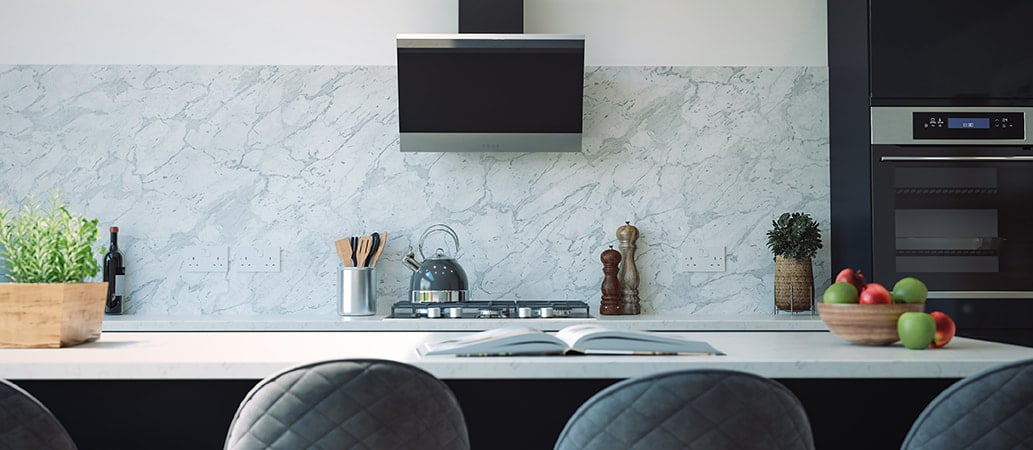
Are your kitchen tiles looking outdated or worn out? You don’t have to tear them out to give your kitchen a fresh, new look.
Imagine transforming your space quickly and affordably without the mess of a full renovation. In this guide, you’ll discover simple and effective ways to cover your kitchen tiles, making your kitchen feel like new again. Whether you want a bold change or just a subtle update, you’ll find easy ideas you can start using today.
Ready to see your kitchen in a whole new light? Let’s dive in!
Choosing The Right Covering
Choosing the right covering for your kitchen tiles can transform the entire look of your space without the hassle of a full renovation. It’s important to pick a solution that fits your lifestyle, budget, and the condition of your current tiles. Think about how much time and effort you want to spend, and what kind of finish you want to achieve.
Are you aiming for a quick fix or a longer-lasting change? Do you want something easy to remove or a more permanent update? Answering these questions will help you narrow down the options and choose a covering that truly works for your kitchen.
Tile Paint Options
Tile paint is a great choice if you want to refresh your kitchen tiles without removing them. It sticks well to ceramic and porcelain surfaces and comes in a variety of colors and finishes.
Painting tiles can give you a smooth, uniform look. However, proper surface preparation is crucial — cleaning and sanding your tiles will ensure the paint adheres correctly. Keep in mind, painted tiles may chip over time, so this option suits kitchens with light use or those you want to update again in the future.
Peel-and-stick Tiles
Peel-and-stick tiles offer an easy and mess-free way to cover existing tiles. They come in many designs, from classic subway tiles to intricate patterns, allowing you to customize your kitchen’s look instantly.
These tiles are perfect if you want a temporary or renter-friendly solution. Just peel off the backing and press them onto your clean tile surface. They’re waterproof and durable, but be cautious — removing them later might damage the original tiles.
Adhesive Vinyl Sheets
Adhesive vinyl sheets provide a sleek and affordable way to cover kitchen tiles. They are thin, flexible, and available in endless styles, including wood grain, marble, and geometric prints.
You can cut these sheets to size and apply them directly to your tiles or countertops. Vinyl sheets are water-resistant and easy to wipe clean, making them practical for busy kitchens. However, they require careful application to avoid bubbles and wrinkles.
Temporary Wallpaper
Temporary wallpaper is an unconventional but creative option to cover kitchen tiles. Modern versions are water-resistant and easy to apply, offering a chance to add bold patterns or subtle textures.
This option is ideal if you want to experiment with your kitchen’s style without a permanent commitment. Make sure the wallpaper is designed for high-moisture areas, and prepare your tiles by cleaning them thoroughly. Would you be surprised how wallpaper can brighten your kitchen walls as well as your tiles?

Credit: www.mineraltiles.com
Preparing The Surface
Preparing the surface before covering kitchen tiles is crucial for a smooth and long-lasting finish. Skipping this step can lead to peeling, uneven coverage, or a weak bond. Taking time to properly prepare ensures that whatever material you use—paint, adhesive film, or new tiles—sticks well and looks great.
Cleaning And Drying Tiles
Start by giving your tiles a thorough clean to remove grease, dirt, and any residues. Use a strong kitchen cleaner or a mixture of warm water and vinegar for effective cleaning. After scrubbing, rinse well and let the surface dry completely—moisture can ruin adhesion and cause problems later.
Sanding For Better Adhesion
Sanding the tiles lightens the glossy surface and creates tiny scratches that help new layers stick better. Use fine-grit sandpaper and sand gently to avoid damaging the tiles. Don’t skip this step even if your tiles seem clean and smooth; it makes a big difference in how well your covering lasts.
Removing Loose Grout
Loose or cracked grout can weaken the surface and cause your covering to lift or crack. Use a grout saw or a utility knife to carefully remove any loose grout around the tiles. Clearing out these weak spots creates a stronger, more even surface for your project.
Painting Kitchen Tiles
Painting kitchen tiles offers a quick way to refresh your space without removing old tiles. Choose the right paint and prepare tiles well for a smooth finish. This method saves time and money while giving your kitchen a fresh look.
Transforming your kitchen can be as simple as giving your tiles a fresh coat of paint. Whether you're tired of the old design or want to infuse some personality into your space, painting kitchen tiles is an affordable and creative solution. This DIY project not only saves you the cost of new tiles but also offers a satisfying sense of accomplishment. Let's dive into the essential steps to achieve a lasting and beautiful finish.
Selecting Durable Paint
Choosing the right paint is crucial to ensure your tiles withstand the test of time. Look for high-quality, durable paint specifically designed for tiles or areas with high moisture. Epoxy-based paints are a popular choice due to their robust finish and resistance to water and stains. Consider the color and finish you desire—glossy finishes are easier to clean but may highlight imperfections, while matte finishes offer a more subtle look.
Priming The Tiles
Priming is an essential step in preparing your tiles for painting. A good primer helps the paint adhere better and ensures a smoother finish. Clean your tiles thoroughly to remove grease and grime, then apply a tile primer with a brush or roller. Allow it to dry completely before moving on to the next step. This preparation will make a significant difference in the longevity and appearance of your painted tiles.
Applying Paint In Layers
Painting tiles is not a one-and-done process; multiple layers are key to achieving a rich and even color. Start with a thin layer of paint, using a brush for edges and a roller for larger surfaces. Let each coat dry thoroughly before applying the next. Typically, two to three coats are sufficient for a vibrant finish. Patience is vital here, as rushing can lead to uneven coverage and peeling.
Sealing For Longevity
To protect your newly painted tiles and extend their life, sealing is a must. A clear, water-based polyurethane sealer works wonders for maintaining your tiles' appearance and durability. Apply it using a clean brush, ensuring an even coat across the surface. This final step not only enhances the shine but also adds a protective layer against daily wear and tear. Remember, a well-sealed tile can handle the demands of a busy kitchen without losing its charm. By following these steps, you can enjoy a fresh and personalized kitchen space. Have you ever considered painting your tiles to breathe new life into your kitchen?

Credit: mercurymosaics.com
Using Peel-and-stick Tiles
Using peel-and-stick tiles offers a quick and easy way to cover kitchen tiles. These tiles are self-adhesive and ready to apply. They come in many designs and colors to match your kitchen style. The process does not require grout or special tools. It is a budget-friendly option for a fresh look.
Measuring And Cutting Tiles
Start by measuring the area you want to cover. Use a tape measure for accurate dimensions. Mark the tiles with a pencil where cuts are needed. Cut tiles carefully using a utility knife or scissors. Take your time to ensure clean, straight edges. Always measure twice before cutting to avoid mistakes.
Aligning And Applying Tiles
Clean the surface to remove dirt and grease. Peel off the backing from the tile slowly. Align the tile carefully with the edge or previous tile. Press the tile firmly onto the wall. Work from top to bottom for better control. Keep the tiles close to avoid gaps between them.
Smoothing Out Air Bubbles
After applying each tile, check for air bubbles. Use a flat tool like a plastic card to smooth them out. Start from the center and push outward. This helps the tile stick well and looks neat. Remove any bubbles to prevent peeling later. Smooth tiles last longer and look professional.
Installing Vinyl Sheets
Installing vinyl sheets over your kitchen tiles is a smart way to refresh the space without a full renovation. This option offers flexibility and style, allowing you to change the look of your kitchen easily. The process requires careful planning and precision to ensure a smooth, lasting finish that looks professional.
Choosing Patterns And Colors
Your choice of pattern and color sets the tone for your kitchen’s new look. Think about the style you want—modern, rustic, or classic—and pick a vinyl design that complements your cabinets and countertops. Bold patterns can make a small kitchen pop, while subtle hues create a calm and spacious feel.
Consider how much light your kitchen gets. Dark colors can absorb light and make a room feel smaller, while lighter shades reflect light and open up the space. If you want to experiment without overwhelming the room, try a vinyl with a simple texture or a soft pattern.
Cutting To Fit The Area
Precision is key when cutting vinyl sheets to fit your kitchen tiles. Measure your space carefully before you start cutting. It helps to add a small margin—about half an inch—to your measurements to ensure a perfect fit around corners and edges.
Use a sharp utility knife and a straight edge to cut clean lines. If you’re dealing with tricky shapes around outlets or cabinets, make a paper template first. This step can save you from costly mistakes and wasted material.
Applying Adhesive Properly
The adhesive is what keeps your vinyl sheet firmly in place. Make sure the surface is clean, dry, and free of grease before you apply any glue. Spread the adhesive evenly with a notched trowel to avoid lumps or bubbles under the vinyl.
Press the vinyl down slowly, smoothing it out as you go to prevent air pockets. Rolling over the surface with a floor roller can help secure the bond. Ask yourself—did you allow enough time for the adhesive to set before using the kitchen? Patience here can save you from peeling edges later.
Adding Decorative Elements
Adding decorative elements to your kitchen tiles can instantly refresh the space without the need for a full remodel. These creative touches allow you to personalize your kitchen and make it feel unique. Whether you want a subtle change or a bold statement, there are simple ways to transform your tiles with style and ease.
Using Stencils And Decals
Stencils and decals offer an easy way to add patterns or images onto your kitchen tiles. You can choose from a wide range of designs—from geometric shapes to floral patterns—that suit your taste. Applying them is straightforward, and they can be removed or replaced when you want a new look.
Think about using reusable stencils to paint directly onto the tiles with tile-friendly paint. This approach allows you to customize colors and designs exactly how you want. Decals, on the other hand, are perfect if you want a quick update without mess or drying time.
Creating Patterns With Tape
Painter’s tape can help you create sharp, clean lines to form patterns on your tiles. You might try stripes, chevrons, or checkerboards by taping off sections and painting over them. This technique gives you control over the design and allows for experimenting with different color combinations.
Ask yourself which shapes or lines would complement your kitchen’s style. Maybe a bold contrast will energize the room, or soft pastels will provide a calm backdrop. The best part is that tape is inexpensive and easy to work with, making it perfect for DIY projects.
Incorporating Metallic Accents
Adding metallic accents like gold, silver, or copper can bring a modern touch to your kitchen tiles. You can use metallic paint for small details or metallic adhesive strips for a shiny border effect. These accents catch the light and add a subtle luxury feel without overwhelming the space.
Have you noticed how a small metallic highlight can change the whole vibe of a room? Try applying metallic touches in areas that naturally draw attention, such as around the stove or sink. This can create a focal point that makes your kitchen feel more polished and stylish.
Maintaining Covered Tiles
Covering kitchen tiles is a fantastic way to refresh your space without a full renovation. But once your tiles are covered, maintaining them properly becomes key to preserving that fresh look and extending their lifespan. Paying attention to how you care for these covered surfaces can save you time, money, and frustration down the line.
Cleaning Tips
Cleaning covered tiles requires gentle care to avoid peeling or damaging the covering. Use a soft cloth or sponge with mild soap and warm water to wipe down the surface regularly. Avoid abrasive cleaners or scrubbers that can scratch or wear down the covering.
Try to clean spills immediately—especially sticky or oily substances. Waiting too long can cause stains that become harder to remove and might seep into the edges of your covering. Have you noticed how a quick wipe can prevent long-term damage?
Avoiding Damage
Protect your covered tiles by being mindful of what comes into contact with them. Heavy pots, sharp utensils, and dropping objects can easily chip or tear the covering. Place protective mats or pads under heavy appliances or frequently used areas to minimize wear.
Also, be cautious with heat. Some coverings can warp or discolor if exposed to excessive heat from pots or direct sunlight. Have you ever accidentally set a hot pan down and noticed a mark? Preventing that can keep your kitchen looking new longer.
Touching Up Worn Areas
Even with the best care, some spots may wear out over time. Keep small amounts of your tile covering material or matching paint on hand for quick touch-ups. Carefully apply patches or paint to worn areas to blend them seamlessly with the rest.
This proactive approach stops minor damage from turning into larger problems. How often do you check your covered tiles for small signs of wear before they get worse? A little attention can go a long way in maintaining a polished kitchen look.

Credit: www.reddit.com
Frequently Asked Questions
How Can I Cover Kitchen Tiles Without Removing Them?
You can use tile paint, adhesive vinyl, or peel-and-stick tiles to cover kitchen tiles easily. These options save time and effort.
What Materials Work Best To Cover Kitchen Tiles?
Peel-and-stick tiles, beadboard panels, and tile paint are popular materials. They provide a fresh look without heavy renovation.
Is It Possible To Cover Kitchen Tiles On A Budget?
Yes, peel-and-stick tiles and tile paint are affordable solutions. They offer a quick and cost-effective kitchen update.
Can I Cover Kitchen Tiles With Wallpaper Safely?
Yes, but choose waterproof, durable wallpaper designed for kitchens. Proper surface preparation ensures strong adhesion and longevity.
Conclusion
Covering kitchen tiles can change your space quickly and affordably. Choose a method that fits your style and budget. Peel-and-stick tiles offer easy updates without mess. Paint can brighten tiles and create a fresh look. Remember to clean tiles well before starting any project.
Small changes make a big difference in your kitchen’s feel. Enjoy your renewed kitchen with simple tile covering ideas.