
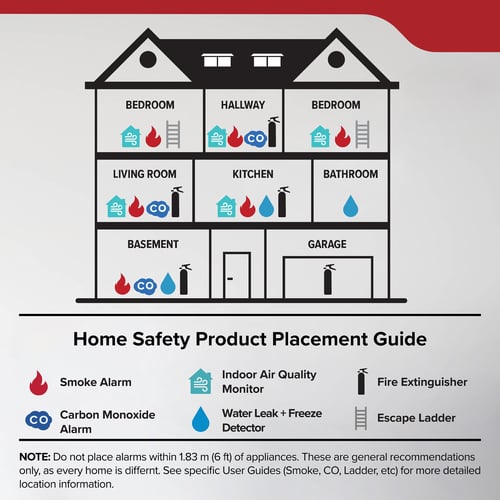
Have you ever wondered if you really need a smoke detector in your kitchen? You spend a lot of time cooking, and the kitchen is one of the most common places for fires to start.
But does that mean a smoke detector is necessary there? You might worry about false alarms from burnt toast or wonder if it’s safe to install one near your stove. You’ll discover the important reasons why a smoke detector in your kitchen can protect your home and your loved ones.
Keep reading to find out how to keep your kitchen safe without the hassle of constant beeping.
Smoke Detector Basics
Understanding the basics of smoke detectors can help you decide if you need one in your kitchen. Smoke detectors come in different types and work using various technologies. Knowing these details can make your home safer and help you choose the right device for each area.
Types Of Smoke Detectors
There are mainly two types of smoke detectors: ionization and photoelectric. Each type senses smoke differently and reacts to specific fire conditions.
- Ionization Smoke Detectors:These detect fast-flaming fires with small smoke particles. They use a small amount of radioactive material to sense changes in the air's ionization.
- Photoelectric Smoke Detectors:These detect slow, smoldering fires that produce larger smoke particles. They use a light source and a sensor to detect smoke disrupting the light beam.
Some homes use a combination or dual-sensor detectors that include both ionization and photoelectric technology. This can provide better overall protection.
How Smoke Detectors Work
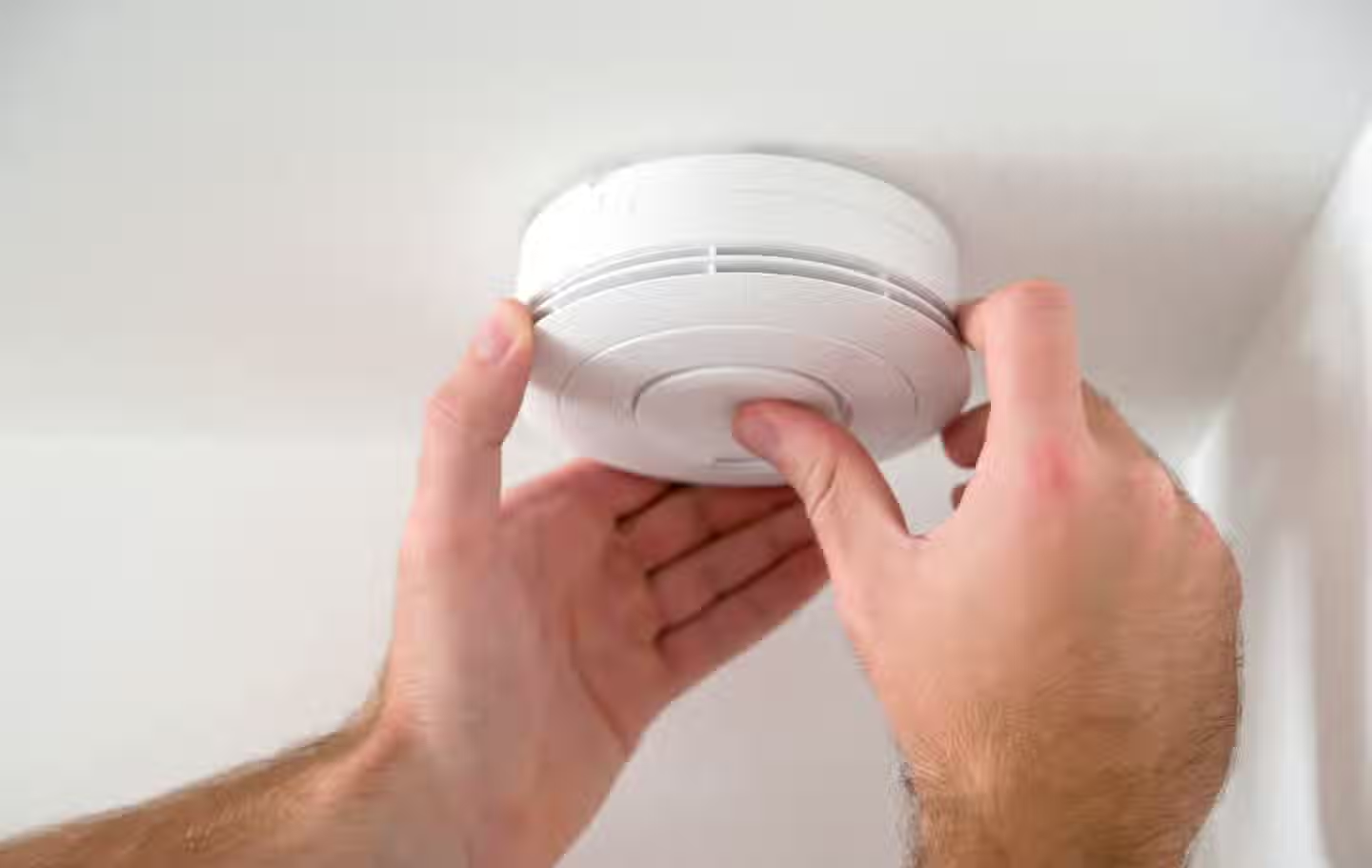
Smoke detectors continuously monitor the air for signs of fire. When smoke enters the sensing chamber, it triggers the alarm to warn you.
Ionization detectors detect changes in the flow of ions caused by smoke particles. Photoelectric detectors sense smoke by detecting light scattering inside the chamber.
Have you ever wondered why your kitchen smoke detector often goes off during cooking? It’s because smoke from burnt food can mimic real fire smoke, especially for ionization types. This is why choosing the right type and placing detectors carefully is important.
Credit: www.servpro.com
Kitchen-specific Challenges
The kitchen is a unique space with specific challenges for smoke detectors. It is where cooking happens, creating steam, smoke, and heat. These factors can affect how smoke detectors work and when they should be placed.
Understanding these kitchen-specific challenges helps in choosing the right smoke detector. It also helps reduce false alarms while keeping your home safe.
Common Causes Of Kitchen Fires
Kitchen fires often start from unattended cooking. Hot oil and grease can catch fire quickly. Electrical appliances like toasters and microwaves can also cause sparks. Flammable items near the stove increase fire risks. Knowing these causes helps prevent kitchen fires.
- Unattended frying or grilling
- Overheated oil or grease
- Faulty electrical appliances
- Cloth or paper near heat sources
False Alarms And Cooking Smoke
Smoke detectors in the kitchen often react to cooking smoke and steam. This leads to many false alarms. False alarms can make people ignore real dangers. Some smoke detectors are sensitive and not ideal for kitchens. Using heat detectors or smoke alarms with a hush feature helps reduce false alerts.
Placement Guidelines
Knowing where to place your smoke detector in the kitchen is crucial for both safety and functionality. Poor placement can lead to false alarms or, worse, missed warnings when smoke or fire actually occurs. Let’s look at some practical guidelines to help you find the best spots for your smoke detector.
Ideal Locations For Kitchen Smoke Detectors
Mount your smoke detector on the ceiling or high on the wall since smoke rises. Position it near the kitchen entrance or in an adjacent hallway rather than directly inside the kitchen.
Placing it too close to cooking areas can trigger frequent false alarms from normal cooking smoke or steam. Instead, aim for a spot about 10 to 15 feet away from the stove and oven.
Think about your kitchen layout. If your kitchen opens into a living space or hallway, placing the detector there can alert everyone in the home more effectively.
Distance From Cooking Appliances
Keep your smoke detector at least 10 feet away from cooking appliances. This distance helps prevent nuisance alarms caused by harmless cooking smoke or heat.
Mounting the detector too close can lead to frustration with constant false alerts, which might tempt you to disable it. That’s a risk you don’t want to take.
Consider ventilation, too. If your kitchen has a strong exhaust fan, placing the detector near vents can affect its sensitivity. Avoid direct airflow paths to ensure reliable detection.
Alternative Safety Devices
Choosing the right safety device for your kitchen is crucial because the environment is prone to both smoke and sudden heat changes. Regular smoke detectors might not always be the best fit here due to frequent cooking fumes setting off false alarms. Exploring alternative safety devices can help you protect your home without the constant annoyance of false alerts.
Heat Detectors Vs Smoke Detectors
Heat detectors react to rapid temperature increases rather than smoke. This makes them less sensitive to cooking smoke and steam, reducing false alarms in the kitchen.
Unlike smoke detectors, which detect particles in the air, heat detectors trigger only when the temperature reaches a certain level. This means they focus on actual fire hazards instead of cooking byproducts.
However, heat detectors might not alert you as early as smoke detectors in some fire situations. You should consider your kitchen layout and cooking habits before choosing one over the other.
Combination Alarms
Combination alarms include both smoke and heat sensors in a single unit. This gives you the advantage of detecting both smoke and rapid temperature rises.
These alarms are designed to reduce false alarms by using smart technology to decide when to alert you. They provide a balanced approach, especially in kitchens where smoke and heat both pose risks.
Have you ever been woken up by a loud alarm caused by burnt toast? Combination alarms can minimize these disruptions while still keeping your kitchen safe.
Maintenance Tips
Maintaining a smoke detector in the kitchen is essential for safety. Proper care ensures it works when you need it most. Simple habits keep your device reliable and avoid false alarms. Regular checks and cleaning improve its performance over time.
Regular Testing And Battery Replacement
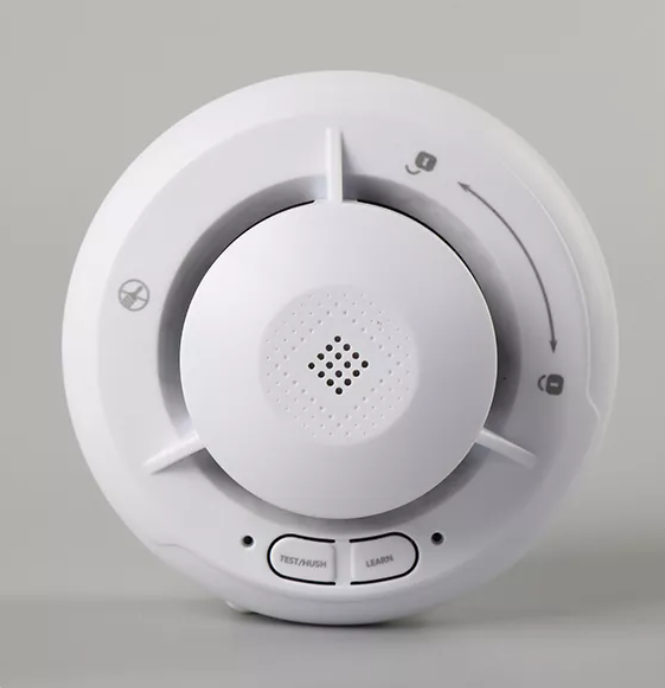
Test your smoke detector once a month. Press the test button until the alarm sounds. This confirms the device is working properly. Replace the batteries at least twice a year. Use fresh, high-quality batteries for better reliability. Change batteries immediately if the detector chirps. This prevents the alarm from failing during an emergency.
Cleaning And Avoiding Malfunctions
Dust and grease can block smoke sensors. Clean the detector gently with a soft brush or vacuum. Avoid using water or cleaning sprays on the device. Keep the kitchen ventilated to reduce smoke and steam buildup. Place the detector away from cooking appliances to prevent false alarms. Regular cleaning and smart placement help the detector function well without interruptions.

Credit: www.firedetectionshop.co.uk
Legal And Insurance Considerations
Understanding the legal and insurance aspects of installing smoke detectors in your kitchen is crucial. These considerations can affect your safety, compliance, and even your finances. Knowing the rules and how your insurance views kitchen smoke detectors helps you make smarter choices for your home.
Local Regulations On Smoke Detectors
Local laws often specify where smoke detectors must be placed, and kitchens are a common focus. Some areas require smoke detectors outside the kitchen rather than inside, to avoid frequent false alarms from cooking. Others may allow or even mandate a special type of smoke detector designed for kitchens.
Check with your city or state’s building codes before installing a smoke detector in the kitchen. Ignoring these rules can lead to fines or complications if you sell your home. Have you ever wondered if a smoke detector in your kitchen meets your local safety standards?
Impact On Home Insurance
Home insurance providers often have specific requirements for smoke detectors. Installing the right kind in the right places can lower your premiums and speed up claims in case of fire. On the other hand, missing or improperly placed smoke detectors might cause your claim to be denied.
Some insurance companies prefer photoelectric smoke detectors in kitchens due to fewer false alarms. Others may require interconnected detectors throughout the home, including near the kitchen. Have you reviewed your insurance policy to understand how your kitchen smoke detector affects your coverage?
Additional Safety Measures
Smoke detectors are crucial in every home, especially in the kitchen. But they aren't the only safety measure you need. To enhance kitchen safety, consider several additional precautions. These can help prevent fires and ensure a swift response if one occurs.
Fire Extinguishers In The Kitchen
A fire extinguisher can be a vital tool in an emergency. Keep one in the kitchen within easy reach. Make sure it's suitable for kitchen fires. Regularly check that it's in working order. Learn how to use it properly. This knowledge can save your home or even a life.
Emergency Evacuation Plans
Have a clear plan for leaving the house quickly. Practice this plan with everyone in your home. Know at least two exits from the kitchen. Teach children what to do in case of a fire. A well-practiced plan can make all the difference during an emergency.
Credit: www.kingdunalarm.com
Frequently Asked Questions
Do I Need A Smoke Detector In The Kitchen?
Yes, a smoke detector in the kitchen can alert you early to fires. It enhances safety but choose one designed to reduce false alarms from cooking.
What Type Of Smoke Detector Suits Kitchens Best?
Photoelectric smoke detectors are best for kitchens. They detect slow, smoldering fires and produce fewer false alarms from cooking smoke.
Can Kitchen Smoke Detectors Reduce False Alarms?
Yes, kitchen-specific smoke detectors have advanced sensors to minimize false alarms caused by steam or cooking fumes.
Where Should I Place A Smoke Detector In The Kitchen?
Place smoke detectors at least 10 feet from cooking appliances. This reduces false alarms while ensuring early fire detection.
Conclusion
A smoke detector in the kitchen helps keep your home safe. Cooking fires can start quickly and cause damage. A working smoke detector alerts you early. It gives time to act and prevent harm. Smoke detectors are affordable and easy to install.
They protect your family and belongings. Choose a model designed for kitchens to avoid false alarms. Safety in the kitchen is always important. A smoke detector adds peace of mind every day. Don’t wait until it’s too late to install one.