
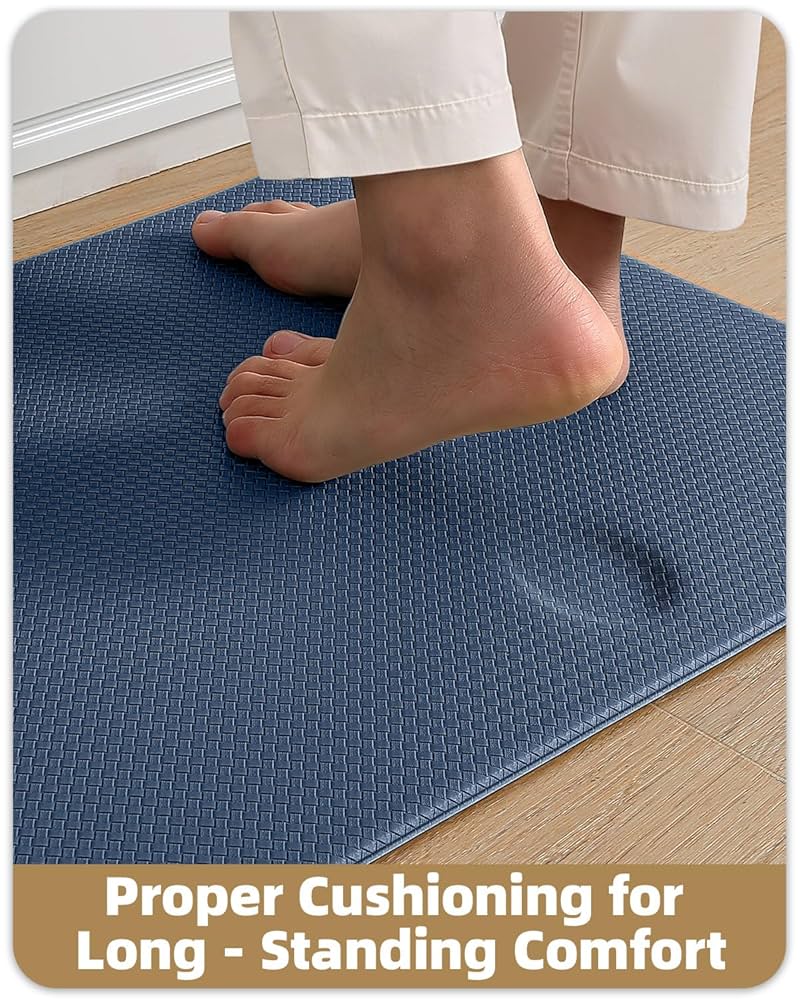
If you spend a lot of time standing in your kitchen, you know how important an anti-fatigue mat can be. It helps reduce discomfort and keeps you feeling fresh while you cook or clean.
But have you ever thought about how to keep that mat clean and in good shape? Dirt, spills, and sweat can build up quickly, making your mat less effective and even unhygienic. In this guide, you’ll discover simple, practical steps to clean your anti-fatigue kitchen mat properly.
By following these tips, you’ll extend your mat’s life and keep your kitchen safe and comfortable. Ready to learn how? Let’s dive in!

Credit: www.amazon.ca
Choosing The Right Cleaning Supplies
Choosing the right cleaning supplies for your anti fatigue kitchen mats is crucial to keep them effective and long-lasting. Using harsh chemicals or the wrong tools can damage the mat’s surface or reduce its cushioning effect. You want products that clean thoroughly without compromising comfort or safety.
Safe Cleaners For Mats
Look for gentle, non-toxic cleaners that won’t break down the mat’s material. Mild dish soap mixed with warm water often works best. Avoid bleach, ammonia, or strong solvents since they can cause discoloration or brittleness.
Many mats respond well to natural cleaning agents like vinegar diluted in water. It kills bacteria and removes odors without harming the mat’s surface. Have you tried a mix of water and a few drops of essential oil for a fresh scent? This simple combo can make your mat feel cleaner and smell better without harsh chemicals.
Tools You’ll Need
Effective cleaning doesn’t require fancy gadgets, just a few basic tools. A soft-bristle brush or sponge helps scrub away dirt without scratching. For stubborn spots, a microfiber cloth can provide gentle scrubbing power.
A spray bottle is handy for applying your cleaning solution evenly. After scrubbing, a towel or air drying works best—avoid putting mats in direct sunlight, which can cause warping. Do you keep a small cleaning kit near your kitchen? It makes quick mat cleanups easier and keeps your space fresh.
Daily Maintenance Tips
Daily care keeps your anti fatigue kitchen mat in good shape. Small efforts prevent dirt build-up and wear. A clean mat stays comfortable and lasts longer. Follow these simple tips to maintain your mat daily.
Sweeping And Spot Cleaning
Sweep the mat surface regularly to remove crumbs and dust. Use a soft broom or a handheld vacuum for gentle cleaning. For spots or stains, apply a mild detergent with a damp cloth. Gently rub the area, then wipe with a clean, damp cloth. Avoid soaking the mat to protect its material.
Quick Wipe Downs
Wipe the mat daily with a damp cloth to remove light dirt. Use warm water mixed with a small amount of mild soap. This quick cleaning keeps the mat fresh and prevents grime buildup. Dry the mat with a clean towel or air dry before use.
Deep Cleaning Methods
Regularly shake out the mat to remove loose dirt and crumbs. Use mild soap and warm water to scrub gently, then rinse thoroughly. Let the mat air dry completely before placing it back in the kitchen.
Deep cleaning your anti-fatigue kitchen mats can make a world of difference in maintaining their longevity and ensuring a safe, comfortable cooking space. Over time, these mats can accumulate grease, spills, and dirt, which a simple wipe down might not tackle. Let's dive into some effective deep cleaning methods to ensure your mats remain fresh and hygienic.
Hand Washing Techniques
Start by shaking off any loose dirt or crumbs from your mat. Use a mixture of warm water and a mild dish soap in a large basin or your bathtub. Submerge the mat and scrub it gently with a soft-bristle brush. Focus on stained areas, applying a bit more pressure to lift stubborn marks. Rinse thoroughly with clean water to remove all soap residue. Hang the mat to dry completely before placing it back in your kitchen.
Machine Washing Guidelines
Before you toss your mat into the washing machine, check the care label to ensure it's machine-washable. Use a gentle cycle with cold water to prevent any damage to the material. Add a mild detergent and skip the fabric softener, as it might leave a slippery residue. Once the cycle is complete, air dry the mat. Avoid using a dryer, as the heat might warp or shrink the mat. Remember, keeping your mat clean not only extends its life but also keeps your kitchen safe and welcoming. Have you tried these methods on your kitchen mats? What worked best for you? Share your thoughts and let’s keep our kitchens a happier place!

Credit: www.amazon.ca
Drying And Care
Drying and caring for your anti fatigue kitchen mats properly extends their lifespan and keeps them comfortable underfoot. How you dry these mats after cleaning plays a crucial role in maintaining their shape and durability. Careful handling during this stage prevents damage that can reduce the mat's effectiveness and appearance.
Proper Drying Practices
After washing your mat, gently squeeze out excess water without twisting or wringing it, which can cause deformation. Lay the mat flat on a clean surface or hang it over a railing to air dry. Make sure it dries completely before placing it back in your kitchen to prevent mold and mildew growth.
Avoid direct sunlight during drying as UV rays can degrade the mat’s material, making it brittle over time. Instead, choose a shaded, well-ventilated area to speed up drying naturally. Have you noticed how quickly damp mats start to smell? Drying thoroughly stops odors before they start.
Avoiding Damage
Keep your anti fatigue mat away from sharp objects or heavy furniture during drying to avoid punctures or tears. Never use a dryer or apply direct heat, like a hairdryer, as this can melt or warp the mat’s foam core. Your mat’s comfort depends on maintaining its original structure.
Also, avoid folding the mat when storing it, as creases can cause permanent damage. Instead, roll it loosely to keep the material flexible and ready for daily use. Do you store your mat in a way that protects its shape? Small changes in care can keep your kitchen mat feeling like new for months or even years.
Preventing Odors And Stains
Preventing odors and stains is key to keeping anti fatigue kitchen mats fresh and clean. These mats often stay wet or dirty because of kitchen spills and moisture. This environment can cause bad smells and stubborn stains if not handled properly. Regular care helps maintain their look and hygiene.
Regular Deodorizing
Deodorizing mats often stops odors before they start. Sprinkle baking soda over the mat’s surface. Let it sit for 15 to 30 minutes. Baking soda absorbs smells naturally. After resting, shake off the powder or vacuum it up. This simple step refreshes your mat and keeps it smelling clean.
Another easy way is to use a mild vinegar solution. Mix equal parts water and white vinegar in a spray bottle. Lightly spray the mat and let it air dry. Vinegar kills odor-causing bacteria without harsh chemicals. Avoid soaking the mat to prevent damage.
Stain Removal Tricks
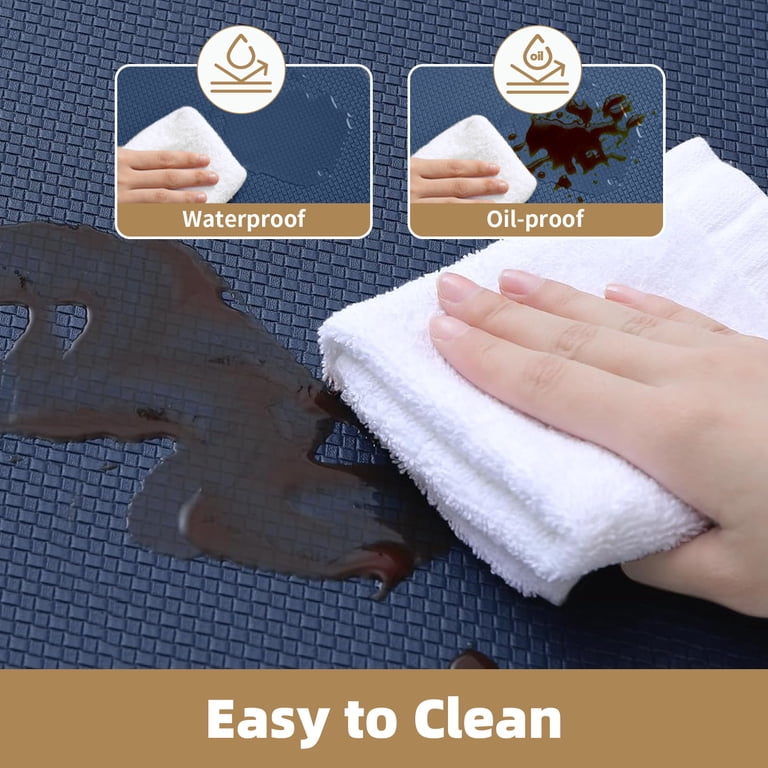
For stains, act quickly. Blot spills with a clean cloth to stop spreading. Avoid rubbing stains deeper. Use a gentle cleaner like dish soap mixed with warm water. Apply the solution with a soft brush or cloth. Scrub the stained area gently.
For tough stains, a paste of baking soda and water works well. Spread the paste on the stain. Leave it for 10 to 15 minutes. Then, wipe it off with a damp cloth. Repeat if needed but do not scrub hard to protect the mat’s surface.
Dry the mat completely after cleaning. A dry mat resists stains and odors better. Place it in a well-ventilated area or outside in sunlight if possible. Sunlight also helps kill bacteria naturally.
When To Replace Your Mat
Knowing when to replace your anti fatigue kitchen mat helps keep your kitchen safe and comfortable. Over time, mats lose their cushioning and can become less effective. Recognizing the right moment to get a new mat saves you from discomfort and potential accidents.
Signs Of Wear
- Visible cracks or tears on the mat surface
- Flattened or compressed cushioning that no longer feels soft
- Mat edges curling up, causing tripping hazards
- Persistent stains or odors despite cleaning efforts
- Loss of grip, making the mat slide on the floor
Choosing A New Mat
Pick a mat with good thickness and durable material. Look for mats with non-slip backing for safety. Consider mats that are easy to clean and water-resistant. Choose a size that fits your kitchen workspace well. A mat with antimicrobial features can help keep germs away.
Credit: www.walmart.com
Frequently Asked Questions
How Often Should I Clean Anti Fatigue Kitchen Mats?
Clean your anti fatigue kitchen mats every 1-2 weeks. Frequent cleaning prevents dirt build-up and maintains hygiene. Regular care extends the mat’s lifespan and keeps it effective against fatigue.
What Is The Best Cleaning Method For Anti Fatigue Mats?
Use mild soap and warm water with a soft brush. Avoid harsh chemicals or abrasive tools to protect the mat’s surface and cushioning. Rinse thoroughly and air dry completely before reuse.
Can I Machine Wash Anti Fatigue Kitchen Mats?
Most anti fatigue mats are not machine washable. Machine washing may damage the material or reduce its cushioning. Always check the manufacturer's instructions before attempting machine cleaning.
How Do I Remove Tough Stains From Kitchen Mats?
Use a gentle mixture of baking soda and water to scrub stains. Let it sit for 10 minutes, then rinse with warm water. Avoid bleach or harsh cleaners that can damage the mat.
Conclusion
Cleaning anti fatigue kitchen mats keeps them fresh and long-lasting. Use gentle soap and warm water for regular care. Avoid harsh chemicals that can damage the mat’s surface. Dry mats completely before placing them back in the kitchen. Regular cleaning prevents dirt build-up and keeps your kitchen safe.
A clean mat feels comfortable and supports your feet well. Simple steps make maintenance easy and stress-free. Keep your kitchen mat clean to enjoy comfort every day.