
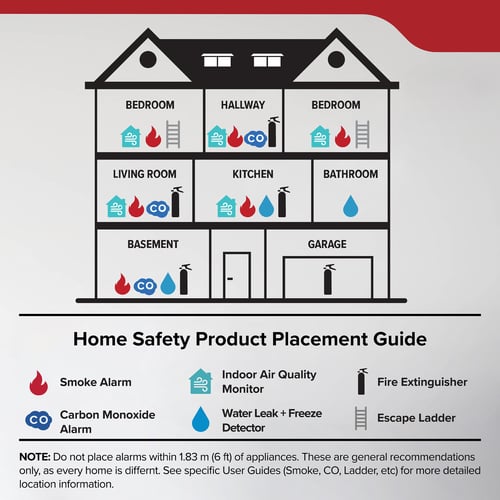
Your kitchen is the heart of your home, but it can also be a hidden danger zone if carbon monoxide builds up unnoticed. You might think placing a carbon monoxide detector anywhere in the kitchen is enough, but the right spot makes all the difference in keeping you and your family safe.
Wondering exactly where to put your detector for the best protection? Keep reading to discover simple yet crucial tips that could save lives and give you peace of mind every time you cook.
Credit: www.homedepot.com
Why Carbon Monoxide Detectors Matter
Carbon monoxide (CO) is a silent threat in many homes, especially in kitchens where fuel-burning appliances are common. You might not see or smell it, but this gas can cause serious harm or even be deadly. That’s why having a carbon monoxide detector in your kitchen isn’t just a good idea—it’s essential for your family’s safety.
Think about how easy it is to overlook a small leak from a gas stove or a faulty oven. Without a detector, you wouldn’t know danger is lurking until symptoms like headaches or dizziness appear. But by then, it might be too late.
How Carbon Monoxide Enters Your Kitchen
Carbon monoxide is produced when fuels like gas, wood, or charcoal burn incompletely. In a kitchen, this can happen if your stove or oven isn’t ventilated properly. Even a tiny crack in a gas line can release CO into the air you breathe.
It’s important to remember that CO is odorless and colorless, so you can’t rely on your senses to detect it. This makes a working detector your first and best line of defense.
Health Risks Of Carbon Monoxide Exposure
Exposure to carbon monoxide can cause symptoms that range from mild headaches to severe poisoning. It affects your body by reducing oxygen delivery to organs and tissues. Prolonged exposure can lead to confusion, loss of consciousness, or even death.
Ask yourself: Are you aware of the early warning signs? Having a detector can alert you before symptoms even begin, giving you time to act fast.
Why The Kitchen Needs Its Own Detector
Many people install carbon monoxide detectors in bedrooms or hallways but forget the kitchen, the main source of CO in the home. Cooking appliances emit CO regularly, especially if they are gas-powered.
Placing a detector in the kitchen ensures you catch leaks right where they start. It also provides peace of mind, knowing that your cooking space is constantly monitored for this invisible risk.
Credit: dconc.gov
Ideal Locations Near The Kitchen
Finding the right spot for a carbon monoxide detector near your kitchen is essential to ensure your safety without triggering false alarms. Kitchens have unique challenges due to heat, steam, and cooking fumes. Positioning your detector thoughtfully can help it work effectively without causing unnecessary stress.
Distance From Cooking Appliances
Keep your carbon monoxide detector at least 10 to 15 feet away from stoves, ovens, and other cooking devices. Placing it too close can cause false alarms from normal cooking fumes. Yet, it should be near enough to detect any dangerous buildup early.
Think about your kitchen layout: where does the air flow carry smoke or gas? Positioning the detector away from direct heat and steam sources but within the kitchen’s breathing zone is key. Have you noticed how certain areas tend to trap cooking smells? That’s a good hint for placement.
Height Placement On Walls Or Ceilings
Carbon monoxide mixes evenly with air, but it’s slightly lighter, so mounting detectors on the ceiling or high on the wall is effective. Installing it about 5 feet above the floor or on the ceiling ensures it senses CO quickly. Avoid placing it too low, where it might not detect the gas efficiently.
Some people place detectors near exhaust fans or vents, assuming it’s safer. However, this can disperse the gas and delay detection. Instead, focus on spots where air is calm and not rapidly moving.
Avoiding Airflow Obstructions
Make sure the detector isn’t blocked by cabinets, curtains, or appliances. Anything that restricts airflow can prevent the sensor from detecting carbon monoxide promptly. Think of your kitchen as a small ecosystem where every corner counts.
Don’t place detectors behind doors or in corners where air circulation is limited. You want your device in a clear, open space for the best results. Have you checked if your kitchen has hidden airflow traps? These are the spots to avoid.
Common Placement Mistakes
Placing a carbon monoxide detector too close to the stove can cause false alarms. Avoid installing it near windows or vents where air flows may affect detection. Position the detector at breathing height for accurate readings and safety.
Placing a carbon monoxide detector in your kitchen is crucial for safety, but it's easy to make mistakes that undermine its effectiveness. Knowing where not to place it can be just as important as knowing the right spots. Here are some common placement errors you should avoid to ensure your detector functions properly.
Too Close To Stove Or Oven
Putting the detector too close to your stove or oven is a common mistake. The heat and steam from cooking can trigger false alarms. This can lead you to ignore alerts when they might actually be serious. Make sure to place the detector at least 15 feet away from cooking appliances. This distance helps avoid false alarms while still providing effective monitoring.
Near Windows Or Vents
Placing a detector near windows or vents may seem convenient, but it’s not effective. Fresh air from these areas can dilute the carbon monoxide levels, causing the detector to miss dangerous concentrations. Instead, choose a spot where air circulation is minimal. This will help ensure the detector picks up accurate readings.
In Corners Or Behind Furniture
Corners and hidden spots behind furniture might seem like good places to keep the detector out of sight. However, these areas can restrict airflow, affecting the detector’s ability to sense carbon monoxide. Opt for open wall spaces where air can circulate freely around the detector. This simple adjustment can make a significant difference in its performance. By avoiding these common mistakes, you'll enhance your kitchen's safety. Have you checked your detector’s placement lately? It could be time for a quick review.
Credit: www.carrier.com
Choosing The Right Detector Type
Choosing the right type of carbon monoxide detector for your kitchen is essential for ensuring your safety and peace of mind. Not all detectors work the same way, and understanding their differences can help you pick the one that fits your kitchen’s setup and your lifestyle. Let’s look closely at the main types and how they might impact your kitchen’s safety.
Battery-powered Vs. Hardwired
Battery-powered detectors offer flexibility and easy installation since they don’t require electrical wiring. You can place them exactly where you need, and if the power goes out, they still work. However, you must remember to check and replace the batteries regularly to avoid any gaps in protection.
Hardwired detectors connect directly to your home’s electrical system and often include a battery backup. They tend to be more reliable for long-term use because they don’t rely solely on batteries. But installation is more complex, usually needing professional help, and relocating them can be tricky.
Think about your kitchen’s layout and how often you maintain devices. Would you prefer the convenience of batteries or the steady power of a hardwired system?
Combination Smoke And Co Detectors
Combination detectors can sense both smoke and carbon monoxide, offering two-in-one protection in a single device. This can save space in your kitchen and reduce the number of alarms you need to monitor. They are especially useful if your kitchen is close to living or sleeping areas where smoke and CO risks overlap.
Be aware that combination detectors might be slightly more expensive and sometimes less sensitive to each specific hazard than dedicated units. But for many, the trade-off is worth it for the simplicity and added safety. Have you checked whether your current alarms cover both dangers or if you need an upgrade?
Maintenance For Reliable Detection
Maintaining your carbon monoxide detector ensures it works properly and keeps your kitchen safe. Regular care helps catch dangerous gas early. Simple upkeep steps extend the life of your device. These steps keep detection reliable and avoid false alarms.
Regular Testing And Battery Replacement
Test your carbon monoxide detector at least once a month. Press the test button until the alarm sounds. This confirms the device is working well. Replace batteries every six months or when the low battery alert sounds. Use fresh batteries for best performance. Always follow the manufacturer’s instructions for battery type and replacement.
Cleaning And Inspection Tips
Keep the detector free from dust and dirt. Wipe the outside gently with a dry cloth. Avoid using water or cleaning sprays on the device. Check the vents and sensor openings for blockages. Make sure nothing covers or blocks the detector. Inspect for physical damage or corrosion regularly. Replace the detector every 5 to 7 years as recommended.
Additional Kitchen Safety Measures
Keeping your kitchen safe requires more than just installing a carbon monoxide detector. Taking extra safety steps helps prevent accidents and protects your family. Simple habits and good appliance care play a big role in kitchen safety. These measures reduce risks and improve air quality.
Proper Ventilation Practices
Ventilation removes harmful gases and smoke from your kitchen. Open windows or use an exhaust fan while cooking. This helps keep fresh air flowing and lowers carbon monoxide buildup. Clean vents and fans regularly to ensure they work well. Avoid blocking vents with furniture or curtains. Good airflow is key to a safe cooking space.
Safe Use Of Gas Appliances
Gas stoves and ovens need careful handling to prevent leaks. Check connections and hoses often for damage or wear. Turn off gas appliances completely after use. Never leave a gas stove unattended while cooking. Use a flame that matches the size of your cookware. A blue flame means the gas burns efficiently. Yellow or orange flames can signal a problem. Call a professional if you smell gas or see unusual flames.
Frequently Asked Questions
Where Is The Best Spot For A Kitchen Carbon Monoxide Detector?
Place the detector near the ceiling, at least 5 feet from cooking appliances. Avoid placing it directly above stoves or ovens to prevent false alarms. Positioning it near the kitchen entrance ensures early detection of carbon monoxide buildup.
How High Should A Carbon Monoxide Detector Be Installed?
Install the detector 5 to 6 feet above the floor or near the ceiling. Carbon monoxide mixes with air evenly, but higher placement helps detect gas from appliances quickly. Avoid floor-level installation to ensure timely and accurate readings.
Can I Put A Carbon Monoxide Detector Inside The Kitchen?
Yes, but not too close to cooking appliances. Install it at least 5 feet away from stoves or ovens. This prevents false alarms while allowing the detector to monitor carbon monoxide effectively in the kitchen environment.
Should A Carbon Monoxide Detector Be Near Kitchen Vents?
Avoid placing detectors directly near vents or windows. Airflow can dilute carbon monoxide concentration, causing inaccurate readings. Position the detector where air circulates naturally but is not directly influenced by ventilation or drafts.
Conclusion
Place your carbon monoxide detector high on a wall or ceiling. Keep it away from cooking appliances and vents. This helps catch dangerous gas before it spreads. Regularly check and test your detector for safety. A well-placed detector keeps your kitchen and family safe.
Remember, carbon monoxide is invisible and deadly. Proper placement saves lives and gives peace of mind. Stay alert, stay safe.