
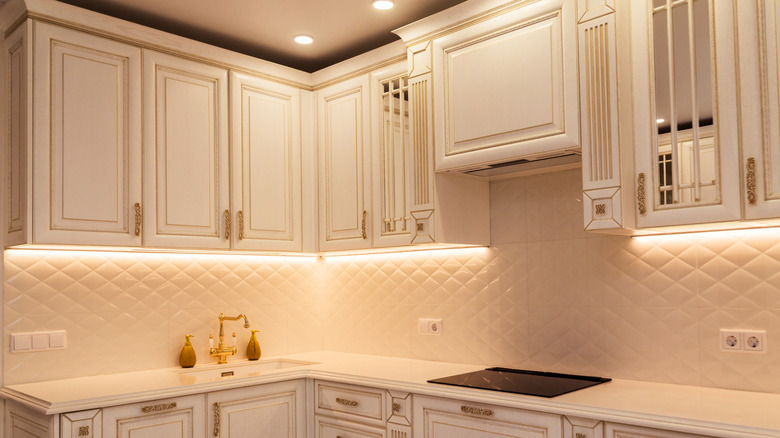
Are you tired of looking at the unfinished space beneath your kitchen cabinets? That gap can collect dust, hide dirt, and even make your kitchen feel incomplete.
But don’t worry—you don’t have to live with it. Covering underneath your kitchen cabinets is easier than you think, and it can instantly boost the look and cleanliness of your space. In this guide, you’ll discover simple, practical ways to cover that area and transform your kitchen into a polished, welcoming place.
Keep reading, and you’ll find the perfect solution that fits your style and budget.
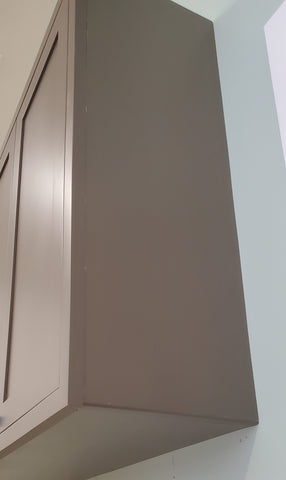
Credit: rtawholesalers.com
Benefits Of Covering Under Cabinets
Covering the space underneath your kitchen cabinets offers several practical benefits that go beyond just improving the look of your kitchen. It helps protect vulnerable areas from damage, enhances cleanliness, and can even improve the overall feel of your cooking space. Have you ever noticed how much dust and grime can collect in those hidden spots? Addressing that can make a big difference in your kitchen’s upkeep.
Improved Cleanliness And Hygiene
Covering under your cabinets creates a smooth surface that's easier to wipe down and keep clean. This prevents dust, crumbs, and spills from accumulating in hard-to-reach nooks. You’ll spend less time scrubbing and more time enjoying your kitchen.
Protection Against Moisture And Damage
Under-cabinet coverings act as a barrier against moisture that can cause wood to warp or paint to peel. This is especially important near sinks or dishwashers where water splashes are common. By protecting these areas, you extend the life of your cabinets and avoid costly repairs.
Enhanced Aesthetic Appeal
Adding a cover underneath cabinets can instantly give your kitchen a polished and finished look. Whether you choose a simple trim or a decorative panel, it hides unsightly gaps and exposed plumbing. This small change can make your kitchen feel more cohesive and stylish.
Increased Storage Opportunities
Some types of under-cabinet covers include built-in lighting or small shelves. This can add functionality by providing extra illumination or a place to store small items. Have you thought about how better lighting could change your cooking experience?
Prevention Of Pest Intrusion
Open spaces beneath cabinets can become hiding spots for pests like insects or rodents. Covering these areas seals off entry points and keeps your kitchen more hygienic. This simple step can save you from bigger pest control problems later.
Popular Materials For Under Cabinet Covers
Choosing the right material for under cabinet covers can change the look of your kitchen. These materials protect the area beneath the cabinets and add style. Each option offers unique benefits to suit different tastes and budgets. Here are popular materials used to cover underneath kitchen cabinets.
Wood Panels
Wood panels bring warmth and natural beauty. They match most kitchen designs and create a seamless look. These panels are easy to paint or stain to fit your color scheme. Wood is durable and hides imperfections well.
Led Lighting Strips
LED lighting strips brighten the space under cabinets. They add a modern touch and improve kitchen visibility. LEDs use little energy and last a long time. Choose warm or cool lights to set the mood.
Decorative Molding
Decorative molding adds elegance and detail. It frames the underside of cabinets with style. Moldings come in many designs, from simple to intricate patterns. They are easy to install and paint to match your kitchen.
Vinyl Wraps
Vinyl wraps offer a quick and affordable update. They come in many colors and patterns, including wood grain and metallic finishes. Vinyl is easy to clean and resists moisture. It is a great choice for renters or those on a budget.
Simple Diy Techniques
Covering the space underneath your kitchen cabinets doesn’t have to be complicated. Simple DIY techniques can transform that often overlooked area into a clean, polished part of your kitchen. With some basic tools and a bit of patience, you can achieve professional-looking results without calling in a pro.
Measuring And Cutting Materials
Start by measuring the length and height of the cabinet base where you want to add the cover. Use a tape measure to get precise dimensions; even a small error can cause fitting problems later. Write down your measurements clearly before moving on.
Choose your material carefully—common options include beadboard panels, plywood, or MDF sheets. Once you have your material, use a straight edge and a sharp utility knife or saw to make clean, accurate cuts. Remember, cutting slowly and steadily reduces mistakes and splintering.
Attaching Covers Securely
Secure attachment is key to a lasting finish. Before fixing the cover, clean the underside of your cabinets to ensure good adhesion. Depending on your material, you can use construction adhesive, finishing nails, or small screws for attachment.
If you choose nails or screws, pre-drill holes to prevent wood splitting. Press the cover firmly into place and check for any gaps. Would you rather have a removable cover or a permanent one? Your choice here affects the type of fasteners you use.
Painting And Finishing Touches
Painting your cover not only improves appearance but also protects the material. Use a primer suitable for your chosen material to make the paint stick better and last longer. After priming, apply at least two coats of paint, allowing drying time between coats.
Consider matching the paint color to your cabinets for a seamless look, or choose a contrasting shade to make the area pop. Adding a clear coat finish can help resist stains and moisture. Have you thought about adding small decorative trims? They can add a subtle, elegant detail to the space.
Creative Styling Ideas
Covering the area underneath your kitchen cabinets offers a unique chance to add personality and function to an often overlooked space. Creative styling can transform this small zone into a design highlight or a practical asset. The key is to blend style with utility in ways that resonate with your daily kitchen use and aesthetic preferences.
Incorporating Color Accents
Adding a splash of color beneath your cabinets can brighten the kitchen and create visual interest. Think beyond plain white or beige—try bold hues like teal, mustard yellow, or even a soft pastel that complements your backsplash or countertop.
You might paint the kickboard or install colored LED strip lights to cast a gentle glow. These subtle touches can energize the space without overwhelming it. Have you considered how a pop of unexpected color could change the vibe of your kitchen?
Using Textured Finishes
Texture adds depth and character to the area below your cabinets. Materials like beadboard paneling, reclaimed wood planks, or patterned tiles can make this space stand out.
For example, a textured tile backsplash extended under the cabinets not only looks stylish but is easy to clean. Or, using a rough-hewn wood finish can introduce warmth and rustic charm. What textures speak to your kitchen’s style and how might they enhance your space?
Adding Functional Elements
Turning the cabinet base into a functional zone can improve your kitchen’s efficiency. Consider installing pull-out drawers for extra storage, toe-kick drawers for storing baking sheets, or even a hidden pet feeding station.
Magnetic strips for knives or hooks for utensils can be mounted underneath to keep tools within easy reach. These additions make good use of space that usually goes to waste. How could you use this area to make daily cooking smoother and more organized?
Maintenance Tips For Longevity
Covering underneath kitchen cabinets helps prevent dust and pests while maintaining a clean look. Use easy-to-clean materials like vinyl or laminate for durability and simple upkeep. Regularly check for moisture to protect cabinet longevity.
Maintaining the area underneath your kitchen cabinets is crucial for ensuring their longevity and keeping your kitchen looking fresh. Simple, regular care can prevent damage and keep everything in good working order. Here are some practical maintenance tips to keep your kitchen cabinets in top shape for years to come.
Regular Cleaning
Regular cleaning is essential for preventing grime buildup. Use a mild detergent with warm water and a soft cloth to wipe away dust and spills. Make it a habit to clean at least once a week.
Inspect For Water Damage
Water can be a cabinet's worst enemy. Frequently check for leaks from pipes or water stains on the floor. Address any issues immediately to prevent mold and structural damage.
Protect From Heat
Heat can warp and discolor cabinet materials. Ensure there is adequate ventilation if your cabinets are near stoves or ovens. Use heat shields if necessary to protect your cabinets.
Check For Pest Infestations
The space beneath cabinets can attract pests. Regularly inspect for signs of insects or rodents. Use natural repellents or traps to keep them at bay without introducing harmful chemicals into your kitchen.
Adjust Hinges And Handles
Loose hinges and handles can cause damage over time. Periodically check and tighten any loose screws. This simple action can prevent doors from sagging and looking worn out.
Repaint Or Refinish
Over time, paint can chip and finishes can fade. Consider repainting or refinishing to revive their appearance. This not only enhances aesthetics but also adds a protective layer.
Use Protective Mats
Consider placing protective mats under cabinets where spills are likely. These mats can catch drips and prevent moisture from seeping into the cabinet base. They are an inexpensive way to add a layer of protection. By following these tips, you can keep your kitchen cabinets looking and functioning at their best. Consistent maintenance not only extends the life of your cabinets but also helps maintain the overall appeal of your kitchen. What other maintenance tips do you find effective in your kitchen?
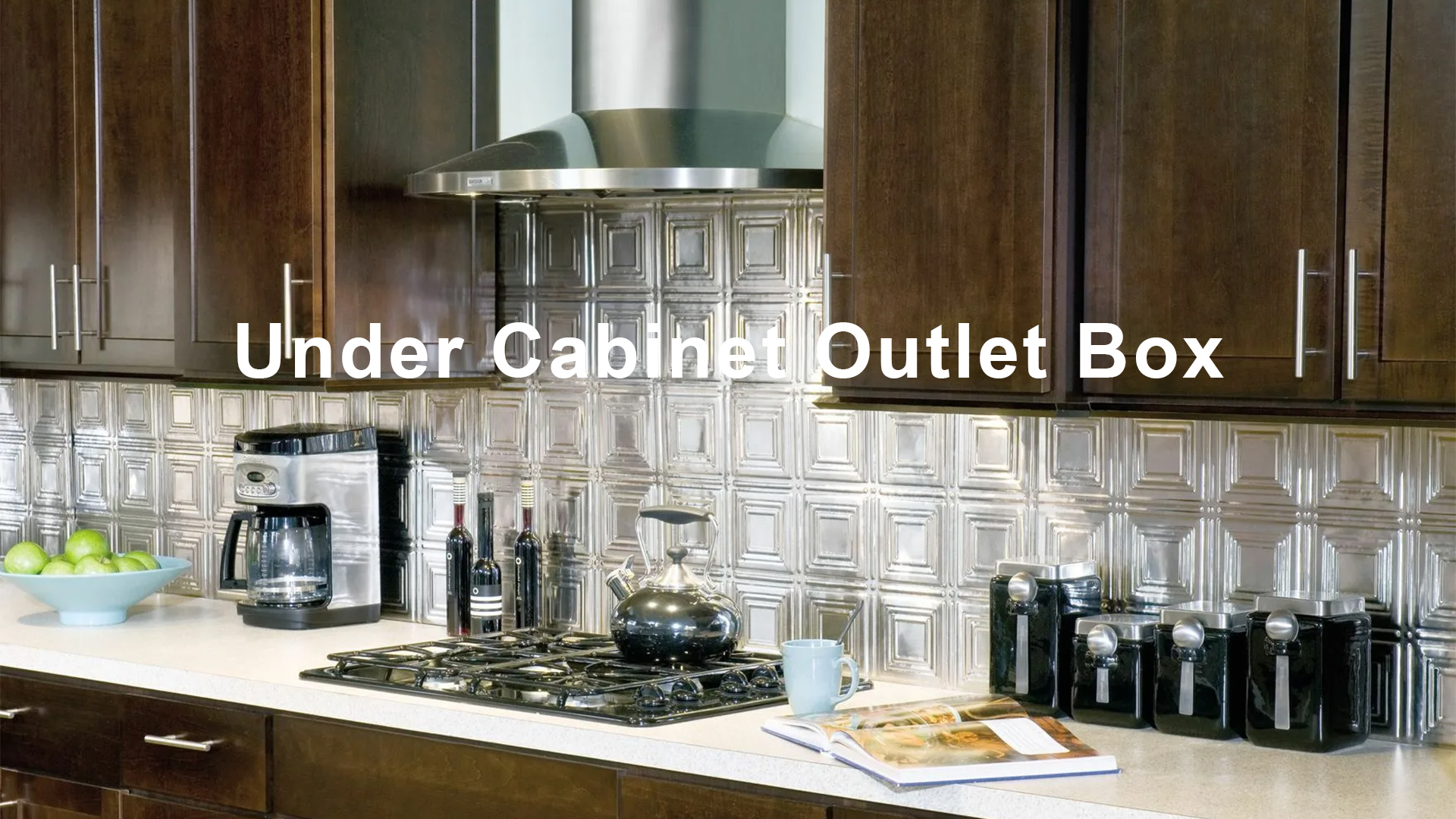
Credit: www.amazon.com
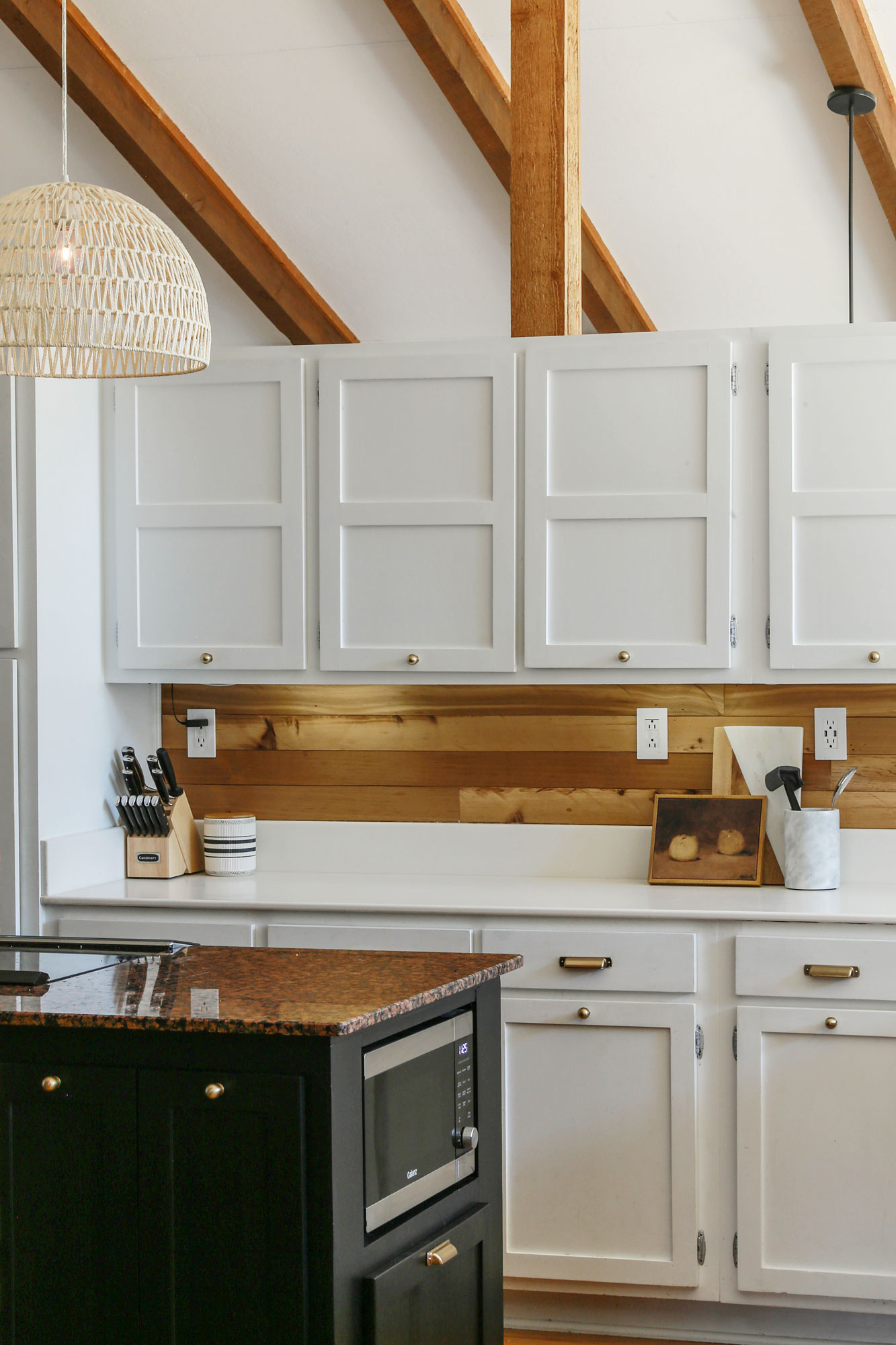
Credit: designingvibes.com
Frequently Asked Questions
What Materials Work Best To Cover Underneath Kitchen Cabinets?
Popular materials include beadboard, plywood, MDF, and decorative panels. These options are durable, affordable, and easy to install. Choose materials resistant to moisture and easy to clean for kitchen use.
How Do I Prepare The Area Before Covering Underneath Cabinets?
Clean the surface thoroughly and remove dust or grease. Repair any damage and sand uneven spots. Proper preparation ensures the covering adheres well and lasts longer.
Can I Install Lighting When Covering Underneath Kitchen Cabinets?
Yes, installing LED strip lights or puck lights enhances visibility and aesthetics. Plan wiring before covering the area for easy access. Use low-heat lights to avoid damage.
How Long Does It Take To Cover Underneath Kitchen Cabinets?
Most projects take 2 to 4 hours, depending on materials and skill level. Simple coverings like peel-and-stick panels are faster, while custom woodwork may take longer.
Conclusion
Covering underneath kitchen cabinets can improve your kitchen’s look and cleanliness. Choose materials that suit your style and budget. Measure carefully before starting the work to avoid mistakes. Simple tools and steps make the task easier for beginners. Taking time to finish well gives a neat and lasting result.
Small changes like this refresh your kitchen without big costs. Try this project to add charm and protect cabinet bases. A little effort goes a long way in home care.