
Have you ever wondered if your kitchen truly needs a smoke detector? You might think it’s unnecessary or that it could go off too often while cooking.
But what if having one could protect your home and loved ones from unexpected danger? You’ll discover the key reasons why installing a smoke detector in your kitchen could be a smart move. Keep reading to learn how to keep your kitchen safe without the hassle of false alarms.
Your peace of mind is just a few steps away.
Credit: www.firedetectionshop.co.uk
Smoke Detectors And Kitchen Safety
Smoke detectors play a crucial role in home safety, but placing one in the kitchen requires careful thought. Kitchens are full of potential fire hazards, yet they also produce steam, smoke from cooking, and other airborne particles that can trigger false alarms. Understanding how smoke detectors interact with kitchen activities helps you decide the best way to protect your home without constant interruptions.
How Smoke Detectors Work In The Kitchen
Smoke detectors sense particles in the air, usually through ionization or photoelectric technology. In the kitchen, frequent cooking can release small amounts of smoke or steam, which might set off alarms unnecessarily.
Photoelectric detectors are generally better for kitchens because they respond more slowly to small particles, reducing false alarms. Would you want your smoke detector to go off every time you make toast? Probably not.
Placement Tips For Kitchen Smoke Detectors
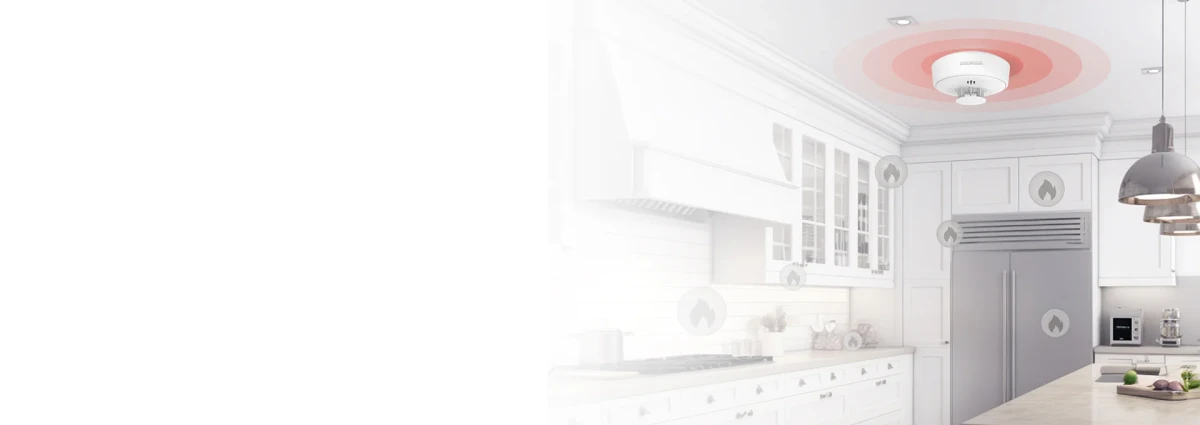
Where you put your smoke detector can make all the difference. Avoid installing it too close to the stove or oven, where steam and smoke are common.
Try placing the detector at least 10 feet away from cooking appliances. This distance helps balance safety with practicality.
- Mount detectors on the ceiling or high on the wall
- Keep them away from windows and vents to prevent drafts triggering alarms
- Consider using a heat detector if false alarms persist
Alternatives To Traditional Smoke Detectors In The Kitchen
If smoke detectors in the kitchen cause too many false alarms, other options exist. Heat detectors activate only when the temperature rises quickly, making them less likely to be disturbed by cooking fumes.
Another option is to install a smoke detector just outside the kitchen door. This placement allows you to catch real fires early without frequent false alarms.
Why Kitchen Safety Depends On More Than Just Smoke Detectors
Smoke detectors are one part of kitchen fire safety, but you should also focus on preventing fires from starting. Keep flammable items like towels and paper away from heat sources.
Regularly clean your stove and oven to reduce grease buildup, which can ignite. Have a fire extinguisher nearby and know how to use it.
Do you have a plan for what to do if a fire starts while you’re cooking? Preparation can save lives.
Risks Of Installing Smoke Detectors In Kitchens
Installing smoke detectors in kitchens seems like a sensible idea, given the potential for fires. However, this placement is not without its challenges. Kitchens are busy areas, often filled with heat, steam, and smoke from cooking. These factors can lead to issues with smoke detectors, making their placement a tricky decision.
False Alarms From Cooking Smoke
Cooking often produces smoke, even when there’s no danger. This can trigger false alarms, causing unnecessary panic and stress. Imagine preparing a delicious steak and suddenly, the smoke detector blares loudly. It’s annoying, disrupts your cooking, and might make you hesitant to use it properly in the future.
Heat And Steam Impact
Heat and steam are common in kitchens. Both can affect the performance of smoke detectors, leading to malfunctions. Have you ever noticed how steam from boiling water or an oven’s heat can fill the room? This environment can confuse smoke detectors, causing them to react when there’s no fire.
Placement Challenges
Finding the right spot for a smoke detector in the kitchen is a challenge. It needs to be close enough to detect real fires but distant enough to avoid false alarms from normal cooking activities. Where do you place it so it’s effective but not troublesome? This is a common dilemma for many homeowners.
It's essential to weigh these risks against the benefits. Consider if the frequent false alarms and potential malfunctions are worth the peace of mind, or if alternative solutions might better suit your kitchen. What’s your experience with kitchen smoke detectors? Are they more helpful or bothersome in your cooking space?
Best Types Of Smoke Detectors For Kitchens
Choosing the right smoke detector for your kitchen is important. The kitchen has unique conditions like smoke from cooking and steam. Some detectors handle these better than others. Picking the best type helps avoid false alarms and keeps your home safe.
Photoelectric Smoke Detectors
Photoelectric smoke detectors sense smoke using light. They work well with smoldering fires. These detectors are less likely to trigger from cooking smoke. They respond slowly to flames but excel at detecting smoky fires early. This makes them suitable for kitchens.
Heat Detectors
Heat detectors sense a rise in temperature. They do not react to smoke or steam. This reduces false alarms in kitchens. Heat detectors activate only when the temperature passes a set limit. They are best in places where smoke alarms may cause nuisance alerts.
Combination Alarms
Combination alarms include both smoke and heat sensors. They offer broad protection for kitchens. These alarms balance sensitivity to smoke and heat changes. Combination alarms reduce false alarms from cooking while detecting real fires quickly. They are a smart choice for kitchen safety.
Optimal Placement For Kitchen Smoke Detectors
Placing a smoke detector in the kitchen requires careful thought. The kitchen has unique challenges because of cooking fumes and heat. Correct placement ensures the detector works well without frequent false alarms. Proper positioning helps detect real smoke quickly and keeps the kitchen safe.
Distance From Cooking Appliances
Keep the smoke detector at least 10 feet away from stoves and ovens. This distance reduces false alarms from normal cooking smoke and heat. Avoid placing detectors too close to cooking areas where smoke or steam appear often. Choose a spot that still covers the kitchen but stays clear of direct cooking fumes.
Ceiling Vs. Wall Mounting
Mounting smoke detectors on the ceiling is usually best. Smoke rises, so ceiling placement catches smoke faster. If ceiling mounting is not possible, install the detector high on a wall. Place it 4 to 12 inches below the ceiling for best results. Avoid low spots where smoke may not reach quickly.
Avoiding Steam And Grease
Keep the smoke detector away from sources of steam and grease. Steam from boiling or washing can cause false alarms. Grease buildup can block the sensor over time. Avoid placing detectors near sinks, dishwashers, or above stoves. Regular cleaning of the detector helps maintain sensitivity and reliability.
Additional Safety Devices For Kitchen
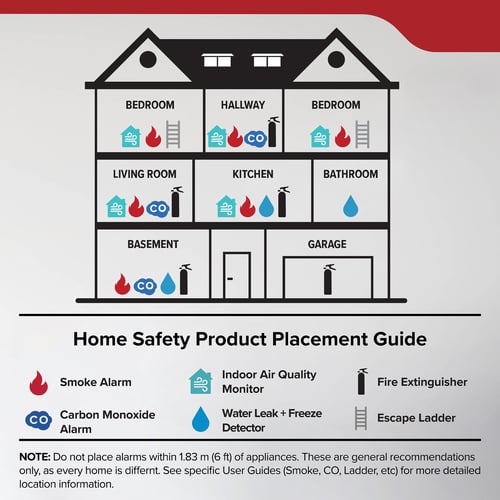
Keeping your kitchen safe goes beyond just installing smoke detectors. There are several other safety devices that can protect you from different types of hazards that commonly occur in this busy space. Adding these devices creates multiple layers of defense, giving you peace of mind while cooking or enjoying time with your family.
Carbon Monoxide Detectors
Carbon monoxide (CO) is a silent danger in kitchens, especially if you use gas stoves or ovens. This colorless, odorless gas can build up quickly without you realizing it. Placing a carbon monoxide detector near your kitchen helps alert you early, preventing potential poisoning.
Think about how often you cook with gas—does your kitchen have proper ventilation? A CO detector can save your life by detecting unsafe levels before symptoms appear. Make sure the detector is placed at breathing height and tested regularly to keep it working properly.
Fire Extinguishers
Fire extinguishers are an essential tool to tackle small kitchen fires before they spread. You never know when oil or grease might catch fire, and having one within reach can stop the disaster quickly. Choose a Class K extinguisher designed specifically for kitchen fires involving oils and fats.
Mount the extinguisher in a visible, accessible spot, away from the stove but close enough to grab fast. Practice how to use it so you’re ready in an emergency. Could you confidently handle a small fire right now?
Fire Blankets
Fire blankets are simple yet effective safety tools to smother flames, especially on clothing or small pan fires. They work by cutting off the oxygen supply, which quickly puts out the fire. Fire blankets are easy to use and safer than throwing water on grease fires, which can spread flames.
Keep a fire blanket in your kitchen, ideally near the cooking area but not where it can accidentally catch fire itself. Knowing how to wrap someone or cover a fire with a blanket can prevent serious injuries. Have you checked where your fire blanket is lately?
Maintenance And Testing Tips
Proper maintenance and regular testing keep your smoke detector effective. Smoke detectors in the kitchen face extra challenges like cooking smoke and grease. Routine care helps avoid false alarms and ensures safety. Follow simple steps to maintain and test your device.
Regular Cleaning
Dust and grease can block the smoke detector's sensors. Clean the device every month to keep it clear. Use a soft brush or vacuum cleaner on the detector's vents. Avoid water or cleaning sprays that can damage electronics. Wipe the outside with a dry cloth to remove grease.
Battery Replacement
Smoke detectors need fresh batteries to work well. Change batteries at least once a year. Some models signal low battery with a beep or chirp. Use the battery type recommended by the manufacturer. Keep spare batteries nearby for quick replacement.
Testing Alarm Functionality
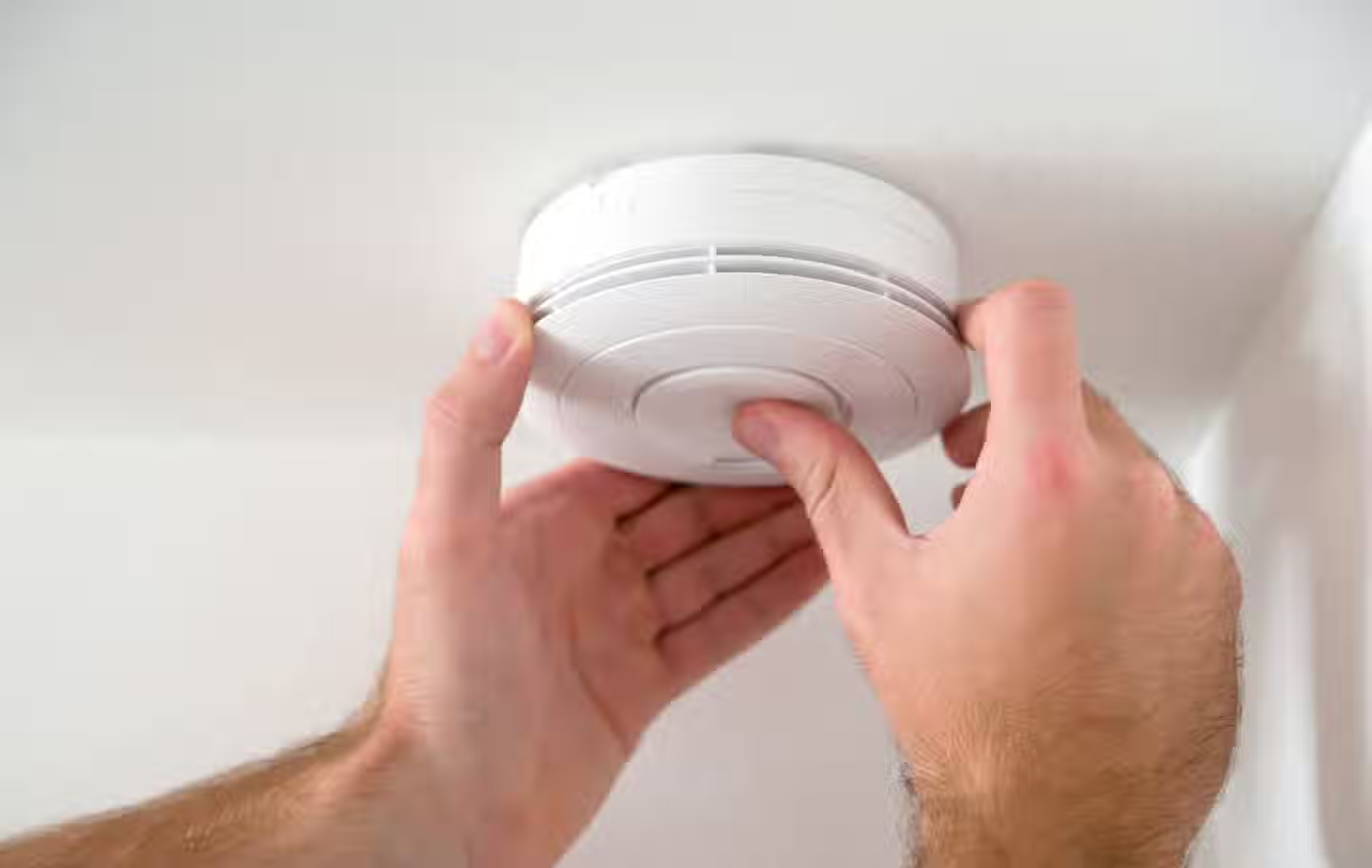
Test the alarm monthly to confirm it works. Press and hold the test button until you hear a loud sound. If the alarm does not sound, replace batteries or the entire unit. Never ignore a non-working smoke detector. Regular testing ensures early fire warning and safety.
Legal Requirements And Recommendations
Understanding the legal requirements and recommendations for installing smoke detectors in your kitchen is crucial. Laws and guidelines vary, and knowing them can help you avoid fines and, more importantly, keep your home safe. Let's break down what you need to know to make a smart, compliant decision.
Local Building Codes
Building codes differ from place to place, and your local authority sets the rules about smoke detectors in kitchens. Some areas might require smoke alarms within a certain distance from the kitchen but not directly inside it, to prevent false alarms caused by cooking fumes.
You should check with your city or county building department to find the exact requirements. Ignoring local codes can lead to penalties and may affect your home's safety certification.
Fire Safety Standards
National fire safety organizations offer guidelines that often influence local laws. For example, the National Fire Protection Association (NFPA) suggests placing smoke detectors outside the kitchen area rather than inside to reduce nuisance alarms.
Smoke detectors in the kitchen can trigger false alarms due to steam or burnt toast, leading many to recommend heat detectors or specialized kitchen alarms instead. Are you willing to risk disabling your alarm because of frequent false alerts?
Insurance Considerations
Your home insurance policy might require smoke detectors in specific locations, including near the kitchen. Some insurers offer discounts if you have compliant smoke alarms installed throughout your home.
Failing to meet these requirements could affect your coverage or claims in case of a fire. It's worth contacting your insurance provider to understand how kitchen smoke detectors impact your policy and premiums.

Credit: www.wconline.com
Credit: www.servpro.com
Frequently Asked Questions
Should I Install A Smoke Detector In The Kitchen?
It's not recommended to place smoke detectors directly in kitchens. Cooking fumes often cause false alarms. Install heat detectors or place smoke detectors nearby, but away from direct cooking areas for better accuracy and safety.
What Type Of Smoke Detector Suits Kitchens Best?
Heat detectors are ideal for kitchens. They detect rapid temperature rises, reducing false alarms from cooking smoke. Smoke detectors can be placed in adjacent rooms to ensure early fire detection without nuisance alerts.
How Far Should A Smoke Detector Be From The Stove?
Keep smoke detectors at least 10 feet away from cooking appliances. This distance helps prevent false alarms from regular cooking smoke or steam, ensuring detectors activate only during genuine fire hazards.
Can Kitchen Smoke Detectors Cause Frequent False Alarms?
Yes, traditional smoke detectors in kitchens often trigger false alarms. Cooking smoke and steam can activate them unnecessarily. Using heat detectors or placing smoke alarms away from direct cooking areas can reduce false alerts.
Conclusion
Smoke detectors help keep homes safe from fire risks. Kitchens have special challenges with smoke and steam. Placing a smoke detector nearby can alert you early. Choose models designed to reduce false alarms from cooking. Test detectors often to ensure they work properly.
Safety in the kitchen means being prepared for emergencies. A well-placed smoke detector adds peace of mind. Small steps protect your family and home better. Don’t wait for danger to take action. Safety starts with smart choices today.