
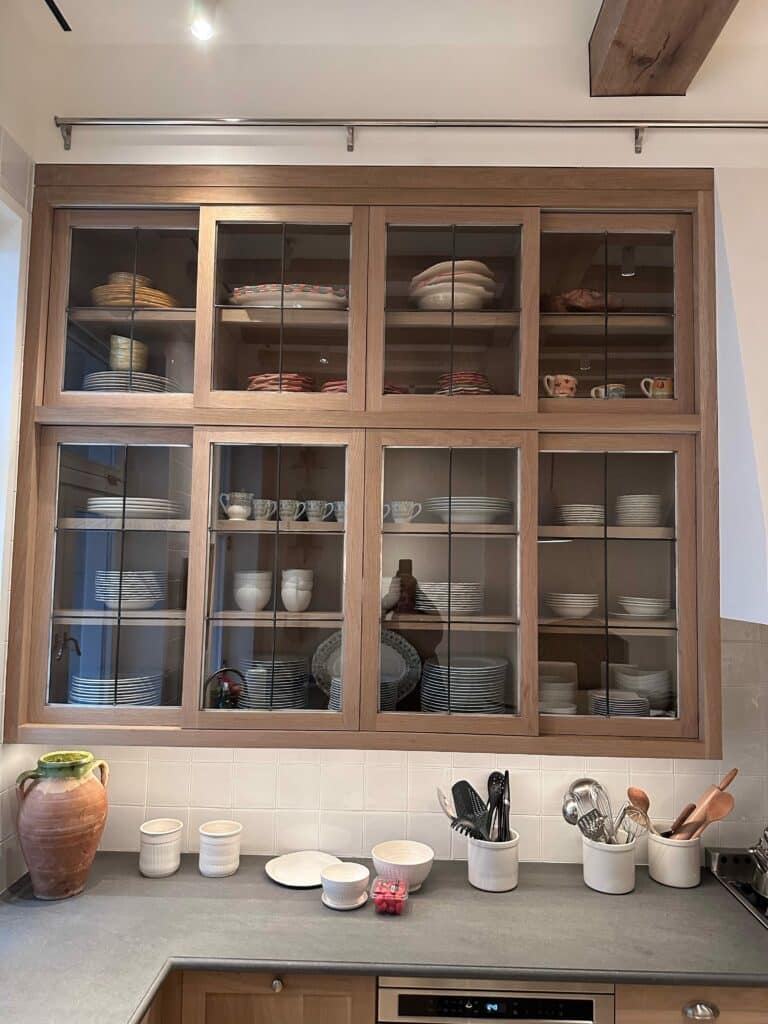
Are you tired of staring at your glass kitchen cabinet doors that show every little mess inside? You’re not alone.
Glass doors can look beautiful, but they also reveal clutter and fingerprints, making your kitchen feel less tidy. What if you could keep that stylish look while hiding what you don’t want seen? You’ll discover simple and effective ways to cover your glass cabinet doors.
Whether you want a quick fix or a long-lasting solution, these ideas will help you transform your kitchen instantly. Keep reading to learn how to protect your cabinets and upgrade your space without spending a fortune.

Credit: www.fromhousetohome.com
Choosing The Right Materials
Choosing the right materials for covering glass kitchen cabinet doors can transform your kitchen's look. The materials must be both practical and stylish. They should protect the glass and match your kitchen decor. Consider durability, ease of application, and appearance. Each option offers different benefits and design possibilities.
Frosted Window Film
Frosted window film adds privacy without blocking light. It creates a soft, blurred effect on glass. This film is easy to cut and apply. It resists moisture and cleans well. Frosted films come in various patterns and opacity levels. They work well in modern and classic kitchens.
Stained Glass Paint
Stained glass paint lets you create colorful designs. It mimics the look of traditional stained glass. The paint sticks well to glass surfaces. It dries quickly and stays bright. You can find many colors and finishes. This option suits creative homeowners who enjoy DIY projects.
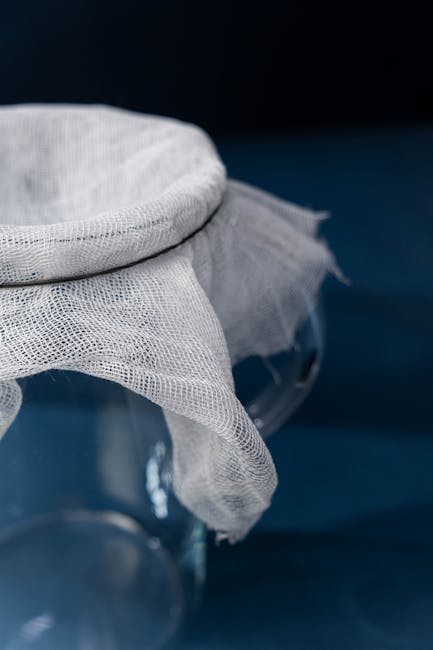
Fabric Inserts
Fabric inserts add warmth and texture to cabinet doors. Choose fabrics that resist stains and moisture. Attach fabric using adhesive or small frames inside the door. This option offers endless pattern and color choices. It softens the kitchen’s look and adds personality.
Decorative Contact Paper
Decorative contact paper is affordable and versatile. It comes in many styles like wood grain, marble, or geometric patterns. The paper is easy to cut and apply. It can be removed or replaced with little effort. Contact paper suits renters or those who change decor often.
Preparing Glass Surfaces
Preparing glass surfaces is key for covering kitchen cabinet doors effectively. Clean, smooth glass helps new coverings stick better and last longer. Take time to remove dirt and old glue. Dry the surface well before applying any material. This process ensures a neat and lasting finish.
Cleaning Techniques
Start by wiping the glass with a soft cloth to remove dust. Use a glass cleaner or a mix of water and mild soap. Avoid harsh chemicals that can damage the glass or leave residue. Clean both sides carefully. Rinse with clean water and wipe dry with a lint-free cloth.
Removing Old Adhesives
Sticky glue can ruin the look and stop new coverings from sticking. Use a plastic scraper to lift large pieces gently. Apply rubbing alcohol or adhesive remover on a cloth to soften residue. Rub gently in small circles until the glue disappears. Avoid scratching the glass surface during this step.
Surface Drying Tips
After cleaning, moisture can block adhesives from sticking well. Use a dry microfiber cloth to soak up water spots. Let the glass air dry for 10 to 15 minutes in a dust-free area. Avoid touching the glass after drying to keep it clean. Fully dry surfaces ensure better adhesion and a smooth finish.
Applying Frosted Film
Clean the glass surface thoroughly before applying frosted film to ensure good adhesion. Peel the backing slowly and smooth the film with a squeegee to avoid bubbles and wrinkles. Trim the edges carefully for a neat, custom fit on your kitchen cabinet doors.
Applying frosted film to your glass kitchen cabinet doors is a brilliant way to add privacy while maintaining a sleek and modern look. It's an affordable and easy project that can completely transform your kitchen's appearance. Plus, it's a great solution if you're not ready to commit to permanent changes like replacing the glass or painting.
Measuring And Cutting Film
Start by measuring the dimensions of your glass cabinet doors. Accurate measurements are crucial to ensure the film fits perfectly without any gaps. Use a tape measure and note down the length and width. Once you have your measurements, transfer them to the frosted film. Carefully cut the film using a sharp utility knife or a pair of scissors, ensuring straight edges. It's wise to cut the film slightly larger than needed; you can always trim it down later.
Positioning And Smoothing
Peel off a corner of the film's backing to expose the adhesive side. Align the film at the top edge of the glass door, pressing gently to adhere it. Use a squeegee or a credit card to smooth out the film, starting from the center and moving towards the edges. This helps eliminate air bubbles and ensures a smooth finish. Take your time during this step. A well-smoothed film enhances the overall look and adhesion.
Trimming Excess
Once the film is positioned and smoothed, it's time to trim the excess. Use a sharp utility knife to carefully cut along the edges of the glass, ensuring a perfect fit. Be sure to hold the knife steady to avoid cutting into the cabinet frame. After trimming, inspect the edges and press down any loose areas with your squeegee or card. This final touch secures the film and gives your cabinets a polished look. Are you excited to see the transformation in your kitchen? Applying frosted film is not just easy; it’s a fun way to refresh your space without the hassle of major renovations.
Credit: www.stainedglasswindows.com
Using Stained Glass Paint
Using stained glass paint offers a creative way to update glass kitchen cabinet doors. This technique adds color and style while letting light pass through. It can make your kitchen feel brighter and more vibrant without major renovations.
Stained glass paint is easy to apply and comes in many colors. You can create simple or complex designs. This method also protects glass from scratches and dirt.
Selecting Paint Colors
Choose colors that match your kitchen’s theme. Warm tones like amber and red create a cozy feel. Cool tones like blue and green add calmness. Transparent colors work best to keep light flowing.
Test the paint on a small glass piece first. See how colors look when dry. Layering different colors can add depth and interest.
Designing Patterns
Pick patterns that fit your style. Geometric shapes bring a modern look. Floral or vine patterns add a classic touch. Simple stripes or dots work well for a subtle effect.
Draw your design on paper first. Use a marker to sketch directly on the glass if confident. Stencils can help keep lines neat and consistent.
Painting Tips And Tricks
- Clean glass thoroughly before painting.
- Use painter’s tape to create sharp edges.
- Apply paint in thin layers to avoid drips.
- Allow each layer to dry fully before adding another.
- Use a fine brush for detailed work.
- Seal the paint with a clear finish for protection.
Patience is key. Take your time for the best results.
Adding Fabric Or Paper Inserts
Adding fabric or paper inserts to glass kitchen cabinet doors is a smart way to inject personality and style into your kitchen without a full renovation. These inserts can soften the look of your cabinets, hide clutter, or add a pop of color and pattern that complements your overall decor. Plus, they’re easy to change out whenever you want a fresh look.
Choosing Fabrics And Papers
Select materials that match your kitchen’s vibe and lighting. Lightweight fabrics like linen, cotton, or sheer voile work well because they let some light through while adding texture. For papers, consider decorative scrapbook paper, wallpaper samples, or even maps for a unique twist.
Think about durability too. Kitchen environments can be humid and prone to splashes, so pick fabrics or papers that can handle a little moisture or are easy to replace. Have you ever chosen a fabric that faded quickly or got stained? Avoid frustration by testing a small piece first.
Cutting To Size
Measure the glass panels carefully before cutting your fabric or paper. It’s best to add about a half-inch extra on each side to ensure full coverage and easier handling. Use sharp scissors or a craft knife to get clean edges.
Keep your workspace flat and clean to avoid wrinkles or tears. If you want a crisp look, consider trimming the edges after attaching to remove any excess. Have you noticed how precise cuts make a project look more professional? Small details count here.
Attaching Inserts Securely
Use double-sided tape or spray adhesive for a smooth, bubble-free finish. Start by placing the tape along the edges of the glass, then carefully press your fabric or paper into place. If using spray adhesive, apply it evenly and allow it to become tacky before attaching the insert.
For extra security, you can tuck the edges behind the glass or frame if possible. Avoid using glue that can damage your cabinet or glass. Do you want your inserts to be easy to swap out later? Choose attachment methods that won’t leave residue or cause damage.
Maintaining Covered Doors
Maintaining covered glass kitchen cabinet doors keeps them looking fresh and new. Proper care prevents dirt buildup and damage over time. A simple routine extends their beauty and function.
Cleaning Tips
Use a soft cloth to wipe the surface gently. Avoid harsh chemicals that can damage the cover or glass. Mild soap mixed with water works well for regular cleaning. Dry the doors with a clean, dry cloth to avoid streaks. Clean spills immediately to prevent stains or warping.
Repairing Small Damages
Inspect the covers regularly for scratches or loose edges. Use clear adhesive tape to fix minor rips or tears temporarily. For small scratches, a gentle buff with a soft cloth may help. Replace damaged covers if the damage is deep or spreads. Keep repair kits handy for quick fixes.
Extending Longevity
Keep the doors away from direct sunlight to prevent fading. Avoid placing heavy objects on the glass or covered areas. Use handles gently to reduce stress on hinges and covers. Maintain proper kitchen humidity to protect materials. Regular checks help catch issues early and keep doors lasting longer.
Creative Design Ideas
Covering glass kitchen cabinet doors offers a fantastic chance to inject personality and style into your kitchen. Creative designs can turn plain glass into stunning focal points that reflect your taste and complement your décor. Let’s look at some design ideas that bring both function and flair to your cabinets.
Geometric Patterns
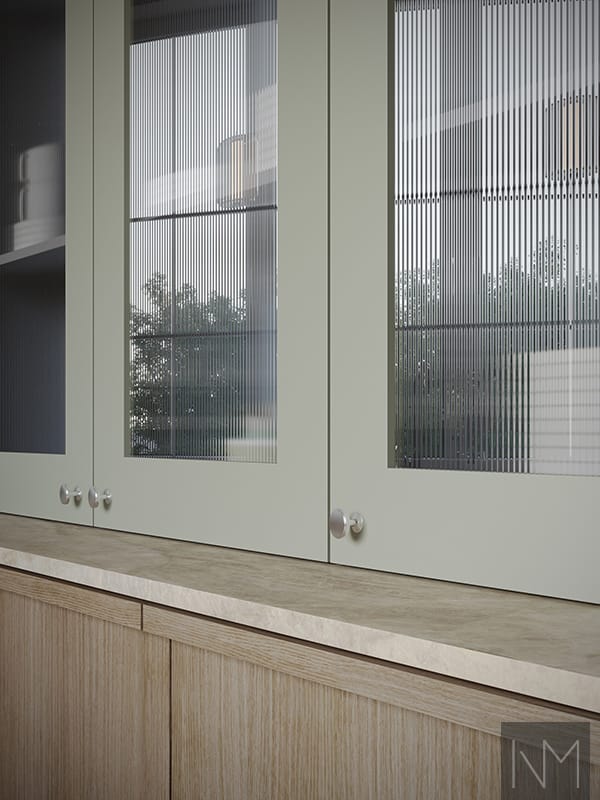
Geometric patterns bring a modern edge to your kitchen cabinets. Think sharp lines, triangles, hexagons, or chevrons arranged in bold or subtle colors. You could use adhesive films with these patterns or paint them directly on frosted glass.
These designs add structure and rhythm to the space. Have you considered how repeating shapes might create visual flow while hiding clutter behind the glass? Geometric styles work well in contemporary kitchens and can be as vibrant or muted as you want.
Floral Motifs
Floral designs add a touch of warmth and charm. Choose delicate vines or large blossoms, depending on your kitchen’s vibe. You can find vinyl decals with intricate floral patterns or use stencils to paint directly onto the glass for a personalized touch.
Floral motifs soften the look of glass cabinets and bring nature indoors. Imagine opening your cabinets to reveal subtle flowers that brighten your cooking space. Would a splash of nature-inspired design make your kitchen feel more inviting?
Minimalist Styles
Minimalist designs focus on simplicity and clean lines. Use frosted or tinted films that create a sleek, uniform look without overwhelming the space. A single horizontal or vertical stripe can add interest without clutter.
This style is perfect if you prefer a calm, uncluttered kitchen environment. Minimalism helps your cabinets blend seamlessly with other elements in the room. Could less really be more when it comes to your kitchen cabinet doors?
Credit: www.noremax.com
Frequently Asked Questions
How Can I Cover Glass Kitchen Cabinet Doors Easily?
You can cover glass kitchen cabinet doors using adhesive films, fabric, or decorative paper. Choose a material that suits your style. Clean the glass thoroughly before application. Measure carefully and cut the covering to size. Smooth out air bubbles for a neat finish.
What Materials Work Best For Covering Glass Cabinet Doors?
Adhesive vinyl films, frosted glass sheets, and decorative contact paper work well. These materials are easy to apply, affordable, and durable. They provide privacy and enhance cabinet aesthetics without permanent changes. Choose a style that complements your kitchen decor.
Can I Remove The Covering Without Damaging The Glass?
Yes, most adhesive films and contact papers are removable. Peel them off slowly to avoid residue or damage. Use warm water or mild cleaner to remove leftover adhesive. This makes it easy to update your cabinet look anytime.
How Do I Measure For Covering Glass Cabinet Doors?
Measure the height and width of each glass panel precisely. Add a small allowance for trimming edges. Use a ruler or measuring tape for accuracy. Proper measurements ensure the covering fits well and looks professional.
Conclusion
Covering glass kitchen cabinet doors can change your kitchen’s look fast. Choose a style that fits your taste and needs. Use easy methods like frosting film or fabric panels. These options add privacy and style without much effort. Keep your tools ready and follow simple steps carefully.
Enjoy a fresh kitchen feel without spending too much. Small changes make a big difference in your home. Try it today and see how it improves your space. Simple, quick, and effective.