
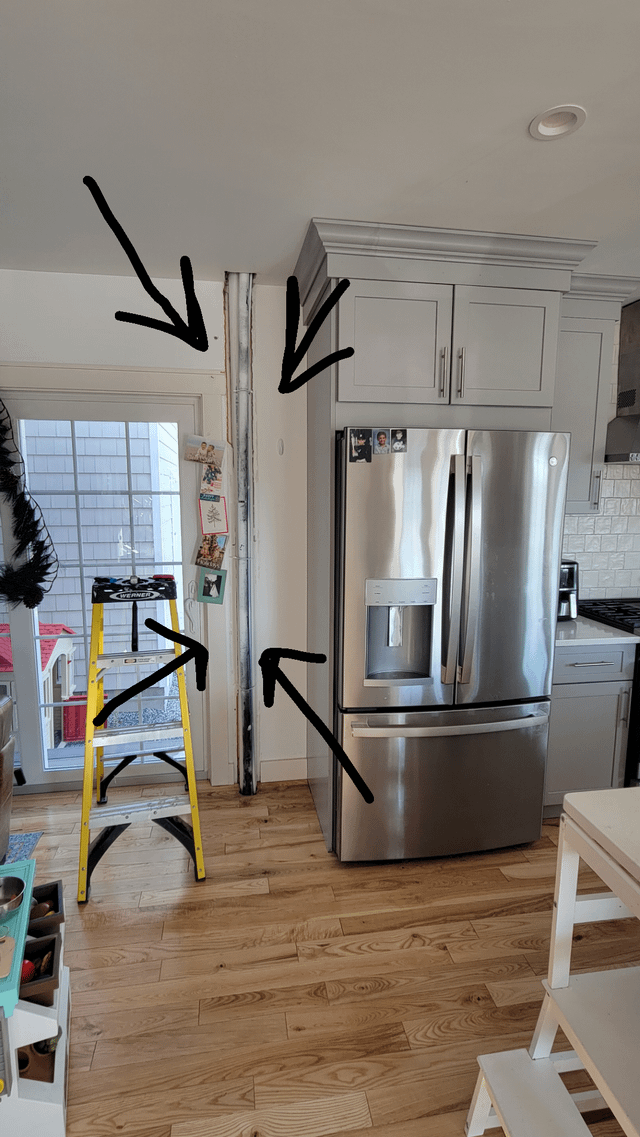
Are your kitchen pipes looking messy or unfinished? You’re not alone.
Exposed pipes can spoil the look of your kitchen and even make cleaning harder. But don’t worry—covering your kitchen pipes is easier than you think. You’ll discover simple, effective ways to hide those pipes and give your kitchen a cleaner, more polished look.
Keep reading, and you’ll find solutions that fit your style and budget, making your kitchen a place you’ll love to spend time in.

Credit: www.amazon.com
Choosing The Right Covering Materials
Choosing the right covering materials for kitchen pipes affects both style and function. The material must protect pipes while fitting your kitchen’s look. It should be easy to clean and durable enough for kitchen conditions. Selecting the best option helps keep your kitchen tidy and safe. Here are common materials to consider.
Wooden Panels And Cabinets
Wooden panels and cabinets offer a natural, warm look. They can match existing kitchen furniture for a seamless feel. Wood is sturdy and hides pipes completely. Choose treated wood to resist moisture and heat. Cabinets with doors provide easy access for repairs. This option blends style with practicality.
Decorative Boxes And Enclosures
Decorative boxes and enclosures come in various shapes and colors. They cover pipes without major changes to the kitchen layout. Lightweight materials like plastic or metal work well. These covers can be painted or decorated to fit your style. Enclosures keep pipes safe from dust and damage.
Fabric And Curtains
Fabric and curtains add softness and color to the kitchen. They are simple to install and remove for cleaning. Choose washable, moisture-resistant fabrics for durability. Curtains can hide pipes under sinks or along walls. This option suits casual or vintage kitchen styles.
Paint And Wallpaper
Paint and wallpaper are budget-friendly ways to mask pipes. Use heat-resistant paint to avoid peeling. Wallpaper designed for kitchens can add patterns or textures. This method keeps pipes visible but less noticeable. It works well for small pipes or tight spaces.
Creative Design Ideas
Creative design ideas can turn plain kitchen pipes into stylish features. Covering pipes does not mean hiding them awkwardly. Instead, it offers a chance to enhance your kitchen's look while keeping pipes accessible. Clever designs blend function and beauty. Explore ways to make your kitchen pipes part of your décor.
Incorporating Shelves And Storage
Building shelves around pipes creates extra storage space. Use open shelves to hold spices, jars, or small kitchen tools. Shelves can be made from wood or metal to match your kitchen style. This design makes pipes less visible and adds practical use. Floating shelves around pipes keep the area neat and organized.
Using Plants For Concealment
Plants bring life and color to any space, even around pipes. Place small potted plants on shelves near pipes. Use hanging plants to draw eyes away from pipes. Greenery softens hard lines and adds freshness. Choose low-maintenance plants that thrive in kitchen light. Plants turn pipe covers into natural decorations.
Custom Built-ins
Custom built-ins offer a seamless look around kitchen pipes. Cabinets or panels can be designed to fit perfectly around pipes. This hides pipes completely and matches kitchen decor. Built-ins can include doors for easy pipe access. Use paint or finishes that blend with the kitchen walls. Custom solutions keep your kitchen tidy and stylish.
Magnetic And Removable Covers
Magnetic covers offer flexibility and easy access to pipes. These covers stick to metal pipes and can be moved or removed quickly. Choose covers with decorative patterns or colors to enhance the kitchen's look. Removable covers allow for quick maintenance without damage. They provide a neat solution without permanent changes.
Diy Pipe Covering Tips
Covering kitchen pipes can improve your space’s look and safety. Use foam sleeves or decorative wraps to hide pipes easily. Measure pipes first, then cut covers to fit snugly without blocking access.
DIY pipe covering can be both functional and aesthetic. It improves the look of your kitchen. It also protects pipes from damage. Here are some tips to guide your DIY project.
Measuring And Planning
Start by measuring the pipes. Use a measuring tape for accuracy. Write down the dimensions. Plan the design and materials. Consider the style of your kitchen. Ensure the covering fits well.
Tools And Materials Needed
Gather all necessary tools and materials. These may include:
- Measuring tape
- Screwdriver
- Wood or PVC panels
- Saw
- Paint or stain
- Brushes
- Screws and brackets
Ensure you have everything before starting.
Step-by-step Installation
Begin by cutting the panels to size. Use a saw for clean edges. Attach the brackets to the wall. Secure the panels to the brackets. Use screws for a firm hold. Paint or stain the panels. Let them dry completely. This gives a polished look.
Maintenance And Cleaning
Regular maintenance keeps the covers looking new. Wipe with a damp cloth weekly. Use a mild detergent if needed. Check for loose screws. Tighten them to prevent issues. Keep the area around the pipes clean. This prevents dust buildup.

Credit: www.reddit.com
Functional Solutions For Pipe Coverage
Covering kitchen pipes requires solutions that are both practical and durable. Pipes need protection from heat loss, moisture, and damage. At the same time, access for repairs must be easy. Choosing the right cover helps maintain pipe function and kitchen safety.
Heat Insulation Covers
Heat insulation covers keep pipes warm and prevent heat loss. These covers are usually made of foam or rubber. They wrap around hot water pipes to keep energy efficient. Insulation also stops pipes from freezing in cold weather. Easy to install and cut to size, they fit most pipe shapes.
Access Panels For Repairs
Access panels allow quick pipe repairs without removing large coverings. These panels are installed in walls or cabinets near pipes. They open and close easily, giving full pipe access. Panels come in various sizes and materials like plastic or metal. Installing them saves time and money during maintenance.
Waterproofing Options
Waterproof covers protect pipes from moisture and leaks. Materials like PVC and vinyl are common for waterproofing. These covers prevent rust and water damage. They are simple to clean and last longer in damp kitchen areas. Waterproof solutions keep pipes safe and kitchen dry.
Noise Reduction Techniques
Noise from water pipes can be annoying in kitchens. Special soundproof covers reduce pipe noise effectively. These covers include foam or rubber layers that absorb sound. Installing them around pipes lowers vibrations and water noise. Quiet pipes create a more peaceful kitchen space.
Matching Pipe Covers With Kitchen Style
Choosing pipe covers that match your kitchen style enhances the room’s overall look. Pipes can stand out or blend in, depending on the cover choice. Matching covers with your kitchen design creates a cohesive, polished space.
Modern And Minimalist Approaches
Simple, sleek pipe covers work best in modern kitchens. Use smooth materials like metal or plastic with clean lines. Neutral colors such as white, black, or gray keep the look subtle. Avoid ornate designs that disrupt the minimalist vibe.
Rustic And Vintage Looks
Wooden or distressed pipe covers suit rustic kitchens well. Natural textures add warmth and charm. Choose covers with a rough finish or vintage paint effects. These covers create a cozy, inviting atmosphere that fits rustic style.
Industrial Style Covers
Expose pipes with metal covers for an industrial feel. Use materials like steel or iron with visible bolts or welds. Dark tones such as black or bronze emphasize toughness. This style highlights the raw, unfinished look typical of industrial kitchens.
Color Coordination Tips
- Match pipe cover colors to cabinets or walls for harmony.
- Use contrasting colors to make pipes a design feature.
- Consider metallic finishes to add shine and texture.
- Use paint to customize covers for a perfect color fit.

Credit: www.reddit.com
Frequently Asked Questions
How Can I Hide Kitchen Pipes Effectively?
You can hide kitchen pipes using decorative covers, cabinetry, or paint. Choose materials that match your kitchen’s style. Proper sealing prevents moisture damage. This improves kitchen aesthetics and protects pipes from wear.
What Materials Work Best For Covering Kitchen Pipes?
Popular materials include wood panels, PVC covers, and metal casings. These options are durable and easy to clean. Select water-resistant materials to avoid mold and damage. Always ensure easy access for maintenance.
Is It Safe To Cover Pipes In The Kitchen?
Yes, if you allow proper ventilation and access. Covering pipes protects them but never block essential valves. Use non-combustible materials near heat sources. Regularly inspect covers for leaks or damage.
Can I Paint Kitchen Pipes To Blend In?
Painting pipes is a cost-effective way to blend them in. Use moisture-resistant, heat-tolerant paint for best results. Clean pipes thoroughly before painting. Choose colors matching your walls or cabinets for a seamless look.
Conclusion
Covering pipes in your kitchen improves both safety and appearance. Simple materials like wood or plastic can hide pipes neatly. Choose options that match your kitchen style and budget. Make sure the cover allows easy access for repairs. A well-covered pipe keeps your kitchen clean and organized.
Small changes create big differences in your space. Start today to make your kitchen look better and safer.