
Your kitchen floor is one of the busiest spots in your home. Every day, it faces spills, crumbs, and countless footsteps, making it a hotspot for germs and bacteria.
But how often do you truly sanitize it? If you want a clean, safe kitchen where your family can cook and play without worry, knowing how to properly sanitize your kitchen floor is essential. You’ll discover simple, effective steps to keep your floor spotless and germ-free.
Ready to transform your kitchen into a healthier space? Let’s dive in!
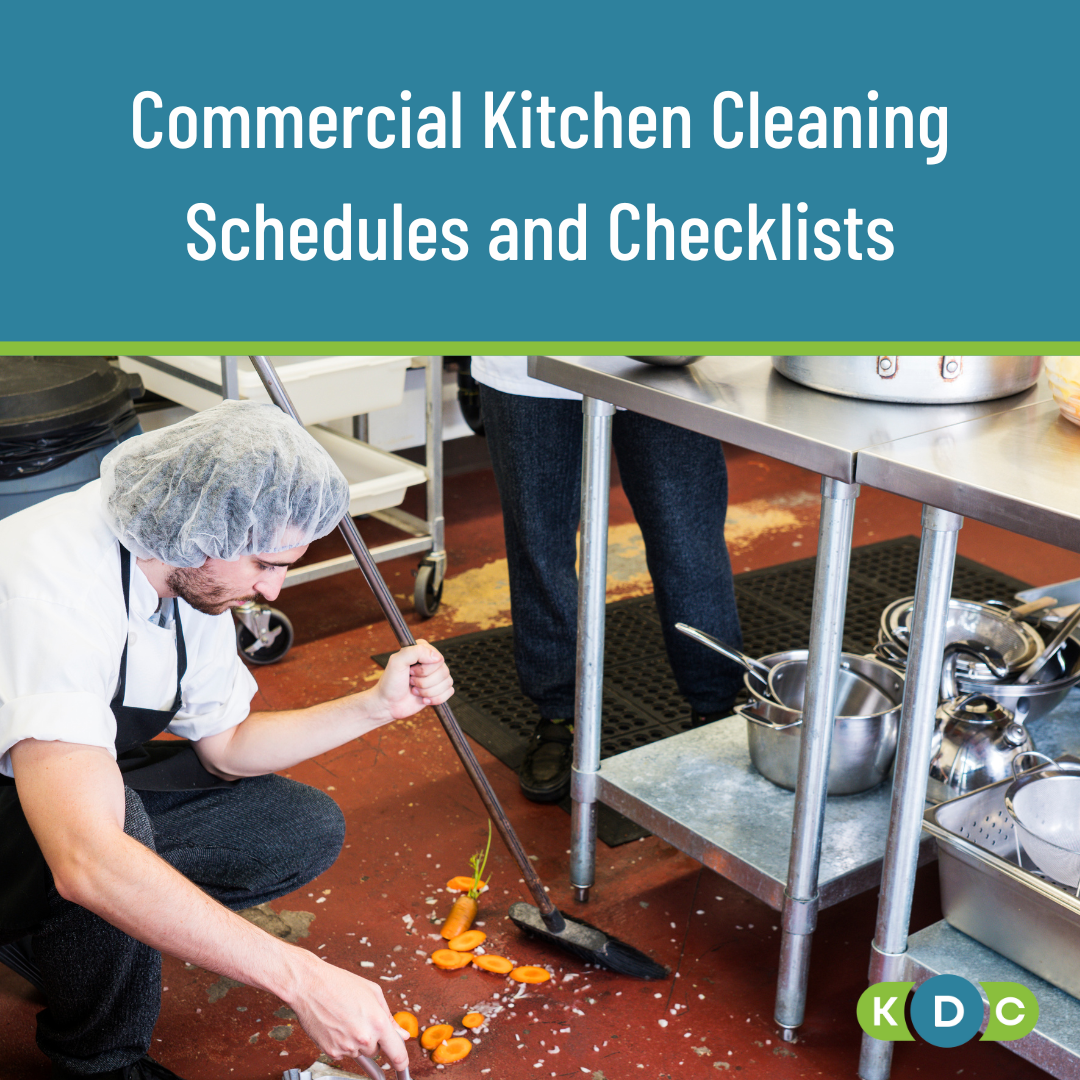
Credit: www.kitchendeepcleaninglondon.co.uk
Choosing The Right Cleaner
Choosing the right cleaner is key to sanitizing your kitchen floor effectively. The cleaner must kill germs without damaging the floor surface. It should also be safe for your family and pets. Different floors need different cleaners. Understanding cleaner types helps you pick the best one for your kitchen.
Types Of Floor Cleaners
Floor cleaners come in many forms. Some are liquids, others are sprays or wipes. Each type has its own use and benefits.
- Liquid Cleaners:Easy to spread and good for large areas.
- Spray Cleaners:Great for quick touch-ups and small spots.
- Wipes:Convenient for fast cleaning but less effective for deep dirt.
- Powder Cleaners:Useful for scrubbing tough stains but require rinsing.
Choose a cleaner that matches your floor type and cleaning needs.
Natural Vs Chemical Options
Natural cleaners use ingredients from nature. Examples include vinegar, baking soda, and lemon juice. They are gentle and safe for most floors. Natural options avoid harsh chemicals, making them eco-friendly and less irritating.
Chemical cleaners contain synthetic ingredients. They often work faster and kill more bacteria. These are good for deep sanitizing but may harm sensitive floors. Use them carefully and follow instructions.
Balance safety and strength when picking between natural and chemical cleaners. Test a small area before full use to avoid damage.
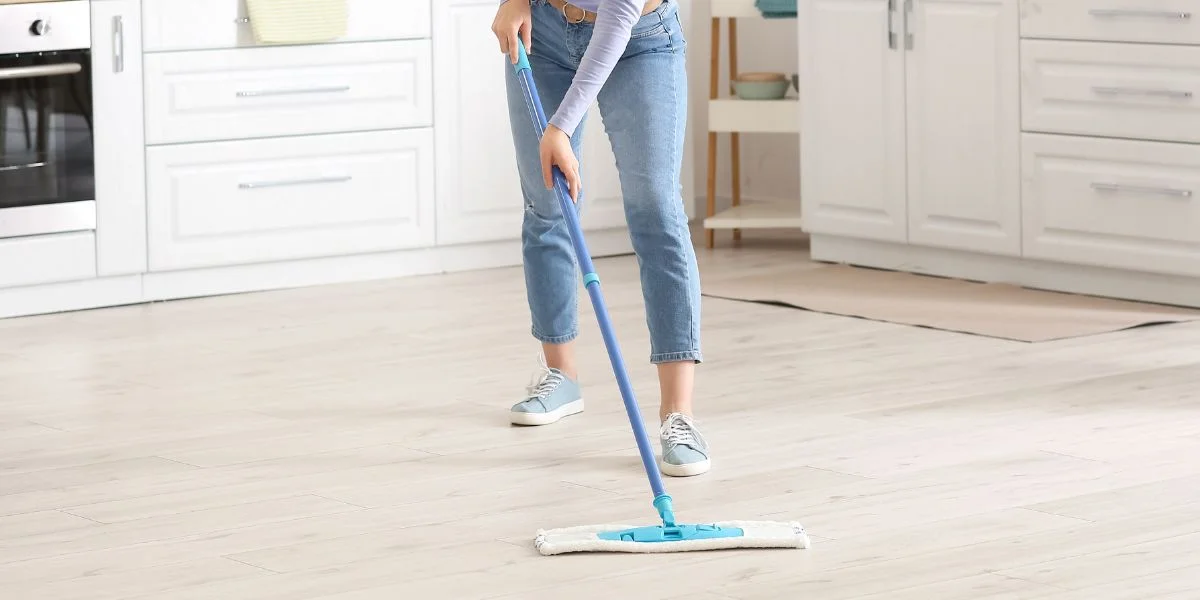
Credit: www.abt.com
Preparing The Kitchen Floor
Preparing the kitchen floor is the first step in effective sanitizing. It ensures the floor is free from loose dirt and particles. This preparation helps cleaning solutions work better and reach all areas.
Removing Debris And Dirt
Start by picking up large debris like food crumbs and wrappers. Use a dustpan or your hands for this task. Removing these particles prevents spreading dirt during cleaning. Check corners and under appliances for hidden debris. This step clears the way for deeper cleaning.
Sweeping And Vacuuming Tips
Sweep the floor thoroughly with a broom to gather small dirt and dust. Use long, even strokes to cover the entire floor. After sweeping, use a vacuum to remove fine dust and particles. A vacuum with a hard floor setting works best. Pay attention to edges and baseboards where dirt collects. This two-step approach makes the floor ready for sanitizing.
Sanitizing Techniques
Clean the kitchen floor by sweeping or vacuuming to remove dirt and debris. Use a disinfectant solution to mop, focusing on high-traffic areas for effective sanitizing. Allow the floor to air dry for best results.
Sanitizing your kitchen floor is essential for a healthy home. It removes germs, dirt, and bacteria that can linger. Different techniques offer effective ways to keep your floor clean. Each method suits various types of flooring and levels of dirtiness. Here, we explore a few methods to sanitize effectively.
Mopping With Disinfectant
Use a mop and a disinfectant solution. Choose a disinfectant safe for your floor type. Mix it with water as directed on the label. Mop the entire floor, reaching corners and edges. Allow the floor to air dry to ensure full disinfection. This technique is simple and suits most kitchens.
Using Steam Cleaners
Steam cleaners are powerful tools for sanitizing floors. They use hot steam to kill germs and bacteria. Fill the cleaner with water and let it heat up. Slowly move the cleaner over the floor. The steam penetrates and cleans deep. This method is chemical-free and eco-friendly.
Spot Cleaning Problem Areas
Some areas need extra attention. Use a cloth and disinfectant spray for these spots. Spray the area and let it sit for a minute. Wipe it clean with a cloth or paper towel. This targets stubborn stains and dirt efficiently. Regular spot cleaning keeps the floor pristine.
Drying And Ventilation
Drying and ventilation are key steps after sanitizing your kitchen floor. They help stop germs from growing again. Wet floors can attract dirt and bacteria. Fast drying keeps your floor clean and safe.
Proper Drying Methods
Use a clean mop or dry cloth to remove extra water. Wring the mop well to avoid soaking the floor. You can also use a fan or dry towel. Avoid leaving water puddles on the floor. Check corners and edges for hidden moisture.
Improving Air Flow
Open windows and doors to let fresh air in. This helps speed up drying and removes smells. Use fans to move air around the room. Ceiling fans or portable fans work well. Keep the kitchen door open during drying if possible. Good air flow stops dampness and mold growth.
Maintaining A Germ-free Floor
Keeping your kitchen floor germ-free is more than just a matter of appearance. It directly impacts your health and the safety of the food you prepare. A clean floor reduces the risk of bacteria spreading and prevents unpleasant odors from developing.
Regular Cleaning Schedule
Set a consistent routine to clean your kitchen floor. Dirt and spills can quickly turn into breeding grounds for germs if left unattended. Sweeping daily removes crumbs and debris, while mopping with a disinfectant at least twice a week tackles stubborn bacteria.
Choose cleaning products that kill germs effectively but are safe for your floor type. For example, a diluted bleach solution works well on tile but might damage wood floors. Have you checked if your current cleaner is strong enough to sanitize, or is it just pushing dirt around?
Preventing Cross-contamination
Cross-contamination often happens when bacteria from raw food or dirty shoes spread across your kitchen floor. Avoid this by keeping shoes off the kitchen floor and immediately wiping up any food spills.
Use separate cleaning tools for your kitchen and other parts of the house. A mop used elsewhere can bring unwanted germs into your kitchen. Have you ever thought about the last time you replaced your mop head or cleaning cloth?
- Designate a specific mop and bucket only for the kitchen.
- Disinfect mop heads regularly by soaking them in a bleach solution.
- Store cleaning supplies in a clean, dry place to prevent mold growth.

Credit: m.youtube.com
Frequently Asked Questions
How Often Should I Sanitize My Kitchen Floor?
Sanitize your kitchen floor at least once a week. Increase frequency if spills or raw food drops occur. Regular sanitizing reduces germs and keeps your kitchen hygienic and safe.
What Is The Best Sanitizer For Kitchen Floors?
Use a diluted bleach solution or a commercial kitchen floor sanitizer. Ensure it is safe for your floor type. Avoid harsh chemicals that can damage the surface or leave harmful residues.
Can I Use Natural Products To Sanitize Floors?
Yes, vinegar and baking soda are effective natural sanitizers. Mix vinegar with water for a safe, non-toxic cleaner. These options are eco-friendly and safe for most flooring types.
Should I Mop Or Scrub The Kitchen Floor First?
Always sweep or vacuum before mopping. Remove loose dirt and debris first. Then mop with a sanitizer solution for the best cleaning and sanitizing results.
Conclusion
Sanitizing your kitchen floor keeps your home safe and clean. Use simple steps and common cleaning products. Regular cleaning stops germs from spreading. Remember to mop well and let floors dry. Clean floors make cooking areas healthier. Small efforts bring big results for your family’s health.
Keep your kitchen floor fresh and germ-free every day. It’s easy to protect your home with good habits. Clean floors feel good and look nice too. Stay consistent, and your kitchen will stay safe.