
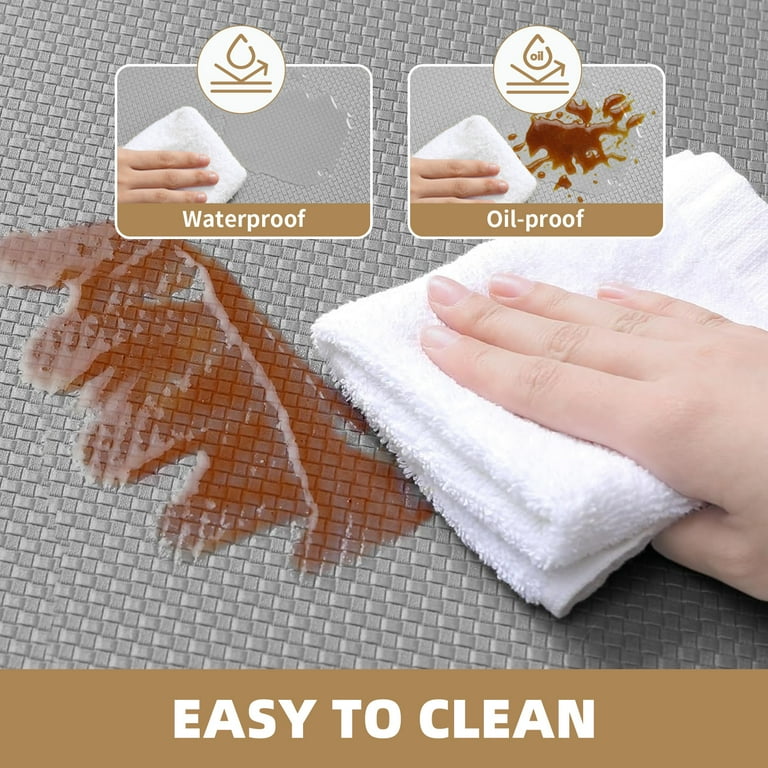
If you spend a lot of time standing in your kitchen, you know how important an anti fatigue mat can be. It helps reduce tiredness and discomfort, making your cooking and cleaning easier.
But what happens when your mat gets dirty or stained? You might worry about ruining it or wonder how to clean it properly. This guide will show you simple, effective ways to keep your anti fatigue kitchen mat fresh and long-lasting.
Keep reading to discover easy tips that save you time and protect your mat, so you can enjoy a comfortable kitchen every day.
Credit: www.amazon.com
Benefits Of Cleaning Anti Fatigue Mats
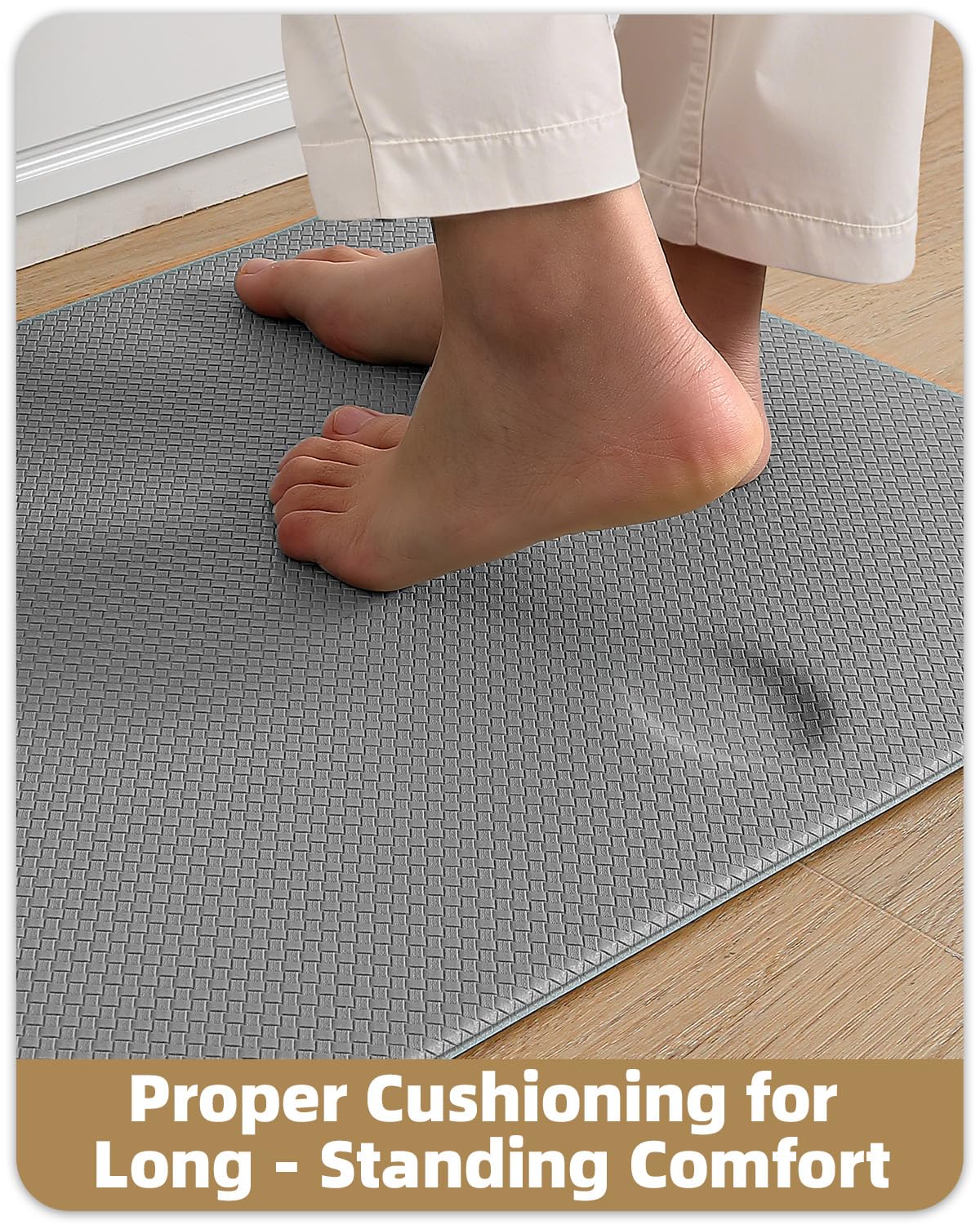
Cleaning your anti fatigue kitchen mat regularly offers more than just a neat appearance. It actively contributes to a healthier and more comfortable kitchen environment. Understanding these benefits can motivate you to keep your mat in top shape.
Maintaining Hygiene
Your kitchen mat can trap food crumbs, grease, and bacteria throughout the day. Cleaning it removes these hidden contaminants that could affect your health. If you’ve ever noticed a strange odor from your mat, that’s a clear sign it needs a wash.
Regular cleaning prevents mold and mildew growth, which thrive in damp, dirty mats. You protect yourself and your family from potential allergic reactions or infections by keeping the mat sanitary.
Extending Mat Lifespan
Dirt and debris can break down the material of your anti fatigue mat over time. By removing particles that cause wear and tear, you help your mat last longer and save money on replacements. I've seen mats that lasted years simply because they were cleaned and cared for properly.
Neglecting cleaning often leads to cracks or stiffness in the mat, reducing its effectiveness. A clean mat stays flexible and durable, offering you better value for your investment.
Enhancing Comfort
Your mat’s cushioning works best when it’s free from buildup. Dirt and grime can make the surface hard and less supportive, which defeats the whole purpose of an anti fatigue mat. Have you noticed your mat feeling less comfortable? That might mean it’s time to clean it.
Freshly cleaned mats provide better shock absorption, reducing fatigue in your feet, legs, and back. This simple habit can make standing during meal prep or dishwashing much easier on your body.
Tools And Supplies Needed
Cleaning an anti-fatigue kitchen mat requires the right tools and supplies. Using proper items makes the process easier and protects the mat’s material. Gather these essentials before starting to keep your mat fresh and durable.
Cleaning Solutions
- Mild dish soap: gentle and effective for daily cleaning
- White vinegar: natural disinfectant and deodorizer
- Baking soda: great for removing odors and stains
- Warm water: helps dissolve dirt and soap
- Specialized mat cleaners: designed for anti-fatigue mats (optional)
Brushes And Cloths
- Soft-bristle brush: cleans without damaging the surface
- Microfiber cloth: absorbs moisture and dust efficiently
- Sponge: useful for applying cleaning solutions
- Old towels: handy for drying the mat
Protective Gear
- Rubber gloves: protect your hands from cleaning agents
- Apron: keeps clothes clean during scrubbing
- Face mask: prevents inhaling strong smells from cleaning solutions
Preparing The Mat For Cleaning
Clear the mat of loose dirt and crumbs by shaking or vacuuming it gently. Place the mat on a flat surface for easy cleaning. Check the care label for any specific instructions before starting.
Preparing your anti-fatigue kitchen mat for cleaning is an essential step to ensure its longevity and maintain hygiene. This preparation phase involves a few straightforward yet crucial tasks that can make the cleaning process more effective. By dedicating a little time to prepare, you can save yourself from potential hassles later.
Removing Loose Dirt
Start by shaking the mat outside to remove any loose dirt or crumbs. If you don't have an outdoor space, gently vacuum it using the brush attachment. Make sure to cover both sides thoroughly, as dirt can easily become embedded in the textured surfaces.
Checking Manufacturer Instructions
Before diving into cleaning, it's important to check the manufacturer's instructions. These guidelines often provide specific cleaning tips tailored to the material of your mat. Ignoring these instructions could lead to damage, so it's worth taking a moment to review them. Have you ever found yourself rushing through this step only to regret it later? Taking a few minutes now can save a lot of time and money in the future. Remember, each mat is unique, just like your cleaning habits. Personalizing your approach based on the mat's material and the manufacturer's advice makes all the difference.
Step-by-step Cleaning Process
Cleaning an anti fatigue kitchen mat keeps it fresh and extends its life. Follow these simple steps to remove dirt and stains effectively. Each step targets a different cleaning need to maintain your mat’s comfort and hygiene.
Spot Cleaning Stains
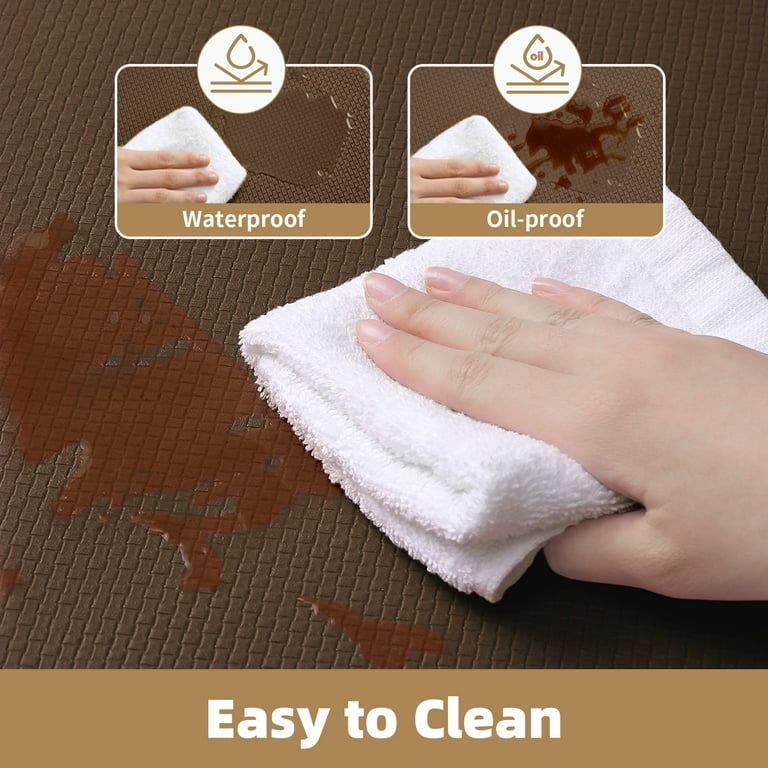
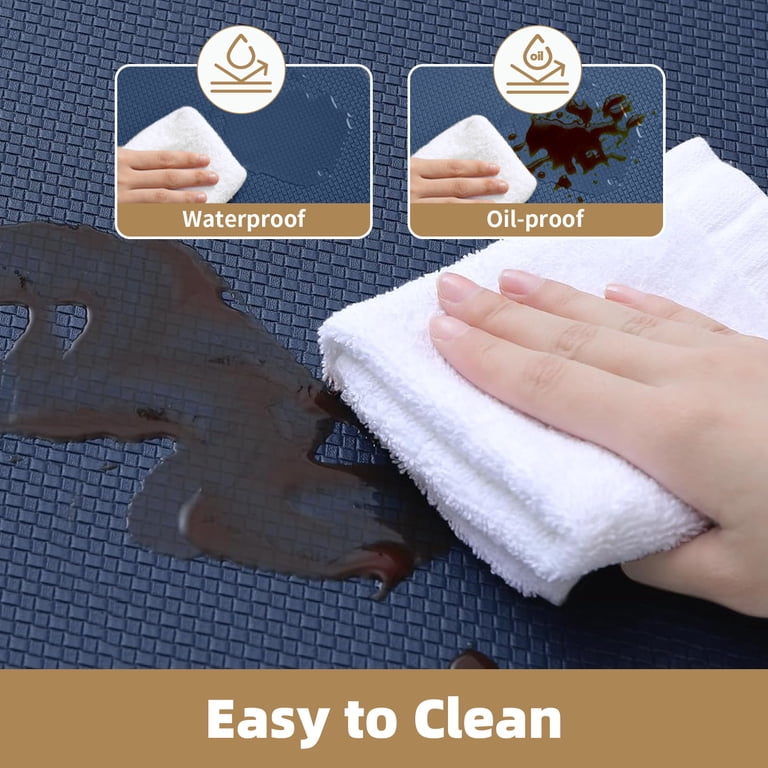
Identify any stains or spills on the mat’s surface. Use a damp cloth with mild soap to gently blot the stain. Avoid rubbing hard to prevent damage. Rinse the cloth and blot the area again to remove soap residue. Let the spot air dry completely before using the mat again.
Deep Cleaning Techniques
Prepare a solution of warm water and mild detergent in a bucket. Submerge a soft brush or sponge in the solution. Scrub the entire mat surface in circular motions. Focus on areas with built-up dirt or grime. Avoid soaking the mat too long to protect the material. For stubborn stains, use a mixture of baking soda and water as a gentle abrasive.
Rinsing And Drying
Rinse the mat thoroughly with clean water to remove soap and dirt. Use a hose or shower spray for even rinsing. Shake off excess water and lay the mat flat in a well-ventilated area. Avoid direct sunlight to prevent fading or warping. Allow the mat to dry completely before placing it back in the kitchen.
Tips For Regular Maintenance
Keeping your anti fatigue kitchen mat clean and well-maintained is key to prolonging its life and ensuring it continues to provide comfort. Regular upkeep doesn’t have to be time-consuming or complicated. With the right habits and care, your mat can stay fresh and effective for years.
Daily Care Habits
Start by wiping down your mat each day with a damp cloth to remove crumbs and spills. This simple act prevents dirt from settling deep into the material. You might be surprised how much cleaner your kitchen feels with just a few minutes of daily attention.
Consider placing a small brush nearby to quickly sweep off any debris. Doing this regularly keeps grime from building up and makes your weekly deep clean easier. Have you noticed how small daily tasks can save you from bigger chores later?
Avoiding Damage
Protect your mat by keeping sharp objects and heavy pots off its surface. Dropping knives or dragging heavy cookware can cause cuts or dents that reduce cushioning. Think about your mat as a delicate surface that deserves gentle treatment.
Also, avoid using harsh chemicals or abrasive cleaners. These can break down the mat’s material and shorten its lifespan. Instead, opt for mild soap and water—your mat will thank you for the gentle care.
Storage Suggestions
If you need to store your mat, roll it loosely rather than folding to prevent creases. Store it in a cool, dry place away from direct sunlight to avoid warping or fading. Do you have a designated spot in your kitchen or pantry that stays tidy and perfect for storage?
Keep the mat away from extreme temperatures and moisture during storage. This helps maintain its shape and prevents mold or mildew growth. Proper storage is a small step that makes a big difference when you bring your mat back into use.
Credit: www.walmart.com
Common Mistakes To Avoid
Cleaning your anti fatigue kitchen mat might seem straightforward, but certain mistakes can reduce its lifespan and effectiveness. Avoiding common errors helps keep the mat in top shape and ensures it continues to provide comfort in your kitchen. Let’s look at some pitfalls you should steer clear of while cleaning.
Using Harsh Chemicals
Many people reach for strong cleaners hoping to remove tough stains quickly. However, harsh chemicals can break down the mat’s surface, causing it to wear out faster. Instead, opt for mild soap or a gentle detergent to protect the mat’s material.
Think about how your skin reacts to strong products—your mat deserves the same gentle care. Have you ever noticed a mat becoming sticky or discolored after using a cleaner that was too strong? That’s a clear sign to switch to something milder.
Excessive Water Use
It’s tempting to hose down your mat or soak it completely, but excessive water can damage the cushioning inside. Too much moisture may cause mold or mildew to develop, leading to unpleasant odors and health risks. Wiping the mat with a damp cloth is usually enough for regular cleaning.
If you feel the mat needs a deeper clean, try spot-cleaning and drying it thoroughly afterward. Have you experienced a musty smell after leaving your mat wet? That’s a common consequence of using too much water.
Ignoring Manufacturer Guidelines
Every mat is different, so following the instructions provided by the manufacturer is crucial. Ignoring these guidelines can void warranties and result in improper cleaning methods that damage the mat. Check the label or packaging before applying any cleaning technique.
For instance, some mats are machine washable, while others must be hand-cleaned only. Have you ever tossed a mat in the washer only to find it shrunk or lost its cushioning? That’s why reading and respecting those instructions matters.
Credit: www.walmart.com
Frequently Asked Questions
How Often Should I Clean An Anti Fatigue Kitchen Mat?
Clean your anti fatigue kitchen mat weekly to prevent dirt buildup. Regular cleaning maintains its cushioning and hygiene. Wipe spills immediately to avoid stains. Deep clean monthly with mild soap and water for best results.
What Is The Best Way To Clean Anti Fatigue Mats?
Use a soft cloth or sponge with mild soap and warm water. Avoid harsh chemicals or abrasive scrubbers to protect the mat’s surface. Rinse thoroughly and air dry completely before reuse to maintain durability.
Can I Machine Wash My Anti Fatigue Kitchen Mat?
Most anti fatigue mats are not machine washable. Check manufacturer instructions first. Machine washing can damage foam and backing. Hand cleaning with mild detergent is safer to preserve mat quality and comfort.
How Do I Remove Tough Stains From Kitchen Mats?
Apply a mixture of baking soda and water to stains. Let it sit for 10 minutes, then gently scrub with a soft brush. Rinse with clean water and air dry. Avoid bleach or harsh chemicals as they may degrade the mat.
Conclusion
Cleaning your anti fatigue kitchen mat keeps it fresh and safe. Regular care stops dirt and bacteria from building up. Use gentle cleaning methods to protect the mat’s material. Dry it well before placing it back on the floor. A clean mat helps you stay comfortable while cooking.
Small efforts make a big difference over time. Keep your kitchen space healthy and neat with simple steps. Caring for your mat is easy and worth it.