
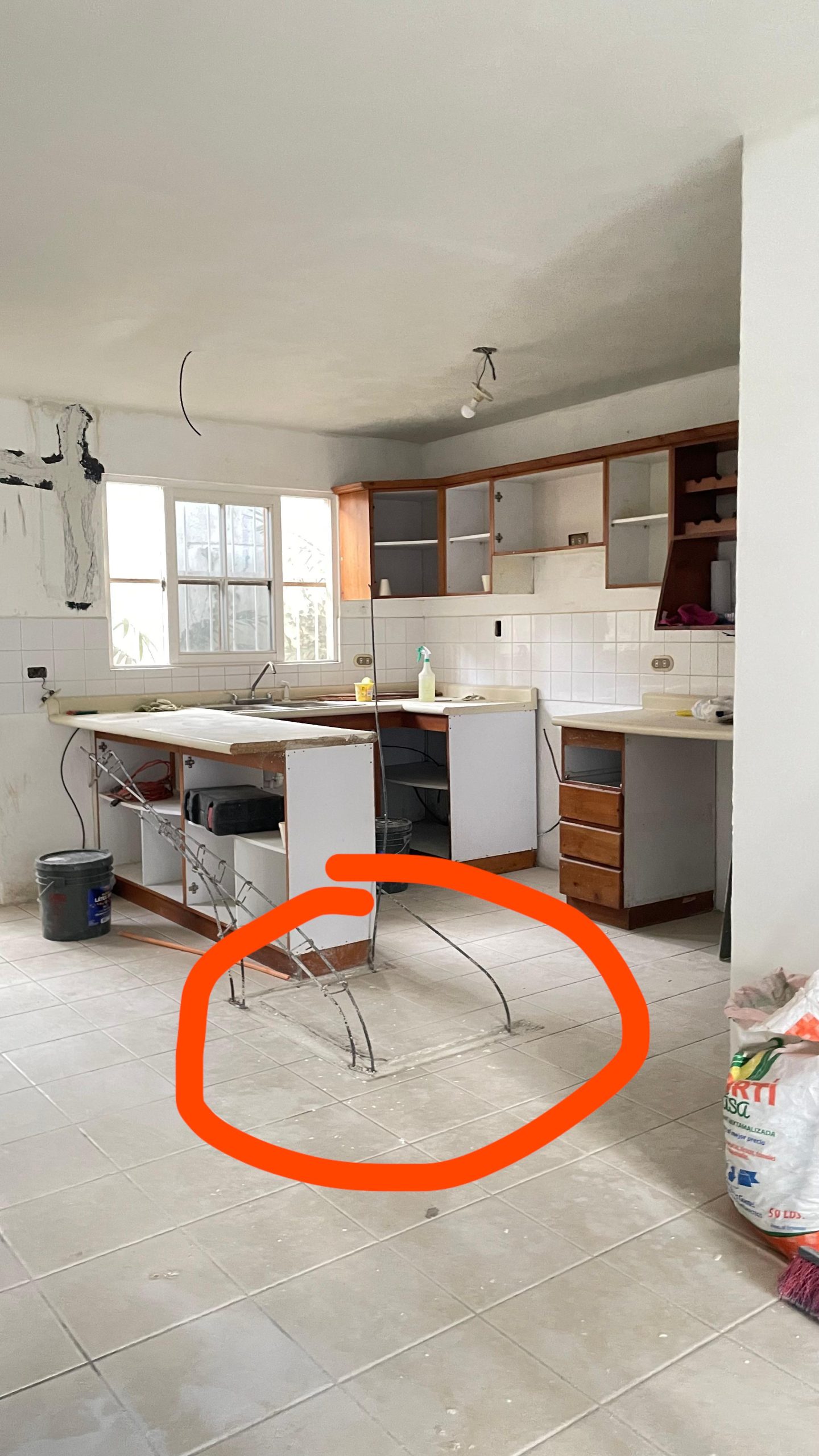
Are you tired of looking at those old, worn-out tiles in your kitchen? You don’t have to live with them or spend a fortune on a full renovation.
Imagine giving your kitchen a fresh, modern look without the mess and hassle of ripping out tiles. You’ll discover simple, effective ways to cover your old kitchen tiles and transform your space quickly. Whether you want a sleek, stylish update or something cozy and charming, these tips will help you get there with ease.
Keep reading to find out how you can refresh your kitchen and love the heart of your home again.
Assessing Your Kitchen Tiles
Before you jump into covering your old kitchen tiles, it's crucial to take a close look at what you’re working with. Assessing your kitchen tiles helps you choose the best approach and avoid surprises down the road. This step saves time, money, and frustration, making the whole process smoother.
Checking Tile Condition
Start by inspecting your tiles carefully. Are there any cracks, chips, or loose pieces? Damaged tiles can affect how well your new covering sticks and lasts.
Look for signs of water damage or mold, especially near sinks or appliances. These issues need fixing before you cover the tiles, or they could cause bigger problems later.
Think about how the surface feels. Is it smooth or uneven? A rough or uneven surface might need extra prep work.
Measuring The Area
Measure your tiled area precisely. Use a tape measure to note the length and width of the walls or backsplash you want to cover.
Write down the measurements carefully and double-check them. Accurate measurements help you buy the right amount of materials and reduce waste.
Remember to consider corners, edges, and any cutouts like electrical outlets. These details affect how you plan your covering.
Choosing The Right Covering Method
Not every covering method suits every tile. Your tile condition and kitchen style should guide your choice.
Options include peel-and-stick tiles, tile paint, paneling, or even new tiles over the old ones. Each has its pros and cons depending on your skill level and budget.
Ask yourself: Do you want a quick fix or a long-lasting change? Are you comfortable with DIY projects, or will you hire a professional? Your answers will point you to the right method.

Credit: www.reddit.com
Tile Paint Solutions
Tile paint solutions offer a fresh and budget-friendly way to transform your old kitchen tiles without the mess of full replacement. Choosing the right paint and applying it correctly can make your tiles look brand new and withstand kitchen wear and tear. Let’s dive into the key aspects you need to know to get a lasting finish.
Types Of Tile Paint
Not all tile paints are made equal. You’ll find options like epoxy paint, latex paint, and specialty tile paint in the market. Epoxy paint is a popular choice because it creates a hard, durable surface that resists heat and moisture—perfect for kitchen tiles.
Latex paint is easier to apply and clean up but may require a protective sealant afterward to improve durability. Specialty tile paints are designed specifically for glossy surfaces and often include primers and sealers in one package. Which type fits your kitchen depends on your tile material and how much traffic the area gets.
Preparation And Priming
Preparation is the backbone of any successful tile painting project. Start by cleaning the tiles thoroughly—remove grease, dirt, and any grime that could prevent paint from sticking. Use a degreaser or a mix of warm water and vinegar to tackle stubborn spots.
After cleaning, sanding the tiles lightly creates a rough surface for better paint adhesion. Don’t skip this step even if your tiles feel smooth. Next, apply a high-quality primer designed for glossy surfaces. This step seals the tile and prevents peeling, ensuring your paint job lasts longer.
Painting Techniques For Durability
Applying tile paint isn’t just about slapping color on the surface. Use a high-density foam roller or a brush with synthetic bristles for smooth, even coats. Thin coats work better than thick ones; they dry faster and reduce drips.
Allow each coat to dry fully before adding the next. Two or three coats usually provide the best coverage and durability. Finally, consider applying a clear polyurethane sealer to protect the paint from scratches and moisture. Have you tried painting tiles before? What challenges did you face in keeping the finish intact?
Peel-and-stick Tiles
Peel-and-stick tiles offer a quick way to cover old kitchen tiles without mess or tools. Simply clean the surface, peel the backing, and press tiles firmly in place for an instant update. This easy option saves time and effort while refreshing your kitchen’s look.
Peel-and-stick tiles offer a quick and easy way to refresh your kitchen. They are a practical choice to cover old tiles. These tiles are self-adhesive. You simply peel off the backing and stick them onto the surface.
Benefits Of Peel-and-stick
Peel-and-stick tiles save time and effort. There's no need for messy grout or mortar. They come in many designs, matching any style or preference. This makes them a versatile option for any kitchen. Durable and moisture-resistant, they are ideal for kitchen environments.
Surface Preparation Tips
Proper surface preparation ensures the best results. Start by cleaning the old tiles thoroughly. Remove grease, dirt, and any residue. Ensure the surface is dry before applying the tiles. Check for any loose tiles or gaps. Repair these issues before starting the installation. A smooth, even surface helps the tiles adhere better.
Installation Steps
Begin by measuring the area you plan to cover. Cut the tiles to fit the space as needed. Peel off the backing from the tile, starting from one corner. Align the tile carefully before sticking it to the surface. Press firmly to ensure a strong bond. Continue with the next tile, aligning edges for a seamless look. Use a roller to secure the tiles and remove air bubbles.
Tile Overlays And Panels
Tile overlays and panels offer a smart way to transform your kitchen without the hassle of removing old tiles. They sit right over the existing surface, giving your kitchen a fresh, updated look in less time. This approach saves you from dust, debris, and the mess that usually comes with tile removal.
Materials To Consider
You have several choices when it comes to materials for tile overlays and panels. Acrylic and PVC panels are popular because they’re lightweight, waterproof, and easy to clean. If you want something more durable, consider aluminum or stainless steel panels; they add a modern, sleek look.
Another option is laminate panels, which mimic the appearance of natural stone or wood. These come in various designs and are budget-friendly. Think about the style of your kitchen and how much wear the surface will take before picking the material.
Installation Process
Installing tile overlays or panels is straightforward but requires careful preparation. Start by thoroughly cleaning the old tile surface to remove grease and dirt. This step ensures the adhesive sticks well and prevents bubbles or peeling later.
Next, measure your walls or backsplash area accurately and cut the panels to fit. Use a strong adhesive designed for kitchen use, then press the panels firmly onto the old tiles. Some panels come with interlocking edges or clips, making installation even easier.
Would you prefer to tackle this yourself, or hire a professional? The right choice depends on your confidence with DIY projects and the size of the area.
Maintenance And Longevity
One of the best things about tile overlays and panels is how easy they are to maintain. Most materials only need a wipe-down with mild soap and water to stay looking fresh. Avoid abrasive cleaners to keep the surface smooth and scratch-free.
How long your new surface lasts depends on the material and installation quality. Properly installed panels can last 10 years or more without issues. If you notice any lifting or damage, fixing it early prevents bigger problems.
Are you ready to refresh your kitchen with minimal fuss? Tile overlays and panels might just be the practical solution you’ve been looking for.
Creative Tile Cover Ideas
Creative tile cover ideas can transform your kitchen without major renovations. They offer quick, affordable, and stylish solutions to refresh old tiles. These methods allow you to express personality and improve the kitchen's look with minimal effort.
Using Decorative Stickers
Decorative stickers are an easy way to cover old tiles. They come in many designs and colors. Stickers are waterproof and simple to apply. They stick directly onto the tile surface.
You can choose floral, geometric, or vintage patterns. These stickers peel off without damage, ideal for renters. Change your kitchen style in minutes with this method.
Applying Stencils And Patterns
Stencils create custom patterns on your tiles. Use stencil kits designed for walls or tiles. Paint over the stencil to add shapes or designs.
This technique allows creativity and uniqueness. Choose contrasting colors to make patterns stand out. Stenciling requires patience but yields a professional look.
Adding Texture With Fabric Or Wallpaper
Fabric or wallpaper adds texture and warmth to tile surfaces. Use adhesive fabric or wallpaper with strong glue. Seal it with a waterproof clear coat for durability.
Patterns like stripes, florals, or solids can enhance your kitchen vibe. This method hides imperfections and adds softness to the space.

Credit: casacor.abril.com.br
Tools And Materials Needed
Covering old tiles in your kitchen can be a game-changer for your space, but having the right tools and materials is crucial to get a smooth and lasting finish. Choosing the correct supplies not only saves time but also helps avoid costly mistakes. Let’s look at what you need to gather before starting your project.
Essential Tools List
- Measuring Tape:Accurate measurements keep your work precise and prevent material waste.
- Tile Adhesive or Primer:Depending on the covering method, you’ll need a strong bonding agent.
- Putty Knife or Scraper:Useful for cleaning the tile surface and applying filler or adhesive.
- Sandpaper or Sander:To roughen glossy tiles for better adhesion.
- Paint Roller or Brush:Essential if you plan to paint over the tiles or apply primer.
- Tile Overlays or Panels:These provide a fresh look without removing old tiles.
- Safety Gear:Gloves and goggles protect you during sanding and scraping.
Missing one of these can slow your progress. Have you ever started a project only to realize you lack a key tool? Avoid that hassle by preparing your toolkit fully.
Where To Buy Materials
Local hardware stores are great for immediate needs and allow you to see materials firsthand. Big chains often offer a wider selection, including specialty tile covers and adhesives.
Online retailers can be useful for comparing prices and reading reviews from other DIYers. Some websites also provide detailed guides and videos, which can be a huge help if you’re new to tile covering.
Don’t overlook second-hand or surplus stores for leftover materials at lower prices. Sometimes, a quick call to local contractors can lead to discounted supplies that still have plenty of life left.
Budgeting Your Project
Start by listing every item you need, from tools to materials. This helps avoid surprise expenses halfway through the job.
Think about what you already own and what you can borrow. For example, a sander can often be rented, saving you from buying an expensive tool you’ll use once.
Have you considered the cost of mistakes? Buying a bit more material than needed allows for testing and fixes without extra trips to the store.
Setting a clear budget upfront keeps your project on track and reduces stress. How much are you willing to invest in transforming your kitchen’s look?
Common Mistakes To Avoid
Covering old tiles in the kitchen can refresh the space without a full renovation. Avoid mistakes that cause poor results or damage. Many problems start with simple errors. Knowing common pitfalls helps ensure a smooth, lasting finish.
Skipping Surface Prep
Cleaning and prepping the tile surface is essential. Dirt, grease, and old grout stop new materials from sticking well. Tiles must be washed, dried, and sometimes sanded or roughened. Skipping this step leads to peeling or uneven coverage. Take time to prepare the surface fully.
Using Wrong Adhesives
Choosing the correct adhesive is key for durability. Not all glues work on tiles or kitchen conditions. Some adhesives fail with moisture or heat in kitchens. Use products designed for tile covering and kitchen use. The wrong glue causes tiles to lift or crack quickly.
Ignoring Drying Times
Patience matters with drying and curing times. Rushing to use the kitchen or apply more layers too soon causes damage. Adhesives and coatings need full time to set. Follow manufacturer instructions carefully. Ignoring drying times leads to weak bonds and wasted effort.
Maintaining Your New Kitchen Look
Keeping your kitchen looking fresh after covering old tiles requires some attention and care. You want your new surface to stay attractive and durable over time. Simple habits and timely fixes can make a big difference in maintaining that fresh, updated look.
Cleaning Tips
Regular cleaning is key to preserving the look of your new kitchen surface. Use a soft cloth or sponge with mild soap and warm water to avoid scratching or damaging the covering.
Avoid harsh chemicals and abrasive scrubbers that can wear down the finish. Instead, try wiping spills immediately to prevent stains from setting in.
Have you noticed how quickly dirt accumulates around the edges? Focus on corners and grout lines to keep the whole area spotless.
Repairing Minor Damage
Small scratches or chips can happen even with the best coverings. Address these early to stop them from worsening. Many tile covers come with repair kits—usually including filler or touch-up paint.
Apply the repair material gently, and let it dry thoroughly before using the surface again. This little effort can extend the life of your kitchen’s new look by months or even years.
What’s the last thing you fixed in your kitchen? Tackling minor damage quickly saves you from bigger headaches later.
When To Refresh The Covering
Over time, the covering might lose its shine or develop wear spots. Knowing when to refresh it depends on usage and the material quality.
If cleaning and minor repairs no longer bring back the original look, it might be time for a new layer or replacement. This keeps your kitchen vibrant and inviting without a full renovation.
Think about your kitchen habits: do you cook often with heavy pots or acidic ingredients that can accelerate wear? Adjust your maintenance schedule accordingly to keep your kitchen looking its best.

Credit: www.create-enjoy.com
Frequently Asked Questions
How Can I Cover Old Kitchen Tiles Without Removing Them?
You can cover old kitchen tiles using peel-and-stick vinyl, tile paint, or adhesive panels. These options save time and cost. They also provide a fresh look without the mess of tile removal.
What Materials Work Best To Cover Old Kitchen Tiles?
Peel-and-stick vinyl tiles, tile paint kits, and decorative panels work well. These materials are easy to apply, durable, and budget-friendly for kitchen tile covering projects.
Is It Possible To Paint Over Old Kitchen Tiles?
Yes, painting old kitchen tiles is possible with proper preparation. Clean tiles thoroughly, sand lightly, and use a tile-specific primer and paint for best results.
How Long Does It Take To Cover Old Kitchen Tiles?
Covering old kitchen tiles can take from a few hours to a couple of days. Time depends on the method chosen and drying times of materials used.
Conclusion
Covering old kitchen tiles can refresh your space quickly and affordably. Choose a method that fits your style and budget. Proper preparation ensures the new surface lasts longer. Small changes make a big difference in your kitchen’s look. Enjoy a fresh, clean kitchen without the mess of tearing tiles out.
Start your project today and see your kitchen transform step by step. Simple updates bring new life to old tiles and your home.