
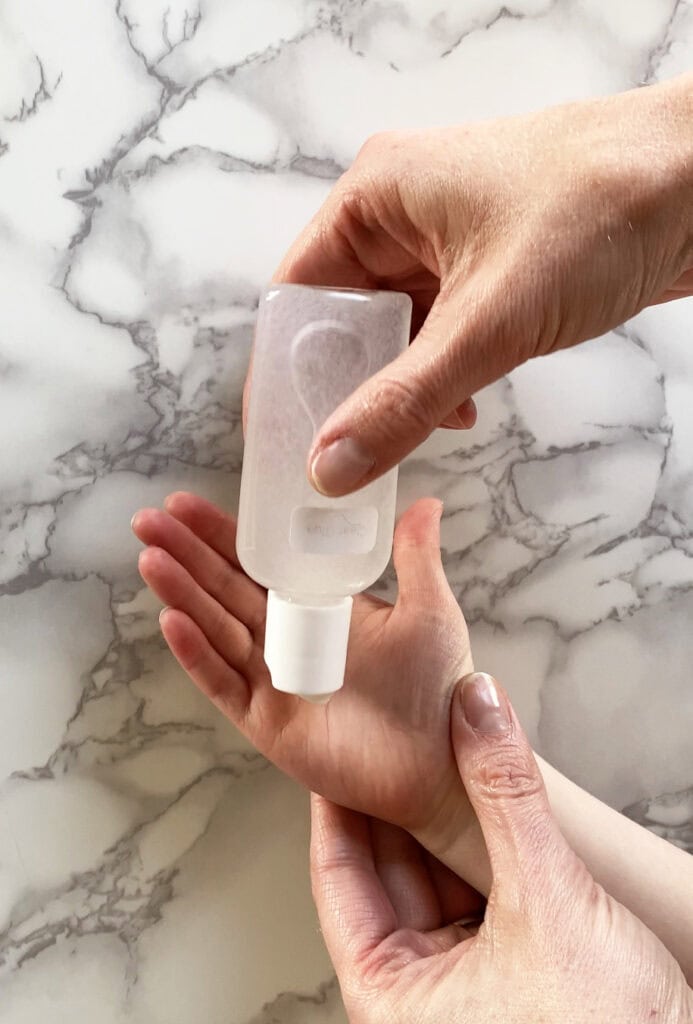
Keeping your kitchen clean and safe is something you care about deeply. But did you know that making your own kitchen sanitizer can be simple, effective, and affordable?
Imagine having a powerful cleaner right at your fingertips that kills germs without harsh chemicals. You’ll discover easy steps to create a sanitizer that protects your family and keeps your kitchen sparkling. Ready to take control of your kitchen’s cleanliness?
Let’s dive in and make your space safer today.
Choosing Ingredients
Choosing the right ingredients is the foundation of an effective kitchen sanitizer. Each component plays a specific role in killing germs, ensuring safety, and sometimes adding a fresh scent. Knowing what to pick can save you time and guarantee that your homemade sanitizer works as well as the store-bought ones.
Essential Oils For Antimicrobial Properties
Essential oils do more than just make your sanitizer smell good. Many, like tea tree, eucalyptus, and lavender, have natural antimicrobial qualities. Adding a few drops can boost your sanitizer’s ability to fight bacteria and viruses.
Have you ever noticed how a whiff of certain oils makes you feel cleaner? That’s not just in your head—these oils can actually enhance the sanitizer’s effectiveness while leaving a pleasant aroma behind. Just remember, some oils can irritate sensitive skin, so test small amounts first.
Alcohol Types And Concentrations
Alcohol is the main germ-killer in most sanitizers. You want to choose between isopropyl alcohol and ethanol, both effective but slightly different in feel and safety. The concentration is key—ideally between 60% and 70%—to ensure it kills most germs without drying your skin out excessively.
Using too low a concentration won’t work well, and too high might evaporate too quickly, missing some germs. If you have rubbing alcohol at home, check the label; many brands offer 70% strength, which is perfect for sanitizer use.
Natural Alternatives And Additives
If you prefer avoiding strong chemicals, some natural ingredients can support your sanitizer’s power. Aloe vera is a popular addition because it soothes your hands and prevents dryness caused by alcohol. Vinegar and hydrogen peroxide also have cleaning properties but are better used in specific recipes to avoid skin irritation.
Think about what you want your sanitizer to do beyond killing germs. Do you want it moisturizing? Or maybe with a refreshing scent? Choosing natural additives gives you control over those extra benefits while keeping it safe and effective.
Preparing Your Workspace
Preparing your workspace is vital before making kitchen sanitizer. A clean and safe area prevents contamination. It helps keep the sanitizer pure and effective. Organizing the workspace creates a smooth process. Follow these key steps to prepare properly.
Cleaning And Sterilizing Tools
Start by cleaning all tools with hot soapy water. Use a scrub brush to remove dirt and grease. Rinse tools thoroughly with clean water. Next, sterilize tools to kill germs. Boil metal utensils for 10 minutes or use alcohol wipes for plastic items. Let everything dry on a clean towel. Use only dry tools to avoid diluting the sanitizer.
Ensuring Safe Environment
Clear the workspace of unnecessary items. Wipe down surfaces with disinfectant or bleach solution. Open windows for fresh air and good ventilation. Avoid distractions and keep children away. Wear gloves and protective clothing if possible. Check for any spills or hazards that may cause accidents. A safe environment helps keep the process smooth and secure.
Step-by-step Making Process
Making your own kitchen sanitizer is simpler than you might think. The key lies in following a clear process that ensures safety and effectiveness. Let’s break down the essential steps to help you create a reliable sanitizer right at home.
Measuring Ingredients Accurately
Accuracy matters when mixing ingredients for sanitizer. Using too much or too little of any component can affect its strength and safety. Always use measuring spoons or cups designed for liquid and dry ingredients to get precise amounts.
For example, if your recipe calls for 70% isopropyl alcohol, measure it exactly to maintain the right disinfecting power. Have you ever guessed measurements and ended up with a solution that didn’t work well? Avoid that by measuring carefully every time.
Mixing Techniques
Mix your ingredients in a clean container to prevent contamination. Stir gently but thoroughly to blend everything evenly. Avoid shaking vigorously, as it can cause bubbles and reduce the sanitizer’s effectiveness.
Using a glass or food-grade plastic container helps maintain purity. Have you noticed how a well-mixed sanitizer feels smoother on your hands? That’s the result of proper mixing—don’t skip this step.
Proper Storage Methods
Store your kitchen sanitizer in a labeled, airtight container away from heat and sunlight. This preserves its potency and prevents evaporation of key ingredients. A dark-colored bottle works best to protect the sanitizer from light damage.
Keep your sanitizer out of reach of children and pets to avoid accidental ingestion. Think about how often you use your sanitizer—storing it correctly means it stays ready and effective whenever you need it.
Credit: www.lysol.com
Using Kitchen Sanitizer Safely
Using kitchen sanitizer safely is crucial for a healthy home. Proper use prevents harmful bacteria spread. It also ensures your kitchen stays clean and safe. Follow these guidelines to use your sanitizer effectively. Protect your surfaces and your family.
Application Tips
Use the right amount of sanitizer for the surface. A small amount often suffices. Spread it evenly for complete coverage. Allow it to sit for a few minutes. This ensures it kills germs effectively. Afterward, wipe with a clean cloth. This removes any residue.
Surface Compatibility
Not all surfaces react well to sanitizers. Test a small area first. This avoids damage to your surfaces. Use sanitizers designed for kitchen use. They are safe for most materials. Avoid using on porous surfaces unless specified.
Avoiding Common Mistakes
Never mix different sanitizers. It can cause harmful reactions. Store them in original containers. This avoids confusion. Keep them away from children and pets. Always read the label instructions. They provide important safety information.
Testing Effectiveness
Testing the effectiveness of your homemade kitchen sanitizer is vital. It ensures the solution kills germs and keeps your surfaces safe. Without proper testing, you cannot trust the sanitizer to do its job well.
Simple Home Tests
Check the sanitizer by observing its reaction on a clean surface. Spray a small area and let it sit for a few minutes. Wipe the surface with a clean cloth to see if it removes dirt and grime easily.
You can also test the smell. A strong, fresh scent often signals active ingredients. Avoid any strange or foul odors, which may indicate poor quality or expired components.
Try a paper test to check for alcohol content. Soak a piece of paper with the sanitizer and light it briefly. If it burns quickly, the alcohol concentration is likely sufficient to kill germs.
Signs Of Potency
- Clear and consistent liquid without separation or particles
- Strong smell of alcohol or essential oils used in the recipe
- Quick drying time on surfaces without leaving sticky residue
- Effective removal of visible dirt and grime with one wipe
- No discoloration or damage to kitchen surfaces after use
These signs show the sanitizer is active and safe to use. Regular testing helps maintain its quality over time.

Credit: creativefashionblog.com
Benefits Of Diy Sanitizer
Making your own kitchen sanitizer offers more than just cleanliness. It gives you control over what goes into your home and your wallet. There’s a lot to gain beyond just having a product ready at hand.
Cost Savings
Buying sanitizer regularly can add up fast, especially if you prefer high-quality brands. By making your own, you save money on packaging and brand premiums. A few basic ingredients bought in bulk can last for months, cutting your expenses significantly.
Think about the last time you stocked up on sanitizers—how much did you spend? Imagine redirecting that money to other kitchen essentials instead.
Environmental Impact
DIY sanitizer reduces plastic waste since you can reuse the same container multiple times. It also cuts down on the carbon footprint associated with shipping and packaging commercial products. Choosing natural ingredients minimizes harmful chemicals released into the environment.
Have you noticed how many sanitizer bottles pile up in your trash? Making your own means fewer bottles thrown away, which benefits the planet you live on every day.
Customizable Scents And Strength
You control the scent and strength of your sanitizer with DIY recipes. Prefer a fresh lemon aroma or calming lavender? You can add essential oils to suit your taste. Need a stronger formula for tougher germs? Adjust the alcohol concentration easily.
Customizing your sanitizer turns a routine task into a personal experience. How often do you get to tailor a cleaning product exactly to your preferences?

Credit: wgme.com
Frequently Asked Questions
What Ingredients Are Needed To Make Kitchen Sanitizer?
You need isopropyl alcohol, water, and essential oils. Mixing these in proper ratios creates an effective kitchen sanitizer. Alcohol kills germs, water dilutes, and oils add a pleasant scent.
How To Safely Prepare Homemade Kitchen Sanitizer?
Use clean containers and measure ingredients carefully. Mix alcohol with water first, then add essential oils. Store sanitizer in a labeled spray bottle away from heat and children.
Can Kitchen Sanitizer Replace Regular Cleaning?
Sanitizer kills germs but doesn’t remove dirt. Clean surfaces with soap and water first. Then apply sanitizer for effective disinfection and a hygienic kitchen environment.
How Often Should I Use Kitchen Sanitizer?
Use sanitizer after handling raw food or spills. Regular use helps reduce bacteria and prevents cross-contamination. Avoid overuse to maintain a safe kitchen balance.
Conclusion
Making your own kitchen sanitizer is simple and safe. You only need a few common ingredients. This helps keep your kitchen clean and healthy. Using homemade sanitizer saves money and reduces chemicals. Regular cleaning stops germs from spreading. Try this easy recipe today for a fresh kitchen.
Stay safe and protect your family with clean surfaces. Simple steps can make a big difference in hygiene.