
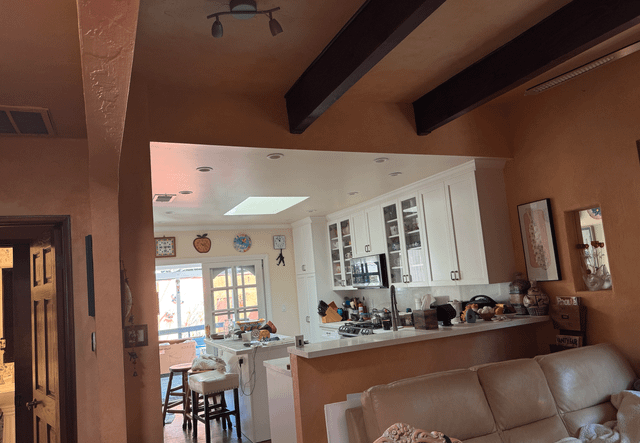
Have you ever wondered where the best place is to install a smoke detector in your home, especially near the kitchen? Placing it too close can lead to annoying false alarms, while putting it too far might delay warning you in a real emergency.
Finding the perfect spot is crucial to keep you and your loved ones safe without constant disruptions. You’ll discover exactly how far a smoke detector should be from your kitchen to strike the right balance between safety and convenience. Keep reading to protect your home smarter and easier than ever before.
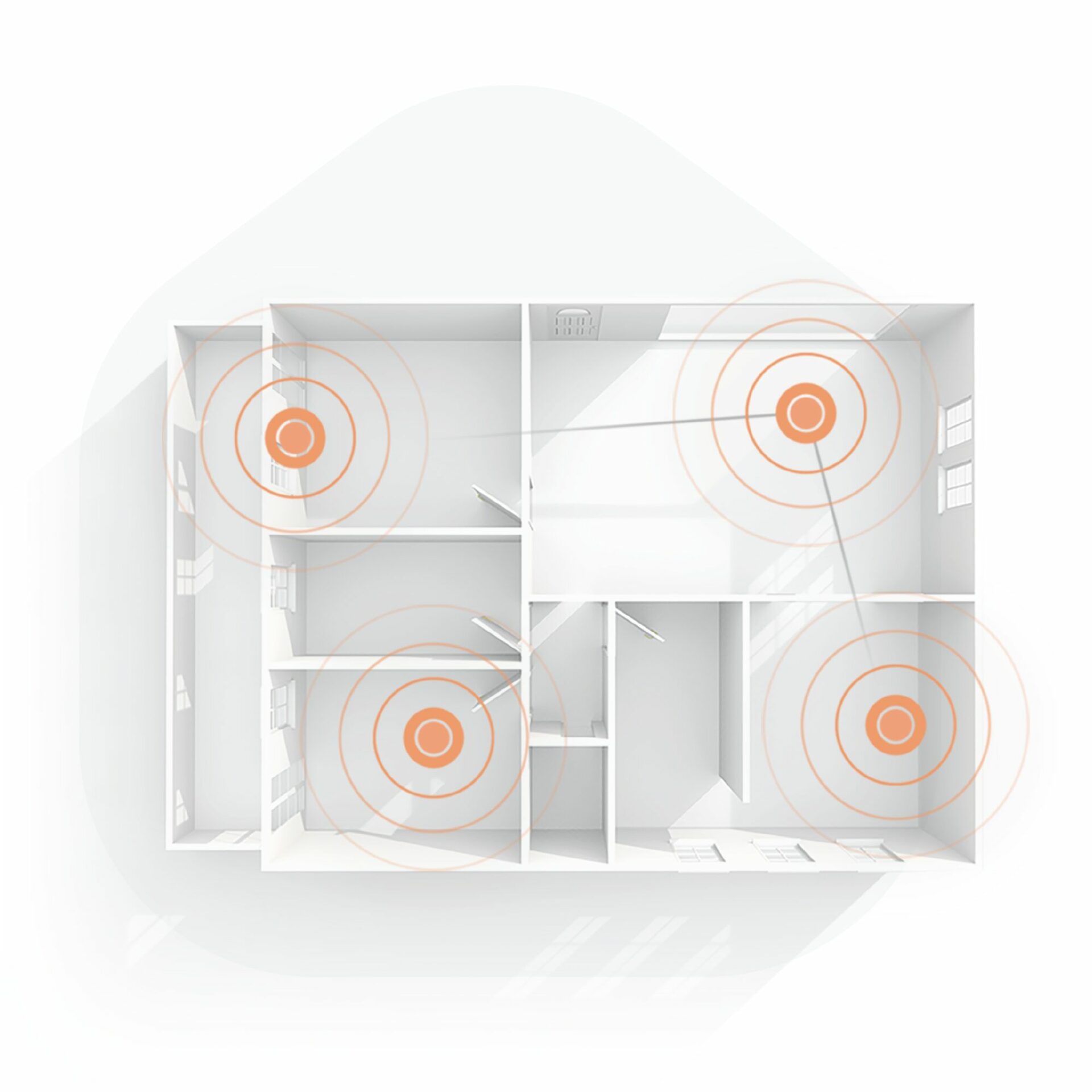
Credit: www.fireangel.co.uk
Smoke Detector Placement Basics
Placing a smoke detector near your kitchen needs careful thought. Too close, and it might cause false alarms from cooking fumes. Too far, and it might not alert you quickly in case of a real fire. Understanding the basics of where to put your smoke detector helps keep your home safe without unnecessary disruptions.
Recommended Distances From Kitchen
Smoke detectors should be installed at least 10 feet (about 3 meters) away from cooking appliances. This distance helps reduce false alarms triggered by steam or smoke from normal cooking activities.
Mount the detector on the ceiling or high on the wall since smoke rises. Avoid placing detectors directly above stoves or ovens where smoke and heat are frequent.
- At least 10 feet from the stove or oven.
- On the ceiling or 4 to 12 inches below the ceiling if mounted on a wall.
- Avoid corners where smoke might be blocked.
Factors Affecting Placement
Several factors can affect where you should place your smoke detector near the kitchen. Airflow from vents or fans can carry smoke away, making detectors less effective if placed in the wrong spot.
Humidity and steam from kettles or dishwashers can also trigger false alarms. Consider installing a heat detector or a photoelectric smoke detector, which is less sensitive to cooking smoke, if your kitchen is prone to these conditions.
Have you noticed your smoke detector going off every time you cook? Adjusting the placement to consider airflow and appliance use can help avoid these annoying false alarms while keeping safety a priority.
Avoiding False Alarms
False alarms from smoke detectors near the kitchen can be more than just annoying—they can make you ignore real dangers. Smoke from cooking often triggers alarms unnecessarily, which might lead you to disable the detector altogether. Knowing how to position your smoke detector to avoid these false alarms is essential for safety and peace of mind.
Common Causes Near Kitchens
Smoke detectors near kitchens often react to everyday cooking activities, not just fires. Steam from boiling water, frying grease, and even burnt toast can set off alarms. Grease particles and smoke from grills or ovens are common triggers that confuse the detector.
Another cause is the detector's sensitivity to heat or airborne particles released during cooking. These false alarms can happen multiple times a week, making it frustrating to keep your smoke detector active.
Ideal Distance To Reduce Nuisance Alarms
Placing your smoke detector at the right distance from the kitchen can significantly reduce false alarms. Experts recommend installing it at least 10 feet (about 3 meters) away from cooking appliances. This distance helps the detector avoid most cooking smoke and steam while still providing early warning for actual fires.
If your kitchen has poor ventilation, increasing the distance slightly or adding a heat detector instead of a smoke detector can help. Also, consider installing a detector with a hush button feature to temporarily silence false alarms without disabling safety.
Have you thought about your detector’s placement in relation to your kitchen layout? Small changes could save you from unnecessary panic and keep your home safer.
Types Of Smoke Detectors
Smoke detectors are essential for home safety. Choosing the right type is crucial. Different types respond to different fire scenarios. Understanding their functions helps in making informed choices.
Ionization Vs Photoelectric
Ionization smoke detectors are sensitive to fast-flaming fires. They detect small particles from these fires quickly. They are less responsive to slow, smoldering fires. Photoelectric detectors are better for detecting these smoldering fires. They sense larger smoke particles. Both types offer unique advantages.
Best Options For Kitchen Areas
In kitchen areas, false alarms can be frequent. Photoelectric detectors are less likely to trigger false alarms. They are better suited for kitchens. Heat detectors are also an option. They respond to temperature changes rather than smoke. This reduces false alarms from cooking. Choose wisely for kitchen safety.

Credit: www.sdmmag.com
Installation Tips
Proper installation of smoke detectors near the kitchen is key for safety and avoiding false alarms. Placement affects how well the detector senses smoke and steam. Follow these tips to find the best spot and height for your device.
Mounting Height Guidelines
Install smoke detectors on the ceiling or high on the wall. Smoke rises, so higher placement detects it faster. Keep the detector at least 10 feet away from cooking appliances. This reduces false alarms caused by normal cooking smoke or steam.
Mount detectors at least 4 inches away from walls if placed on the ceiling. If mounted on a wall, place them 4 to 12 inches below the ceiling. Avoid hanging detectors lower than 12 inches from the ceiling.
Locations To Avoid
Do not install smoke detectors inside the kitchen or too close to cooking surfaces. Steam and heat can trigger false alarms. Avoid placing detectors near windows, doors, or vents where drafts may affect performance.
Keep detectors away from bathrooms and garages. Bathrooms produce steam, and garages may have fumes or dust. Both can cause false alarms or damage the detector.
Maintenance And Testing
Regular maintenance and testing keep smoke detectors working well. They detect smoke early and protect your home. Neglecting them can lead to false alarms or failure to warn you.
Simple tasks can extend your smoke detector’s life. Cleaning removes dust and debris. Testing ensures the alarm sounds loud and clear. Batteries need checking and replacing on time.
Cleaning Frequency
Clean smoke detectors every six months. Use a soft brush or vacuum cleaner on low power. Avoid water or harsh chemicals. Dust and grease can block sensors and cause false alarms. Keep the area around the detector clear. This helps smoke reach the sensor quickly.
Battery Replacement Tips
Replace batteries at least once a year. Use fresh, high-quality batteries for best performance. Test the smoke detector monthly by pressing the test button. If the alarm beeps or chirps, replace batteries immediately. Consider using long-life lithium batteries to reduce replacements. Always keep spare batteries nearby for quick changes.
Additional Kitchen Safety Measures
Protecting your kitchen from fire risks goes beyond placing smoke detectors correctly. A few simple safety measures can reduce accidents and damage. These tools and systems help keep your kitchen safe every day.
Fire Extinguishers
Keep a fire extinguisher within easy reach in the kitchen. Choose one rated for grease and electrical fires. Mount it on a wall where everyone can find it quickly. Regularly check the pressure gauge and expiry date. Teach all family members how to use it safely.
Ventilation Solutions
Good ventilation reduces smoke and heat buildup during cooking. Install a range hood or exhaust fan above the stove. Make sure it vents outside to clear fumes effectively. Clean filters often to maintain airflow. Proper ventilation also lowers the risk of false smoke alarms.
Credit: www.kidde.com
Frequently Asked Questions
How Far Should A Smoke Detector Be From The Kitchen?
A smoke detector should be installed at least 10 feet away from the kitchen. This distance prevents false alarms caused by normal cooking smoke and steam.
Why Avoid Placing Smoke Detectors Too Close To The Kitchen?
Placing detectors too close causes frequent false alarms due to cooking fumes. It reduces their reliability and may lead to disabling the device.
Can Smoke Detectors Be Installed Inside The Kitchen?
It's not recommended to install smoke detectors directly inside the kitchen. Instead, place them nearby in hallways or adjacent rooms for better accuracy.
What Is The Ideal Height For Kitchen Smoke Detectors?
Smoke detectors should be installed on the ceiling, at least 4 inches away from walls. This placement ensures early smoke detection and minimizes false alarms.
Conclusion
Placing a smoke detector at the right distance from the kitchen keeps your home safe. Too close, and cooking smoke may cause false alarms. Too far, and it might not warn you in time. Usually, a distance of 10 to 20 feet works well.
Check your local rules for exact advice. Regularly test your smoke detectors to ensure they work properly. Safety in your home is simple with the right placement. Stay alert, stay safe.