
You probably use chemicals and sanitizers in your kitchen every day to keep things clean and safe. But how much do you really know about what’s inside those bottles?
Are they helping you, or could they be causing harm without you realizing it? Understanding the truth about these products can protect your health and make your kitchen a safer place. Keep reading to discover facts that will change the way you think about cleaning and sanitizing in your own home.
Common Kitchen Chemicals
Common kitchen chemicals play a crucial role in maintaining cleanliness and hygiene. They help remove grease, food residues, and germs from surfaces and utensils. Understanding these chemicals ensures safe and effective use in daily kitchen tasks.
Types Of Cleaning Agents
Cleaning agents in the kitchen vary by purpose and ingredients. Some common types include:
- Detergents:Break down grease and dirt on dishes and surfaces.
- Sanitizers:Kill bacteria and reduce germs to safe levels.
- Disinfectants:Destroy harmful microorganisms on hard surfaces.
- Degreasers:Remove tough oil and grease stains.
- Bleaches:Whiten and disinfect, often used in small amounts.
Each agent serves a specific cleaning need. Choosing the right one protects health and keeps the kitchen spotless.
Role Of Detergents And Soaps
Detergents and soaps clean by lifting dirt and grease from surfaces. They contain molecules that attract water and oil, allowing easy rinsing.
Soaps are made from natural fats and oils. Detergents are synthetic and work better in hard water.
Both help remove food particles and prevent germs. Using them properly reduces the risk of contamination.
How Sanitizers Work
Understanding how sanitizers work in your kitchen can change the way you approach cleanliness. Sanitizers don’t just mask germs; they actively reduce harmful bacteria and viruses to safer levels. Knowing their action helps you pick the right product and use it correctly for maximum protection.
Mechanism Of Action
Sanitizers kill or inactivate germs by disrupting their cellular functions. Many sanitizers break down the outer membrane of bacteria and viruses, causing them to lose their ability to survive. This process happens quickly, often within seconds of contact.
Some sanitizers remove proteins or interfere with the germ’s metabolism, stopping them from reproducing. When you spray or wipe your kitchen surfaces, the sanitizer’s chemical compounds attack these vital parts of the germs. This is why wiping surfaces thoroughly and allowing the sanitizer to sit for a few minutes can make a big difference.
Effective Ingredients
Not all sanitizers are created equal, and their effectiveness depends on the active ingredients. Common powerful ingredients include:
- Alcohol (ethanol or isopropanol):Quickly kills bacteria and viruses by denaturing proteins.
- Chlorine compounds (like bleach):Destroy germs by oxidizing their cellular components.
- Quaternary ammonium compounds:Work by disrupting cell membranes and are often used on kitchen surfaces.
Choosing the right sanitizer means checking the label for these ingredients and understanding their proper concentration. Have you ever used a sanitizer only to wonder if it actually worked? Knowing the ingredients helps you trust the product and use it effectively.
Safety Tips For Using Chemicals
Using chemicals and sanitizers in the kitchen is essential for maintaining hygiene, but it also requires careful handling to ensure safety. Misuse can lead to accidents or contamination of food. Here are some safety tips to help you use these products wisely and effectively.
Proper Storage
Storing chemicals properly is crucial to prevent accidents. Always keep chemicals in their original containers with labels intact. This ensures you know what you’re dealing with and how to handle it safely.
Place chemicals out of reach of children and away from food items. A dedicated cabinet, preferably locked, can prevent accidental ingestion or misuse. Remember, mixing certain chemicals can be dangerous—store them separately when necessary.
Avoiding Cross-contamination
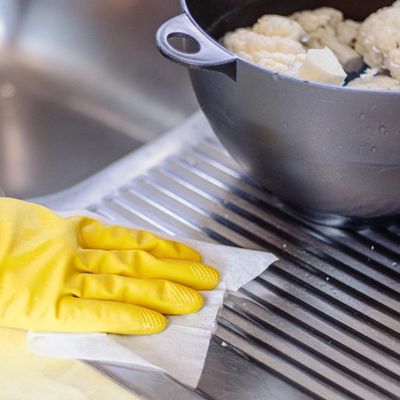
Cross-contamination in the kitchen can turn a safe environment into a hazardous one. Use designated cleaning tools for different areas; for example, a specific sponge or cloth for countertops and another for dishes. This minimizes the spread of harmful bacteria or chemicals.
After using a sanitizer, ensure the surface is rinsed if the product requires it. Not all sanitizers are food-safe, so double-check the label instructions. Have you ever wondered if your cleaning routine is as safe as it could be? Small changes in how you handle chemicals can make a significant difference in kitchen safety.
Credit: cogenthygiene.com
Natural Alternatives To Chemicals
Natural alternatives to chemicals offer safe and effective ways to clean your kitchen. These options reduce exposure to harsh substances and protect your family’s health. They also help maintain a fresh, toxin-free environment. Simple ingredients found at home can work wonders on dirt and germs.
Vinegar And Baking Soda
Vinegar is acidic and kills many types of bacteria. It removes grease and neutralizes odors. Baking soda acts as a gentle abrasive. It lifts stains and cleans surfaces without scratching. Together, they create a powerful cleaning duo that tackles grime and buildup.
- Mix vinegar and water to clean countertops and glass.
- Sprinkle baking soda on tough stains before scrubbing.
- Combine both to unclog drains safely without chemicals.
Essential Oils
Essential oils add natural fragrance and have antibacterial properties. Oils like tea tree, lemon, and eucalyptus kill germs and freshen the air. They blend well with vinegar or water for an easy spray cleaner.
- Add a few drops of essential oil to vinegar for a fresh scent.
- Use oils in homemade dish soap or surface sprays.
- Choose oils with proven antimicrobial effects for best results.
Myths About Kitchen Sanitizers
Kitchen sanitizers play a key role in keeping food safe and surfaces clean. Many myths about these products cause confusion. Some beliefs about their use and effects are not true. Clearing up these myths helps use sanitizers wisely and safely.
Overuse Risks
Using too much sanitizer can harm your health. It may irritate skin and eyes. Overuse can also create resistant bacteria. These bacteria survive cleaning and grow stronger. This makes future cleaning less effective. Always follow the label instructions carefully. Using the right amount keeps your kitchen safe.
Misconceptions On Effectiveness
Some think all sanitizers kill every germ instantly. This is not true. Different sanitizers work on different germs. Some need time to be effective. Others require clean surfaces first. Dirt and grease can block sanitizer action. Choosing the right product and using it properly matters most.
Credit: cogenthygiene.com
Regulations And Standards
Kitchen chemicals and sanitizers must follow strict rules. These rules keep food safe and protect health. Governments and health agencies set these standards worldwide. They control what chemicals can be used and how.
Sanitizers must meet safety tests before approval. Proper use and storage also have clear guidelines. Following these rules prevents contamination and illness. Knowing these standards helps anyone maintain a clean kitchen.
Approved Sanitizers
Only certain sanitizers are allowed for kitchen use. These products kill germs without harming people. They must pass tests by health organizations.
- Chlorine-based sanitizers are common and effective.
- Quaternary ammonium compounds work well on many surfaces.
- Iodophors are used in some food preparation areas.
- Hydrogen peroxide sanitizers offer an alternative option.
Using non-approved products can lead to health risks. Always choose sanitizers listed by official agencies.
Label Reading Tips
Labels contain important safety and usage information. Reading them carefully ensures correct sanitizer use.
- Check the active ingredients and concentration.
- Look for approval marks from health authorities.
- Follow instructions for dilution and contact time.
- Note warnings and first aid advice.
- Store sanitizers as recommended on the label.
Proper label reading prevents misuse and protects health.
Credit: www.burgoscleaning.com
Frequently Asked Questions
What Chemicals Are Safe For Kitchen Use?
Safe kitchen chemicals include food-grade sanitizers and mild detergents. Avoid harsh chemicals that may contaminate food or surfaces. Always read labels and follow usage instructions to protect health.
How Do Sanitizers Work On Kitchen Surfaces?
Sanitizers kill bacteria and viruses by breaking their cell walls. They reduce microbial presence effectively, making kitchen surfaces safer for food preparation.
Are Chemical Sanitizers Harmful To Food?
Properly used chemical sanitizers are safe and leave no harmful residue. Overuse or improper rinsing can cause contamination, so follow guidelines carefully.
Can Natural Alternatives Replace Chemical Sanitizers?
Yes, natural options like vinegar and baking soda can clean but may not sanitize as effectively. Use them with caution for safety.
Conclusion
Chemicals and sanitizers keep your kitchen clean and safe. Using them correctly helps stop germs and sickness. Not all chemicals are harmful; some protect your health. Always follow the label instructions for the best results. Store these products away from food and children.
Clean hands and surfaces often to reduce risks. Safe use means a healthier kitchen and family. Knowing facts about chemicals helps you make smart choices. Keep your kitchen fresh, clean, and safe every day. Simple steps protect you and those you care about.