
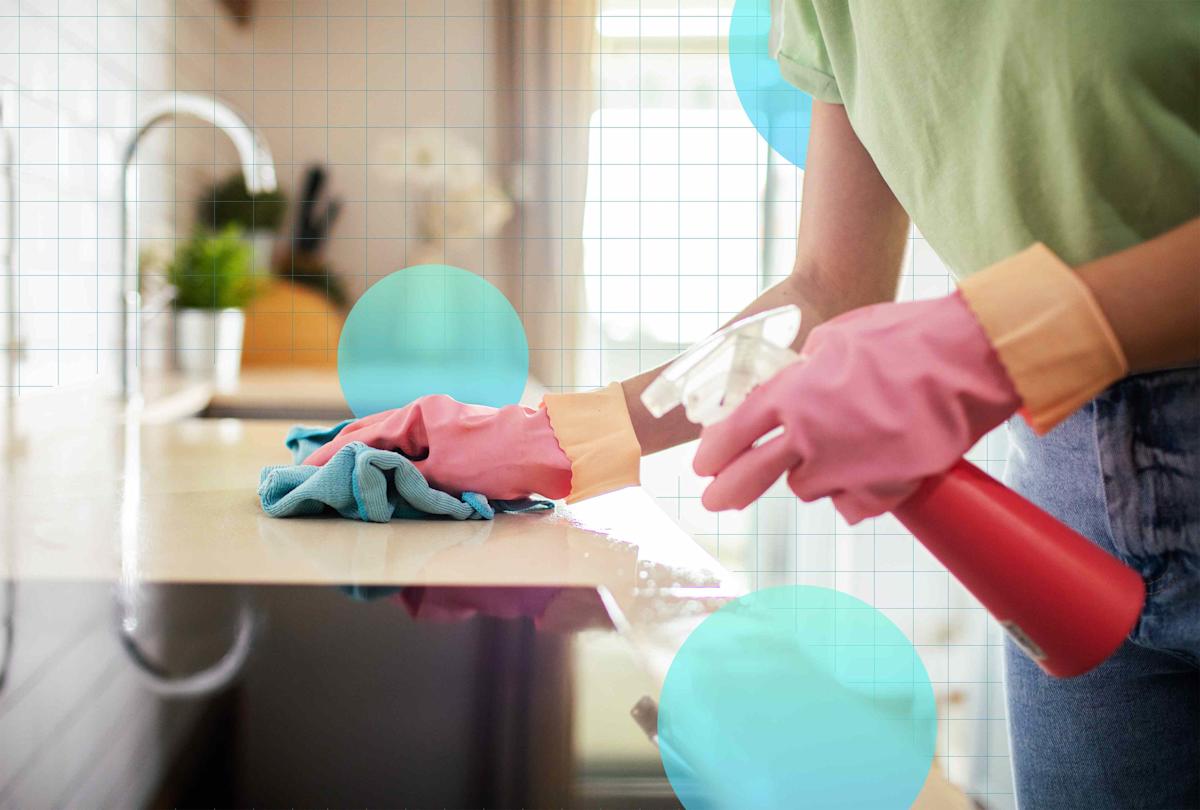
Your kitchen is the heart of your home, but it can also be a hotspot for harmful germs. Knowing how to sanitize your kitchen properly keeps your family safe and your food fresh.
Imagine cutting down the risk of illness with just a few simple steps. In this guide, you’ll discover easy and effective ways to make your kitchen spotless and germ-free. Keep reading to protect your loved ones and enjoy a cleaner, healthier cooking space every day.
Gather Essential Cleaning Supplies
Gathering the right cleaning supplies sets the foundation for a truly sanitized kitchen. Without effective products and tools, your efforts might fall short, leaving behind germs and bacteria. Have you ever cleaned a surface only to realize it wasn’t properly sanitized? That’s why selecting the best supplies is crucial to protect your family’s health.
Select Effective Sanitizers
Not all sanitizers are created equal. Look for products labeled as food-safe and EPA-approved for kitchen use. Common choices include bleach solutions, hydrogen peroxide, and commercial kitchen sanitizers.
Bleach diluted with water is a powerful option, but it must be used carefully to avoid damage or harmful fumes. Hydrogen peroxide offers a safer alternative with strong disinfecting abilities. Always read labels to ensure the sanitizer targets bacteria and viruses relevant to kitchen surfaces.
Have you checked if your sanitizer is suitable for cutting boards, countertops, and appliances? Using the right product prevents cross-contamination and keeps your kitchen truly clean.
Choose Appropriate Cleaning Tools
The tools you pick can make a big difference in how well you sanitize your kitchen. Microfiber cloths are excellent because they trap dirt and bacteria without scratching surfaces.
Sponges are common but can harbor germs if not replaced often. Consider using scrub brushes for tough spots and disposable wipes for quick, one-time use. Gloves protect your hands from harsh chemicals and reduce the spread of germs.
Think about which tools fit your kitchen setup and cleaning habits. Are your cloths easy to wash? Do you have separate tools for dishes and countertops? Organizing your cleaning supplies helps you stay efficient and thorough every time.
Clear And Declutter Surfaces
Clearing and decluttering your kitchen surfaces is the crucial first step to effective sanitizing. Without a clean slate, germs hide in crumbs, spills, and clutter, making your efforts less effective. Think of your kitchen counter as a workspace that needs to be free from distractions and dirt before you start sanitizing.
Remove Food Debris
Start by wiping away any visible food crumbs, spills, or grease. Use a damp cloth or sponge with warm soapy water to lift off sticky residues. Don’t just glance over the surface—check corners, under appliances, and around the sink where crumbs often collect unnoticed.
Have you noticed how quickly crumbs accumulate near the toaster or cutting board? Clearing these spots regularly stops bacteria from multiplying. It’s a small habit that dramatically improves your kitchen’s cleanliness and safety.
Organize Kitchen Items
Once the surfaces are free of food debris, take a moment to organize the items on your counters. Keep only the essentials like a coffee maker or frequently used utensils out. Store other appliances and clutter in cabinets or drawers to free up space for cleaning and food prep.
Think about how much easier it is to clean when you have fewer items in your way. Plus, organized counters help you spot spills and crumbs faster. What items on your counter do you really need every day, and which ones can find a new home?
Clean Countertops And Work Areas
Keeping kitchen countertops clean is important for a healthy home. Germs and bacteria love to hide in these areas. Regular cleaning ensures a safe cooking space. Let's explore effective ways to sanitize countertops and work areas.
Wipe With Soap And Water
Start by clearing the countertop of all items. Use a damp cloth with soap to wipe the surface. This removes dirt and grime. Make sure to reach every corner. Rinse the cloth with clean water. Wipe again to remove any soap residue. Doing this helps prepare the surface for sanitizing.
Apply Sanitizing Solution
Choose a suitable sanitizing solution for your countertop material. Spray the solution evenly across the surface. Let it sit for a few minutes. This ensures germs are killed effectively. Wipe the surface with a clean, dry cloth. Ensure the countertop is fully dry before placing items back.

Credit: www.bestonlinecabinets.com
Sanitize Cutting Boards And Utensils
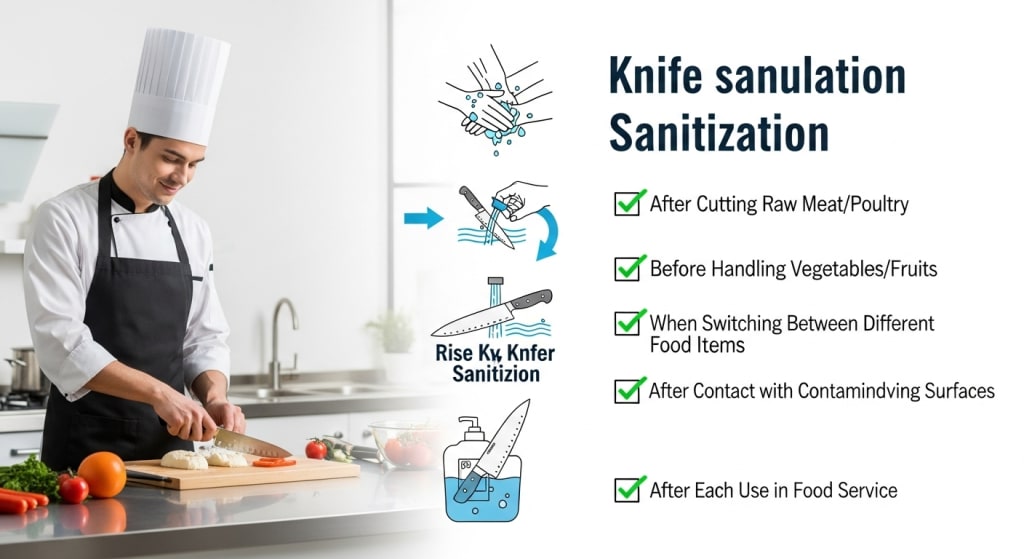
Sanitizing your cutting boards and utensils is essential to keep your kitchen safe from harmful bacteria. These tools come into direct contact with raw foods, so cleaning them thoroughly can prevent cross-contamination and foodborne illnesses. You might be surprised how often overlooked this step is in everyday kitchen routines.
Use Hot Water And Soap
Start by washing your cutting boards and utensils with hot water and soap. The heat helps break down grease and food particles, while soap removes dirt and germs. Scrub each surface carefully, especially grooves and knife marks, where bacteria can hide.
Rinse thoroughly to remove all soap residue. If you’ve ever noticed a lingering smell or discoloration, you know how important this step is. Proper washing sets the foundation for effective sanitizing.
Disinfect With Bleach Or Vinegar
After washing, disinfect your cutting boards and utensils to kill any remaining bacteria. You can use a diluted bleach solution—about one tablespoon of bleach per gallon of water—for a powerful clean. Soak or wipe down the items and let them air dry.
If you prefer natural options, white vinegar works well as a disinfectant too. Spray or soak your tools in vinegar for a few minutes, then rinse with water. This method is especially useful if you want to avoid harsh chemicals but still keep your kitchen safe.
Have you noticed how your cutting board looks or smells after sanitizing? Small changes like these tell you if your cleaning routine is effective. What’s your go-to method for keeping these essential tools bacteria-free?
Clean And Disinfect Appliances
Cleaning and disinfecting kitchen appliances is key for a safe and healthy home. Appliances can harbor germs and bacteria from daily use. Regularly cleaning them reduces the risk of contamination and foodborne illness.
Focus on both visible dirt and hidden germs. Use the right cleaning products for each appliance. Wipe down surfaces and handles with disinfectant. Keep appliances dry to prevent mold and mildew growth.
Focus On High-touch Areas
High-touch areas on appliances collect the most germs. These include:
- Handles and knobs
- Buttons and touch screens
- Exterior surfaces
Use disinfectant wipes or spray to clean these spots daily. Avoid harsh chemicals that may damage finishes. A microfiber cloth helps remove dirt without scratching. Clean hands before and after using appliances to reduce germs.
Maintain Refrigerator And Microwave
Refrigerators and microwaves need special care. Clean spills and crumbs inside immediately. Remove shelves and drawers for a thorough wash.
- Use mild soap and warm water for cleaning
- Disinfect handles and control panels regularly
- Wipe microwave interior with a damp cloth after use
- Steam clean microwaves by heating water and lemon juice inside for five minutes
Keep the fridge temperature between 35°F and 38°F to slow bacteria growth. Regularly check and discard expired food to prevent contamination.
Credit: vocal.media
Sanitize Sinks And Faucets
The kitchen sink and faucets are hotspots for germs and bacteria. Regular cleaning keeps them safe and hygienic. Sanitizing these areas prevents the spread of harmful microbes. Focus on removing grime and disinfecting surfaces for the best results.
Scrub With Baking Soda
Baking soda is a gentle, natural cleaner for sinks and faucets. Sprinkle baking soda over the wet surface. Use a soft sponge or cloth to scrub in circles. Pay attention to corners and faucet bases. Baking soda removes stains and grime without scratching.
Rinse thoroughly with warm water to wash away residue. Dry the area with a clean towel. This step prepares the surface for disinfecting.
Apply Disinfectant Spray
Choose a kitchen-safe disinfectant spray with antibacterial properties. Spray evenly on all sink and faucet surfaces. Let it sit for the time recommended on the label. This allows the disinfectant to kill germs effectively.
Wipe down with a clean cloth to remove excess liquid. Avoid rinsing immediately to keep the disinfectant working longer. Repeat this process regularly to maintain a healthy kitchen environment.
Manage Trash And Recycling Bins
Managing trash and recycling bins plays a key role in keeping your kitchen clean and safe. These bins often collect food scraps and waste that can cause bad smells and germs. Proper care of your bins stops bacteria growth and keeps pests away. It also makes your kitchen feel fresh and neat.
Empty Regularly
Empty trash and recycling bins often to avoid buildup. Full bins create bad smells and attract insects. Take out garbage every day or when bins are almost full. Use strong bags to prevent leaks and spills. Check recycling bins to remove any non-recyclable items quickly. This keeps your kitchen tidy and reduces health risks.
Clean And Deodorize Bins
Clean bins at least once a week to remove germs and stains. Use warm water and soap or a mild disinfectant. Scrub the inside and outside surfaces well. Rinse thoroughly and let bins dry before using them again. Sprinkle baking soda inside bins to absorb odors. Wipe lids and handles regularly to stop bacteria spread. Clean bins make your kitchen healthier and smell better.

Credit: www.yahoo.com
Maintain Clean Towels And Sponges
Towels and sponges are kitchen essentials. They help clean surfaces and dry dishes. But they can also carry germs. Keeping them clean prevents the spread of bacteria. It keeps your kitchen safe and fresh.
Wash Towels Frequently
Kitchen towels get dirty fast. They absorb spills and hold food particles. Wash them often to stop bacteria growth. Use hot water and strong detergent. Dry towels completely before using again. Change towels every few days. This keeps them fresh and safe.
Sanitize Sponges Properly
Sponges trap food and germs easily. Rinse sponges after every use. Squeeze out excess water to avoid dampness. Sanitize sponges regularly to kill bacteria. You can microwave a wet sponge for one minute. Or soak it in a bleach solution for five minutes. Replace sponges every two weeks. Clean sponges help keep your kitchen healthy.
Establish Daily Cleaning Routine
Keeping your kitchen clean every day helps stop germs from spreading. A daily cleaning routine keeps surfaces safe and food fresh. Small habits add up to a healthier kitchen environment. Consistency matters more than big, rare cleanups.
Set clear tasks for daily cleaning. This makes the kitchen easier to maintain. Focus on wiping, washing, and clearing clutter. These simple steps reduce bacteria and keep your space inviting.
Schedule Regular Wipe Downs
Wipe kitchen counters and tables after every meal. Use a clean cloth and a safe disinfectant. Pay special attention to areas where food is prepared. Don’t forget handles, switches, and appliance surfaces. These spots collect germs fast.
Make wiping a routine part of cooking and cleaning. Keep cleaning supplies handy for quick access. This habit cuts down on sticky spills and germs.
Encourage Family Participation
Share cleaning tasks with everyone in the house. Teach kids simple jobs like wiping the table. Assign daily duties to each family member. This spreads the work and builds good habits.
Make cleaning a team effort. Praise small contributions to keep motivation high. Together, the kitchen stays cleaner and safer for all.
Frequently Asked Questions
How Often Should I Sanitize My Kitchen?
Sanitize your kitchen at least once a day. Clean high-touch surfaces like countertops, sinks, and handles frequently. This prevents bacteria buildup and keeps your food preparation area safe and hygienic.
What Are The Best Products To Sanitize Kitchen Surfaces?
Use EPA-approved disinfectants or a bleach solution for sanitizing. Avoid harsh chemicals that can damage surfaces. Always follow product instructions for safe and effective use.
Can I Use Natural Ingredients To Sanitize My Kitchen?
Yes, vinegar and hydrogen peroxide are natural sanitizers. They effectively kill many germs and are safe for most surfaces. However, avoid mixing them as it can produce harmful fumes.
How Do I Sanitize Kitchen Sponges And Cloths?
Soak sponges and cloths in a bleach solution or microwave damp sponges for one minute. Replace them regularly to prevent bacteria growth and maintain kitchen hygiene.
Conclusion
Sanitizing your kitchen keeps your family safe from germs and bacteria. Clean surfaces often to stop harmful bugs from spreading. Use simple tools like soap, water, and disinfectants. Don’t forget to wash your hands well before cooking. Keep your kitchen tidy and dry to avoid mold.
A clean kitchen also helps food taste better. Small daily habits make a big difference over time. Stay consistent, and your kitchen will stay healthy and fresh. Safe cooking starts with a clean space.