
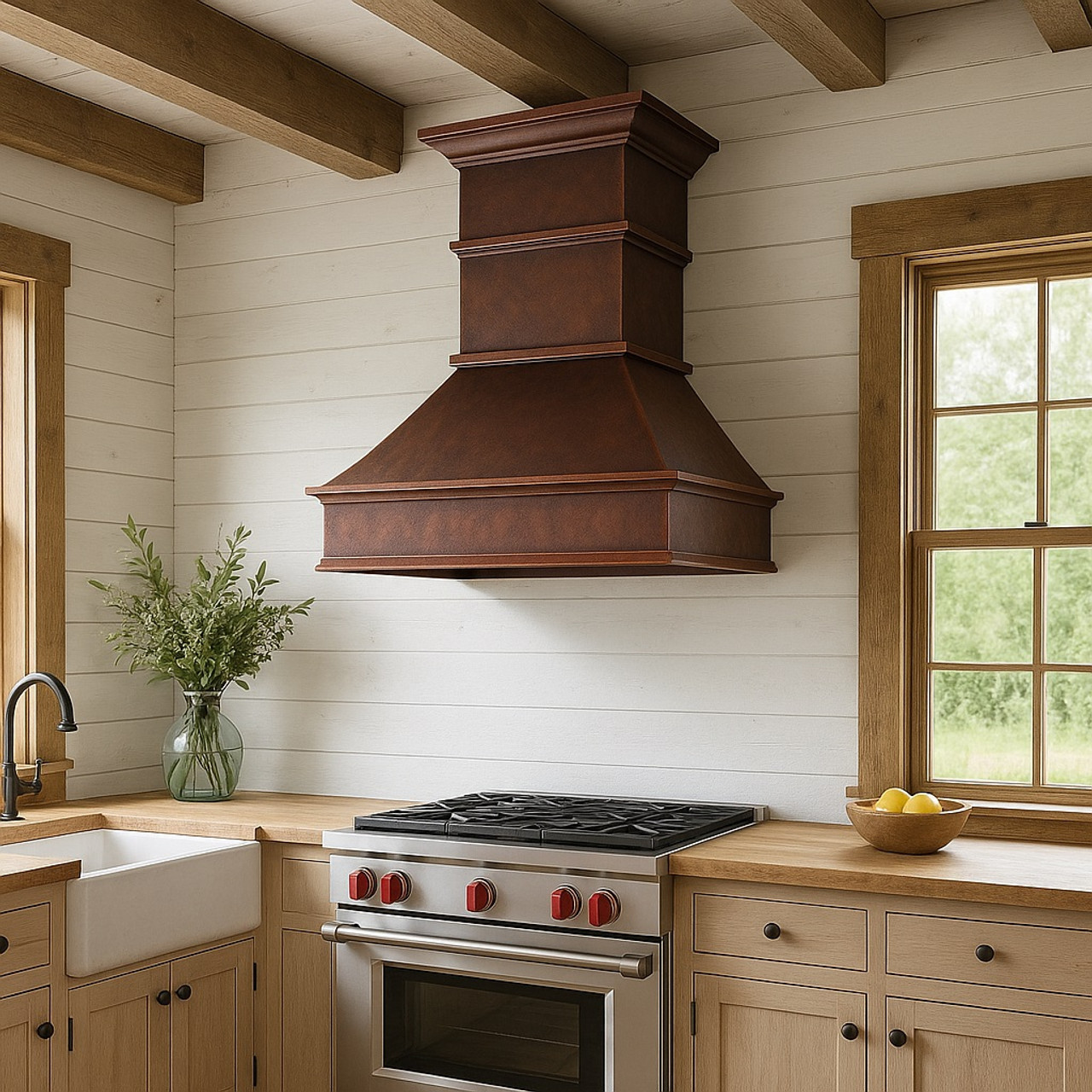
Your kitchen chimney is more than just a functional piece; it’s a focal point in your cooking space. But what if its appearance doesn’t match the style you want?
Covering your chimney can transform the whole look of your kitchen without a full renovation. You’ll discover simple, effective ways to cover your chimney that fit your style and budget. Ready to give your kitchen a fresh, stylish upgrade? Keep reading to find out how!
Choosing The Right Chimney Cover
Choosing the right chimney cover is key to enhancing your kitchen's look and function. A well-chosen cover hides the chimney while adding style. It also helps protect the chimney from dust and grease. Consider factors like material, design, and cost before making a choice. This ensures the cover fits your kitchen and meets your needs.
Material Options
Chimney covers come in many materials. Wood offers a warm, natural feel and can be painted or stained. Stainless steel suits modern kitchens with its sleek, shiny look. Glass covers add a touch of elegance and are easy to clean. Aluminum is lightweight and resists rust. Choose a material that matches your kitchen use and care habits.
Matching Kitchen Style
Your kitchen’s style should guide your chimney cover choice. For a traditional kitchen, wood or painted covers work well. Modern kitchens benefit from metal or glass covers that create clean lines. Rustic kitchens look great with rough or reclaimed wood covers. Match the cover’s color and design to cabinets and walls for harmony.
Budget Considerations
Budget affects your chimney cover choice a lot. Wood covers can be affordable but vary by type and finish. Metal covers like stainless steel cost more but last longer. Glass covers tend to be pricier and need careful handling. Set a budget and find a cover that balances cost and quality. Think about long-term value, not just price.

Credit: www.create-enjoy.com
Creative Cover Designs
Creative cover designs can transform your kitchen chimney from a basic appliance into a stylish focal point. Instead of hiding it away, think about making the chimney cover an integral part of your kitchen decor. With the right design, you can add warmth, shine, or a pop of color that enhances your cooking space.
Wooden Enclosures
Wooden chimney covers bring a natural, cozy feel to your kitchen. You can choose from different types of wood such as oak, maple, or walnut to match your cabinetry or flooring. Adding carved details or a sleek finish can make the enclosure look custom-made and elegant.
One practical tip is to use moisture-resistant wood or apply a protective sealant, especially since kitchens tend to be humid. Have you considered blending open shelves into the wooden cover to store spices or cookbooks? This doubles the function while keeping your space organized.
Metallic Finishes
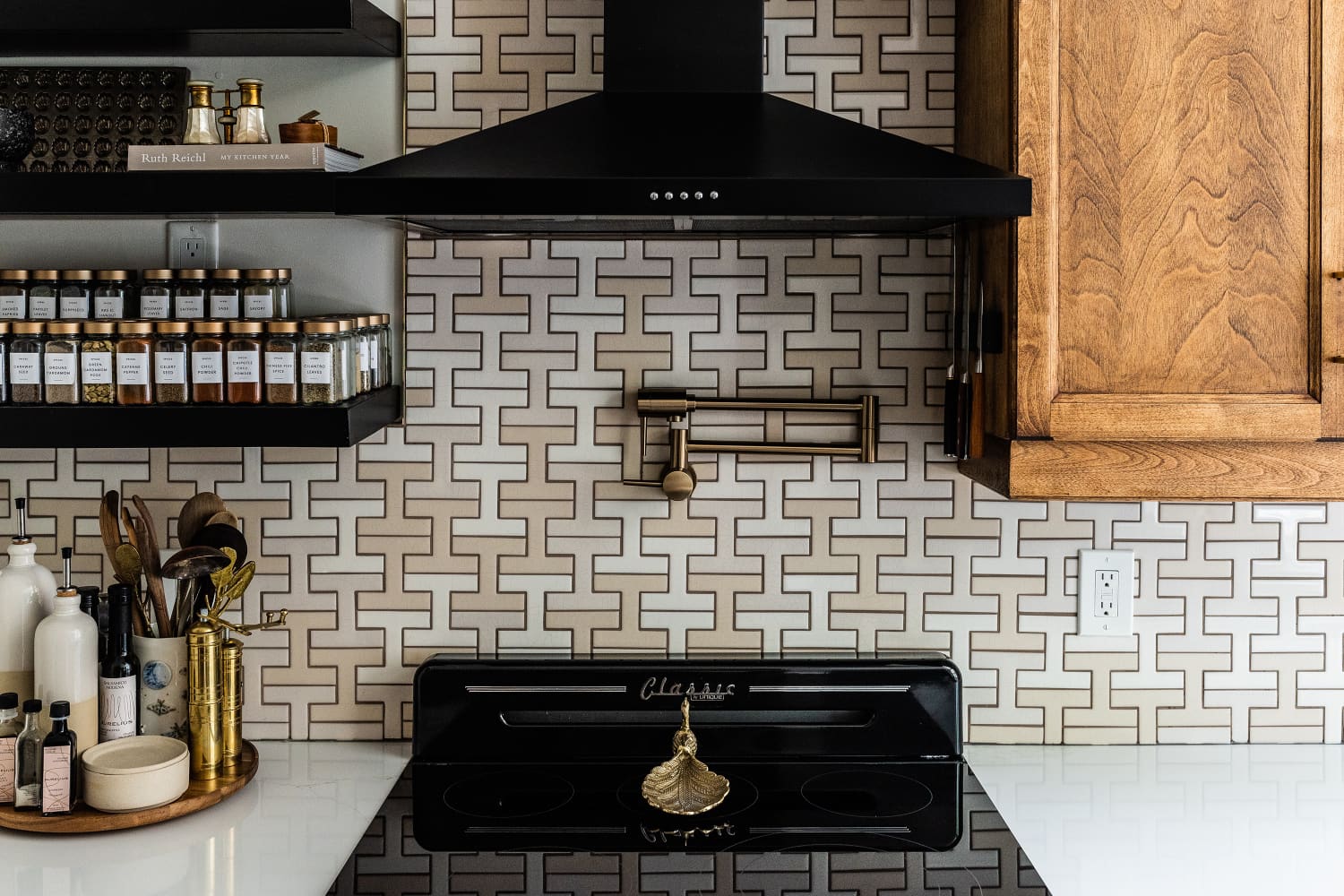
Metallic finishes like stainless steel, copper, or brass add a modern and industrial touch to your kitchen chimney. These materials are durable and easy to clean, which is a big plus when dealing with kitchen grease and smoke.
Think about pairing a brushed stainless steel cover with black or white kitchen cabinets for a sleek contrast. Or, try a hammered copper finish for a rustic yet polished look. Would you like a cover that reflects light and makes your kitchen feel larger? Metallic surfaces can do just that.
Painted Chimney Covers
Painting your chimney cover is an affordable way to refresh its look without replacing it. You can choose bold colors to make it stand out or soft pastels to blend with your kitchen’s theme.
Remember to use heat-resistant paint designed for appliances to ensure durability. Have you thought about adding patterns or stencils for a unique touch? Stripes, geometric shapes, or even floral designs can turn your chimney into a piece of art.
Functional Enhancements
Covering a chimney in your kitchen offers a great chance to add practical features that improve your cooking space. Instead of just hiding the chimney, you can turn it into a functional element that enhances storage, lighting, and ventilation. These improvements not only make your kitchen look better but also make your daily tasks easier and more enjoyable.
Adding Storage Space
Use the chimney cover as extra storage by adding shelves or cabinets around it. This is perfect for keeping spices, cookbooks, or kitchen tools within arm's reach. You can even install hooks to hang utensils or mugs, making good use of vertical space that usually goes wasted.
Think about customizing the shelves to fit your most-used items. For example, a small rack for oil bottles or a spice organizer can save you time while cooking. Have you noticed how quickly your countertops get cluttered? This simple adjustment can keep your kitchen tidy and organized.
Incorporating Lighting
Lighting around the chimney can brighten up your cooking area and highlight the kitchen’s design. Installing LED strip lights or small spotlights under the shelves creates a warm glow and improves visibility when you’re chopping or stirring.
Consider adding dimmable lights to adjust brightness depending on the time of day or task. You might find that focused lighting on the chimney cover makes it a subtle centerpiece, rather than just an obstacle in the room. How often do you realize poor lighting slows down your cooking?
Ventilation Tips
Good ventilation is key to keeping your kitchen fresh and smoke-free, especially around the chimney. Make sure the chimney cover doesn’t block airflow; instead, design it with vents or gaps to allow steam and odors to escape easily.
Installing a small exhaust fan near the chimney can also help improve air circulation. If your kitchen feels stuffy or smoky, this might be the simple fix you need. Have you checked if your current setup lets air flow naturally, or does it trap heat and smells?
Diy Vs Professional Installation
Covering a kitchen chimney yourself can save money but requires careful measuring and tools. Hiring a professional ensures a neat, safe finish with less hassle. Both choices depend on your skill level and budget.
Choosing between a DIY and professional chimney installation depends on several factors. DIY projects can save money and provide a sense of achievement. Yet, professional installation offers expertise and ensures safety. Consider the complexity of the project, your skills, and the tools you have. Below, explore the tools and materials needed, safety precautions, and when to call the experts.
Tools And Materials Needed
For a DIY chimney installation, gather essential tools and materials. These include:
- Screwdriver set
- Drill and drill bits
- Measuring tape
- Level
- Chimney duct kit
- Chimney cover or hood
- Screws and anchors
- Protective gloves
Ensure you have everything before starting. A well-prepared workspace is crucial.
Safety Precautions
Safety is vital in DIY projects. Wear protective gear like gloves and goggles. Ensure the power supply is turned off before starting. Keep your workspace clear of clutter. Use a stable ladder if needed for height. Follow all manufacturer instructions carefully. Remember, taking safety lightly can lead to accidents.
When To Hire Experts
Hiring experts may be necessary for complex installations. If you lack the right tools or experience, consider a professional. Experts handle intricate designs and ensure proper ventilation. They also provide warranties and follow building codes. If your chimney needs structural changes, professional help is advisable. Always prioritize safety and quality over cost savings.
Maintenance And Cleaning
Keeping your kitchen chimney covered and well-maintained is key to ensuring it stays functional and looks great. Regular cleaning and proper care help prevent buildup of grease and stains, which can damage the cover and reduce its efficiency. Let’s dive into practical tips that make this task manageable and effective for you.
Regular Cleaning Tips
Clean your chimney cover at least once a week to avoid heavy dirt and grease buildup. Use a soft cloth dampened with warm soapy water to wipe down the surface gently. Avoid harsh chemicals that can damage the paint or finish on your cover.
Don’t forget to clean the filters and exhaust area as well. Removing the filters and soaking them in hot water mixed with vinegar can help break down grease. After rinsing, allow them to dry completely before reinstalling.
Handling Stains And Grease
Grease stains can be stubborn, but a paste made from baking soda and water works wonders. Apply it to the stain, let it sit for 15 minutes, then scrub gently with a non-abrasive sponge. Rinse with clean water to avoid residue.
For tougher spots, white vinegar sprayed directly on the surface helps dissolve grease. Wipe immediately with a clean cloth to prevent streaks. Always test a small area first to make sure the vinegar won’t damage the material.
Long-term Care
Inspect your chimney cover regularly for any signs of wear, such as peeling paint or rust spots. Touch up these areas promptly to prevent further damage. Using a protective sealant once or twice a year can extend the life of your cover.
Consider the environment in your kitchen—high humidity can speed up deterioration. A well-ventilated space reduces moisture buildup and keeps your chimney cover in better shape for longer. What small change can you make today to protect your kitchen chimney cover?
Credit: www.apartmenttherapy.com
Frequently Asked Questions
How Can I Cover A Kitchen Chimney Effectively?
Cover your kitchen chimney with heat-resistant materials like stainless steel or tempered glass. Ensure the cover matches your kitchen decor and allows easy cleaning. Proper ventilation and a sleek design improve both functionality and aesthetics.
What Materials Are Best For Kitchen Chimney Covers?
The best materials for chimney covers are stainless steel, tempered glass, wood, and stone. Choose heat-resistant and easy-to-clean materials to ensure durability and safety in your kitchen.
How Do I Maintain My Kitchen Chimney Cover?
Clean your chimney cover regularly with mild detergent and a soft cloth. Avoid abrasive cleaners to prevent damage. Regular maintenance keeps it hygienic and looking new.
Can I Diy A Kitchen Chimney Cover?
Yes, you can DIY a kitchen chimney cover using wood or metal sheets. Measure carefully, use heat-resistant materials, and follow safety guidelines. DIY saves cost but requires basic tools and skills.
Conclusion
Covering a chimney in your kitchen can change the room’s look. Choose materials that match your style and budget. Measure carefully before starting the project. Simple steps make the process easier and faster. A covered chimney adds charm and hides old pipes.
You can paint or decorate it to fit your kitchen theme. Small changes bring big improvements. Enjoy your fresh, neat kitchen space after the work is done.