
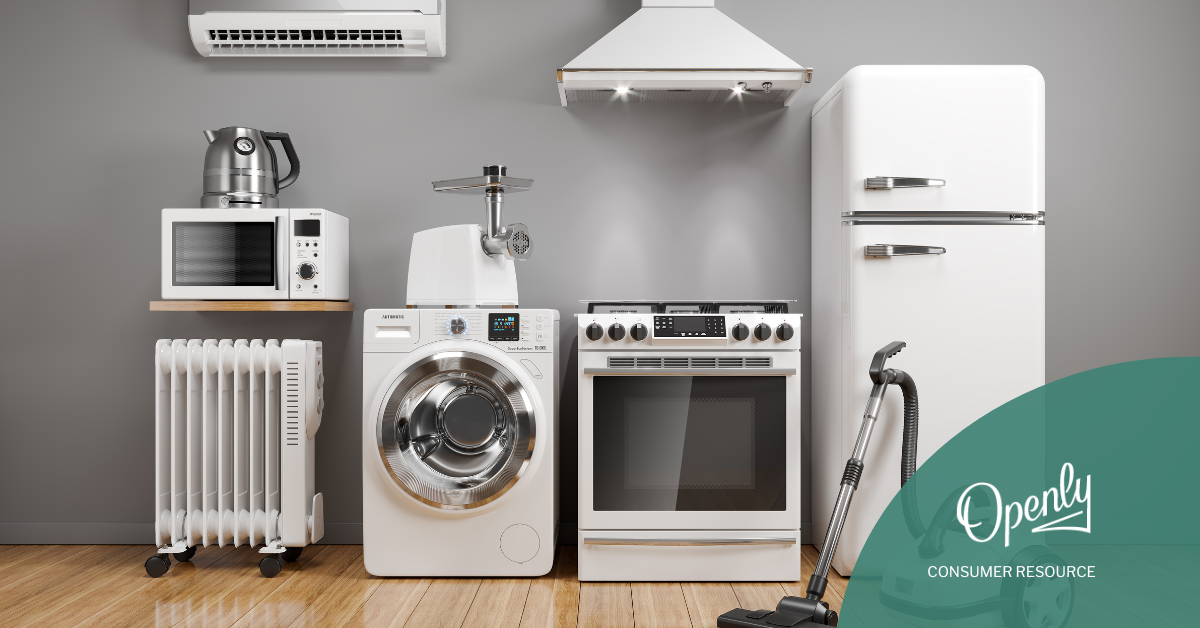
Have you ever wondered if your home insurance protects your kitchen appliances? Your fridge, oven, and dishwasher are more than just tools—they keep your daily life running smoothly.
But what happens if they suddenly break down or get damaged? Knowing whether your home insurance covers these essential items can save you a lot of stress and money. Keep reading to discover the truth about home insurance and kitchen appliances, so you can make sure your home—and your budget—are fully protected.

Credit: www.freeadvice.com
Home Insurance Basics
Understanding the basics of home insurance is crucial before figuring out if your kitchen appliances are covered. Many people assume their insurance will automatically cover all damages, but that’s not always true. Knowing what your policy includes helps you make smarter decisions and avoid surprises when you need to file a claim.
What Home Insurance Covers
Home insurance typically protects your property and belongings from specific risks like fire, theft, and certain natural disasters. It often covers structural damage to your house and personal items inside, but coverage can vary widely.
For example, if a fire damages your kitchen, your insurance might pay to repair the walls and replace damaged appliances. However, if an appliance breaks down due to normal wear and tear, that usually isn’t covered.
Ask yourself: Does your policy clearly list which risks are included? Are there any exclusions related to appliances? Understanding these details can save you from unexpected costs later.
Types Of Home Insurance Policies
There are several types of home insurance policies, each offering different levels of protection. The most common are:
- HO-1 (Basic Form):Covers a limited list of perils like fire or theft.
- HO-3 (Special Form):Covers all perils except those specifically excluded, offering broader protection.
- HO-5 (Comprehensive Form):Offers the most extensive coverage, including personal property on an open-peril basis.
Knowing which policy you have helps you understand if your kitchen appliances are protected. For instance, with an HO-3 policy, sudden damage from a covered peril is usually included, but mechanical breakdowns are not.
Have you reviewed your policy details lately? Checking the type of coverage can clarify whether your kitchen appliances fall under your home insurance or if you need additional protection.

Credit: www.boston25news.com
Coverage For Kitchen Appliances
Understanding coverage for kitchen appliances helps protect your home investment. Insurance policies vary, so knowing what is included matters. This section explains standard coverage, common exclusions, and typical appliances covered.
Standard Policy Inclusions
Most home insurance policies cover kitchen appliances against damage from fire, theft, and vandalism. They also protect appliances from water damage caused by burst pipes or storms. Some policies include coverage for accidental damage, but it is less common. Replacement cost coverage may apply, meaning you get the amount needed to replace the appliance.
Common Exclusions
Damage caused by normal wear and tear or mechanical failure usually is not covered. Flood damage often requires a separate policy. Damage from power surges may also be excluded unless you have additional coverage. Neglect or poor maintenance leading to appliance failure typically is not covered.
Appliance Types Usually Covered
- Refrigerators
- Ovens and stoves
- Dishwashers
- Microwaves
- Garbage disposals
- Built-in coffee makers
These appliances are generally included under standard home insurance policies. Portable kitchen appliances like mixers or toasters might not be covered, or may have limited coverage.
Claims Process For Appliance Damage
Dealing with appliance damage can be stressful, but understanding the claims process can make it smoother. Knowing what steps to take after your kitchen appliance breaks down or gets damaged helps you act quickly and improve your chances of a successful claim.
Filing A Claim
Start by notifying your insurance company as soon as possible. Most insurers allow you to file claims online, over the phone, or through their mobile app. Be clear and concise when describing what happened to your appliance.
Think about the timeline—did the damage happen suddenly, or was it a gradual issue? This detail can affect how your claim is handled. Prompt reporting also shows you’re serious and proactive.
Documentation Needed
Gathering the right documents is crucial. You’ll usually need:
- Proof of purchase or receipts for the appliance
- Photos or videos showing the damage
- A copy of your insurance policy
- Any repair estimates or invoices if you’ve already checked with a technician
Missing paperwork can delay your claim. Keep everything organized and ready to submit. Have you ever struggled to find a receipt just when you needed it most?
Claim Approval Factors
Approval depends on several factors, such as the cause of damage and your policy coverage. Damage from accidents, like a power surge, might be covered, but wear and tear often isn’t. Check if your policy includes appliance protection or if you need a separate rider.
Insurance companies also consider your deductible and claim history. A higher deductible means you’ll pay more out of pocket, which could influence whether it’s worth filing a claim. Knowing these details helps you make smarter decisions about your claim.
Additional Coverage Options
Home insurance can be a complex topic, especially when it comes to understanding the extent of coverage for kitchen appliances. While basic policies typically cover damages from events like fire or theft, they might not cover all scenarios related to appliance breakdowns or wear and tear. This is where additional coverage options come into play, offering you peace of mind and financial protection.
Extended Appliance Protection
Extended appliance protection is like a safety net for your valuable kitchen equipment. It goes beyond standard home insurance by covering mechanical failures and unexpected breakdowns. Think about that time your refrigerator unexpectedly stopped cooling just before a big family dinner. Extended protection would save you from the stress and cost of unexpected repairs.
Many providers offer this as an add-on, and it could be a wise investment if your kitchen is filled with high-end appliances. Before opting in, consider the appliance's age and the likelihood of issues arising. Does it make sense to protect your decade-old dishwasher?
Home Warranty Vs. Insurance
It's easy to confuse home warranties with insurance, but they serve different purposes. Home insurance typically covers your home and belongings against perils like theft or natural disasters. A home warranty, on the other hand, covers the repair or replacement of major home systems and appliances.
If you've ever wondered why your insurance didn't cover that stove repair, it might be because such repairs fall under a home warranty. Consider whether you want the immediate convenience of a home warranty or prefer the broader protection of insurance. What fits best with your lifestyle and budget?
Adding Riders Or Endorsements
Riders or endorsements are additional policy options that can enhance your existing coverage. They are perfect for customizing your insurance to fit your needs. For instance, if you have a top-of-the-line espresso machine, a rider could ensure it’s covered for more than just basic risks.
Adding a rider is often straightforward and can be done through your current insurer. However, always read the fine print to ensure it covers the scenarios you're most concerned about. Have you thought about what specific risks your appliances face?
Deciding on the right additional coverage options is key to protecting your kitchen appliances effectively. Evaluate your needs, consider your appliances' value, and choose the option that provides the right balance of coverage and cost.
Tips To Maximize Appliance Coverage
Maximizing your appliance coverage helps protect your kitchen investments. Taking simple actions can increase the chances of a successful claim. It also ensures your appliances stay in good shape longer. Follow these tips to get the most from your home insurance.
Regular Maintenance
Keep appliances clean and well-maintained. Check for leaks, cracks, or unusual noises often. Schedule professional inspections when needed. Regular care reduces breakdowns and helps prove your appliances were in good condition.
Keeping Receipts And Records
Save purchase receipts and repair bills. Keep a detailed list of your appliances, including make and model. Photographs can also help document the condition. This information speeds up claim processing and verifies your ownership.
Choosing The Right Policy Limits
Review your policy to understand coverage limits for appliances. Make sure the limits match the replacement cost of your items. Consider adding extra coverage or endorsements for high-value appliances. This avoids out-of-pocket expenses after damage or loss.
Credit: www.asurion.com
Common Misconceptions
Many homeowners assume that their kitchen appliances are fully protected under their home insurance policy. This belief can lead to costly surprises when an appliance breaks down or gets damaged. Understanding what home insurance actually covers helps you avoid false expectations and plan better for appliance protection.
What Isn’t Covered
Home insurance usually covers sudden and accidental damage, like a fire or theft. However, it often excludes damage caused by normal use or mechanical failure. So, if your refrigerator stops cooling because of an old compressor, your policy likely won’t pay for the repair or replacement.
Also, damages due to neglect or lack of maintenance are rarely covered. Have you ever thought about how often you check your appliances for wear and tear? Ignoring small issues could cost you when insurance denies a claim.
Difference Between Damage And Wear
Insurance covers unexpected damage, not the gradual wearing out of appliances. For example, if a dishwasher floods your kitchen due to a burst pipe, that sudden incident might be covered. But the slow decline in its performance over years won’t be.
This distinction is crucial because many people confuse wear and tear with damage. Ask yourself: is the problem a one-time event or the result of years of use?
Impact Of Appliance Age
Older appliances often face tougher scrutiny from insurance providers. The age of your kitchen appliances can affect whether a claim is approved or denied. Some policies limit coverage to appliances under a certain age or reduce payout amounts as appliances get older.
Think about your own appliances—how old are they? If they’re nearing the end of their typical lifespan, relying solely on home insurance might leave you unprotected.
Frequently Asked Questions
Does Home Insurance Cover Kitchen Appliance Damage?
Home insurance typically covers kitchen appliance damage caused by fire, theft, or natural disasters. However, coverage excludes normal wear and tear or mechanical breakdowns. Always check your policy details to understand specific protection and possible exclusions for kitchen appliances.
Are Kitchen Appliances Covered Under Standard Home Insurance?
Standard home insurance often covers kitchen appliances as part of personal property coverage. This includes damage from covered perils like fire or vandalism. Verify with your insurer if appliances require additional riders or endorsements for full protection.
Can I Claim Appliance Repair Under Home Insurance?
You can claim appliance repair only if damage results from covered events like fire or storm. Mechanical failures or maintenance issues are usually not covered. Review your policy terms to confirm claim eligibility for appliance repairs.
Does Home Insurance Cover Kitchen Appliance Theft?
Yes, home insurance generally covers kitchen appliance theft if stolen from your insured property. Coverage depends on your policy limits and deductible. Report theft promptly and provide necessary documentation for a smooth claim process.
Conclusion
Home insurance may cover kitchen appliances, but coverage varies. Check your policy carefully for specific details. Some damages, like fire or theft, often qualify for claims. Wear and tear usually does not get covered. Knowing your coverage helps avoid surprise costs later.
Consider extra protection if your appliances are expensive. Keep receipts and photos to support any claims. Understanding your insurance policy brings peace of mind. Stay informed and protect your kitchen wisely.