
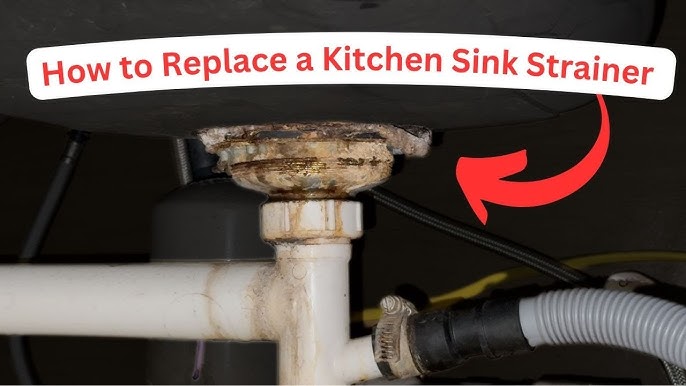
If you’ve ever tried to clean or fix your kitchen sink drain, you know that the drain cover can be tricky to remove. But don’t worry—taking off your kitchen sink drain cover is easier than you think.
You’ll discover simple steps that anyone can follow, even if you’re not a DIY expert. By the end, you’ll feel confident handling this small but important task yourself, saving time and avoiding unnecessary costs. Ready to get started? Let’s dive in!

Credit: www.youtube.com
Tools Needed
Before you start removing your kitchen sink drain cover, gathering the right tools can save you time and frustration. Having everything on hand means you won’t have to stop midway to find what you need. Let’s look at what tools will make this task easier and more efficient.
Common Household Tools
Many kitchen sink drain covers can be removed using items you probably already have at home. A flathead screwdriver often works well to pry off covers that snap into place. If the cover is held by screws, a Phillips screwdriver will be necessary.
Sometimes, a pair of pliers can help you grip and turn stubborn parts. Even a butter knife can serve as a makeshift prying tool if you don’t have a screwdriver. Have you checked your junk drawer lately? You might be surprised at how many useful tools are hiding there.
Specialized Drain Removal Tools
For tougher jobs, specialized tools can make the process smoother. A drain key or a sink drain wrench is designed to fit into the drain and twist off the cover without damaging it. These tools reduce the risk of scratching your sink or injuring your hands.
Another handy item is a basin wrench, especially useful if you need to reach deeper or awkward angles under the sink. These tools might not be in every household, but they’re worth investing in if you plan to do more plumbing work yourself. Have you ever struggled to remove a drain cover and wished you had the right tool? This might be the solution.
Preparing The Area
Clear the sink area and remove any dishes or items nearby. Gather tools like a screwdriver and gloves for safety. Ensure the workspace is dry to prevent slipping or accidents.
Preparing the area around your kitchen sink is a crucial first step in removing the drain cover. A well-prepared area not only ensures a smoother process but also helps prevent any unwanted messes. By taking a few simple steps, you can make your task more manageable and efficient.
Clearing The Sink
Start by emptying your sink of any dishes, utensils, or other items. A clear sink gives you the space needed to work comfortably without obstructions. Consider giving the sink a quick rinse to remove any leftover food particles or debris that might get in the way. Next, remove any sink mats or protective covers. This opens up the area and allows you to see exactly what you’re working with. It also prevents these items from getting wet or dirty during the process.
Safety Precautions
Before diving in, think about your safety. Make sure the area is well-lit so you can clearly see what you’re doing. A small flashlight can be a handy tool if your sink area is dimly lit. Protect your hands by wearing gloves. This not only shields you from grime but also helps prevent cuts from any sharp edges. If you’re using any tools, ensure they are in good condition and suitable for the task. Have a towel or cloth nearby to quickly clean up any spills. This keeps your workspace tidy and reduces the risk of slipping. By preparing your area thoughtfully, you set the stage for a hassle-free experience. Have you ever overlooked a simple step that complicated your task? Share your stories in the comments!
Locating The Drain Cover
Before you can remove your kitchen sink drain cover, you need to find it first. Locating the drain cover is simple but requires attention to detail. Knowing exactly what to look for will save you time and prevent damage to your sink.
Types Of Drain Covers
Kitchen sink drain covers come in various styles. Some are flat and sit flush with the sink surface, while others have a raised design with holes or slits to let water pass through.
You might find:
- Pop-up coversthat can be pushed to open or close.
- Strainer coverswith small holes to catch debris.
- Grid coversthat have a metal mesh or grid pattern.
Each type affects how you approach removal. Have you noticed which type your sink has?
Identifying Fasteners
Fasteners hold the drain cover in place, but not all covers use the same kind. Some are screwed in, while others snap on or are sealed with plumber’s putty.
Look closely for:
- Screwsaround the edge of the cover.
- Clips or tabsthat lock it down.
- Seals
Knowing the type of fastener helps you choose the right tools and avoid unnecessary force. Have you checked under your sink to see how the cover is attached?
Removing The Drain Cover
Removing the drain cover is the first step in cleaning or fixing your kitchen sink drain. It helps to clear clogs and inspect the drain for damage. This process is simple if you follow the right techniques. Drain covers come in different types, so use the method that suits your cover best.
Unscrewing Fasteners
Many drain covers are held by screws or fasteners. Find a screwdriver that fits the screws perfectly. Turn the screws counterclockwise to loosen them. Keep the screws safe to avoid losing them. After all screws are removed, lift the cover gently. If the cover does not lift easily, check for hidden screws or clips.
Prying Off The Cover
Some covers snap in place without screws. Use a flat tool like a butter knife or flathead screwdriver. Insert the tool’s tip under the cover’s edge carefully. Twist or lift the tool to pop the cover off. Work your way around the cover for even pressure. Avoid using too much force to prevent damage.
Handling Stubborn Covers
Stubborn covers may be stuck due to grime or rust. Apply a little cooking oil or WD-40 around the edges. Let it sit for a few minutes to loosen buildup. Try prying or unscrewing again after this. Use a rubber grip or cloth to improve your hold. For very tight covers, tapping gently with a hammer can help loosen it.
Cleaning After Removal
Cleaning after removing the kitchen sink drain cover is essential to keep your sink fresh and working well. Dirt and grime often build up under the cover. This can cause bad smells and slow drainage. Proper cleaning helps avoid clogs and keeps pests away.
Removing Debris
Start by clearing away any visible debris around the drain opening. Use gloves to pull out hair, food bits, and soap scum. A small brush or old toothbrush helps scrub stubborn dirt. Rinse the area with warm water to wash away loosened grime. Check the drain cover itself and clean it thoroughly before reinstalling.
Inspecting The Drain
Look inside the drain for blockages or damage. Shine a flashlight to see deep inside. Notice any build-up or rust. If you find buildup, use a drain cleaner or a mixture of baking soda and vinegar to clear it. Inspect the drain edges for cracks or wear. Fixing small problems early avoids costly repairs later.

Credit: www.familyhandyman.com
Replacing Or Reinstalling The Cover
Replacing or reinstalling your kitchen sink drain cover can make a big difference in both the look and function of your sink. Whether your old cover is damaged or you just want a fresh design, choosing the right replacement and installing it correctly is key. Let’s look at how you can make this process smooth and effective.
Choosing A Replacement
Start by measuring your current drain cover carefully. The diameter and style need to match your sink to avoid leaks or poor fit. If you’re unsure, bring the old cover to the store or check the manufacturer’s website for exact specs.
Consider the material too. Stainless steel covers are durable and resist rust, while plastic ones might be cheaper but wear out faster. Think about how often you use your sink and what type of maintenance fits your lifestyle.
Have you thought about upgrading to a cover with a built-in strainer? This small change can prevent clogs and make cleaning easier. It’s a simple way to add function without complicated plumbing work.
Proper Installation Tips
Before installing, clean the drain area thoroughly to remove any grime or old sealant. This helps the new cover sit flush and prevents leaks. You want a tight seal to keep everything working smoothly.
Place the new cover carefully, aligning it with the drain opening. If your cover uses screws, tighten them evenly to avoid warping the cover or damaging the sink. For snap-in types, press firmly until you feel it click into place.
Check for leaks by running water after installation. If you notice any drips, double-check the fit or add plumber’s putty around the edges for extra sealing. Proper installation saves you time and hassle later on.

Credit: www.youtube.com
Frequently Asked Questions
How Do I Remove A Kitchen Sink Drain Cover Safely?
To remove a kitchen sink drain cover safely, use a screwdriver or pliers. Unscrew or gently pry the cover without damaging the sink. Always wear gloves to protect your hands from sharp edges.
What Tools Are Needed To Take Off Drain Covers?
You typically need a flathead screwdriver, pliers, or a wrench. Some covers twist off by hand, while others require loosening screws. Having a flashlight helps you see clearly under the sink.
Can I Remove The Drain Cover Without Professional Help?
Yes, most drain covers can be removed easily at home. Follow simple steps like unscrewing or prying gently. If the cover is stuck, apply some lubricant to loosen it.
How Do I Clean The Drain After Removing The Cover?
After removal, clean the drain with a brush and mild detergent. Remove debris and buildup to prevent clogs. Rinse thoroughly with hot water for best results.
Conclusion
Removing a kitchen sink drain cover is simple with the right steps. Use basic tools and take your time. Clean the area well to avoid clogs and smells. Regular maintenance keeps your sink working smoothly. Now you can handle this task safely and easily.
Keep these tips in mind for future sink care. Little fixes can save time and money later. A clean sink makes your kitchen nicer and more hygienic.