
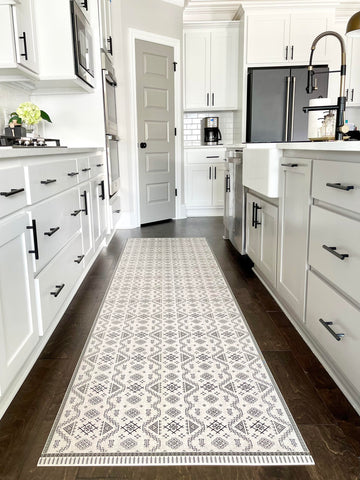
Your kitchen mat works hard every day, catching spills, crumbs, and dirt while you cook and clean. But when was the last time you gave it a proper wash?
If your mat looks dull or smells less than fresh, it’s time to take action. Washing your kitchen mat not only keeps your space cleaner but also protects your health and extends the life of the mat. In this guide, you’ll discover simple, effective steps to clean your kitchen mats quickly and easily.
Ready to refresh your kitchen floor? Let’s dive in.
Choosing The Right Cleaning Method
Choosing the right cleaning method for your kitchen mats is important. Different mats require different care to stay clean and last longer. Understanding the best way to clean your mat helps prevent damage and keeps it looking fresh.
Material Matters
Kitchen mats come in many materials like rubber, foam, fabric, and vinyl. Each material reacts differently to water, soap, and heat. For example, rubber mats often need simple wiping or gentle scrubbing. Fabric mats might need a deeper wash but can shrink if washed too harshly. Knowing the material guides you to pick the safest cleaning method.
Check Care Labels
Care labels provide specific instructions from the maker. These labels show if the mat can be machine washed or must be hand cleaned. They also advise on water temperature and drying options. Following these instructions prevents mistakes like fading colors or breaking fibers. Always look for symbols or notes on the back of the mat before cleaning.

Credit: www.amazon.com
Preparing Your Kitchen Mat
Getting your kitchen mat ready for washing is the key to a deeper clean. Dirt and crumbs hide in the fibers, and if you don’t remove them first, they can make washing less effective. Taking a few simple steps before washing will help your mat look fresher and last longer.
Shake Off Debris
Take your kitchen mat outside and give it a good shake. This quick action helps knock loose crumbs, dust, and small bits of food off the surface. If you notice stubborn dirt, try tapping the mat against a hard surface to dislodge particles trapped deep inside.
Have you ever been surprised by how much falls off during this simple step? It’s a reminder that even when your mat looks clean, it might be hiding quite a bit.
Vacuum Thoroughly
After shaking, use a vacuum cleaner to go over your kitchen mat carefully. Focus on both sides, especially if the back has a textured surface that traps dirt. Use the brush attachment to get into the fibers without damaging them.
Vacuuming not only removes fine dust but also makes washing more effective by preventing dirt from settling back in. Do you usually vacuum your mat regularly, or is it a step you tend to skip?
Washing Techniques
Washing kitchen mats properly keeps them clean and fresh for longer use. Different mats require different washing methods. Choose the right technique based on the mat’s material and care instructions. Follow these simple washing techniques to maintain your kitchen mats.
Machine Washing Tips
Check the care label before putting the mat in the washer. Use a gentle cycle with cold water to avoid damage. Add mild detergent without bleach or fabric softeners. Avoid washing mats with heavy items that can cause wear. After washing, air dry the mat flat to keep its shape. Do not use a dryer unless the label says it is safe.
Hand Washing Steps
Fill a basin or tub with warm water and mild detergent. Soak the mat for 10 to 15 minutes to loosen dirt. Use a soft brush or cloth to scrub stains gently. Rinse the mat thoroughly with clean water to remove soap. Squeeze out excess water without twisting the mat. Lay the mat flat or hang it to dry completely before use.
Spot Cleaning Tricks
Mix a small amount of dish soap with warm water. Dip a cloth or sponge into the solution and dab the stain. Gently rub the area in circles to lift dirt. Use a clean, damp cloth to wipe away soap residue. Let the spot air dry fully to prevent mildew. For tough stains, repeat the process or use a stain remover safe for mats.

Credit: www.youtube.com
Drying And Maintenance
Air dry kitchen mats flat or hang them in a shaded area to prevent fading. Regularly check for moisture to avoid mold and maintain freshness. Clean mats last longer and keep your kitchen safe.
Drying and maintaining kitchen mats is crucial for their longevity. Proper drying prevents mold and mildew. Consistent maintenance keeps them looking fresh and extends their lifespan. Let's explore effective techniques to dry and maintain your kitchen mats.
Air Drying Best Practices
Air drying is gentle and effective. Lay mats flat on a clean, dry surface. Ensure they are completely dry before use. Hanging them on a clothesline can help. Keep them out of direct sunlight to prevent fading. Use fans indoors to speed up drying time.
Avoiding Damage
Avoid harsh wringing or twisting of mats. This can damage fibers. Be cautious with heavy-duty dryers. High heat can shrink or warp mats. Check care labels for any specific instructions. Use gentle settings if machine drying is necessary. Regularly check for signs of wear and tear.
Regular Upkeep
Vacuum mats weekly to remove dirt and debris. Shake them outdoors to dislodge dust. Spot clean spills immediately to prevent stains. Use mild detergent for cleaning. Rinse thoroughly to remove soap residue. Inspect mats regularly for any signs of damage. Replace when necessary to maintain hygiene.
Dealing With Stubborn Stains
Stubborn stains on kitchen mats can spoil their look and feel. These marks often come from oil, food spills, or dirt that sinks deep. Cleaning these spots requires a careful approach to protect the mat’s material. Using the right cleaning agents and techniques helps bring back the mat’s fresh appearance without damage.
Natural Remedies
Natural remedies offer a safe way to treat tough stains. They use simple ingredients found at home. These solutions are gentle on fabric and safe for the environment.
- Mix baking soda and water to form a paste. Apply it to the stain and let it sit for 15 minutes. Scrub gently with a soft brush, then rinse.
- White vinegar works well against grease stains. Spray it directly on the spot and blot with a clean cloth. Rinse afterward.
- Lemon juice is a natural bleach. Dab lemon juice on the stain, leave for 10 minutes, then wash as usual.
- Salt helps lift fresh spills. Sprinkle salt over the stain, wait 10 minutes, then vacuum or brush off.
These natural options reduce harsh chemical use and keep mats looking clean.
Commercial Cleaners
Commercial cleaners are effective for deep, stubborn stains. Choose products made for fabric or rugs to avoid damage. Always test on a small area first.
- Use enzyme-based cleaners for organic stains like food or grease. They break down stain particles effectively.
- Foam carpet cleaners work well on thick or dried stains. Apply foam, let it sit, then blot and rinse.
- Spot stain removers target specific marks without soaking the whole mat.
- Follow product instructions carefully for best results and safety.
Proper use of commercial cleaners can restore kitchen mats quickly and thoroughly.
Credit: www.amazon.ae
Frequently Asked Questions
How Often Should I Wash Kitchen Mats?
Washing kitchen mats every 1 to 2 weeks keeps them clean and hygienic. Frequent washing prevents dirt buildup and bacteria growth. If mats are heavily soiled, clean them more often to maintain freshness and safety in your kitchen area.
Can I Machine Wash All Kitchen Mats?
Not all kitchen mats are machine washable. Check the care label before washing. Rubber-backed mats usually need hand washing. Fabric mats often handle machine washing on gentle cycles. Proper cleaning methods ensure mats last longer and stay effective.
What Detergent Is Best For Washing Kitchen Mats?
Use mild detergent to clean kitchen mats safely. Harsh chemicals can damage fibers and backing. A gentle detergent effectively removes dirt and stains without harming the mat’s material. Always rinse mats thoroughly to remove soap residues.
How Do I Dry Kitchen Mats After Washing?
Air drying is best for kitchen mats to prevent damage. Avoid direct sunlight, which may fade colors. For fabric mats, hang them or lay flat to dry. Rubber-backed mats should be completely dry before use to avoid slipping.
Conclusion
Keeping kitchen mats clean helps maintain a fresh cooking space. Regular washing removes dirt, spills, and germs easily. Use mild soap and warm water for gentle cleaning. Let the mats dry completely before placing them back. Clean mats last longer and stay safe to use.
Simple care saves time and keeps your kitchen neat. Try these easy steps to keep mats spotless and fresh. Your kitchen will feel cleaner and more inviting every day. Small efforts bring big results in kitchen hygiene.