
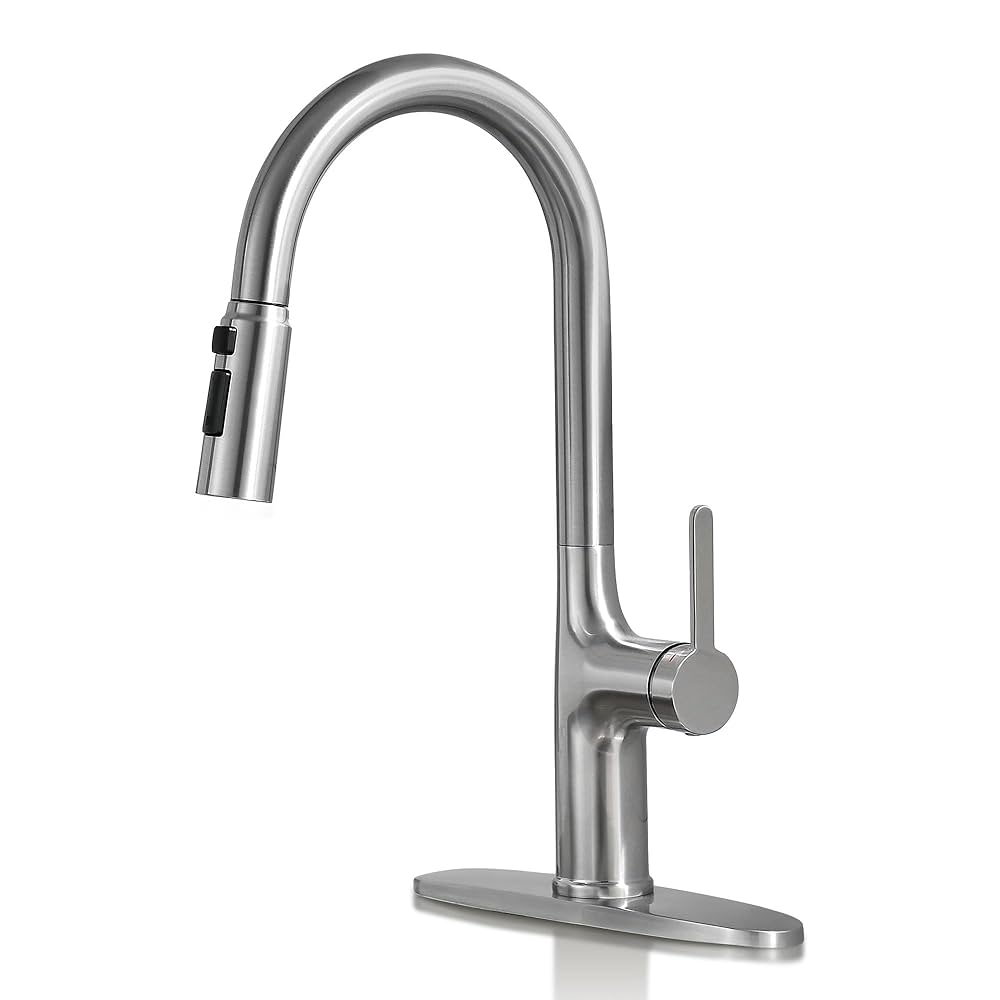
Your brushed nickel kitchen faucet adds a sleek, modern touch to your space. But keeping it looking shiny and new can be tricky.
Water spots, fingerprints, and grime build up fast, making your faucet dull and hard to clean. What if you could restore its sparkle quickly, without harsh chemicals or hours of scrubbing? In this guide, you’ll discover simple, effective steps to clean your brushed nickel faucet the right way.
By the end, you’ll know exactly how to protect your investment and keep your kitchen looking fresh every day. Ready to make your faucet shine like new? Let’s dive in!

Credit: www.mod-land.com
Choosing Safe Cleaning Materials
Choosing safe cleaning materials for your brushed nickel kitchen faucet is essential to keep its elegant finish intact. Using the wrong products can cause dullness or damage, turning your sleek fixture into an eyesore. You want to maintain that beautiful shine without risking any harm.
Avoiding Harsh Chemicals
Harsh chemicals like bleach, ammonia, or abrasive cleaners can strip the protective layer on brushed nickel. This causes discoloration and can leave scratches that ruin the smooth texture. Have you ever noticed how some cleaners leave a residue or roughness? That’s often the result of these aggressive substances.
Steer clear of anything labeled "abrasive" or "heavy-duty." Even some common household cleaners fall into this category and should be avoided. Instead, focus on gentle options that clean without compromising the finish.
Recommended Cleaning Solutions
Simple mixtures often work best on brushed nickel. A blend of mild dish soap and warm water can easily remove fingerprints and grime without any damage. Just dip a soft cloth into the solution, wring it out, and wipe your faucet gently.
For tougher spots, a 50/50 mix of white vinegar and water is effective. Vinegar naturally cuts through mineral deposits without harming the metal. Always test a small area first to ensure no reaction occurs.
- Use a microfiber cloth to avoid scratching the surface.
- Dry the faucet immediately after cleaning to prevent water spots.
- Consider applying a thin layer of car wax to protect the finish.
Would you have thought that something as simple as dish soap could be your faucet’s best friend? Sometimes, the easiest solutions turn out to be the safest and most effective.
Preparing The Faucet For Cleaning
Before you dive into cleaning your brushed nickel kitchen faucet, it's important to prepare the area properly. Preparation ensures that the cleaning process is effective and prevents any accidental damage to nearby surfaces or fixtures.
Removing Surface Debris
Start by wiping the faucet with a dry microfiber cloth to remove loose dust and debris. This simple step prevents scratching the finish when you apply cleaning solutions later.
If you notice any stubborn spots like dried water droplets or soap scum, dampen the cloth slightly with warm water and gently rub those areas. Avoid using abrasive materials or scrubbing pads that could harm the brushed nickel surface.
Protecting Surrounding Areas
Cleaning liquids can splash onto your countertop or sink, potentially causing stains or damage. Protect these areas by placing a towel or waterproof cloth around the base of the faucet.
Take a moment to remove or cover any nearby delicate items such as dish soap bottles or sponges. This preparation saves you from cleaning up spills or replacing damaged items later.
Step-by-step Cleaning Process
Keeping your brushed nickel kitchen faucet looking fresh and spotless doesn't have to be a chore. A simple, step-by-step cleaning process can help maintain its elegant finish and prevent dullness or water spots. Let's walk through how to clean your faucet effectively without damaging its delicate surface.
Applying The Cleaning Solution
Start by choosing a gentle cleaning solution. A mix of warm water and a few drops of mild dish soap works perfectly without harming the brushed nickel finish.
Use a soft cloth or a sponge to apply the solution evenly over the faucet. Avoid harsh chemicals or abrasive cleaners—they can strip the finish and leave marks.
Gentle Scrubbing Techniques
Use a soft-bristled toothbrush or a non-abrasive sponge to gently scrub the faucet, especially around crevices and joints where dirt and grime accumulate.
Be patient and use light pressure. Scrubbing too hard can damage the brushed texture and make the surface look uneven.
Rinsing And Drying
Rinse the faucet thoroughly with clean water to remove all soap residue. Residue left behind can cause streaks or dullness.
Finally, dry the faucet with a microfiber cloth to prevent water spots and restore its natural shine. Do you notice how this small extra step makes a big difference in the faucet’s appearance?

Credit: www.amazon.com
Removing Water Spots And Stains
Brushed nickel kitchen faucets add elegance to any kitchen. But, they can develop water spots and stains over time. These blemishes can dull their shine. Cleaning them requires gentle care to maintain their finish. Let's explore some effective methods to remove those pesky spots and stains.
Using Vinegar For Tough Spots
Vinegar is a natural cleaner. It can tackle stubborn water spots. Mix equal parts of vinegar and water. Dip a soft cloth into the solution. Gently rub the affected areas. Let it sit for a few minutes. Rinse with warm water and dry with a soft towel.
Polishing For Shine
Once water spots are removed, polishing brings back the faucet's shine. Use a non-abrasive cloth. Apply a small amount of baby oil or mineral oil. Rub gently in circular motions. This method also helps protect the finish. Regular polishing keeps the faucet looking new.
Preventing Future Build-up
Preventing future build-up on your brushed nickel kitchen faucet is key to keeping it looking fresh and new. Regular care doesn’t just protect the finish; it also saves you time and effort in the long run. Small habits can make a big difference in maintaining that sleek, matte shine.
Regular Maintenance Tips
Wiping your faucet down with a soft, damp cloth after each use removes water spots and prevents mineral deposits. Try to dry the faucet completely to avoid water marks. Using mild soap mixed with warm water once a week helps keep away grime without damaging the finish.
Check for any spots where water tends to pool, like around the base or handle, and dry those areas carefully. You can also use a mixture of equal parts vinegar and water for a gentle deep clean every month—but don’t leave it on too long. Rinse thoroughly and dry afterward to protect the brushed nickel surface.
Avoiding Common Mistakes
Avoid harsh cleaners with bleach, ammonia, or abrasive scrubbing pads. These can scratch or dull the brushed nickel finish quickly. Steer clear of using lemon or other acidic fruit-based cleaners directly on the faucet to prevent discoloration.
Don’t ignore small spots of build-up; they get harder to remove over time and can permanently damage the finish. Also, avoid letting hard water sit on the faucet for long periods—drying it immediately after use is much more effective. Are you unintentionally using products that harm your faucet’s appearance?
When To Call A Professional
Knowing when to call a professional for your brushed nickel kitchen faucet can save you time, money, and frustration. Some issues may seem manageable but require specialized tools or expertise to fix properly. Recognizing these moments helps you avoid causing further damage or voiding your faucet’s warranty.
Persistent Leaks That Don’t Stop
If you’ve tried tightening connections and replacing washers but water still drips, it’s time to get expert help. Persistent leaks can signal worn-out internal parts or corrosion that only a professional can address effectively.
Ignoring a continuous leak risks water damage under your sink and higher water bills. Have you noticed water pooling or constant dripping despite your efforts? That’s a clear sign to call a plumber.
Broken Or Stuck Handles
When your faucet handle is stuck, loose, or broken, forcing it can cause more harm. Brushed nickel fixtures often have delicate components that require careful handling during repairs.
A professional has the right tools and replacement parts to fix or replace handles without scratching or damaging the finish. If your handle doesn’t move smoothly or feels fragile, don’t hesitate to seek help.
Unusual Noises Or Water Pressure Problems
Strange noises like squeaking or banging, or a sudden drop in water pressure, might mean internal blockages or valve issues. These problems are hard to diagnose without experience.
Calling a professional ensures they identify the root cause and fix it correctly, preventing recurring issues. Have you noticed your faucet sounds different or the water flow feels weak? It’s better to get it checked soon.
Damage To The Brushed Nickel Finish
If your faucet’s finish has scratches, discoloration, or corrosion, a professional can often restore it properly. DIY attempts with harsh cleaners or abrasive tools might worsen the damage.
Experts know which products and techniques preserve the brushed nickel look while cleaning or repairing. Protect your investment by trusting a pro when the finish looks compromised.
Credit: www.rd.com
Frequently Asked Questions
How Do I Clean Brushed Nickel Faucets Safely?
Use mild soap, warm water, and a soft cloth. Avoid abrasive cleaners or scrubbers to prevent scratches. Dry with a microfiber cloth to maintain the finish and prevent water spots. Regular gentle cleaning keeps the faucet looking new and shiny.
Can Vinegar Damage Brushed Nickel Finishes?
Vinegar is acidic and can dull or damage brushed nickel finishes if used undiluted. Always dilute vinegar with water before cleaning. Use it sparingly and rinse thoroughly afterward. For regular cleaning, mild soap is safer and equally effective.
What Household Items Clean Brushed Nickel Faucets?
Mild dish soap, warm water, and a microfiber cloth work best. Avoid bleach, ammonia, or abrasive pads. Baking soda paste can help with tough stains but rinse well after. These items clean effectively without harming the brushed nickel surface.
How Often Should I Clean Brushed Nickel Kitchen Faucets?
Clean your faucet weekly to prevent buildup and water spots. Regular maintenance preserves the finish and functionality. Quick, gentle cleaning avoids grime accumulation and keeps your kitchen faucet looking fresh and new.
Conclusion
Cleaning brushed nickel kitchen faucets keeps them shiny and fresh. Use gentle cleaners to avoid damage. Regular wiping prevents water spots and dirt buildup. Soft cloths work best for a smooth finish. Avoid harsh scrubbing that can scratch the surface.
Simple care helps your faucet look new longer. Small efforts save time and money on repairs. Try these tips to keep your kitchen faucet bright. Clean faucets make your kitchen feel welcoming and neat. Easy steps, lasting shine.