
Are you tired of your kitchen sponge getting smelly and worn out too quickly? You’re not alone.
Many people struggle with finding a better, cleaner, and longer-lasting way to keep their dishes spotless. What if you could switch to something that not only cleans just as well but also lasts longer and stays fresher? You’ll discover smart alternatives to your regular kitchen sponge that can make your cleaning routine easier and more hygienic.
Keep reading to find the perfect solution for your kitchen!
Why Ditch Kitchen Sponges
Kitchen sponges seem handy but cause many problems. They hold germs and wear out fast. Many people toss them often, creating waste. Choosing alternatives helps health and the planet.
Health Risks Of Traditional Sponges
Sponges soak up food bits and moisture. This makes a perfect home for bacteria and mold. Harmful germs can spread to dishes and hands. Some bacteria cause stomach pain and infections. Cleaning sponges often is hard and unreliable. Using dirty sponges increases sickness risk.
Environmental Impact
Most kitchen sponges are made from plastics. They do not break down easily after use. Discarded sponges add to landfill waste. Chemicals in sponges can harm soil and water. Producing sponges uses energy and resources. Choosing eco-friendly options reduces pollution and waste.
Reusable Cloths
Reusable cloths offer a smart alternative to kitchen sponges. They clean surfaces effectively and last longer. These cloths reduce waste and save money. They come in different materials, each with its own benefits.
Cotton Dishcloths
Cotton dishcloths are soft and absorbent. They soak up spills quickly and wipe surfaces clean. These cloths dry fast, which helps prevent bacteria growth. They can be washed and reused many times. Cotton is gentle on delicate dishes and glassware.
Use them to scrub plates, counters, and sinks without scratching. They also work well for drying hands and dishes. Cotton dishcloths come in many colors and patterns. This variety makes it easy to separate cloths for different tasks.
Microfiber Cloths
Microfiber cloths trap dirt and grease effectively. Their tiny fibers reach into small crevices and corners. They clean without the need for strong chemicals. Microfiber cloths dry quickly and resist odors. They are durable and can be machine washed.
These cloths are perfect for wiping glass and stainless steel. They leave surfaces streak-free and shiny. Microfiber is ideal for deep cleaning kitchen appliances. Use them for spills, dust, and grime with ease.
Natural Scrubbers
Natural scrubbers offer a fantastic alternative to traditional kitchen sponges. They are eco-friendly, durable, and often come from renewable resources. Using these options can help reduce plastic waste while still getting your dishes and surfaces sparkling clean.
Loofah Sponges
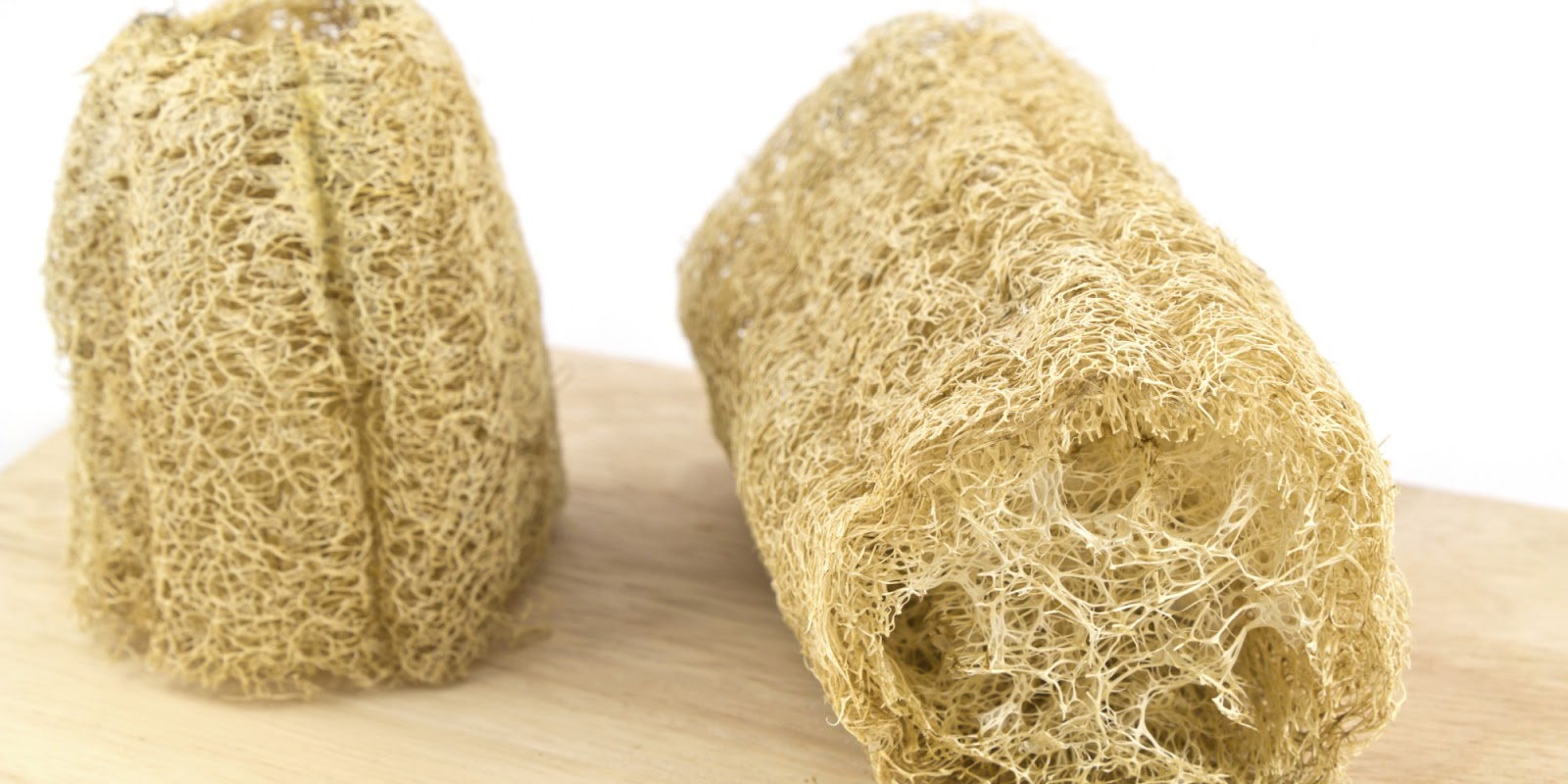
Loofah sponges come from the fibrous interior of the loofah plant. They have a rough texture that works well for scrubbing pots and pans without scratching. After using a loofah, you can rinse and let it dry completely to keep it fresh and mold-free.
Have you tried a loofah sponge for cleaning? Many find it surprisingly effective and long-lasting compared to synthetic sponges.
Coconut Fiber Brushes
Coconut fiber brushes are made from the stiff fibers of coconut husks. These brushes are excellent for tough grime and stuck-on food. The natural fibers are biodegradable, so you can compost them once they wear out.
Using a coconut fiber brush might feel different at first, but it’s a great way to handle stubborn messes without chemicals or plastic.
Hemp Scrubbers
Hemp scrubbers are crafted from hemp fibers, known for their strength and durability. They provide gentle scrubbing power that’s safe for delicate surfaces like glass and ceramic. Plus, hemp grows quickly and needs fewer pesticides, making it a sustainable choice.
Would you consider switching to hemp scrubbers to support a greener kitchen routine? Many users appreciate how long they last and how easily they clean.
Silicone Scrubbers
Silicone scrubbers offer a hygienic alternative to traditional kitchen sponges. Their non-porous surface resists bacteria and odors. Easy to clean and durable, they provide an efficient cleaning solution.
Silicone scrubbers are a modern kitchen must-have. They offer a hygienic and efficient alternative to traditional kitchen sponges. Made from flexible silicone, these scrubbers resist bacteria and odors. They are easy to handle and clean, making them a favorite among home cooks. Their vibrant colors and unique designs add a touch of fun to any kitchen. Let's explore their benefits in more detail.
Durability And Cleaning Power
Silicone scrubbers last longer than regular sponges. Their tough material withstands daily wear and tear. Unlike sponges, they don't tear or crumble. They maintain their shape after repeated use. Silicone scrubbers are gentle yet effective. They clean dishes without scratching surfaces. Their soft bristles reach into corners and crevices. They tackle stubborn food residues with ease.
Easy Maintenance
Silicone scrubbers require minimal upkeep. They are dishwasher safe for hassle-free cleaning. Simply toss them in with your dishes. You can also rinse them with hot water. This removes food particles and bacteria. Their non-porous surface dries quickly. This prevents mold and mildew growth. Regular cleaning keeps them fresh and hygienic.
Bamboo Brushes
Bamboo brushes offer a refreshing alternative to traditional kitchen sponges. They bring durability and eco-friendliness together in one handy tool. Many people find their natural bristles effective for scrubbing without scratching delicate surfaces.
Sustainable Material Benefits
Bamboo grows quickly and needs very little water, making it a highly renewable resource. Choosing bamboo brushes helps reduce plastic waste from disposable sponges that clutter landfills. Plus, bamboo is naturally antibacterial, which means your brush stays cleaner longer without harsh chemicals.
Have you noticed how some kitchen tools feel sturdy yet lightweight? Bamboo brushes strike that balance perfectly, making scrubbing less tiring. Their biodegradable nature means you can compost them after use, closing the loop on waste.
Variety Of Uses
Bamboo brushes aren’t limited to just washing dishes. You can use them for cleaning fruits and vegetables, scrubbing pots and pans, or even tackling tough stains on countertops. Their stiff bristles reach into crevices that sponges often miss.
Many people appreciate how bamboo brushes dry quickly, reducing the chance of mold growth. Imagine having one tool that handles multiple tasks around your kitchen. Wouldn’t that simplify your cleaning routine and save space?

Credit: www.regn.co.uk
Diy Cleaning Tools
DIY cleaning tools offer a smart alternative to traditional kitchen sponges. They reduce waste and save money. Making your own cleaning supplies ensures you control the materials used. This approach is gentle on the environment and your skin. Simple projects can turn old fabrics into useful cleaning pads. These tools clean well and last longer than many store-bought sponges.
Making Your Own Cloth Pads
Cloth pads are easy to create at home. Use soft, absorbent fabric like cotton or flannel. Cut the material into squares or circles, about 4-5 inches wide. Sew two pieces together, leaving a small opening. Stuff with soft fabric scraps or microfiber cloth pieces. Close the opening with a few stitches. These pads work great for washing dishes and wiping counters. They can be washed and reused many times.
Upcycling Old Textiles
Old textiles give new life as cleaning tools. Use worn-out T-shirts, towels, or sheets. Cut them into small pieces or strips. Thick fabrics work well for scrubbing tough stains. Thin ones are perfect for gentle cleaning. Keep a box for textile scraps in your laundry room. This way, you always have material ready for new cleaning pads. Upcycling saves fabric from landfills and reduces plastic use.
Tips For Maintaining Alternatives
Choosing alternatives to kitchen sponges is a smart step for hygiene and sustainability. These alternatives need proper care to last long and stay clean. Following simple tips helps keep them fresh and effective. Caring well means fewer replacements and better kitchen health.
Cleaning And Drying
Rinse alternatives thoroughly after each use to remove food particles. Squeeze out excess water to avoid moisture buildup. Let them air dry completely in a well-ventilated area. Avoid leaving damp alternatives in the sink or closed containers. Regular cleaning can include soaking in vinegar or baking soda solutions for extra freshness. Drying quickly helps prevent bacteria growth and bad odors.
Extending Lifespan
Rotate between multiple cleaning tools to reduce wear. Wash cloths or brushes in hot water regularly to kill germs. Store alternatives separately from raw food to avoid contamination. Replace alternatives at the first sign of damage or persistent smell. Using gentle detergents protects fibers and materials. Proper care keeps these tools effective and saves money over time.
Credit: www.discovermagazine.com
Choosing The Right Alternative
Choosing the right alternative to a kitchen sponge helps keep your kitchen clean and safe. Different cleaning tools work better for certain tasks. Picking the best one depends on what you need and what you like. This section helps you find the perfect match for your cleaning needs.
Matching Tool To Cleaning Task
Different kitchen jobs need different tools. Soft cloths work well for wiping counters and light cleaning. Scrubby brushes handle stuck-on food and tough stains better. For delicate dishes, use a gentle cloth or a non-abrasive pad. Heavy pots and pans may need a stronger brush or a scrub pad. Choosing the right tool saves time and protects your dishes.
Personal Preferences
Your choice depends on what feels comfortable and easy to use. Some prefer reusable cloths that can be washed often. Others like biodegradable scrubbers for an eco-friendly option. Think about how much time you want to spend cleaning. Also, consider how easy it is to clean the tool itself. Pick something that fits your style and kitchen habits.

Credit: www.regn.co.uk
Frequently Asked Questions
What Are The Best Alternatives To A Kitchen Sponge?
Natural scrubbers like cellulose cloths, bamboo brushes, and silicone scrubbers are excellent alternatives. They resist bacteria better and last longer than traditional sponges.
How Can I Clean Dishes Without Using A Sponge?
Use dishcloths, scrub brushes, or steel wool pads to clean dishes effectively. These tools avoid sponge-related bacteria buildup and dry quickly.
Why Avoid Using Kitchen Sponges For Cleaning?
Kitchen sponges harbor bacteria and mold due to moisture retention. Alternatives reduce cross-contamination and improve kitchen hygiene.
Are Silicone Scrubbers Better Than Traditional Sponges?
Yes, silicone scrubbers dry faster and resist bacteria growth. They are durable, easy to clean, and eco-friendly.
Conclusion
Choosing the right kitchen scrubber can make cleaning easier. Alternatives to sponges last longer and stay cleaner. Cloths, brushes, and scrubbers help reduce germs. Natural materials like cellulose or cotton work well. They dry quickly and avoid bad smells. Using these options can keep your kitchen fresh.
Try different tools to find what fits you best. Clean dishes with care and keep your kitchen safe. Simple swaps make a big difference every day.