
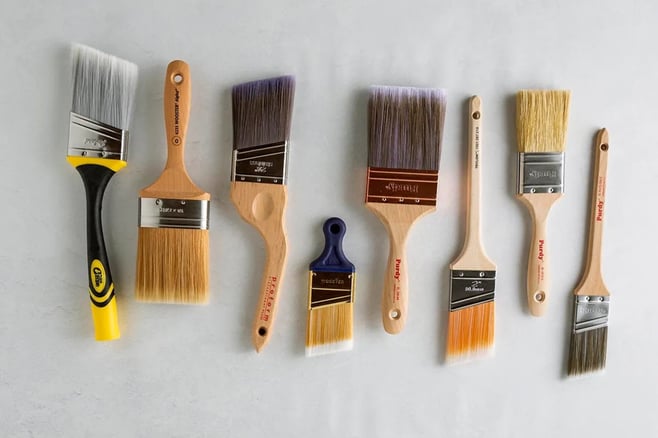
Are you ready to give your kitchen cabinets a fresh, stunning look? Choosing the right brush can make all the difference between a smooth, professional finish and a frustrating, streaky mess.
But with so many options out there, how do you know which brush is best for your kitchen cabinets? You’ll discover exactly what type of brush will help you achieve flawless results, save you time, and make your painting project easier and more enjoyable.
Keep reading to find the perfect brush that turns your kitchen makeover into a success!

Credit: food52.com
Types Of Brushes For Cabinets
Choosing the right brush affects the finish of your kitchen cabinets. Different brushes suit different paint types and surfaces. Understanding each brush type helps you pick the best one for smooth, even coats.
Natural Bristle Brushes
Natural bristle brushes are made from animal hair. They hold more paint and create a smooth finish. Best for oil-based paints and varnishes. They can leave brush marks if not used carefully. Not ideal for water-based paints as the bristles absorb water and lose shape.
Synthetic Bristle Brushes
Synthetic brushes use nylon or polyester fibers. They work well with both water-based and oil-based paints. These brushes keep their shape and resist wear. They provide a clean, even finish on cabinets. Easy to clean and durable for repeated use.
Foam Brushes
Foam brushes are made of soft foam material. Great for smooth surfaces and small areas. They do not leave brush marks and apply paint evenly. Ideal for water-based paints and primers. Not recommended for rough surfaces or heavy paint layers.

Credit: www.youtube.com
Key Features To Consider
Choosing the right brush for painting kitchen cabinets depends on certain key features. These features impact the smoothness and finish of your paint job. Picking the best brush makes the job easier and the results better.
Brush Size And Shape
Brush size affects how much surface you cover with each stroke. Small brushes work well for tight spots and edges. Larger brushes cover wide, flat areas faster. The shape also matters. Angled brushes help cut in near corners and trim. Flat brushes give smooth, even coats on cabinet doors and panels.
Bristle Stiffness
Bristles come in soft, medium, and stiff types. Soft bristles hold more paint and create smooth finishes on flat surfaces. Medium bristles work well for most cabinet surfaces, balancing control and coverage. Stiff bristles are good for rough or textured wood, but may leave brush marks on smooth surfaces.
Handle Comfort
A comfortable handle reduces hand fatigue during long painting sessions. Look for ergonomic designs with a good grip. Handles made of wood or rubber offer better control. A well-balanced brush feels steady and easy to guide along the cabinets.
Best Brushes For Different Paints
Choosing the right brush depends on the type of paint you use. Different paints need specific brushes for the best results. Using the correct brush helps the paint go on smooth and last longer. It also reduces brush marks and drips. Here is a guide to the best brushes for various kitchen cabinet paints.
Oil-based Paint Brushes
Oil-based paints require brushes with natural bristles. These bristles hold more paint and spread it evenly. Look for brushes made with hog or badger hair. They are sturdy and resist damage from solvents. A flat or angled brush of 2 to 2.5 inches works well. It helps to paint edges and flat surfaces smoothly.
Water-based Paint Brushes
Synthetic brushes suit water-based paints like latex. Nylon or polyester bristles work best. They maintain shape and resist water damage. Use a soft, fine brush for a smooth finish. A 2 to 3-inch angled brush allows better control on corners. These brushes clean easily with soap and water.
Chalk And Milk Paint Brushes
Chalk and milk paints need soft, natural bristles or special synthetic brushes. These brushes hold paint well and create a matte, textured look. Round or oval brushes often work better for detailed work. Foam brushes can also be good for smooth coverage. Avoid stiff bristles that can scratch delicate paint finishes.
Credit: www.familyhandyman.com
Top Expert Picks
Choosing the right brush makes painting kitchen cabinets easier and neater. Soft bristle brushes provide smooth finishes without streaks. High-quality synthetic brushes work well with both oil and water-based paints.
Choosing the right brush can make a world of difference when painting kitchen cabinets. The perfect brush can transform a tedious task into a seamless, enjoyable process, delivering a smooth, professional finish. Whether you're a DIY enthusiast or a seasoned professional, knowing what brush to pick can save you time and money while ensuring your cabinets look stunning.
High-end Brushes
Investing in a high-end brush can be a game changer. These brushes are typically made with premium materials, ensuring they hold more paint and provide a flawless finish. Brands like Purdy and Wooster are favorites among professionals because they offer durability and precision. A high-quality synthetic bristle brush is ideal for water-based paints often used on cabinets. It delivers smooth strokes without leaving brush marks. Do you often find yourself frustrated with bristles falling out? Premium brushes minimize this issue, allowing you to focus on your painting rather than maintenance.
Budget-friendly Options
Not everyone wants to spend a fortune on a brush, and that's perfectly fine. There are budget-friendly options that still offer great results. Brushes from brands like Zibra and Pro Grade are affordable yet reliable. These brushes are perfect for small projects or if you're painting on a tight budget. They might not have the longevity of high-end models, but they get the job done without breaking the bank. Do you need a brush for a single project? These budget-friendly options provide an excellent balance between cost and performance.
Specialty Brushes
Sometimes, the standard brush just won't cut it for intricate cabinet designs. That's where specialty brushes come in handy. Angled brushes, for instance, are perfect for reaching tight corners and edges. Foam brushes are another excellent option for a smooth finish, especially with varnishes or gloss paints. They reduce streaks and are easy to maneuver, making them ideal for beginners. Do your cabinets have unique details or carvings? Consider a specialty brush to tackle these areas with precision and ease. Choosing the best brush for your kitchen cabinets doesn't have to be a daunting task. With the right information and a bit of patience, you can achieve a professional finish that will make your kitchen the envy of all your friends.
Tips For Using Brushes On Cabinets
Using the right brush on kitchen cabinets helps achieve a neat, long-lasting finish. Proper technique improves paint coverage and reduces brush marks. Follow these simple tips for the best results.
Preparing The Surface
Clean cabinets thoroughly to remove grease and dirt. Lightly sand the surface to help paint stick better. Wipe away dust with a damp cloth before painting. Remove old hardware to avoid smudges and rough edges. Cover nearby areas to protect from paint splashes.
Applying Paint Smoothly
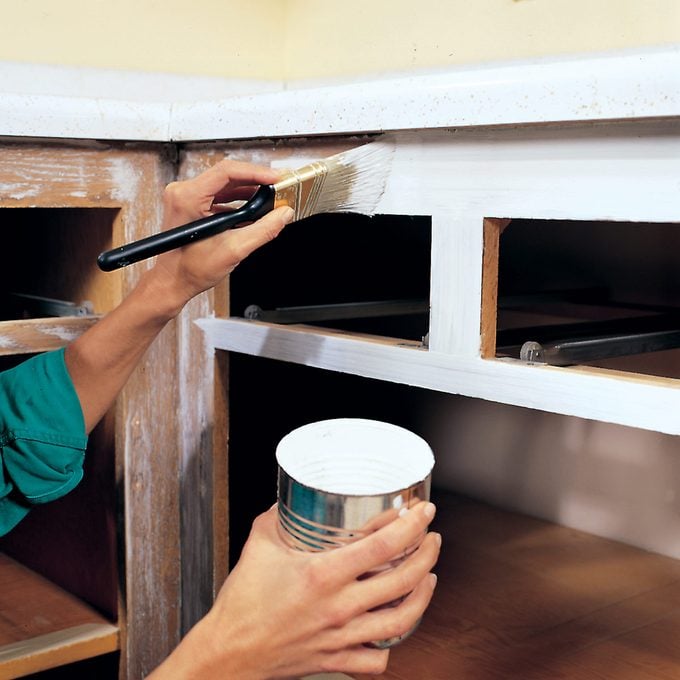
Dip the brush lightly, avoiding too much paint on the bristles. Start painting from the center and move outwards in smooth strokes. Work in thin layers to prevent drips and uneven spots. Follow the wood grain direction for a natural look. Allow each coat to dry fully before adding another.
Cleaning And Maintaining Brushes
Rinse brushes immediately after use with warm water for water-based paint. Use a brush cleaner or mild soap to remove stubborn paint. Shake off excess water and reshape bristles to keep them straight. Store brushes flat or hanging to prevent damage. Regular cleaning extends brush life and keeps paint jobs smooth.
Frequently Asked Questions
What Type Of Brush Is Best For Kitchen Cabinets?
A high-quality synthetic bristle brush is best for kitchen cabinets. It provides smooth coverage and works well with both oil and water-based paints. Synthetic brushes prevent brush marks and ensure a professional finish.
Can I Use A Foam Brush For Painting Cabinets?
Foam brushes are good for small, detailed areas but not ideal for entire cabinets. They can leave bubbles and uneven texture. For a smooth finish, synthetic bristle brushes are preferred.
How Do I Choose The Right Brush Size?
Choose a 2 to 2. 5-inch brush for cabinets. This size balances control and coverage, allowing you to paint flat surfaces and edges efficiently. Larger brushes may lack precision, while smaller brushes take longer.
Should I Use Angled Or Flat Brushes For Cabinets?
Angled brushes are better for cabinet edges and corners. Flat brushes work well on larger, flat surfaces. Using both types ensures clean lines and a smooth finish.
Conclusion
Choosing the right brush can make painting kitchen cabinets easier. A good brush helps you get smooth, clean lines without streaks. Natural bristle brushes work well with oil-based paints. Synthetic brushes suit water-based paints best. Size matters too—a 2 to 2.
5-inch brush covers cabinets well. Take your time and paint in thin coats. This helps avoid drips and uneven surfaces. With the right brush, your kitchen cabinets will look fresh and neat. Enjoy the process and the new look of your kitchen.