
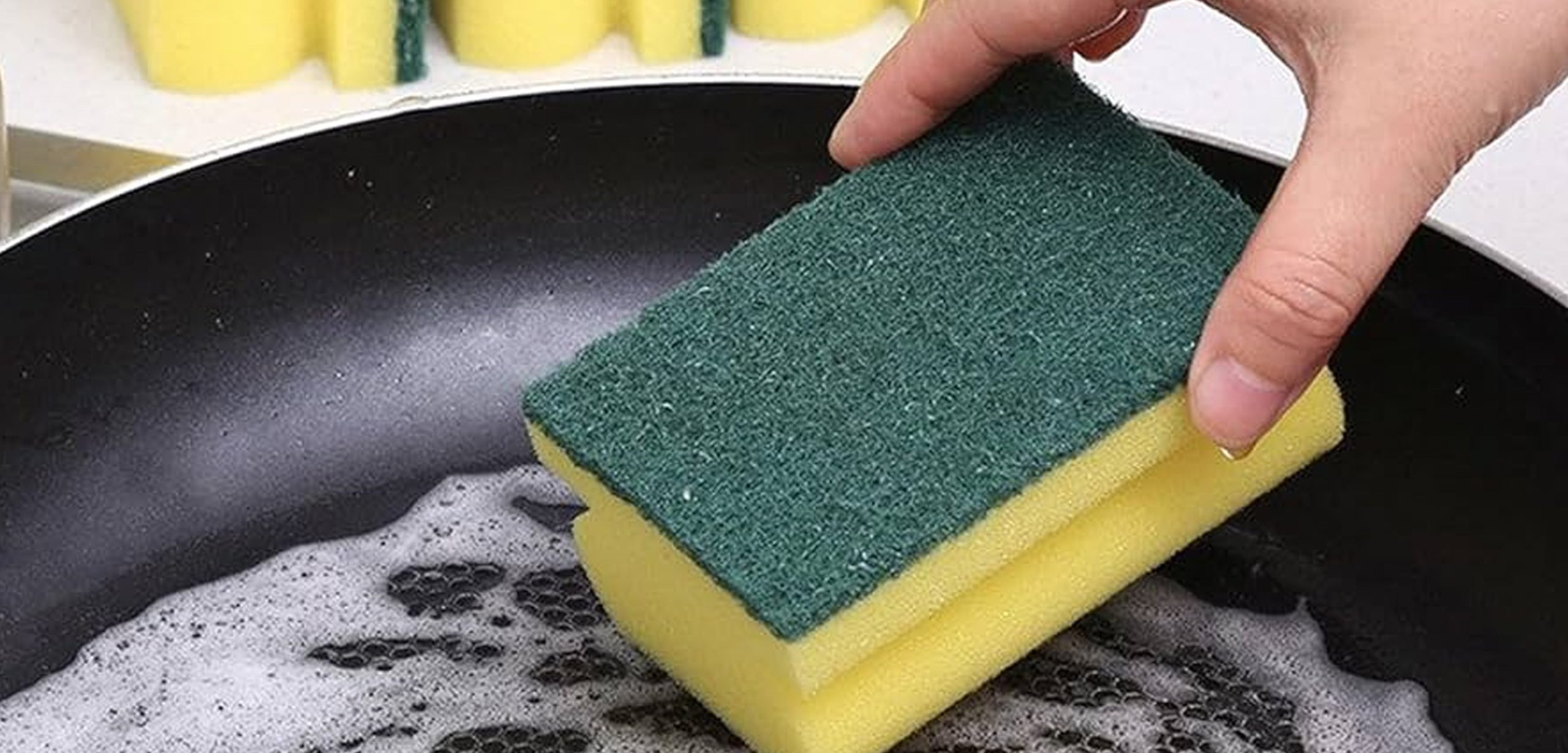
Have you ever stopped to wonder what your kitchen sponge is really made of? It’s a small, everyday item, yet it plays a huge role in keeping your dishes clean and your kitchen fresh.
Knowing what’s inside your sponge can help you make smarter choices for your health and home. You’ll discover the surprising materials behind that simple scrubber and why it matters to you. Keep reading—you might never look at your kitchen sponge the same way again.

Credit: oksponge.en.made-in-china.com
Common Materials In Kitchen Sponges
Kitchen sponges come in different types based on the materials used. These materials affect how well the sponge cleans and lasts. Understanding common materials helps you pick the right sponge for your kitchen needs.
Cellulose Fibers
Cellulose fibers come from wood pulp. They create a soft and absorbent sponge. These sponges soak up water fast and clean well. They break down naturally over time, making them eco-friendly. Cellulose sponges are good for everyday dishwashing and wiping surfaces.
Synthetic Foam
Synthetic foam sponges are made from plastic materials like polyurethane. They are durable and resist wear and tear. These sponges dry quickly and often have scrubby surfaces for tough stains. Synthetic foam sponges come in many shapes and colors. They last longer but do not break down easily in nature.
Natural Sea Sponges
Natural sea sponges are harvested from the ocean. They have a unique texture that cleans gently without scratching. These sponges are biodegradable and eco-friendly. They absorb water well and hold soap easily. Natural sea sponges are great for delicate dishes and skin care.
Eco-friendly Sponge Alternatives
Choosing an eco-friendly sponge alternative can make a noticeable difference in your kitchen's impact on the environment. These options often last longer, reduce waste, and avoid harmful chemicals found in traditional sponges. You might find that switching to one of these alternatives not only helps the planet but also improves your cleaning routine.
Bamboo And Plant-based Fibers
Bamboo sponges are naturally antimicrobial and grow quickly, making them a sustainable choice. Plant-based fibers like coconut coir or hemp are also strong and biodegradable. Have you tried a bamboo sponge? Many find they hold up well and don’t develop unpleasant odors like synthetic sponges.
Recycled Materials
Sponges made from recycled plastics or textiles help reduce landfill waste. These options give new life to materials that would otherwise pollute the environment. When buying, look for certifications or labels that confirm the sponge is truly made from recycled content.
Biodegradable Options
Biodegradable sponges break down naturally after use, leaving no harmful residues behind. Materials like cellulose from wood pulp or natural rubber are common in these sponges. Could switching to biodegradable sponges be the simple change your kitchen needs to cut down on plastic waste?
Additives And Treatments
Kitchen sponges often contain additives and treatments to improve their performance and user experience. These substances help sponges last longer, reduce bacteria growth, and sometimes add pleasant scents or colors. Understanding these additives clarifies what you bring into your kitchen and how it affects cleaning.
Antibacterial Coatings
Many kitchen sponges have antibacterial coatings to prevent germs from growing. These coatings reduce odor and keep the sponge fresher for longer. Common antibacterial agents include silver ions and triclosan. They work by stopping bacteria from multiplying on the sponge surface. This treatment helps maintain hygiene during daily use.
Scented And Colored Sponges
Manufacturers often add dyes and fragrances to sponges. Colors help users identify different sponges for specific tasks. Scents mask the natural smell of damp sponges and make cleaning more pleasant. These additives do not affect the sponge's cleaning power but enhance the user experience. Some people prefer unscented, natural sponges to avoid chemicals.

Credit: www.amazon.com
Health And Safety Considerations
Kitchen sponges often contain synthetic materials that can trap bacteria if not cleaned properly. Regularly replacing sponges helps reduce health risks in the kitchen. Proper use and care keep your cooking space safer and cleaner.
Health and safety considerations are essential when choosing a kitchen sponge. This seemingly simple tool can harbor hidden risks that might surprise you. By understanding these factors, you can make smarter choices for your kitchen and your health.
Potential Allergens
Kitchen sponges can sometimes be made from materials like latex. If you or someone in your household has a latex allergy, this could pose a health risk. Opt for sponges labeled as latex-free to avoid any allergic reactions. Synthetic materials used in sponges may also cause skin irritation. If you notice any discomfort, switch to a natural or hypoallergenic option. It's worth checking the packaging for material details to prevent unwanted reactions.
Durability And Bacterial Growth
A durable sponge might seem like a good investment, but it can also be a breeding ground for bacteria. Sponges with a denser structure tend to trap food particles and moisture, perfect conditions for bacteria to thrive. Think about how often you replace your sponge. A weekly replacement can reduce bacterial growth and keep your kitchen cleaner. Consider microwaving your sponge for a minute or running it through the dishwasher to kill bacteria in between replacements. Have you ever noticed an unpleasant odor coming from your sponge? This is a sign of bacterial growth. Regularly sanitizing and replacing your sponge can prevent this issue and keep your kitchen smelling fresh.
Choosing The Right Sponge For Your Kitchen
Choosing the right sponge for your kitchen can change how you tackle daily cleaning tasks. Not all sponges are created equal, and picking the best one depends on what you value most—durability, eco-friendliness, or budget. Understanding the materials behind these sponges gives you an edge in making a smart choice that fits your kitchen's needs.
Material Benefits And Drawbacks
Kitchen sponges come in various materials like cellulose, synthetic fibers, and natural plant-based options. Cellulose sponges absorb water well and are great for general cleaning, but they can harbor bacteria if not dried properly.
Synthetic sponges, often made from polyester or polyurethane, last longer and resist odors better, but some can scratch delicate surfaces. Natural sponges, like those made from sea sponge, are biodegradable but tend to be pricier and less widely available.
Environmental Impact
Think about where your sponge ends up after use. Synthetic sponges often contribute to plastic waste, as they don't break down easily in landfills. Cellulose sponges are biodegradable, but some are treated with chemicals that can harm the environment.
Choosing a sponge made from natural or recycled materials can reduce your kitchen’s environmental footprint. Have you ever considered how your cleaning tools affect the planet beyond your kitchen sink?
Cost And Availability
Price plays a big role in your sponge choice. Synthetic sponges are usually the cheapest and found in most stores. Cellulose sponges cost a bit more but are widely available.
Natural sponges often come with a higher price tag and might require special ordering. Balancing cost with how often you replace your sponge can help you save money in the long run.

Credit: www.airnex.store
Frequently Asked Questions
What Materials Are Kitchen Sponges Commonly Made Of?
Kitchen sponges are usually made from cellulose, synthetic fibers, or polyurethane foam. Cellulose sponges are natural and biodegradable. Synthetic sponges often contain plastic fibers. Polyurethane sponges provide durability and flexibility for cleaning tasks.
Are Natural Kitchen Sponges Better Than Synthetic Ones?
Natural sponges are biodegradable and eco-friendly. Synthetic sponges last longer but may contain plastics. The choice depends on preference for sustainability or durability. Both types effectively clean kitchen surfaces.
How Do Kitchen Sponges Absorb Water Effectively?
Kitchen sponges have a porous structure that traps water. Cellulose fibers or foam create many tiny holes. These holes hold water and soap for efficient cleaning. This design allows sponges to soak up liquids quickly.
Can Kitchen Sponges Harbor Bacteria?
Yes, kitchen sponges can harbor bacteria if not cleaned regularly. Their moist and porous nature makes them a breeding ground for germs. Regularly sanitizing or replacing sponges reduces bacterial buildup and maintains hygiene.
Conclusion
Kitchen sponges come in different materials like cellulose and synthetic fibers. Each type has its own benefits for cleaning tasks. Knowing what sponges are made of helps you choose the right one. It also guides you on how to use and care for them.
Clean sponges last longer and keep your kitchen safe. Remember to replace sponges regularly to avoid germs. Simple facts about sponge materials can improve your kitchen hygiene. Understanding this small item makes daily cleaning easier and more effective.