
You use a sponge every day in your kitchen, but have you ever stopped to think about where the best place to keep it is? Keeping your sponge in the right spot can make a big difference in how clean and fresh your kitchen stays.
If you’re tired of dealing with smelly, soggy sponges or worried about germs, this article is for you. Read on to discover the smartest and healthiest places to put your sponge—and learn simple tips that will keep your kitchen cleaner and safer for you and your family.
Credit: www.walmart.com
Best Spots For Sponge Storage
Choosing the right spot to store your kitchen sponge can make a big difference in keeping your space clean and your sponge dry. Where you keep it affects how quickly it dries and how often you need to replace it. Let’s look at some practical and easy-to-adopt locations that can help your sponge last longer and stay hygienic.
Near The Sink
Keeping your sponge close to the sink is the most common choice. It’s convenient because your sponge is always within reach when you need it. However, placing it directly on the sink edge or countertop can cause it to stay wet longer, which encourages bacteria growth.
Try placing the sponge on a small plate or tray near the sink to let air circulate around it. This simple habit helped me reduce sponge odor significantly. Have you noticed how a wet sponge left on a flat surface seems to smell worse the next day?
On A Sponge Holder
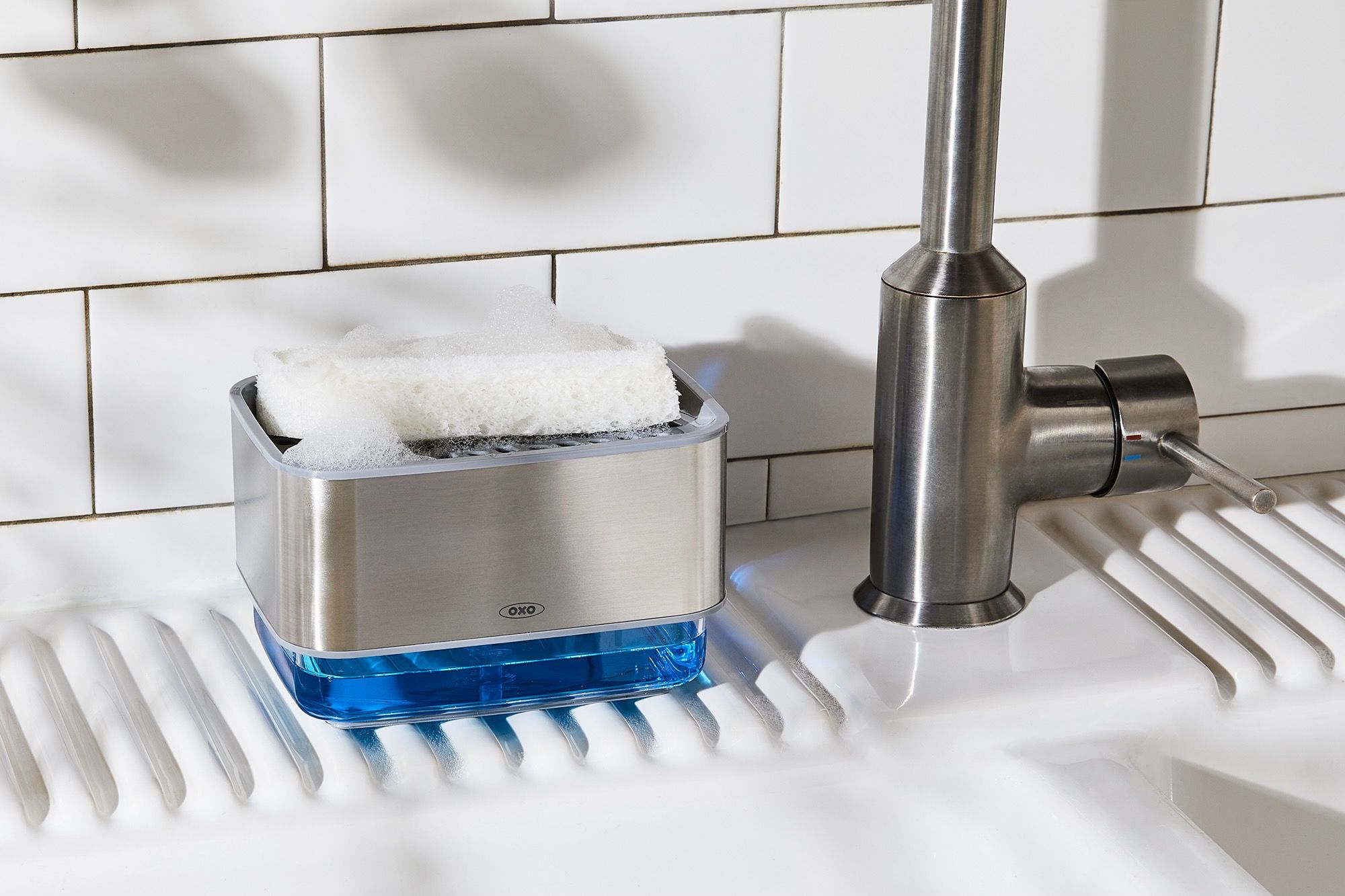
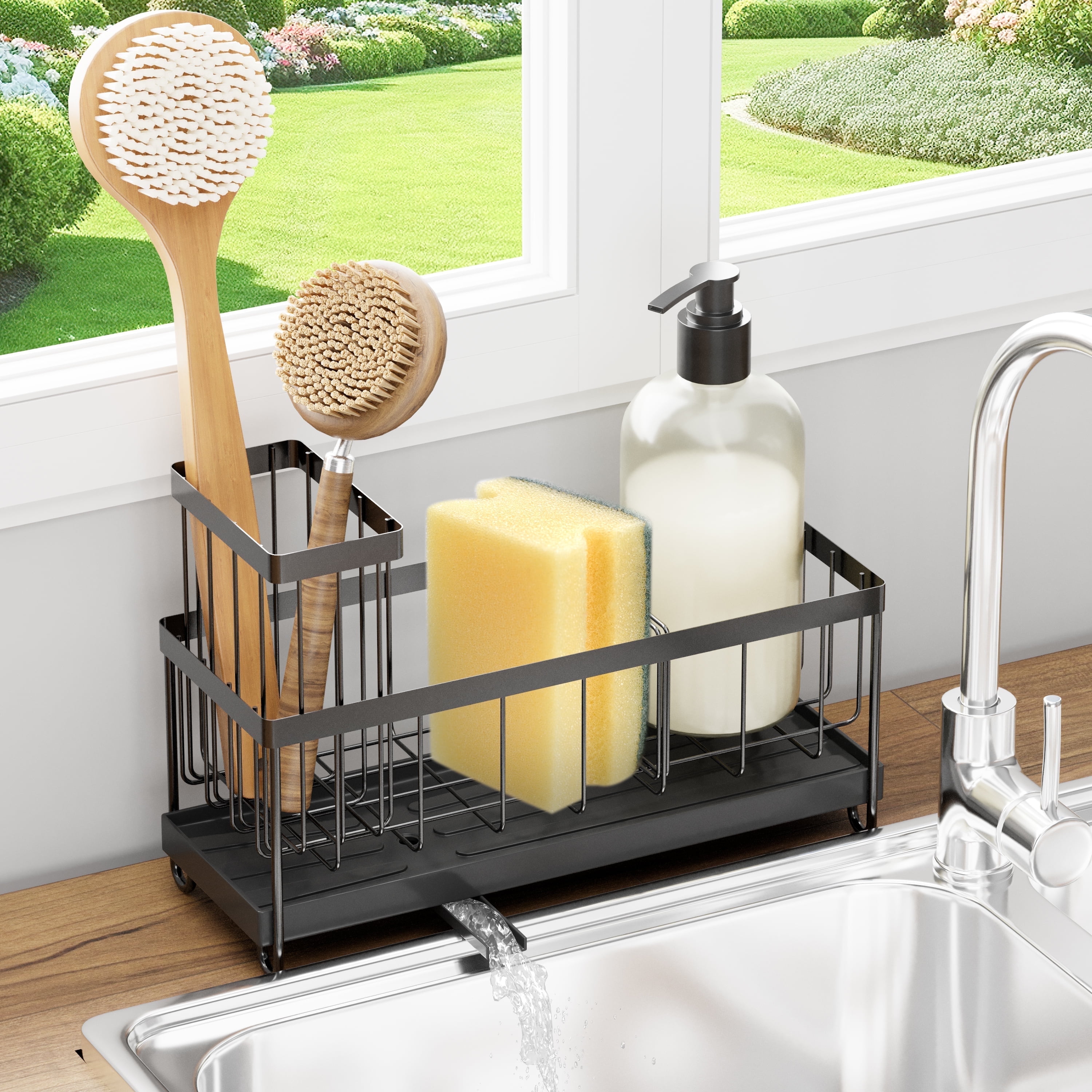
Sponge holders are designed to keep your sponge upright and dry. They often have drainage holes and allow air to flow freely, which is great for preventing mold and mildew. You can find holders that stick to the sink, sit on the counter, or even clip inside the sink basin.
Using a holder made a noticeable difference in my kitchen. The sponge dried faster, and I didn’t have to replace it as often. If you want to keep your sponge clean without extra effort, a dedicated holder is a smart investment.
In A Draining Rack
Another smart spot is placing your sponge in a draining rack alongside your dishes. This spot allows water to drip off the sponge directly into the sink or a tray below. It also keeps the sponge out of the way but still handy when washing up.
This setup worked well for me when counter space was limited. The sponge dried quickly and stayed separate from other cleaning tools. Can you think of a spot in your kitchen where a small draining rack could fit without clutter?
Keeping Your Sponge Hygienic
Keeping your kitchen sponge hygienic is essential for maintaining a clean and safe cooking environment. A sponge can easily become a breeding ground for bacteria if not cared for properly. By adopting simple habits, you can keep your sponge fresh and reduce the risk of cross-contamination in your kitchen.
Regular Cleaning Methods
Cleaning your sponge regularly stops bacteria from building up. You can soak it in a mixture of hot water and vinegar for about 5 minutes, then rinse thoroughly. Another effective way is microwaving a damp sponge for 1-2 minutes, but be sure it has no metal parts and is wet to avoid fire hazards.
Some people use the dishwasher’s sanitize cycle to clean their sponges. This method uses high heat and detergent, which helps kill germs. Have you tried any of these methods before? Which one worked best for you?
Drying Techniques
Keeping your sponge dry between uses is crucial. Bacteria thrive in moist environments, so let your sponge air dry completely after each use. Place it in a well-ventilated area, preferably on a rack or holder that allows water to drain away.
Avoid leaving your sponge lying flat on the sink or in a wet dish rack. These spots trap moisture and speed up bacterial growth. Have you noticed a difference in how long your sponge lasts simply by changing where you let it dry?
Replacing Schedule
Even with proper care, sponges don’t last forever. Experts suggest replacing your kitchen sponge every one to two weeks, depending on usage. If your sponge starts to smell bad or fall apart, it’s time to get a new one immediately.
Setting a reminder on your phone can help you stick to this schedule. Think about how often you use your sponge daily—does it need changing more frequently? Your kitchen hygiene depends on staying ahead of these small but important details.
Avoiding Common Mistakes
Placing your kitchen sponge in the right spot is more important than most people realize. Many common mistakes can turn your sponge from a helpful cleaning tool into a breeding ground for bacteria. Avoiding these errors not only keeps your kitchen cleaner but also protects your health.
Avoiding Damp Environments
Sponges love moisture, but so do harmful bacteria. Leaving your sponge in a damp sink or on a wet countertop invites germs to multiply rapidly. Instead, find a spot where your sponge can dry quickly, like a well-ventilated holder or a dish rack.
Have you noticed how a sponge left on the sink bottom smells awful after a day? That’s because damp environments trap water and prevent air circulation. Drying your sponge properly after each use cuts down on bacteria growth and keeps odors away.
Steering Clear Of Cross-contamination
Your kitchen sponge comes into contact with many surfaces—plates, counters, raw foods. If you store it near raw meat or cutting boards used for meat, you risk spreading harmful bacteria like salmonella around your kitchen.
Keep your sponge separate from raw food areas and consider using different sponges for different tasks. You might even label them or use color-coded sponges to avoid confusion. This simple step can make a big difference in preventing foodborne illnesses.

Credit: www.amazon.com
Alternative Sponge Storage Ideas
Sponges stay dry and clean when stored in open holders or on suction cups near the sink. Placing them in a small container with drainage helps avoid mold and keeps the kitchen tidy. Simple spots like cabinet doors or hooks also work well for easy access.
Alternative sponge storage ideas keep your kitchen neat and efficient. They help maintain a clutter-free space and prolong the life of your sponge. Here are some creative ways to store your kitchen sponge.
Magnetic Holders
Magnetic holders offer a sleek and modern storage solution. Attach a magnetic strip under your sink or cabinet. The sponge clings to it, staying dry and hygienic. This setup saves counter space and reduces mess.
Wall-mounted Options
Wall-mounted holders keep sponges within easy reach. Install them near the sink for convenience. They hold the sponge securely and allow air circulation. This prevents bacteria growth and keeps the sponge fresh.
Drawer Storage
Drawer storage hides the sponge for a tidy look. Use a small tray or divider in a kitchen drawer. It keeps the sponge separated from other utensils. This method is ideal for those seeking an uncluttered countertop.
Tips For Sponge Convenience
Keeping your kitchen sponge handy without cluttering your sink area can make daily chores smoother. You want a spot that’s both easy to reach and keeps your sponge dry and clean. Let’s look at practical tips that help you place your sponge where it works best for you.
Easy Access Strategies
Think about where you use your sponge most—usually near the sink or dishwasher. Placing a small sponge holder right on the sink edge or attaching it inside a cabinet door can save you time. Magnetic holders are a clever choice if you want the sponge off the counter but still close by.
Another option is a suction cup holder on the sink wall. It keeps your sponge visible and lets it dry quickly. Have you tried a sponge with a built-in scrubber? Keeping it near your faucet means you’re always ready for quick clean-ups.
Minimizing Clutter
Clutter can make your kitchen feel cramped and chaotic. Use a compact holder that drains water to stop soggy sponges and mess. This simple change keeps your countertop dry and reduces bacteria growth.
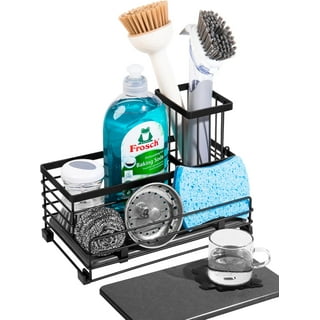
If counter space is tight, consider storing your sponge inside a drawer with small vents or a holder designed for drawers. This hides the sponge but keeps it accessible. Could a dedicated cleaning caddy work for you? It can hold your sponge along with other cleaning tools, keeping everything in one place and your counters clear.
Credit: www.walmart.com
Frequently Asked Questions
Where Is The Best Place To Store A Kitchen Sponge?
The best place to store a kitchen sponge is in a well-ventilated area. Avoid keeping it in a damp sink. Use a sponge holder that allows air circulation to help it dry faster and prevent bacterial growth.
How To Keep A Kitchen Sponge Dry Between Uses?
To keep a kitchen sponge dry, place it on a rack or holder with drainage. Avoid leaving it flat on a wet surface. Proper drying reduces bacteria and extends the sponge’s lifespan.
Can I Store A Kitchen Sponge Inside The Sink?
Storing a sponge inside the sink is not recommended. The sink is often wet and harbors bacteria. Keeping the sponge outside the sink helps it dry and stay cleaner.
Should Kitchen Sponges Be Kept Near The Dishwasher?
It’s best to keep kitchen sponges away from the dishwasher. Dishwashers generate moisture and heat, which can promote mold growth. Store sponges in a dry, airy spot instead.
Conclusion
Choosing the right spot for your kitchen sponge helps keep it clean. Place it where air can dry it fast. Avoid leaving it in wet or dark places. A dry sponge lasts longer and stays free from germs. Small changes in sponge storage make a big difference.
Keep your kitchen healthier and work easier every day. Try these tips and see the improvement yourself. Simple habits protect your family and make cleaning quick. The best place for your sponge matters more than you think.