
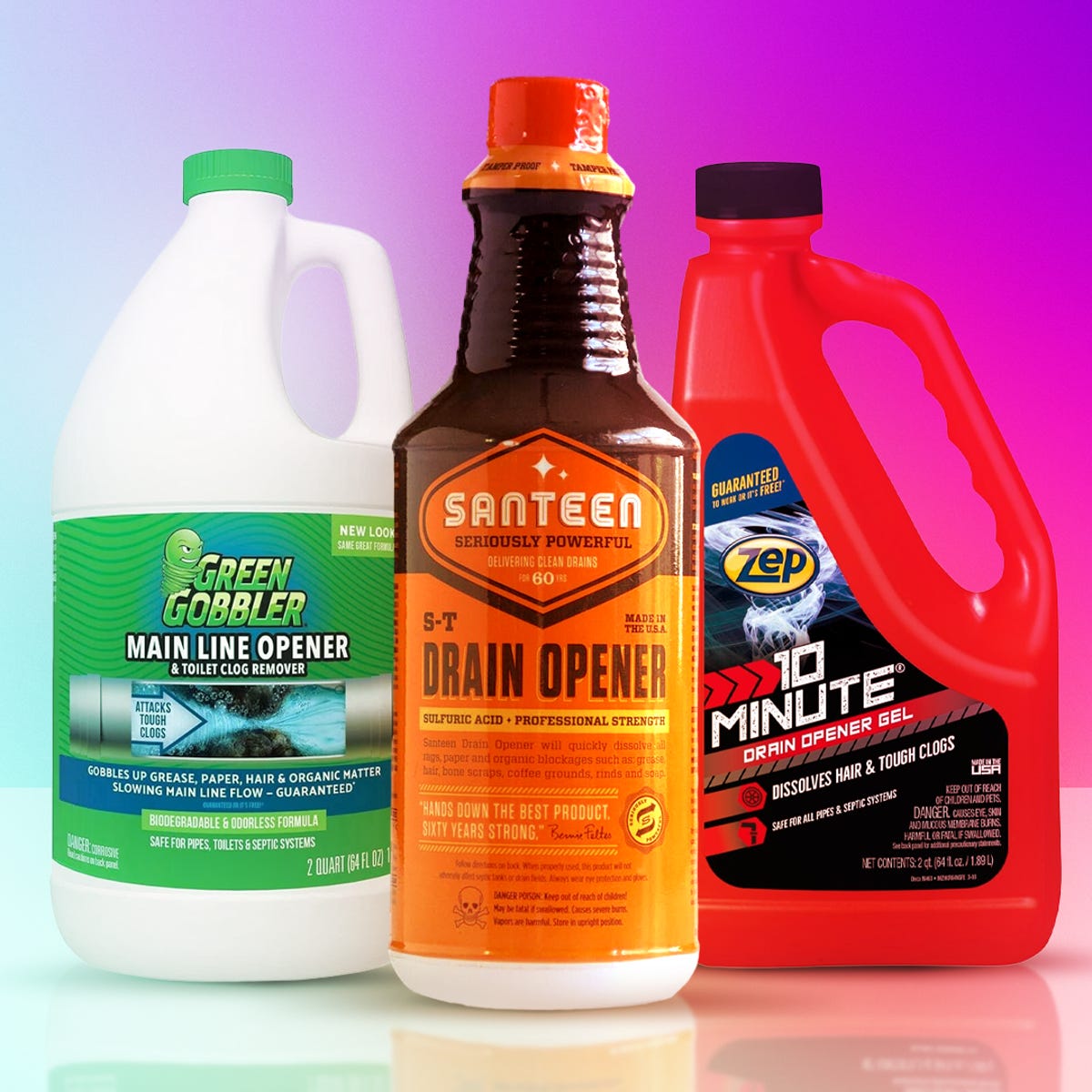
Clogged kitchen sinks can quickly turn a simple task into a frustrating mess. You want a drain cleaner that works fast, is safe for your pipes, and leaves your kitchen fresh.
But with so many options out there, how do you know which one is truly the best for your kitchen sink? You'll discover effective solutions that clear blockages without damaging your plumbing. Keep reading to find the perfect drain cleaner that makes your kitchen routine smoother and stress-free.

Credit: www.amazon.com
Common Causes Of Kitchen Sink Clogs
Kitchen sink clogs happen for a few common reasons. Knowing what causes these blockages helps to prevent them. It also guides you to choose the best drain cleaner for your kitchen sink.
Clogs often form from everyday kitchen waste and materials that get stuck in the pipes. These blockages slow down water flow and can cause bad smells. Understanding the main causes makes it easier to keep your sink clear.
Grease And Food Buildup
Grease is a top cause of kitchen sink clogs. Hot grease looks like a liquid but cools down and hardens in pipes. Food scraps also collect and stick with grease. Over time, this buildup blocks water flow.
Pouring grease down the drain causes serious problems. Small bits of food left after washing dishes add to the clog. Avoid rinsing oily plates directly into the sink.
Hair And Soap Residue
Hair often finds its way into the kitchen sink, especially in homes with pets. Hair strands wrap around other debris and create tough blockages. Soap residue mixes with hair and forms a sticky mess.
Soap scum sticks to pipe walls and traps dirt. This combination grows slowly but can stop water completely. Regular cleaning helps reduce hair and soap buildup.
Foreign Objects
Sometimes items not meant for the sink end up inside. Bits of plastic, small pieces of packaging, or even utensils can cause clogs. These objects get stuck and stop water from flowing freely.
Children's toys or food packaging parts accidentally dropped in the sink cause blockages too. Keeping the sink clear of foreign objects prevents many plumbing issues.
Types Of Drain Cleaners
Choosing the right drain cleaner can save you time, money, and frustration. Understanding the different types of drain cleaners helps you decide what fits your kitchen sink’s problem best. Let’s break down the main categories so you can tackle that clog with confidence.
Chemical Cleaners
Chemical drain cleaners use powerful substances to dissolve grease, hair, and food buildup quickly. They often contain ingredients like sodium hydroxide or sulfuric acid that react fast to clear blockages.
While effective, these cleaners require caution. Using too much or mixing with other chemicals can damage your pipes or create hazardous fumes. Have you ever felt overwhelmed by confusing labels at the store? Look for products labeled safe for your pipe type and always follow the instructions carefully.
Enzymatic Cleaners
Enzymatic cleaners rely on natural enzymes and bacteria to break down organic material slowly but safely. They’re gentle on pipes and the environment, making them a great choice if you want to avoid harsh chemicals.
These cleaners work best with regular maintenance rather than tackling severe clogs. Think of them as a long-term solution to prevent buildup rather than an instant fix. If your sink clogs often, could this be the gentle approach worth trying?
Mechanical Tools
Sometimes, the best way to clear a drain is by physically removing the blockage. Mechanical tools like plungers, drain snakes, or augers let you reach into pipes and pull out or break up clogs.
These tools require a bit of effort but avoid chemicals altogether. Many homeowners find they save money and avoid damage by learning to use these tools effectively. Have you tried a drain snake before? It might be easier than you think and gives you control over the problem.
Top Chemical Drain Cleaners
Chemical drain cleaners are popular for clearing kitchen sink clogs quickly. They use powerful ingredients to dissolve grease, food particles, and hair. Choosing the right cleaner depends on the clog type and your preference for safety or eco-friendliness.
Many products promise fast results, but their formulas vary widely. Some work instantly, while others take time to break down blockages. Others focus on being safer for pipes and the environment.
Fast-acting Solutions
Fast-acting chemical cleaners use strong acids or alkalis. These break down tough clogs within minutes. Products with sodium hydroxide or sulfuric acid are common. They dissolve grease and organic matter quickly.
Use these for urgent clogs that block water flow. They work best on fresh or small blockages. Avoid repeated use to protect your pipes from damage.
Eco-friendly Options
Eco-friendly drain cleaners use natural or less harmful chemicals. Enzymes and bacteria are common ingredients. They digest organic waste without harsh chemicals.
These cleaners take longer but are safer for plumbing and the environment. Perfect for regular maintenance and minor clogs. They reduce pollution and chemical exposure at home.
Safety Tips For Use
- Always read and follow the product label instructions.
- Wear gloves and eye protection to avoid burns or irritation.
- Never mix different chemical cleaners; this can cause toxic fumes.
- Keep cleaners out of reach of children and pets.
- Ventilate the area well during and after use.
- Use chemical cleaners only when other methods fail.
Best Enzymatic Drain Cleaners
Choosing the best enzymatic drain cleaner for your kitchen sink can make a huge difference in maintaining a clog-free and odorless drain. Enzymatic cleaners offer a gentle yet effective way to break down organic matter without harsh chemicals. They work by harnessing natural enzymes to target food scraps, grease, and other debris, making them ideal for everyday kitchen use.
How Enzymes Work
Enzymatic drain cleaners contain live enzymes that eat away at organic waste like fats, oils, and proteins.
These enzymes break down the clog into smaller pieces that water can easily flush away.
Unlike harsh chemicals, enzymes keep your pipes safe and don’t damage septic systems or the environment.
Popular Brands
- Bio-Clean:Known for its powerful enzyme blend, it works well on tough kitchen sink clogs.
- Zep Enzymatic Drain Cleaner:A user-friendly option that’s great for regular maintenance.
- Green Gobbler:Eco-friendly and effective, it’s praised for breaking down grease in kitchen drains.
Application Guidelines
Always read the instructions carefully before using an enzymatic cleaner for the best results.
Most products require pouring the cleaner into the drain and letting it sit for several hours or overnight.
For heavy clogs, multiple treatments might be necessary—patience often beats rushing.
Remember to avoid using chemical cleaners immediately after enzymatic ones, as they can kill the beneficial enzymes.
Mechanical Drain Cleaning Tools
Mechanical drain cleaning tools effectively clear clogs in kitchen sinks by physically removing debris. Handheld augers and drain snakes are popular choices for tough blockages. These tools work well without harsh chemicals, making them safe and reliable for home use.
Tired of those kitchen sink clogs that seem to appear at the worst possible times? Mechanical drain cleaning tools might just be your saving grace. These practical gadgets are often your first line of defense against stubborn clogs, providing an effective solution without the harsh chemicals. Let's dive into the various tools you can use, making your kitchen sink troubles a thing of the past.
Plungers And Drain Snakes
Plungers are the go-to tool for many homeowners. They're simple, effective, and can tackle many minor clogs with ease. Imagine the satisfaction of hearing that satisfying whoosh as the water starts to drain again. On the other hand, drain snakes are perfect for more stubborn clogs. These flexible tools can reach deep into pipes, dislodging the debris that's causing the blockage. It's like having a mini plumber in your tool kit, ready to tackle the toughest of kitchen sink challenges.
Manual Vs. Electric Options
You might wonder whether to choose a manual or electric tool. Manual tools like a classic plunger or a hand-cranked snake are budget-friendly and require no power source. They're perfect for occasional use and small clogs. Electric options, however, bring power and efficiency to the table. An electric drain snake can easily tackle extensive clogs, saving you time and effort. Consider your needs and the frequency of clogs to decide the best fit for your household.
When To Use Tools
So, when should you reach for these mechanical tools? If your kitchen sink is draining slowly or not at all, it's time to act. Catching clogs early can prevent them from becoming bigger problems. However, if you've tried manual tools and the clog persists, it might be time to escalate to an electric option or consult a professional. Remember, the goal is a smoothly running kitchen, free from the hassle of frequent clogs. Are you ready to take control of your kitchen sink's health?

Credit: www.amazon.com
Choosing The Right Cleaner For Your Sink
Choosing the right drain cleaner for your kitchen sink can save you time, money, and frustration. Not all clogs are the same, and your sink’s material also plays a big role in what cleaner will work best without causing damage. Plus, thinking about the environmental impact of the product you use can protect your home and the planet.
Assessing The Clog Type
Before picking a cleaner, identify what’s blocking your drain. Is it grease buildup, food scraps, or soap scum? For greasy clogs, enzymatic cleaners that break down fats work well and are gentle on pipes.
Hair or fibrous materials might need stronger chemical cleaners or even a mechanical approach like a drain snake. Ask yourself: Is the clog slow and gradual or a sudden blockage? This can guide your choice effectively.
Considering Sink Material
Your sink’s material matters a lot. For example, stainless steel sinks can usually handle harsher chemical cleaners, but porcelain or composite sinks might get damaged by strong acids.
If you have a delicate or older sink, opt for natural or enzyme-based cleaners. Using the wrong cleaner could cause stains or corrosion, turning a simple fix into an expensive repair.
Environmental Impact
Many drain cleaners contain harsh chemicals that can harm your local water supply and the environment. Choosing eco-friendly options means you are reducing pollution while keeping your home clean.
Look for products labeled biodegradable or phosphate-free. You might find that natural cleaners like baking soda and vinegar are just as effective for mild clogs, and they won’t harm the planet.
Preventing Future Clogs
Preventing future clogs in your kitchen sink is key to avoiding messy and costly plumbing issues. Taking simple, consistent steps can keep your drains flowing smoothly and save you time and frustration. Let’s look at practical ways you can protect your pipes and prevent blockages before they start.
Regular Maintenance Tips
Regularly flushing your kitchen sink with hot water helps break down grease and food particles before they build up. Try pouring a mixture of baking soda and vinegar down the drain once a week—it naturally clears minor blockages and keeps odors away.
Don’t forget to clean the sink strainer and drain covers frequently. This simple habit stops debris from slipping deeper into your pipes where it’s harder to remove. Have you noticed any slow drainage? Addressing it early prevents it from turning into a full clog.
Proper Disposal Practices
What you put down your kitchen sink directly affects its health. Avoid pouring grease, coffee grounds, or fibrous vegetable scraps into the drain. These substances cling to the pipe walls and create stubborn clogs over time.
Instead, scrape food waste into the trash or compost bin before washing dishes. Consider using a sink disposal unit only for small, soft food scraps and always run plenty of water while it's on. Are you cautious about what goes down your drain, or is convenience winning?
Using Drain Guards
Drain guards are simple tools that catch food particles and prevent them from entering your pipes. Installing one on your kitchen sink can reduce the frequency of clogs significantly. They’re inexpensive and easy to clean, making them a smart investment for any kitchen.
Look for guards with small holes or mesh that fit snugly in your drain opening. Cleaning them after every meal keeps your sink area tidy and your drains clear. Have you tried using a drain guard before? You might be surprised how much debris they catch.

Credit: www.cnet.com
Frequently Asked Questions
What Is The Safest Drain Cleaner For Kitchen Sinks?
The safest drain cleaners are enzyme-based or natural formulas. They break down organic waste without harsh chemicals. These cleaners protect your pipes and the environment while effectively clearing clogs. Always follow product instructions for best results.
How Often Should I Use Drain Cleaner In Kitchen Sinks?
Using drain cleaner once a month prevents buildup and clogs. Regular maintenance keeps drains flowing smoothly. Avoid overuse, as harsh chemicals can damage pipes. Choose mild or enzyme-based cleaners for frequent use.
Can Homemade Drain Cleaners Work For Kitchen Sinks?
Yes, homemade cleaners using baking soda and vinegar can clear minor clogs. They are safe and eco-friendly but may not work on severe blockages. For tough clogs, commercial drain cleaners or professional help might be needed.
What Ingredients Should I Avoid In Drain Cleaners?
Avoid cleaners with sulfuric acid or sodium hydroxide if possible. These can damage pipes and harm the environment. Opt for enzyme-based or biodegradable cleaners for safer, effective results. Always read labels before purchase.
Conclusion
Choosing the best drain cleaner keeps your kitchen sink clear and fresh. Regular use prevents clogs and bad smells. Always pick a cleaner safe for your pipes and the environment. Follow the instructions carefully to avoid damage. Simple care saves time and money on repairs.
Clean drains make your kitchen work better every day. A good drain cleaner is a small step with big results. Keep your kitchen sink flowing smoothly with the right product.