

Are you looking for a natural, effective way to keep your kitchen spotless? Essential oils might be the secret weapon you’ve been missing.
Not only do they smell amazing, but many have powerful cleaning properties that can tackle grease, grime, and germs without harsh chemicals. Imagine a kitchen that’s fresh, clean, and safe for your family—all thanks to a few drops of these simple oils.
Keep reading to discover which essential oils work best for cleaning your kitchen and how you can use them to transform your space.
Top Essential Oils For Kitchen Cleaning
Essential oils offer a natural way to clean and freshen your kitchen. These oils have powerful properties that fight germs and odors. Using them can make your kitchen safer and more pleasant. Here are some top essential oils known for kitchen cleaning.
Lemon Oil
Lemon oil has a bright, fresh scent that cuts through grease. It works well on countertops and cutting boards. Its natural antibacterial properties help kill germs. Lemon oil also leaves a clean, shiny surface.
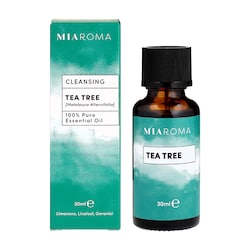
Tea Tree Oil
Tea tree oil is known for its strong antimicrobial effects. It helps remove mold and bacteria from kitchen surfaces. This oil is excellent for cleaning sinks and trash bins. Use it diluted with water for safe cleaning.
Eucalyptus Oil
Eucalyptus oil has a crisp, refreshing aroma. It fights bacteria and viruses effectively. It is great for disinfecting kitchen floors and appliances. Plus, it helps eliminate unpleasant odors.
Peppermint Oil
Peppermint oil offers a cool, invigorating scent. It repels insects naturally, keeping your kitchen pest-free. This oil also has antibacterial qualities. Use it in cleaning sprays for a fresh kitchen.
Lavender Oil
Lavender oil has a calming, sweet fragrance. It provides mild antibacterial effects. It is ideal for cleaning and deodorizing kitchen fabrics. Lavender oil also soothes the senses while cleaning.
Credit: www.hollandandbarrett.com
Benefits Of Using Essential Oils In The Kitchen
Essential oils offer many benefits for kitchen cleaning. They provide a natural way to keep surfaces clean and fresh. Using these oils supports a healthier home environment. They work well for various cleaning tasks without harsh chemicals.
Natural Antibacterial Properties
Essential oils like tea tree, lemon, and eucalyptus kill germs effectively. They help reduce bacteria on countertops and cutting boards. These oils act as natural disinfectants. They are a safe choice to maintain kitchen hygiene.
Deodorizing Effects
Oils such as peppermint and lavender remove bad smells quickly. They leave the kitchen smelling fresh and clean. These scents can neutralize odors from food and trash. Using essential oils helps create a pleasant kitchen atmosphere.
Non-toxic Alternatives
Essential oils avoid harsh chemicals found in many cleaners. They are safer for families and pets. These oils reduce exposure to toxins and allergens. Choosing essential oils supports a healthier lifestyle at home.
Eco-friendly Cleaning
Essential oils come from plants and are biodegradable. They cause less harm to the environment than synthetic cleaners. Using these oils helps reduce plastic waste from store-bought cleaners. They offer a green choice for sustainable kitchen care.
How To Use Essential Oils For Kitchen Surfaces
Essential oils can transform your kitchen cleaning routine into something both effective and enjoyable. They offer natural antibacterial and deodorizing properties that traditional cleaners might lack. Using them correctly on different kitchen surfaces can keep your space fresh and safe without harsh chemicals.
Making All-purpose Cleaners
Combine water, white vinegar, and a few drops of essential oils like lemon, tea tree, or eucalyptus in a spray bottle. This mixture works wonders on countertops, sinks, and stovetops by cutting grease and killing germs.
Shake the bottle well before each use and spray directly onto surfaces. Wipe with a clean cloth for a sparkling finish. Have you noticed how the fresh scent makes cleaning less of a chore?
Disinfecting Cutting Boards
Cutting boards are a hotspot for bacteria. Rub a cotton ball soaked in tea tree or lavender essential oil over the board’s surface to disinfect naturally.
Let it sit for a few minutes before rinsing with warm water. This method helps keep your food prep safe without damaging the board’s material. Do you often overlook this simple step?
Cleaning Appliances
Ovens, microwaves, and refrigerators can hold onto stubborn odors and grime. Mix baking soda with a few drops of orange or peppermint oil to create a gentle scrub.
Use a soft cloth or sponge to clean appliance surfaces and remove lingering smells. This approach refreshes your appliances without abrasive chemicals. How often do you treat your appliances to a deep clean?
Refreshing Garbage Areas
Garbage bins and compost containers can quickly develop unpleasant odors. Add 5-10 drops of rosemary or lemon essential oil to a cotton ball and place it at the bottom of your bin.
This simple trick neutralizes bad smells and keeps the area smelling fresh longer. Wouldn’t you agree a fresh-smelling trash area makes kitchen chores less unpleasant?
Credit: www.hollandandbarrett.com
Essential Oils For Tackling Kitchen Odors
Lemon, tea tree, and eucalyptus oils are great for cleaning kitchen odors. These oils fight germs and leave a fresh scent. Use them in sprays or wipes for a natural clean.
Keeping your kitchen smelling fresh can be quite a challenge, especially when cooking strong-smelling dishes like fish or garlic. Essential oils can be your secret weapon in tackling those stubborn odors. They not only add a pleasant aroma but also possess natural antibacterial properties that help in maintaining a clean environment. So, are you ready to discover which essential oils can help banish those pesky kitchen smells?
Neutralizing Refrigerator Smells
Your fridge can sometimes harbor unexpected odors, especially with leftovers or forgotten items. A few drops of lemon or orange essential oil on a cotton ball can work wonders. Place it in the corner of your fridge, and let it absorb any unpleasant smells while leaving a fresh citrus aroma.
Eliminating Sink Drain Odors
The sink drain is another hotspot for unwanted odors. Pour a mixture of baking soda, vinegar, and a few drops of tea tree oil down the drain. This not only cleans the pipes but also leaves a crisp, clean scent that lingers longer than you might expect.
Freshening Trash Cans
Trash cans can be a constant source of unpleasant smells. Add a few drops of peppermint or eucalyptus oil to a cotton pad and place it at the bottom of your trash can. This simple trick helps mask odors and makes taking out the trash a less daunting task. By integrating these essential oils into your cleaning routine, you can transform your kitchen into a fresh and inviting space. What's your favorite essential oil for keeping your kitchen smelling fresh?
Safety Tips For Using Essential Oils In The Kitchen
Using essential oils in the kitchen can make cleaning safer and fresher. Still, these oils are strong and need careful handling. Follow safety tips to protect yourself and your family.
Proper Dilution
Essential oils must be diluted before use. Pure oils can be too strong and may cause damage. Mix a few drops with water or a carrier oil. This reduces the risk of harm and makes cleaning more effective.
Avoiding Skin Irritation
Some essential oils can irritate the skin. Always wear gloves when using them. Test a small amount on your skin first. Stop use if you notice redness or itching. Keep oils away from cuts and sensitive areas.
Safe Storage
Store essential oils in a cool, dark place. Keep bottles tightly closed to avoid spills. Store them out of reach of children and pets. Proper storage keeps oils fresh and safe to use.
Keeping Away From Food
Do not apply essential oils directly on food. Avoid contamination by using oils only on surfaces. Wash hands after handling oils before touching food. This keeps your meals safe and clean.
Diy Recipes With Essential Oils For Kitchen Cleaning
Using essential oils for cleaning your kitchen not only brings a fresh, natural scent but also harnesses powerful antibacterial and grease-cutting properties. These DIY recipes are simple to make and effective, helping you maintain a spotless kitchen without harsh chemicals. Ready to try something easy and eco-friendly?
Citrus All-purpose Spray
This spray is perfect for countertops, cabinets, and even appliances. The bright scent of citrus oils like lemon and orange cuts through grime and leaves your kitchen smelling fresh.
- 1 cup water
- 1 cup white vinegar
- 15 drops lemon essential oil
- 10 drops orange essential oil
Mix all ingredients in a spray bottle. Shake well before each use. Spray on surfaces and wipe clean with a cloth.
Antibacterial Sink Scrub
Keep your sink sparkling with this scrub that fights bacteria and removes stubborn stains. Tea tree oil is a natural disinfectant, making it ideal for this purpose.
- ½ cup baking soda
- 10 drops tea tree essential oil
- 10 drops eucalyptus essential oil
Combine the ingredients and sprinkle the mixture in your sink. Scrub with a sponge and rinse thoroughly. Notice how clean and fresh your sink feels.
Natural Air Freshener
Forget artificial sprays that mask odors temporarily. This essential oil blend neutralizes kitchen smells and keeps the air pleasant.
- 1 cup water
- 10 drops lavender essential oil
- 10 drops lemon essential oil
Pour the mixture into a spray bottle. Mist the air whenever cooking smells linger. It’s a quick way to refresh your kitchen atmosphere.
Grease-cutting Solution
Grease buildup can be tough to tackle. This solution uses the power of rosemary and lemon oils to break down grease without harsh chemicals.
- 1 cup warm water
- 2 tablespoons castile soap
- 15 drops rosemary essential oil
- 10 drops lemon essential oil
Mix all ingredients in a spray bottle. Spray on greasy surfaces and wipe with a damp cloth. You’ll see how easily grease dissolves away.
Credit: www.hollandandbarrett.com
Frequently Asked Questions
What Essential Oils Are Best For Kitchen Cleaning?
Lemon, tea tree, and eucalyptus oils are excellent for kitchen cleaning. They have natural antibacterial and deodorizing properties. These oils effectively remove grease and kill germs, leaving your kitchen fresh and sanitized.
How Do Essential Oils Kill Kitchen Bacteria?
Essential oils contain natural antimicrobial compounds. These compounds disrupt bacterial cell walls, killing bacteria quickly. Using oils like tea tree or oregano can reduce harmful kitchen germs safely without harsh chemicals.
Can Essential Oils Remove Kitchen Odors Effectively?
Yes, essential oils like lemon and peppermint neutralize kitchen odors. Their strong, pleasant scents mask bad smells and freshen the air naturally. Diffusing or adding them to cleaning solutions helps maintain a fresh kitchen environment.
Are Essential Oils Safe For Kitchen Surfaces?
Essential oils are generally safe for most kitchen surfaces when diluted. Always test on a small area first. Avoid direct use on porous materials like wood or marble to prevent damage or discoloration.
Conclusion
Essential oils offer a natural way to keep your kitchen clean. They fight germs and leave fresh scents behind. Lemon, tea tree, and eucalyptus oils work well for many tasks. Using these oils helps avoid harsh chemicals. You can mix them easily with water or vinegar.
This keeps your kitchen safe and fresh every day. Try adding essential oils to your cleaning routine. See how simple and effective natural cleaning can be. Clean kitchens feel better and smell great too. Give these oils a chance to brighten your space.